Hong Kong can empower commuters by embracing e-bikes
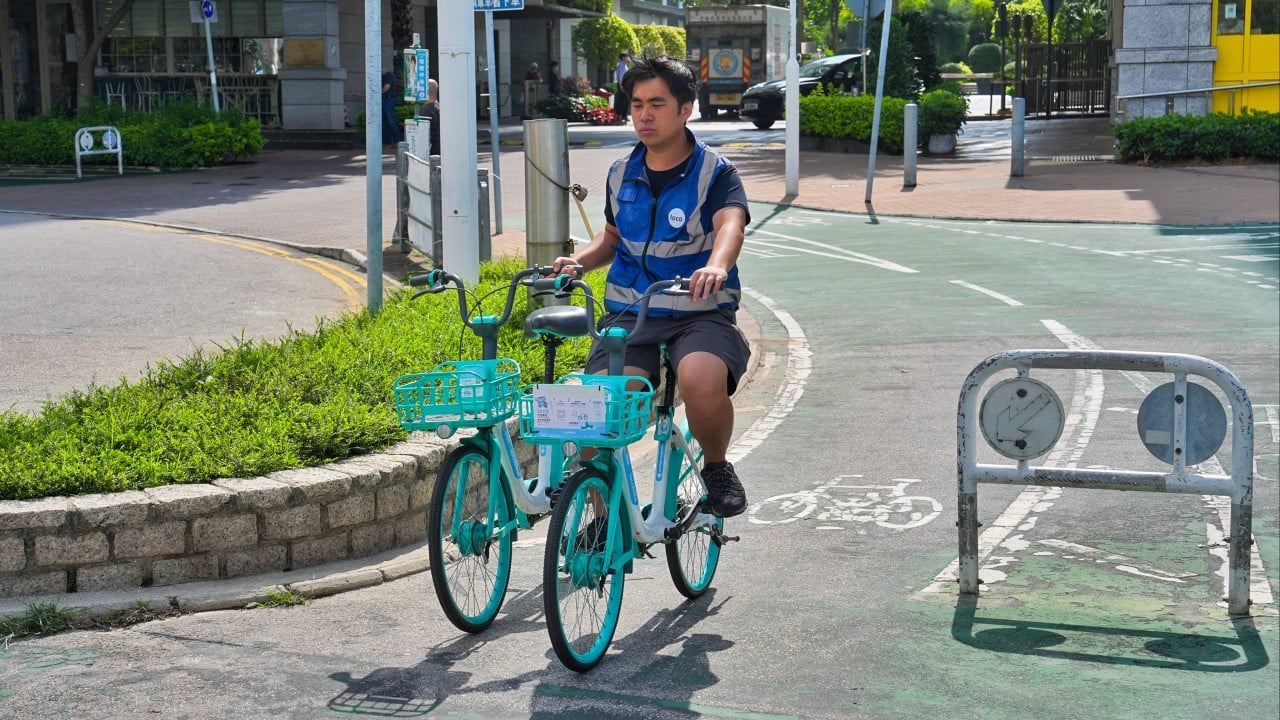


New bike lanes, charging hubs and feeder routes to MTR stations would make less accessible areas of the New Territories more desirable
3-MIN READ3-MIN Listen
Broadcasting live from a teeming Beijing intersection, Fox News anchor Bret Baier recently captured this fascinating counter-narrative. Away from the grandeur of diplomacy, a small revolution is taking place: a surging ocean of electric bicycles and scooters that serve as the lifeblood of China’s capital.
Yet, as Baier highlighted how artificial-intelligence-driven surveillance was catching traffic violations in real-time, a deeper systemic shift was under way. Beijing is executing a visible strategic recalibration, moving from the chaos of unbridled micro-mobility to a state-guided, market-responsive model. As of May 1, the city’s newly amended Non-Motorised Vehicle Management Regulations reflect a fundamental move towards pragmatism in urban governance. Notably, riders and passengers must wear certified helmets or face fines.
AdvertisementThe rise of the e-bike in Beijing has been a grass-roots triumph of efficiency, yet its journey reveals a system that, until recently, faced real-world pressures. The recent regulatory shift stems from a disconnect between the idealism of green mobility and the stubborn social and infrastructural realities of the street. The root of the problem is a three-dimensional crisis of safety risks, infrastructural deficit and spatial chaos.
In the first quarter of 2026, Beijing’s traffic safety crisis reached a tipping point, with 44 fatalities involving electric bicycles. The fact that over 60 per cent of these victims were not wearing helmets underscores a failure to align technological adoption with social behaviour.
AdvertisementMoreover, 10,000 e-bikes parked daily at one metro station in Beijing exposed an infrastructural deficit. When a deputy chief of the city’s Changping district failed to successfully find a place to park there within five minutes, it highlighted how inadequate facilities can erode public support for green agendas.
AdvertisementSelect VoiceSelect Speed0.8x0.9x1.0x1.1x1.2x1.5x1.75x00:0000:001.00xСхожі новини
Japanese tanker Idemitsu Maru arrives in Aichi after exiting Strait of Hormuz
Toshifumi Suzuki, pioneer of Japanese convenience stores, dies at age 93
Teachers struggle to support children who refuse to attend school