HKU launches School of Governance and Policy to foster global policy dialogue
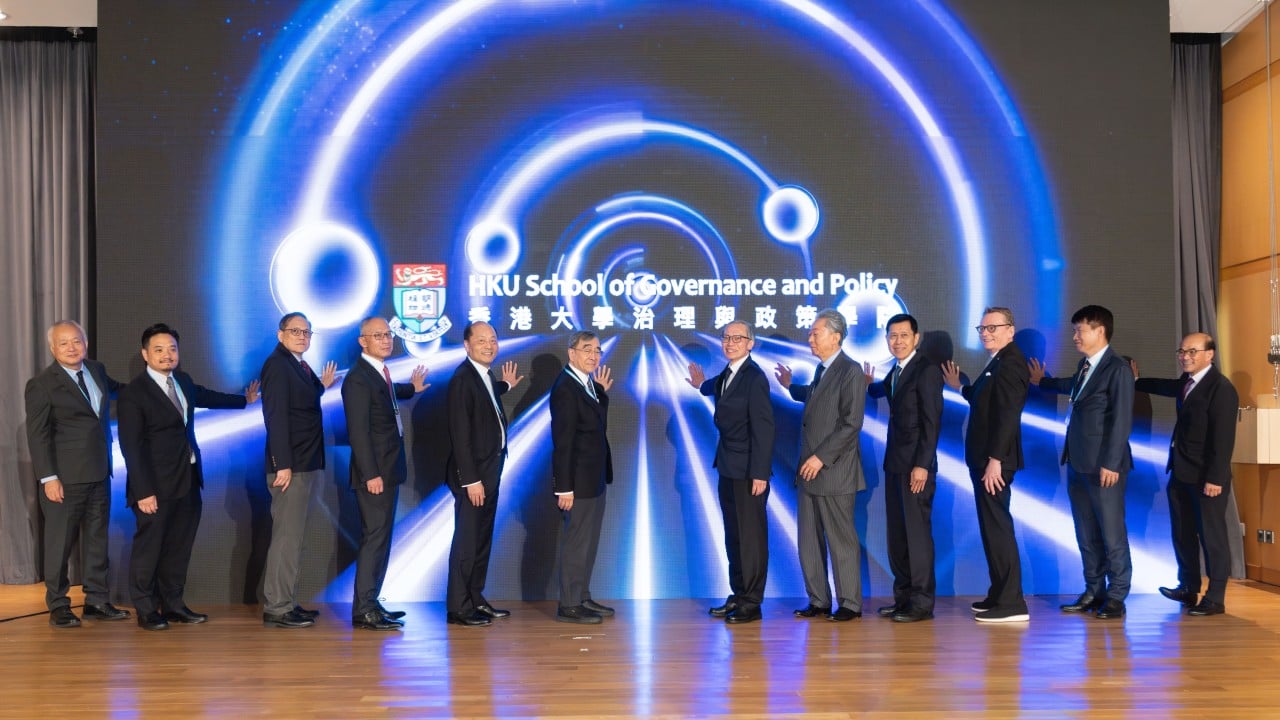
New interdisciplinary learning and policy research hub convenes global top-tier academics to nurture policymakers and connect East and West through Hong Kong
Paid Post:HKU3-MIN READ3-MIN Listen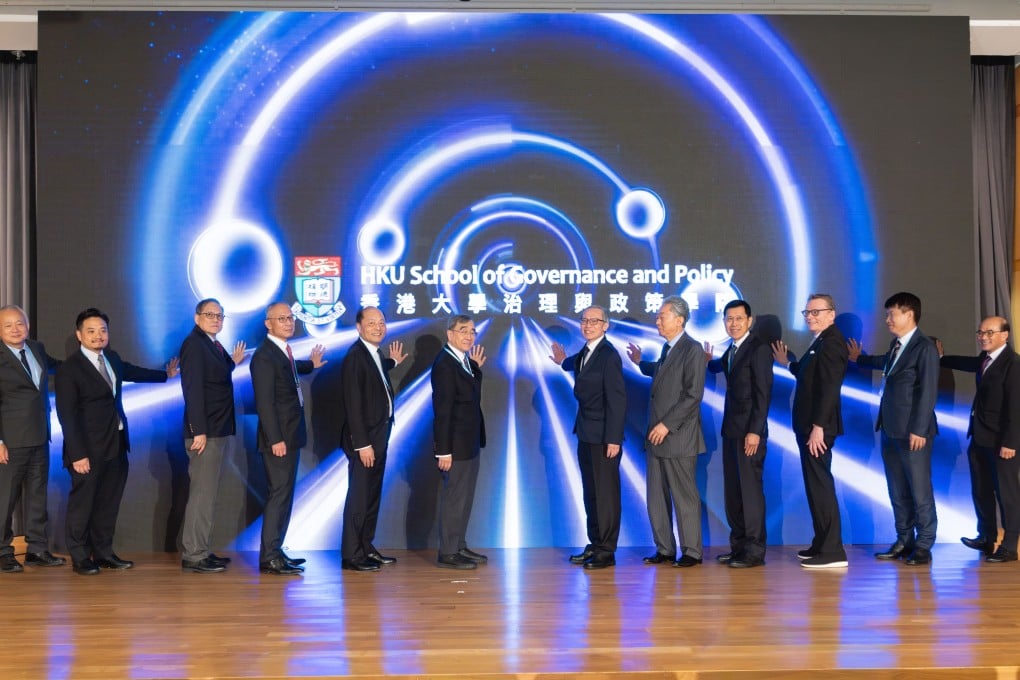
[The content of this article has been produced by our advertising partner.]
Amid ongoing geopolitical tensions and fractured international relations, the University of Hong Kong (HKU) has launched a new School of Governance and Policy (SGP) that aims to foster dialogue and train a new generation of policymakers.
The interdisciplinary school stands out by convening a powerful convergence of global intellectual leadership and cross-disciplinary expertise. By integrating the strengths of the Social Sciences, Business, and Law, the School creates a unique academic environment.
AdvertisementNotably, its International Advisory Board represents a formidable concentration of global intellectual capital, bridging the world’s elite academic and policy institutions. Its presence is anchored by towering figures in economic science, including Nobel Laureates, influential global economists, the former head of state and senior officials.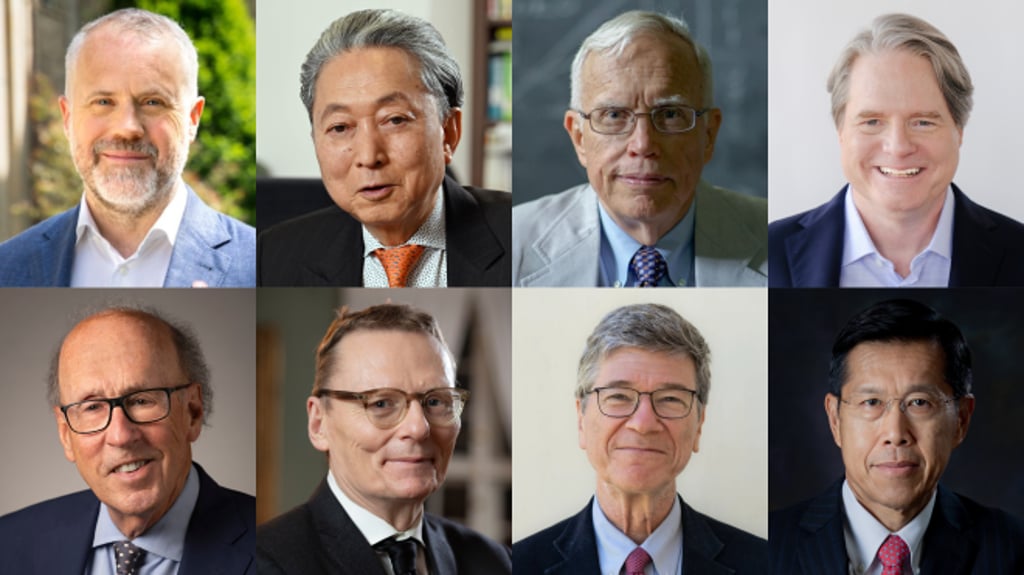
According to Professor Kenneth Wong, Director of the SGP, the initiative comes at a time when collaboration is increasingly urgent as tensions are best addressed through dialogue.
Advertisement“With so much disruption and interdependence today, collaborative governance is not just important, it’s essential,” he said.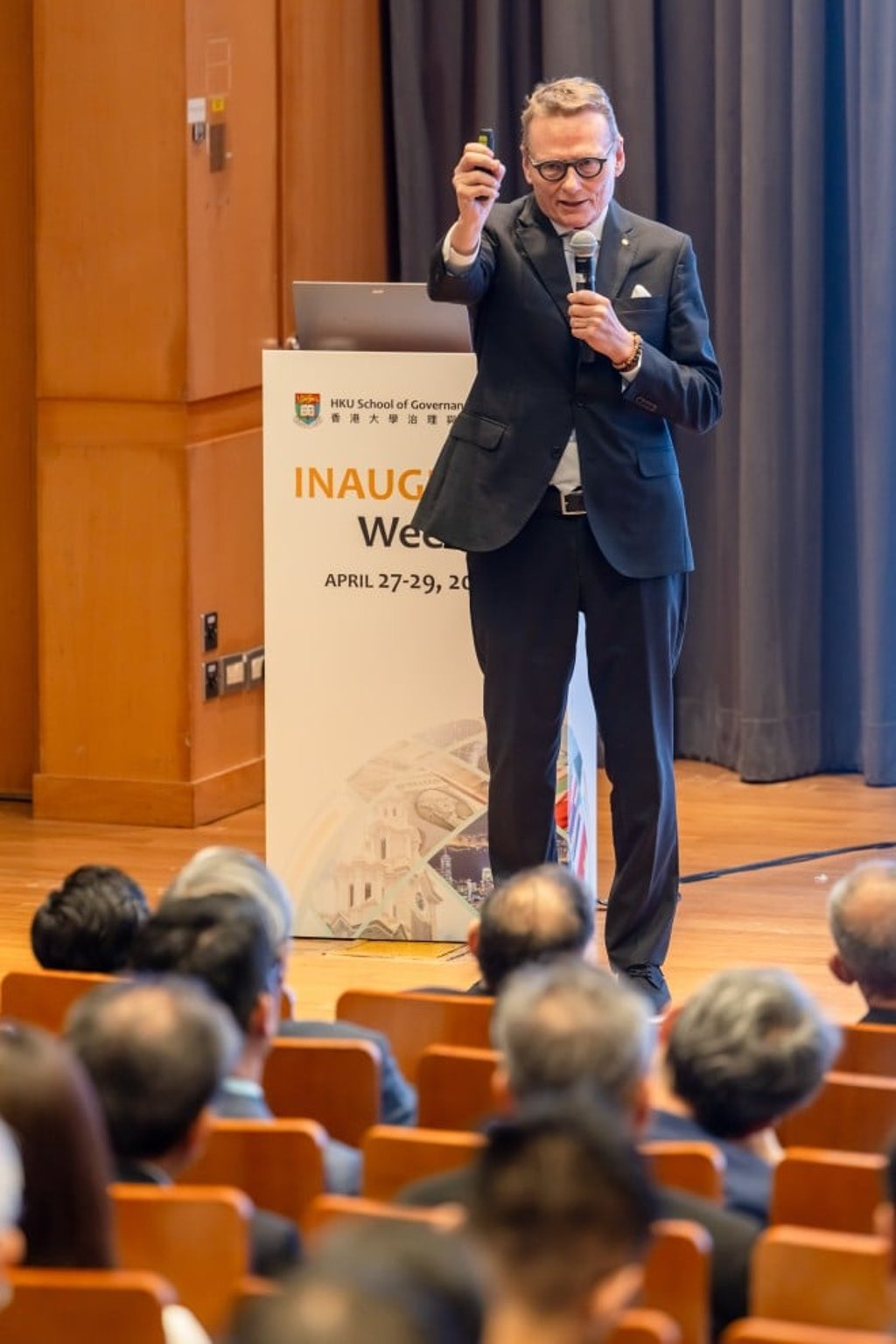
Long recognised as an international city, Hong Kong offers access to global networks while maintaining close ties with the Chinese Mainland. Its institutional strengths, including the use of English, rule of law and openness to international exchange are what he sees as enabling conditions for sustained dialogue.
Operating under “one country, two systems”, Hong Kong also provides access to both Chinese Mainland perspectives and international viewpoints, creating a setting where different ideas can be exchanged more freely. And it is against this backdrop that Hong Kong is well positioned to foster international dialogue.
Advertisement“We want to create a hub of global conversation here in Hong Kong,” said Wong. “People do not often have the opportunity to sit down, understand one another’s perspectives and keep an open dialogue.”
The School’s flagship academic programme is the Master of Governance and Policy, which will admit its first cohort this year.
Structured as a one-year programme, it draws on expertise from multiple disciplines, including economics, political science and law, so as to provide students with a comprehensive understanding of how policy is developed and implemented.
AdvertisementStudents will complete a set of core courses designed to build a common foundation in governance and policy analysis, in conjunction with electives that allow them to explore specific areas of interest.
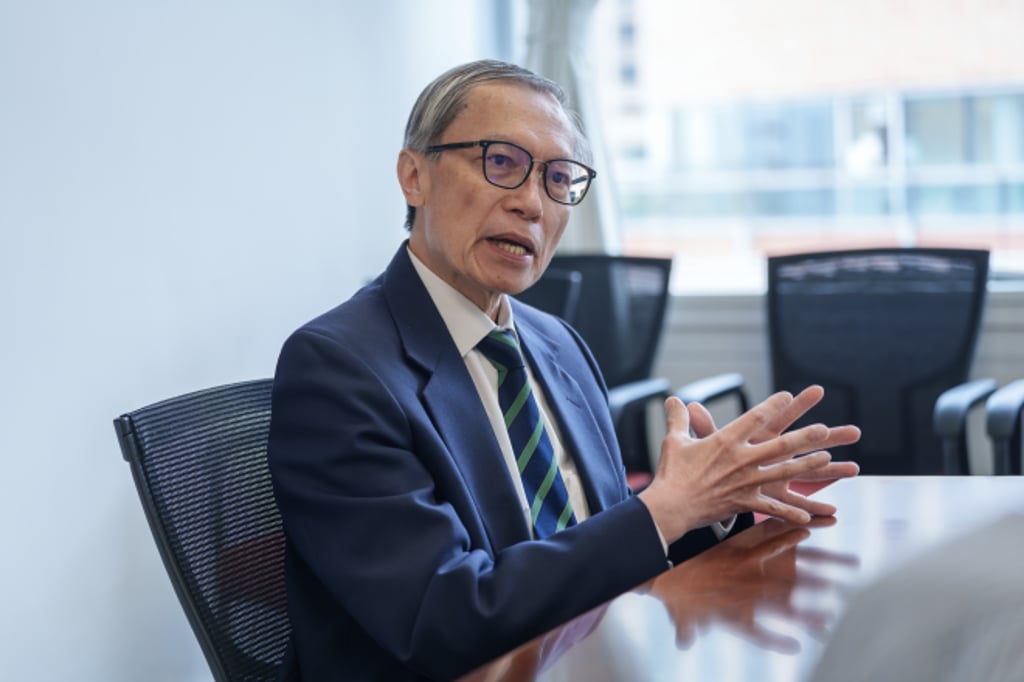
Translating academic research into practical outcomes is an integral part of the programme. “The question is how we can use research to improve areas such as trade relations, housing policy and social welfare, so that people on the ground benefit,” said Wong.
AdvertisementGraduates are expected to work in government, business, international organisations and civil society, often shifting between these areas over the course of their careers. As such, the programme has been structured to equip students with analytical skills, as well as an understanding of different policy environments.
In addition to the postgraduate programme, the School is also developing executive leadership courses for policymakers and professionals. These short programmes are expected to cover topics such as governance in emerging technologies, public sector management and cross-border co-operation.
With participants from different countries and sectors brought together, the courses are intended to facilitate the exchange of ideas and build professional networks.
AdvertisementAccording to Wong, plans are under way to collaborate with governments, non-profit organisations, international institutions and think tanks on research and policy initiatives. These collaborations are expected to support applied work on complex issues, while providing students with further opportunities to engage with real-world challenges.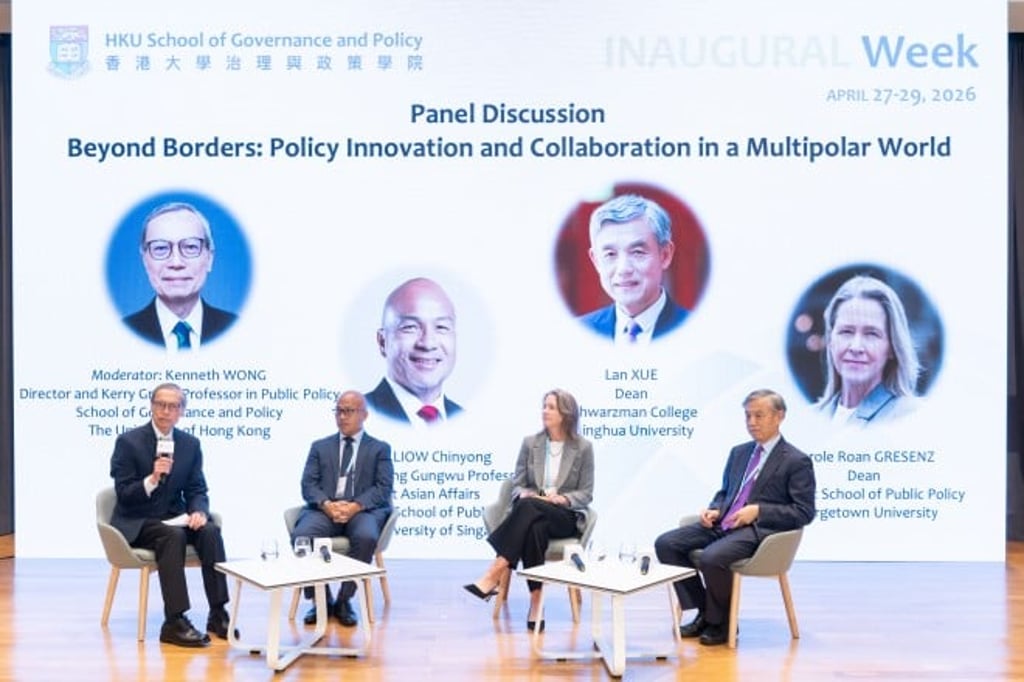
Over time, a more balanced mix of local and international students is expected to contribute to a richer learning environment.
Diversity supports the School’s broader goal of fostering understanding across different backgrounds and perspectives. Wong sees interaction among students as an important part of the learning process, with shared experiences helping to build connections that may prove valuable later in their careers.
Advertisement“As graduates move into leadership positions, they will know one another and be able to pick up the phone to talk things through. That creates the opportunity to resolve differences at an early stage and head off escalation,” said Wong.
Looking ahead, Wong expects the School’s role to grow as demand rises for leaders who can operate across borders and disciplines. As policy decisions in one country inevitably affect others, the ability to understand different perspectives and work towards shared solutions will become more important.
“This is the right time, and Hong Kong is the right place for HKU to do the right thing by building bridges and fostering global dialogue through this School.”
AdvertisementAdvertisementAdvertisementSelect VoiceSelect Speed0.8x0.9x1.0x1.1x1.2x1.5x1.75x00:0000:001.00xСхожі новини
As war nears two months, displaced Lebanese family sinks into despair

$20,000 for Green Card: US man posed as ICE, scammed immigrants seeking citizenship