Hit from memory costs spreads from phones to EVs as China’s BYD raises driving-tech price
Carmaker explicitly cites sky-high memory costs as it raises the price of a high-end driver-assistance system by 21 per cent
2-MIN READ2-MIN Listen
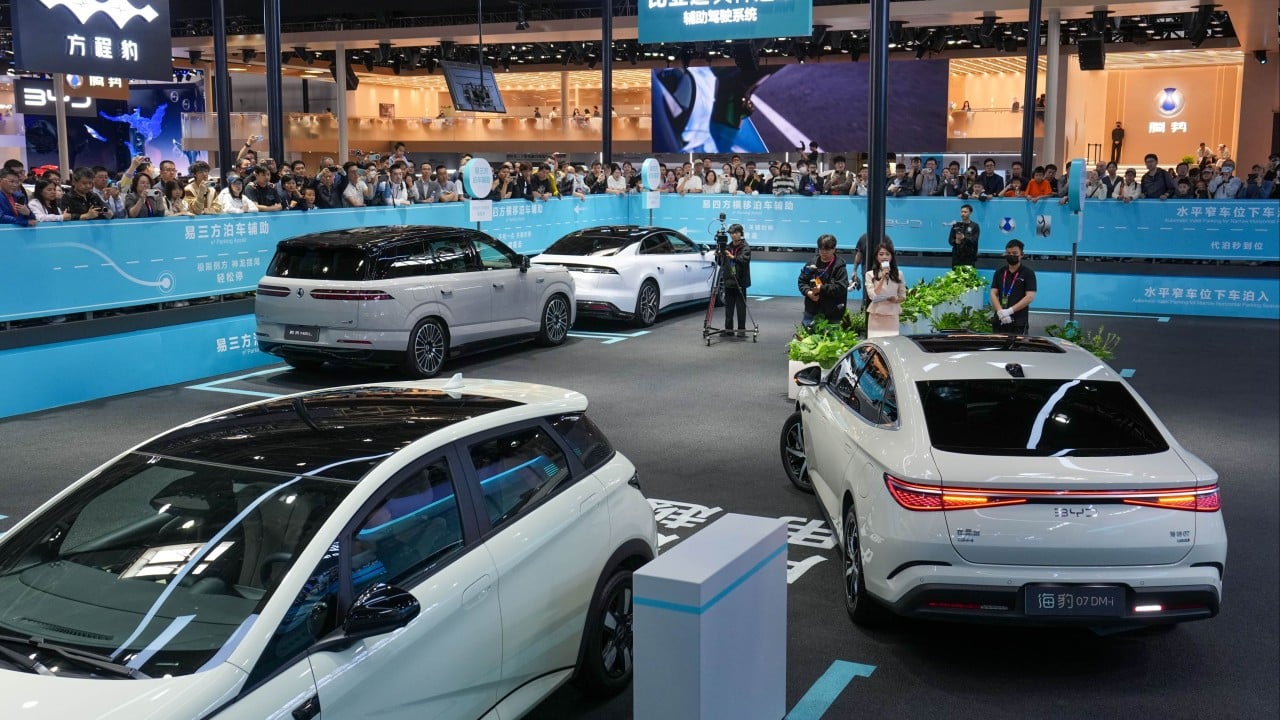
Starting on Friday, the price of the optional DiPilot 300 assisted-driving system would rise to 12,000 yuan ($1,757) from 9,900 yuan, BYD said on Tuesday, attributing the decision to “the sharp rise in global storage hardware costs”.
The system, which allows cars to navigate themselves on highways and conduct self-parking, is available in the company’s mid-range and premium models. It employs lidar (light detection and ranging) sensors and requires memory chips for data buffering, processing and storage.
AdvertisementPremium cars would be the next category of consumer products hit hard by the memory “super cycle”, according to analysts.
“High-end car models rely heavily on lidar, multichannel high-pixel cameras and millimetre-wave radar,” said Chen Hongyan, an analyst with TrendForce. “They require high-performance chips paired with large-capacity, high-bandwidth memory.”
AdvertisementThe impact would be uneven across the market as mid-range models would “bear the brunt of it”, while high-end buyers were “generally less sensitive to price changes”, said Kevin Li, associate director at Counterpoint Research. “Low-end models typically don’t include these expensive tech packages in the first place.”
Li added that price hikes were “spreading to more consumer-electronics categories that use [memory chips], such as tablets and virtual reality headsets”. For example, ByteDance’s virtual reality unit Pico told distributors that it would increase wholesale prices starting on July 1 owing to higher memory costs and supply chain instability.
AdvertisementSelect VoiceSelect Speed0.8x0.9x1.0x1.1x1.2x1.5x1.75x00:0000:001.00xСхожі новини
Evolutionary characterization of lung cancer metastasis

'We are all scared right now': ICE arrests Indian-origin truck driver in Oregon crash case; community in fear