Hidden femicide risk grows in Afghanistan
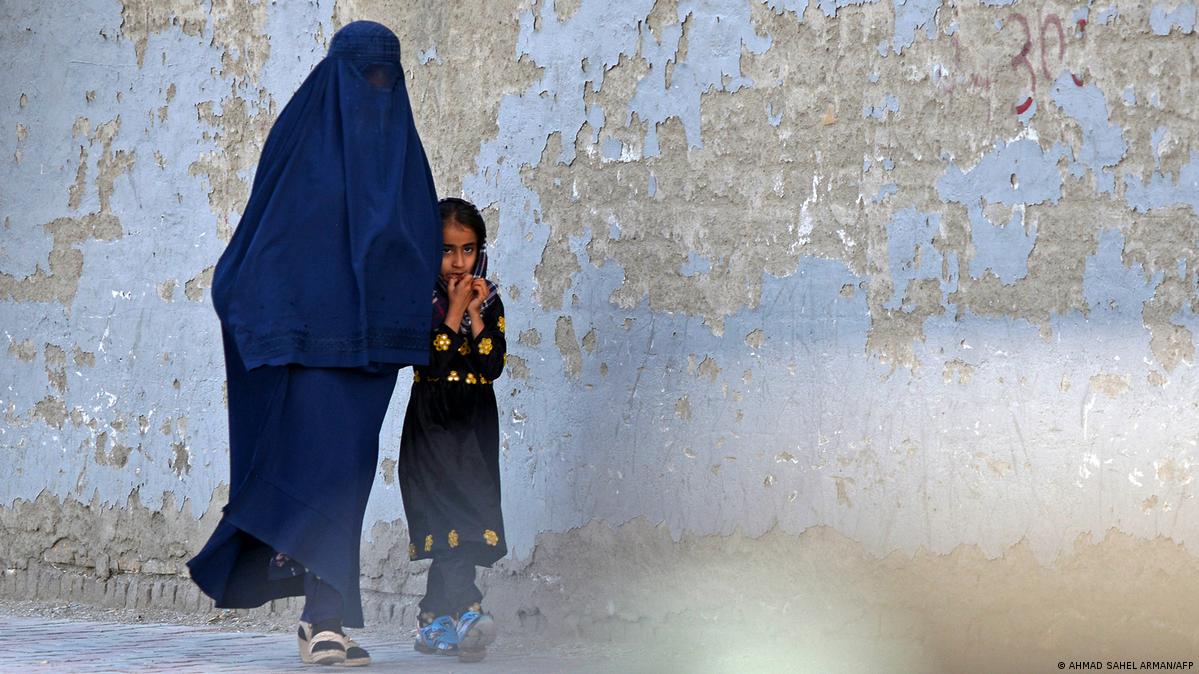
The severe humanitarian crisis in Afghanistan, where nearly half of the population requires assistance, has pushed many families into survival mode. Hunger, joblessness and collapsing services have tightened dependence within Afghan households.
At the same time, wide-ranging restrictions imposed by the Taliban rulers since their return to power in 2021 have narrowed women's options in public life, limiting access to work, education and mobility.
Together, these pressures make violence against women in the private sphere harder to escape, more difficult to report and easier to conceal.
Forced marriage and dependency
Women's rights advocates and local journalists describe a pattern: economic desperation drives forced and early marriages, increases women's dependence on husbands or in-laws, and makes domestic abuse less visible.
When protection mechanisms fail — or when families see no viable path through the courts — violence can escalate to lethal outcomes.
A case from Afghanistan's western Ghor province shows how these dynamics can converge.
Farzana was 18 when she died in Ghor's Pasaband district.
A local source told DW she was attacked inside the home. A doctor said forensic examinations showed clear traces of beatings and torture, indicating she had been murdered. Farzana had been married off to a man in his 50s who already had two wives.
Amir Mohammadi (name changed), a local government employee, told DW that two of the man's sons were accused of involvement in her killing.
Mohammadi said he approached Farzana's relatives, who refused to cooperate, saying they were a poor family and the murderer suspects were rich people. For him, the social imbalance matters as much as the crime itself.
"Many girls like Farzana are victims of poverty, forced marriage and child marriage," he told DW, adding that families often marry daughters to older men with money in the hope of stability, but the outcome can be chronic abuse behind closed doors.
Harsh dress codes hamper Afghan women's rights
To view this video please enable JavaScript, and consider upgrading to a web browser that supports HTML5 video
Reporters say that even when violence is known, it rarely enters the public record. A local journalist in Afghanistan who doesn't want to be named told DW that reporting has become increasingly constrained.
"The Taliban have severely restricted journalists and the media, and no one dares to report on these cases," he said.
Justice stalled by fear and power
Social pressure adds another layer: families often avoid filing complaints out of fear, stigma or retaliation. Even when complaints are made, investigations can stall.
A Taliban official in Ghor, speaking anonymously because he was not authorized to talk to the media, told DW that a father and two sons accused of killing a young woman had been arrested and were under investigation.
Yet the local journalist said he obtained information suggesting suspects in similar cases were later released through the mediation of tribal elders. Such mediation, which often involves financial settlements and "consent" from victims' families, reflects the continued power of informal justice systems, especially in remote areas.
Legal code undermines women's protection
For rights groups, the legal framework under the Taliban is a central issue.
Afghan human rights organization Rawadari raised serious concerns after a criminal procedure document signed by Taliban leader Habatullah Akhundzada was distributed to provincial courts across Afghanistan.
Rawadari described the contents of the document as "deeply concerning" and "in clear contradiction to international human rights standards and the fundamental principles of fair trial."
According to the rights group's analysis of the Criminal Procedure Code for Courts, "Article 32 states that only if the husband beats the woman with a stick and this act results in severe injury such as 'a wound or bodily bruising', and the woman can prove it before a judge, will the husband be sentenced to 15 days' imprisonment."
Rawadari noted that the code does not explicitly prohibit other forms of physical, psychological or sexual violence.
Official denials, growing global alarm
Taliban officials reject the premise that violence is tolerated. Abdul Hai Zaim, head of the Taliban's information and culture department in Ghor, told DW that authorities had not been informed and had no details about the reported cases in Pasaband.
He said the "Islamic Emirate" addresses women's complaints and punishes perpetrators through courts "according to the law," while warning that some people go to the media and "create problems."
Zaim also emphasized that killing is forbidden under Islamic law.
The gap between official claims and lived reality remains wide, and the humanitarian crisis is deepening it.
Taliban restrictions force women to study medicine abroad
To view this video please enable JavaScript, and consider upgrading to a web browser that supports HTML5 video
International observers have framed the broader Taliban system of restrictions as a structural driver of vulnerability.
A 2025 report by the UN Special Rapporteur on Afghanistan describes Taliban rule as creating "an institutionalized system of discrimination" against women and girls.
It says women and girls have been "effectively erased from public life" and deprived of fundamental rights such as education, work, and movement.
An earlier UN experts' statement warned of "multiple preventable deaths that could amount to femicide."
The question now is scale.
"When two women are killed in a small district within a few days," the local journalist who wants to stay anonymous told DW, "what will the annual number of femicide cases nationwide be?"
In today's Afghanistan, that question remains difficult to answer not because the violence is rare, but because so much of it remains hidden.
'Don't send us back': Afghan women in India fear deportation
To view this video please enable JavaScript, and consider upgrading to a web browser that supports HTML5 video
Edited by: Keith Walker
AdvertisementСхожі новини

Can money buy happiness? Bill Gates offers a surprisingly honest answer
The Abraham Accord plus: Trump aims for grand bargain tying Islamic world with Israel
'For Brothers': Major international gang busted in Canada, 17 Indians charged for extortion targeting South Asians
