Here's what 6 years of driving on Mars did to the wheels on NASA's Curiosity rover (video)
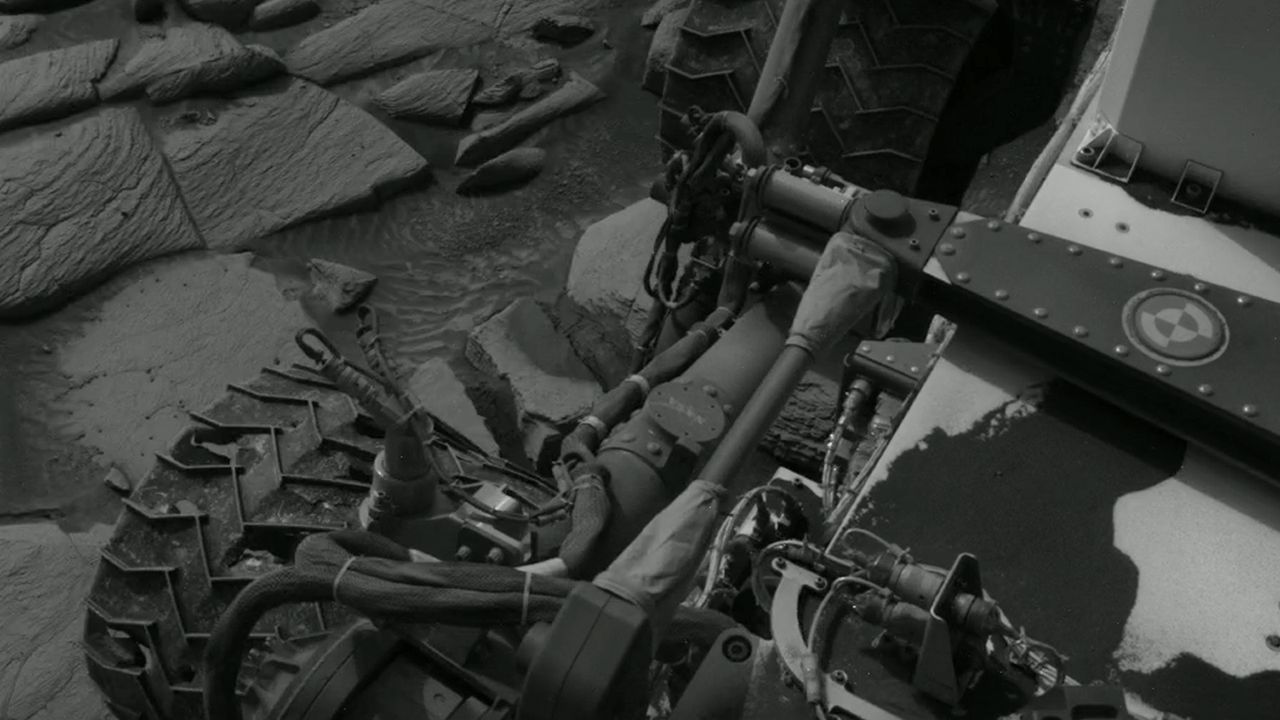
A new time-lapse video from NASA's Curiosity rover reveals years of punishing Martian travel, as its wheels churn steadily across the Red Planet's rugged terrain.
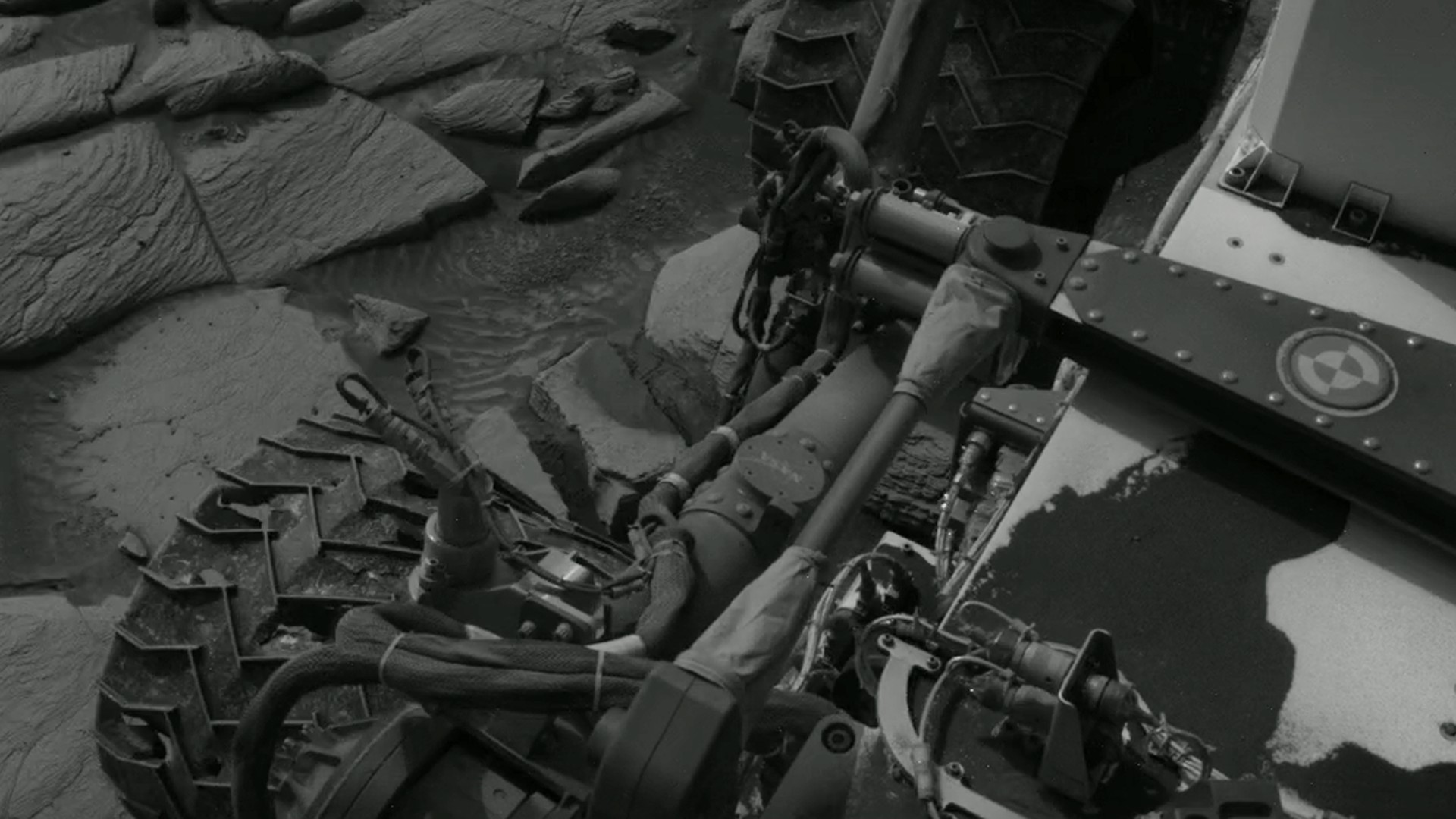
The rover's camera wasn't intended to create a cinematic record. It typically points behind the rover during drives, helping mission teams identify interesting rocks and terrain features after Curiosity passes them. But by stitching together thousands of routine images, engineers created a continuous record of motion and environmental change, offering a rare, long-term perspective on what it takes to explore another world.
Now, scientists can even use the footage to study how sand accumulates and shifts across the rover's deck, distinguishing material moved by the wheels from that carried by Martian winds — subtle clues about seasonal patterns in the planet's thin atmosphere.
The video also highlights a more hard-won reality of Mars exploration: wear and tear. Curiosity's six wheels, each about 20 inches (50 centimeters) in diameter, were designed to handle sharp and uneven ground. Yet the Martian surface has proven harsher than expected. Not long after landing in 2012, engineers began noticing damage to the thin aluminum wheels, including punctures and tears caused by jagged rocks.
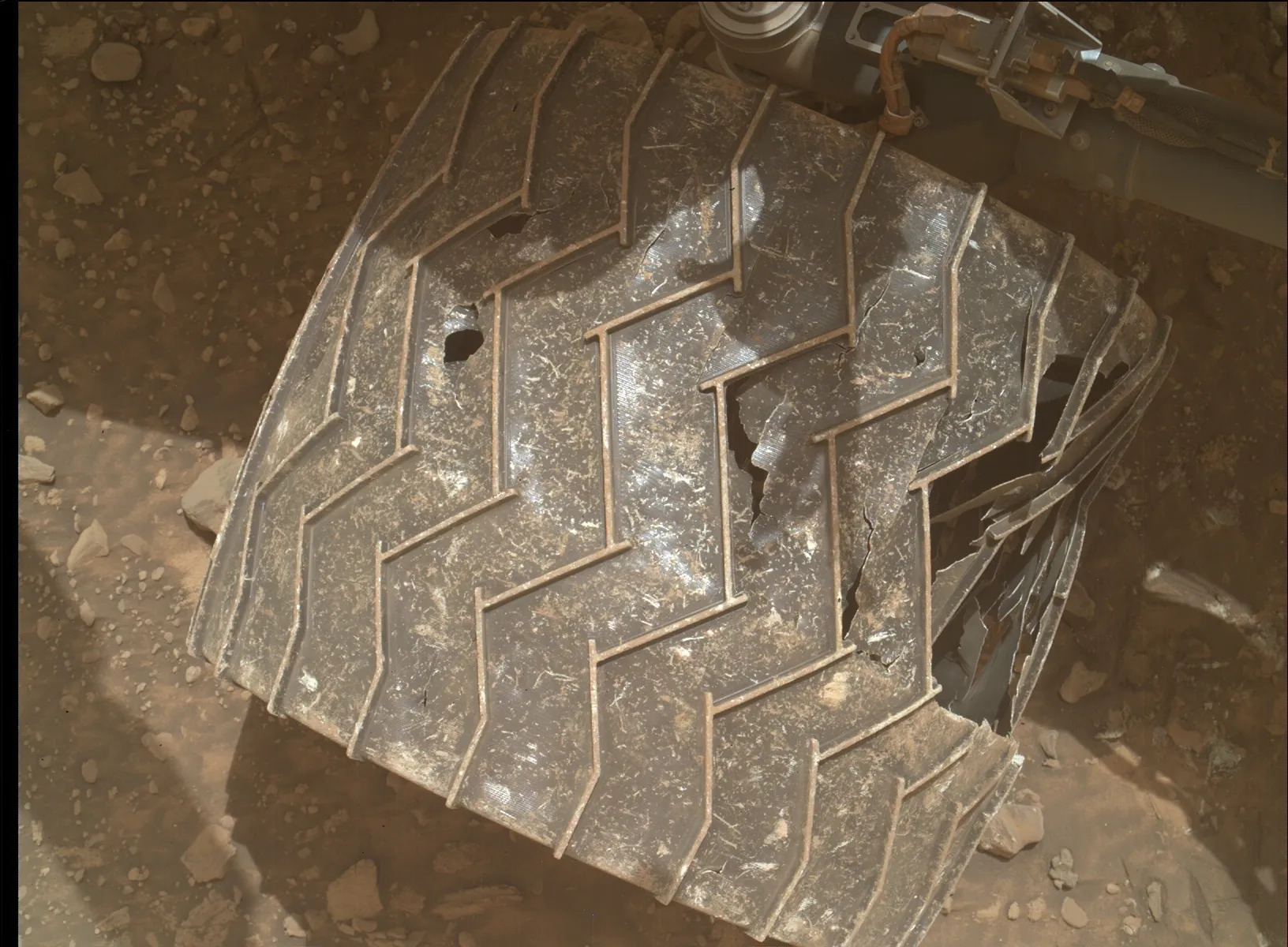
Over time, images released by NASA have shown the damage becoming more pronounced. Close-up photos reveal dents, holes and large gashes, some cutting through the wheel skin. Photos released in 2024 showed fresh scars alongside older ones, underscoring the cumulative effects of more than a decade on Mars. Despite this, the rover remains fully mobile — a testament to both its design and careful driving strategies developed by mission engineers.
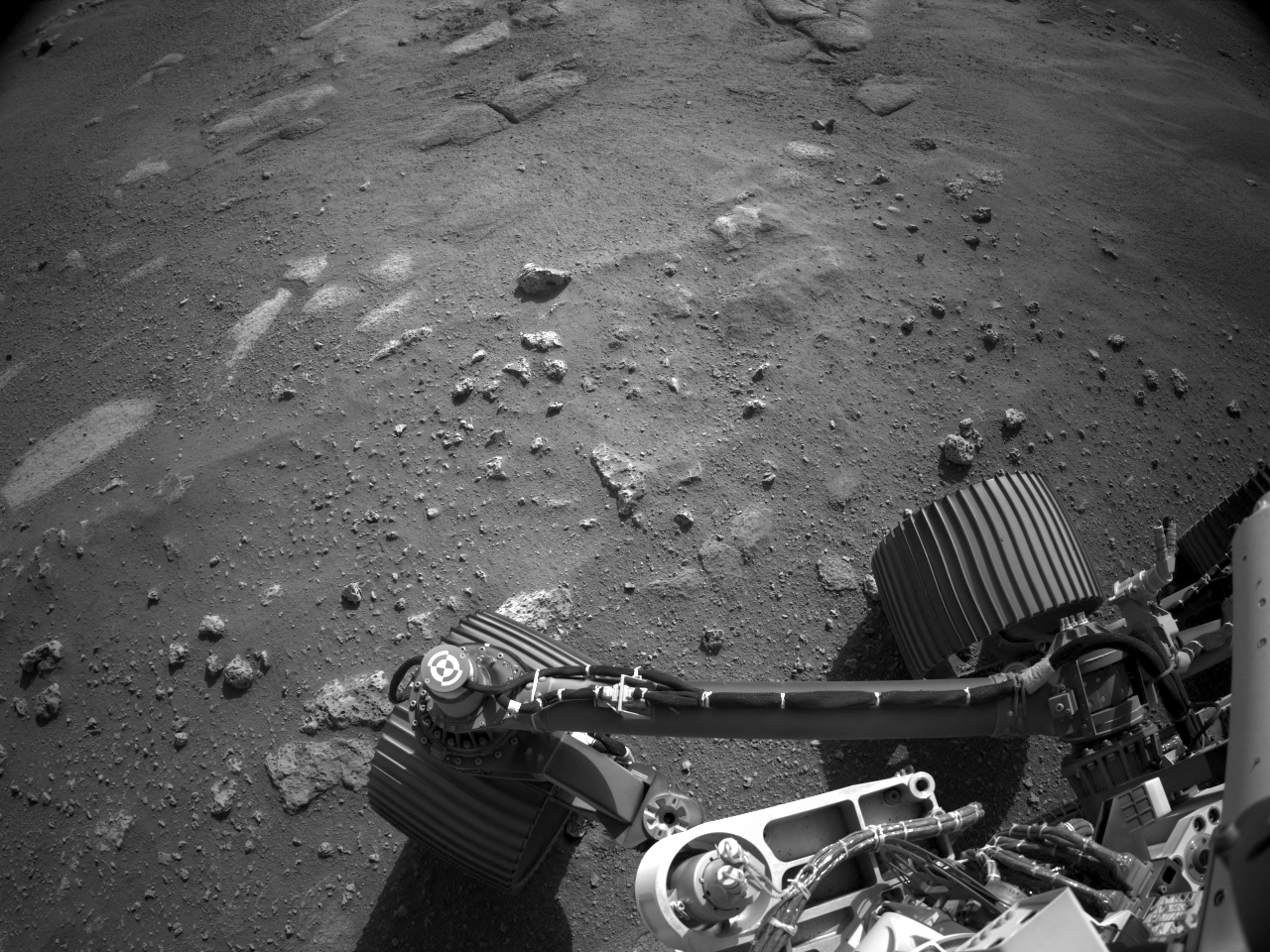
Keeping Curiosity on a safe and sustainable course includes plotting routes that avoid particularly hazardous terrain whenever possible. Lessons learned from the rover's wheel damage have not only helped guide Curiosity's mission but have also shaped the design of newer Mars rovers, including Perseverance rover, whose wheels were reinforced to better withstand the planet's unforgiving surface.
What makes the new time-lapse especially striking is the sense of time it conveys. Since its landing, Curiosity has traveled more than 20 miles (32 kilometers) across Gale Crater, climbing the lower slopes of Mount Sharp and traversing layers of rock that record billions of years of Martian history. The battered, dust-coated wheels seen turning in the video are physical evidence of that journey — each rotation marking another step in a mission that has far exceeded its original two-year lifespan.
That longevity has paid off scientifically. Curiosity has fundamentally reshaped our understanding of Mars, confirming that ancient environments in Gale Crater could have supported microbial life. The rover has identified evidence of long-lived lakes, measured key chemical ingredients and, in recent years, detected increasingly complex organic molecules preserved in Martian rocks.
The new time-lapse video offers a mesmerizing record of endurance and discovery — a reminder that even the simplest perspective, a camera aimed at a set of worn wheels, can capture the scale of a robotic mission that continues to push the boundaries of exploration on another planet.
View MoreYou must confirm your public display name before commenting
Please logout and then login again, you will then be prompted to enter your display name.
Logout
Samantha Mathewson joined Space.com as an intern in the summer of 2016. She received a B.A. in Journalism and Environmental Science at the University of New Haven, in Connecticut. Previously, her work has been published in Nature World News. When not writing or reading about science, Samantha enjoys traveling to new places and taking photos! You can follow her on Twitter @Sam_Ashley13.
Схожі новини
There is no vaccine for deadly hantavirus: what that means for future outbreaks
Author Correction: Proteasome-guided haem signalling axis contributes to T cell exhaustion