Germany is getting tough on Trump. Here’s why
The US president and the German chancellor have locked horns. Spain has shunned Washington. The Nato alliance is more fragile than it has ever been.
Western powers are determined to see off Russian military “hard” power; they are familiar with “soft power” operations to undermine democracies. But how to deal with the Kremlin’s relationship with Donald Trump is now an emergency.
Working out a response to internal frictions within Nato has become a conundrum, not only for leaders in the alliance but for the military officials who have to figure out how to keep the military machine operational.
A weakened Nato serves only the interests of the enemies and rivals of the West.
Top of the list of beneficiaries is Vladimir Putin, but China will enjoy the latest spats between Trump and Germany’s Friedrich Merz almost as much.
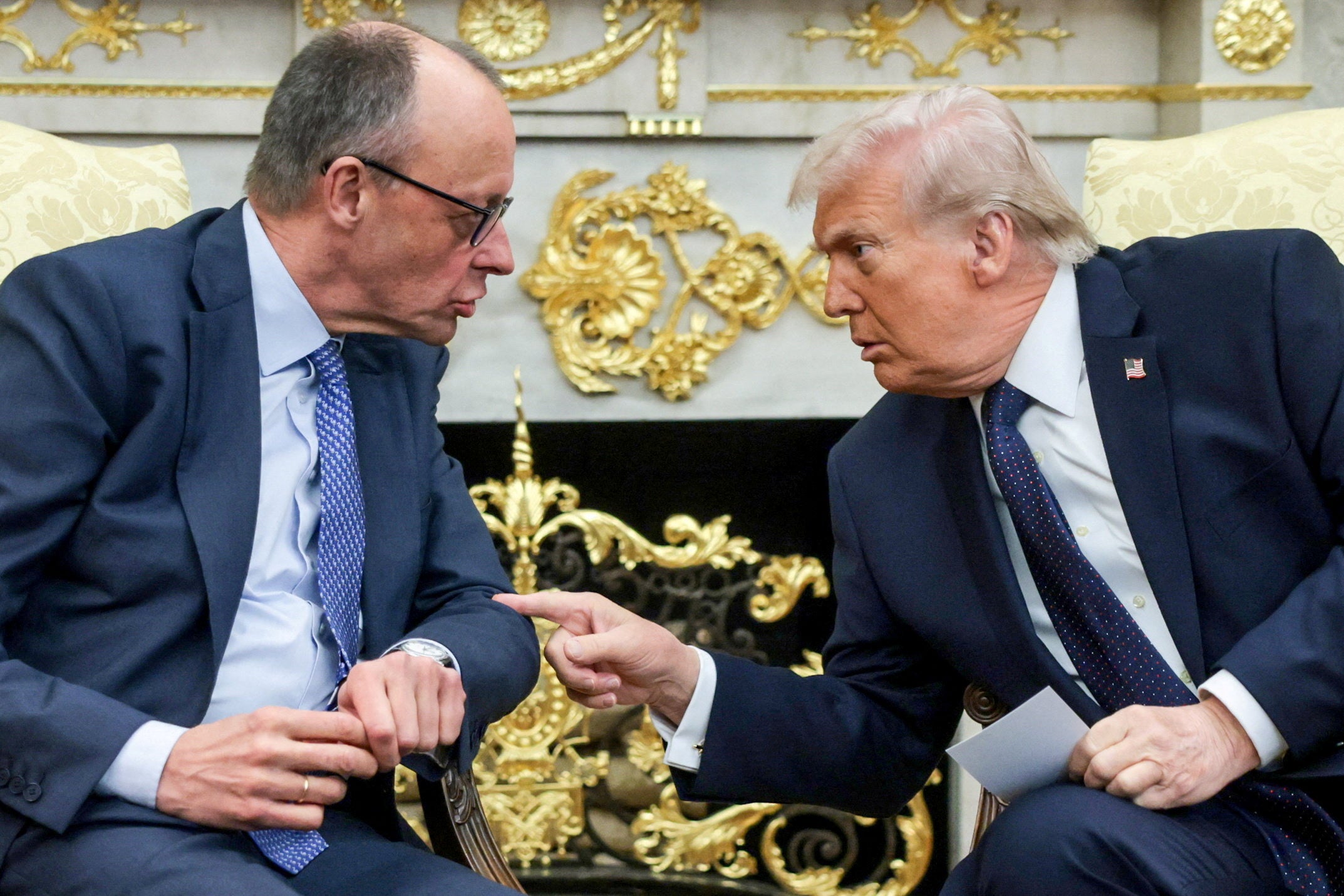 open image in gallery
Merz, opting for a “truth to power” approach, has said the US-Israeli attack on Iran and subsequent ceasefire efforts had humiliated America.
“An entire nation is being humiliated by the Iranian leadership, especially by these so-called Revolutionary Guards. And so I hope that this ends as quickly as possible” he said earlier this week.
Outraged by this criticism, Trump mooted pulling US troops out of Germany and, after Italy and Spain’s refusal to allow any of territory to be used to attack Iran, suggested he might do the same in those two allied nations.
“Look, why shouldn't I? Italy has not been of any help to us and Spain has been horrible,” he said.
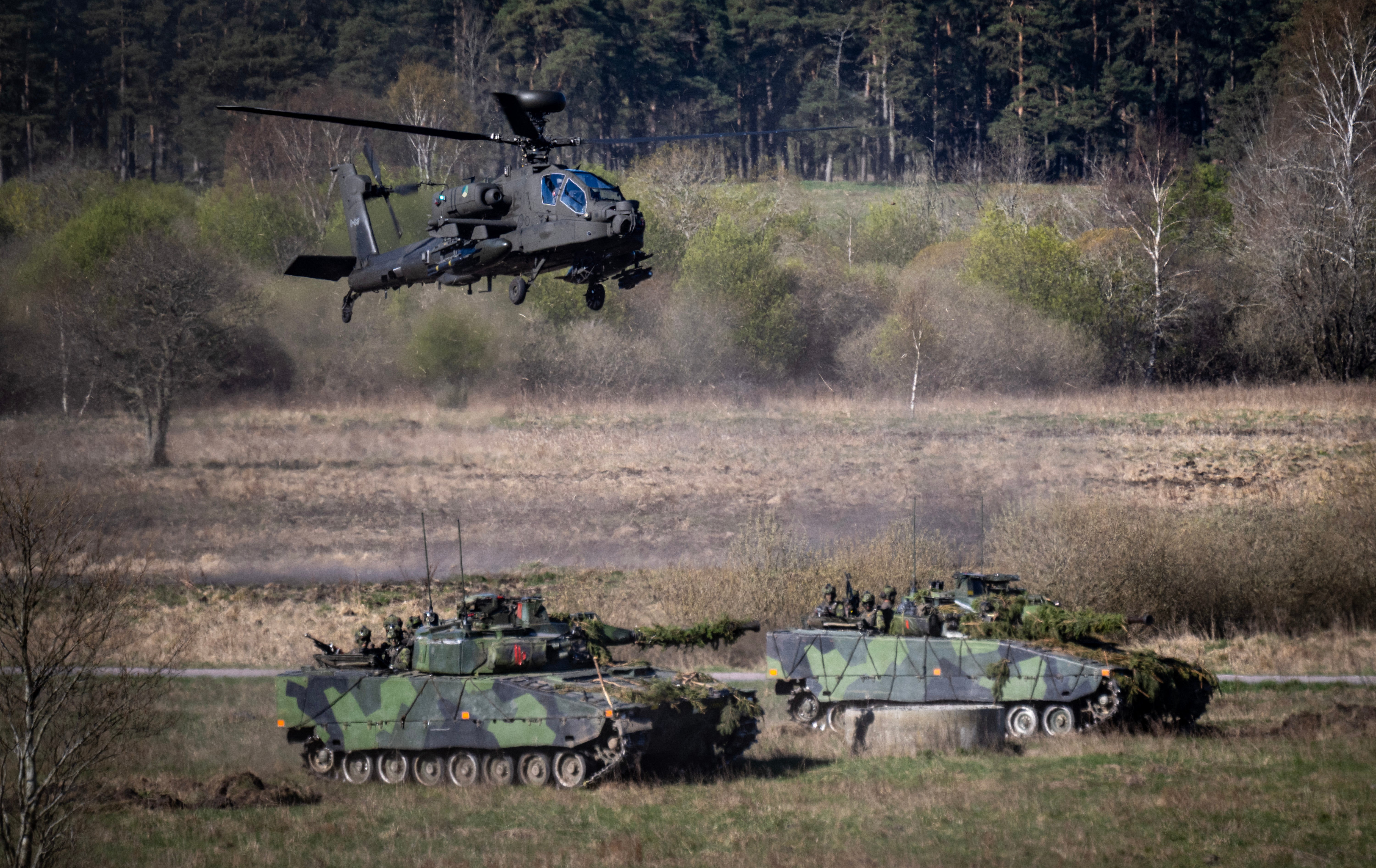
As the diplomatic tit-for-tat continues, Nato is about to launch a multinational military exercise in Europe - Sword 26 - which will involve 5,000 US personnel alongside 10,000 allies training for operations from the Baltic to the Black Sea.
Nato is run by the Supreme Allied Commander Europe, General Alexus G. Grynkewich. In March he told the US senate’s armed services committee: “Key posture locations in Europe preserve the President’s military options in crisis and enable the rapid deployment and sustainment of combat-credible forces.”
In short, he means “we need Nato”.
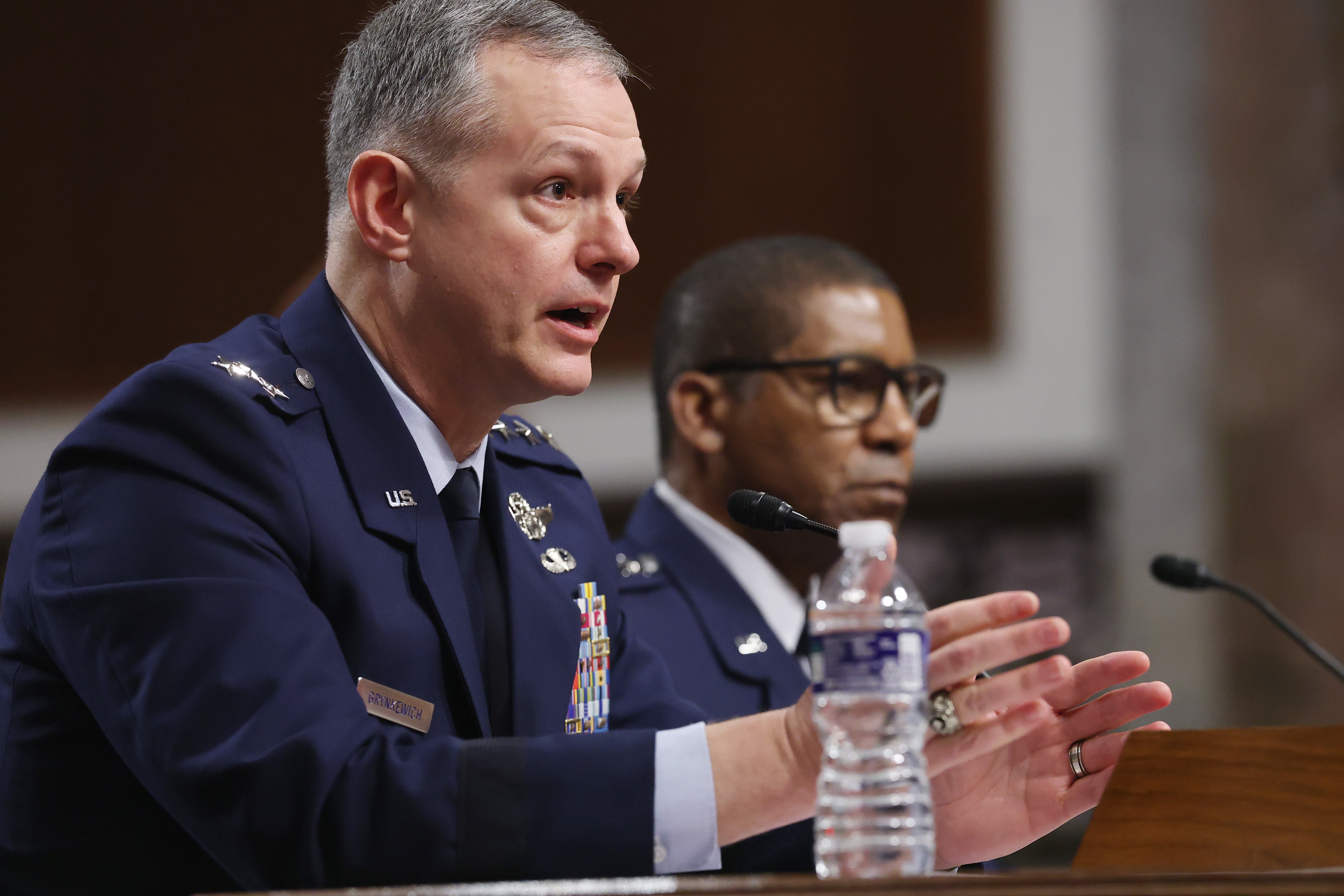 open image in gallery
And all members of the alliance, including Americans in uniform, are striving to hold it together so that it might survive the Trump administration.
The threats from Russia, both hybrid and old fashioned military, are immediate but an immediate response is only possible with American help.
The US president did not consult any Nato allies ahead of his attack, alongside Israel, on Iran but has been angered by their refusal to get involved.
The alliance is defensive and requires its members to take part in the joint defence of any nation that is attacked. It is not an offensive military organisation but that nuance has escaped Trump and his cabinet.
The US is essential to Europe’s defences.
US bases in Europe are also central to America’s ability to project hard power around the world. US operations in Iran may have been held back by allied reluctance to co-operate as fully as Trump wants - but that is not the only theatre where US troops do, or may, operate.
 open image in gallery
"The continued attacks on Nato allies are counterproductive, the comments hurt Americans," wrote Republican Representative Don Bacon on X on Thursday, following Trump's threat to cut troop levels in Germany.
"The two big airfields in Germany give us great access in three continents. We are shooting ourselves in our own feet."
The US controls its operations in Africa from bases in Europe. It has run its operations in Libya, Iraq and Syria from Europe. It cannot deploy troops to the roiling Sahel in north Africa without these bases that are part of Nato’s infrastructure.
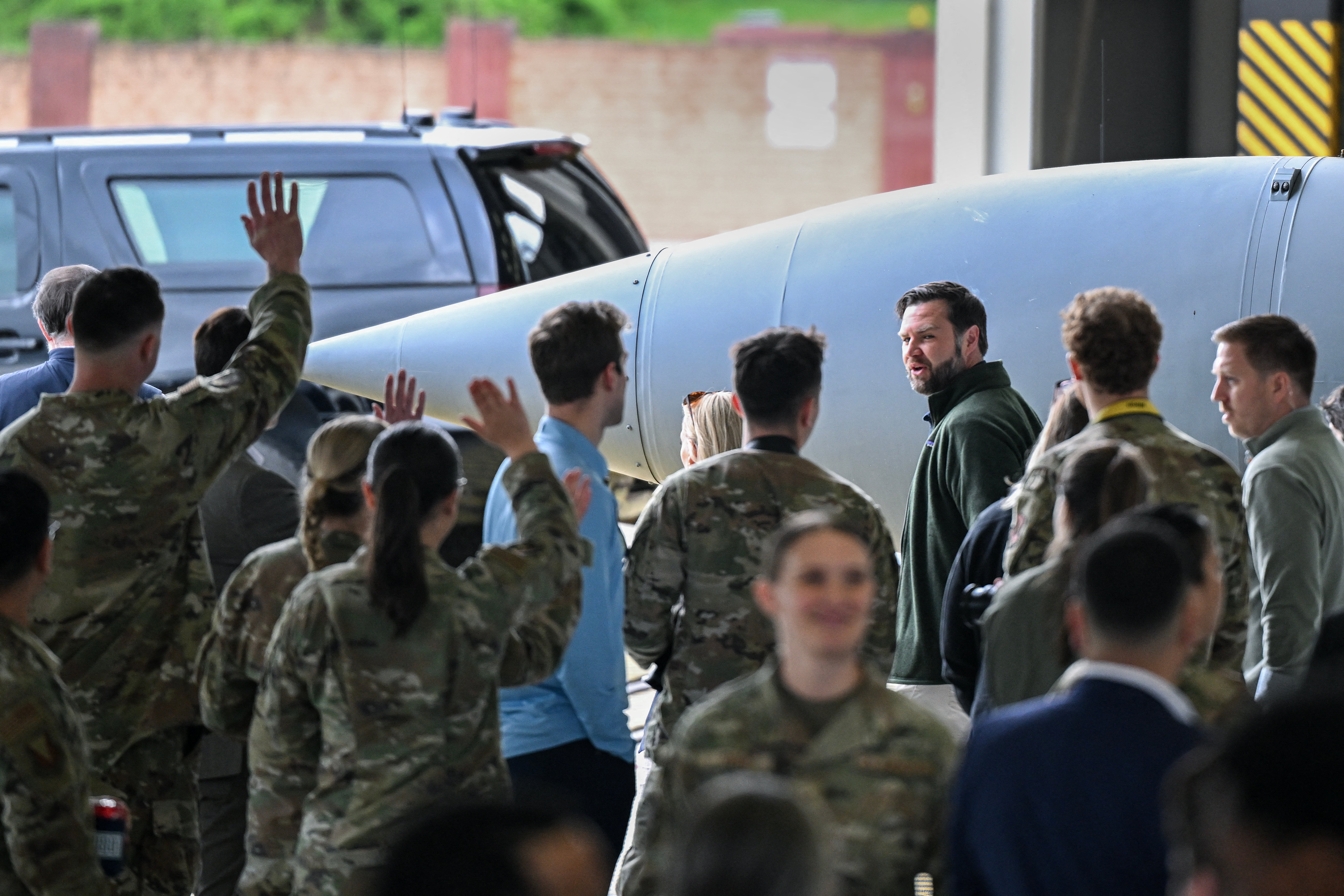
Up to 90,000 American troops are based in Europe. Most, around 35,000, are in Germany which is its main logistics and medical hub - especially at the Ramstein base.
The US Navy's Sixth Fleet is based in Naples. Close to 13,000 US personnel are based in army, navy and air force facilities there. Another 3,800 are based in Spain - a gateway for operations in Europe and beyond.
Trump has tried to threaten Spain with “expulsion” from Nato - which is not in his gift - and undermined British claims to the Falkland Islands.
And, of course, before the Iranian theatre was opened he had revealed he’d like to occupy Greenland, part of Denmark a Nato country, and threatened Canada, another key Nato member, with similar colonial ambitions.
 open image in gallery
Trump does not always make good on his threats. His critics say Trump Always Chickens Out, TACO. He claims his unpredictability is an advantage in dealing with countries like Iran.
But it is his shapeshifting that suits the rivals and enemies of the west the most.
His plasticine approach to Ukraine, where he has often taken Russia’s side in negotiations, has kept his allies off balance and empowered America’s long standing rival/enemy Russia.
Merz and others are taking a harder line on Trump that other allies, like the UK - who have deployed soft power in the form of King Charles - in an effort to mitigate his worst instincts.
Yet the challenge is that he reserves his greatest insults for his allies and rarely criticises America’s biggest threat, Russia.
Merz and others are trying to make him sit up and listen - but no western nation can now operate on the basis that he is not putty in Putin’s hands.
Join our commenting forum
Join thought-provoking conversations, follow other Independent readers and see their replies
CommentsСхожі новини

К частной ПВО присоединились 24 компании — Минобороны

Five Indian-origin men charged in Canada after $2 million worth of cannabis seized from trailer

Ждете особого момента? У меня есть для вас история
