From Japan to India, overtourism cries out for new success metrics


Arrival numbers are important, but the impact on local communities, public services and environments is too often overlooked
3-MIN READ3-MIN Listen
Can tourism be considered successful if arrivals increase, but the local communities – the very soul of the destination – feel strained and excluded? Too often, tourism success is measured in arrivals, occupancy and revenue. These numbers matter. But they tell only a fraction of the story.
We must ask: who is this success really for? Traditional growth metrics are no longer sufficient to protect the residents who host the world or the workers who power the experience. To prevent cultural heritage from being reduced to mere photo spots, we must rethink what success means and prioritise people over spreadsheets.
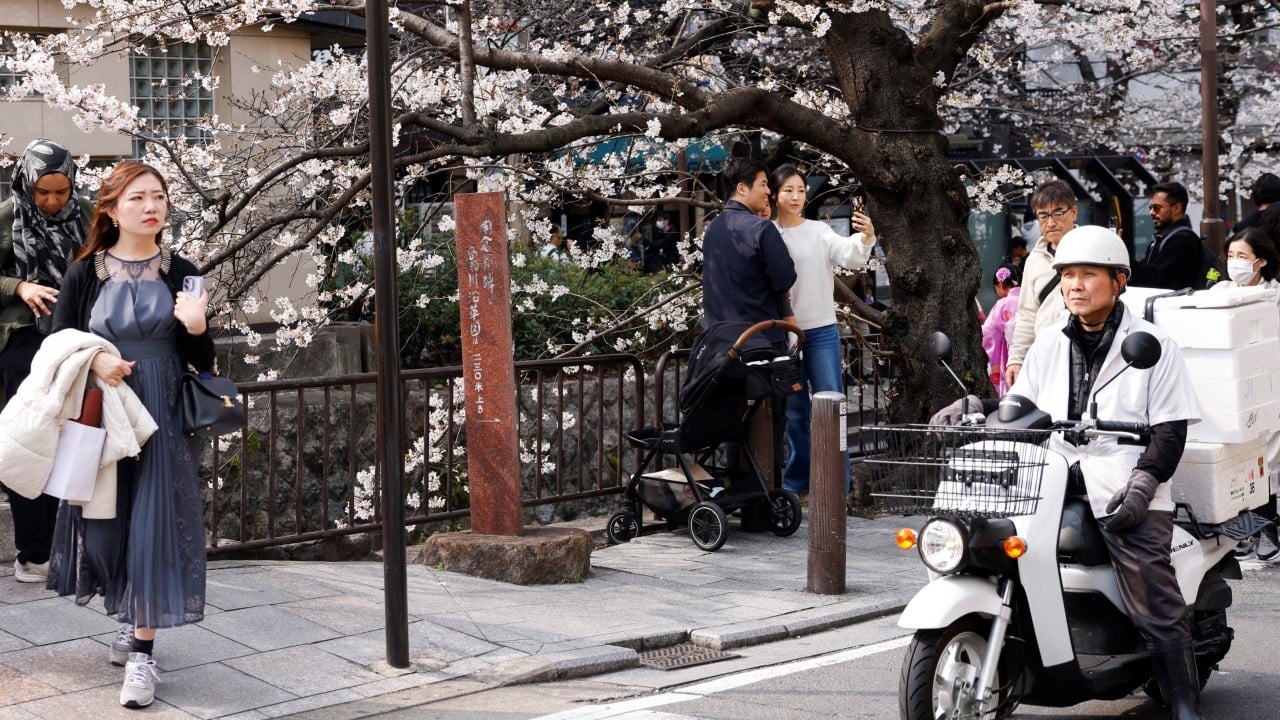
This tourism paradox has emerged as a challenge for major Asian economies, specifically Japan and India. The Japan National Tourism Organisation reported a surge to 42.7 million international visitors to the country in 2025. Consider Kyoto, for example. In 2024, the city recorded 8.21 million foreign hotel guests, a historic high and a 53.2 per cent increase from the previous year. For the first time ever, foreign visitors outnumbered domestic travellers, with 8.09 million Japanese guests over the same period.AdvertisementWhen visitors begin to outnumber locals in the spaces they live, cities and people risk transitioning from living cultural ecosystems to visitor-oriented economies. In Kyoto, narrow streets are no longer pathways for residents; they have become photo corridors for visitors. Quiet neighbourhoods devolve into backdrops for social media posts, and it is increasingly common to see residents directing angry looks towards tourists as local frustration reaches a breaking point.
Overtourism creates physical pressure on infrastructure and the environment. Stress is put on water systems as transport networks and streets become overcrowded. Then there is the social pressure, especially in terms of rising frustration among local residents. Traditions dating back to the Edo period risk being reduced to superficial cultural performances staged solely for profit, stripped of their original value and depth. In this landscape, we must ask: where are the locals?
AdvertisementAccording to India’s Ministry of Tourism, in 2024 alone, the country recorded 2.9 billion domestic tourist visits, marking a 17.51 per cent increase from the previous year. Foreign tourist visits reached 20.57 million, up by more than 8.8 per cent from 2023.

02:59
Japan’s famed ski paradise sees a jump in prices as tourists hit the slopes
Japan’s famed ski paradise sees a jump in prices as tourists hit the slopesAdvertisementSelect VoiceSelect Speed0.8x0.9x1.0x1.1x1.2x1.5x1.75x00:0000:001.00xСхожі новини

Масштаб, який важко уявити: яка частина маси Сонячної системи зосереджена в нашій зорі

Поховали у вирві від ракети, під двома вишнями: спогади про Сергія Кандибу з "Азовсталі", якого шукали 2 роки

Український гравець отримав різку критику після виступу в Ла Лізі
