Framework says DDR5 memory costs 'remain fairly stable' but 'on SSDs, the pricing story is unfortunately not as positive' as it raises prices again
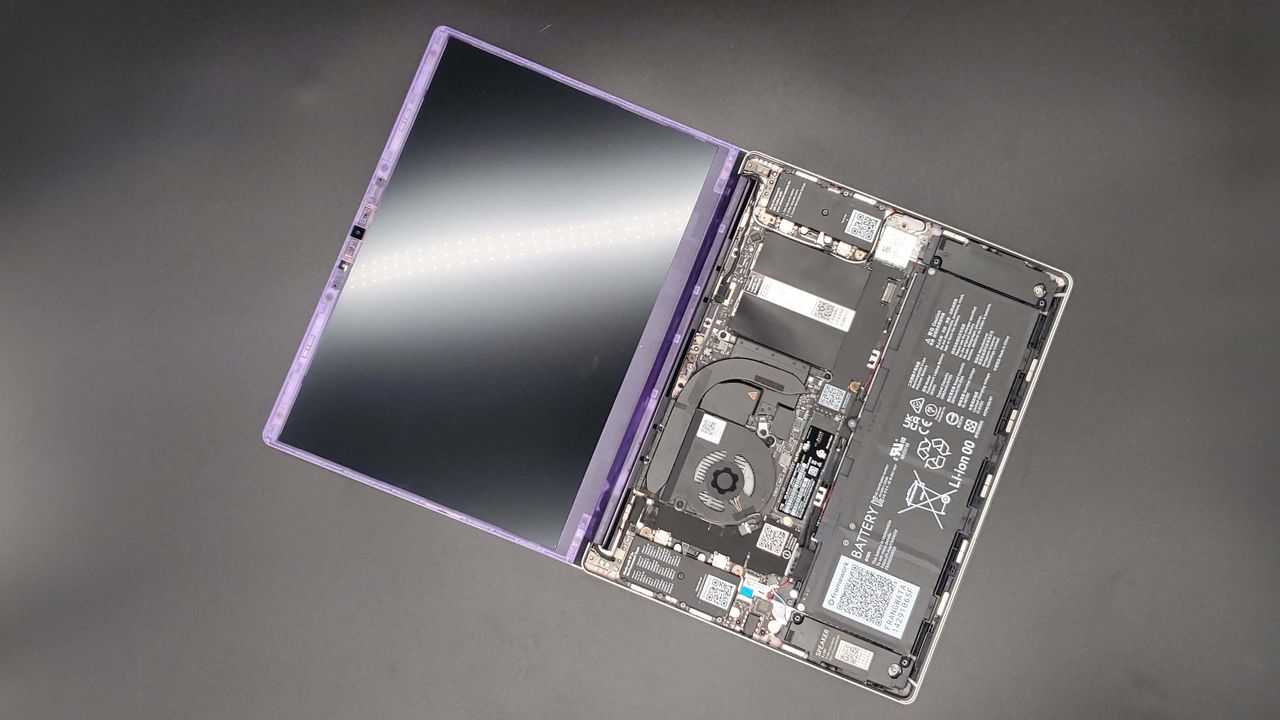
Modular laptop company Framework has some good news and some bad news. The good news is that memory costs from suppliers have reportedly remained steady over the past few months. The bad news is that it's all outta storage and has to buy new stuff at inflated prices.
"We’ve seen memory costs on DDR5 suppliers remain fairly stable over the last few months," Framework says in a regular blog post on the memory crisis. "We consumed the inventory of 8GB that we had brought in earlier at lower cost, and have had to adjust the pricing upwards to reflect the costs of newly sourced modules.
"As we have been through this memory crunch, we are only adjusting the pricing as much as is needed to cover increases in cost. For the other memory capacities, we’ve been able to hold the prices the same as last month."
Unfortunately, this has been countered by an increase in storage costs. The company says it has now nearly fully consumed its older inventory for most capacities and is in the process of buying new stock. Since this new stock is sold at a higher price by suppliers, thanks to the memory crisis and heaps more demand, it's looking to raise costs.
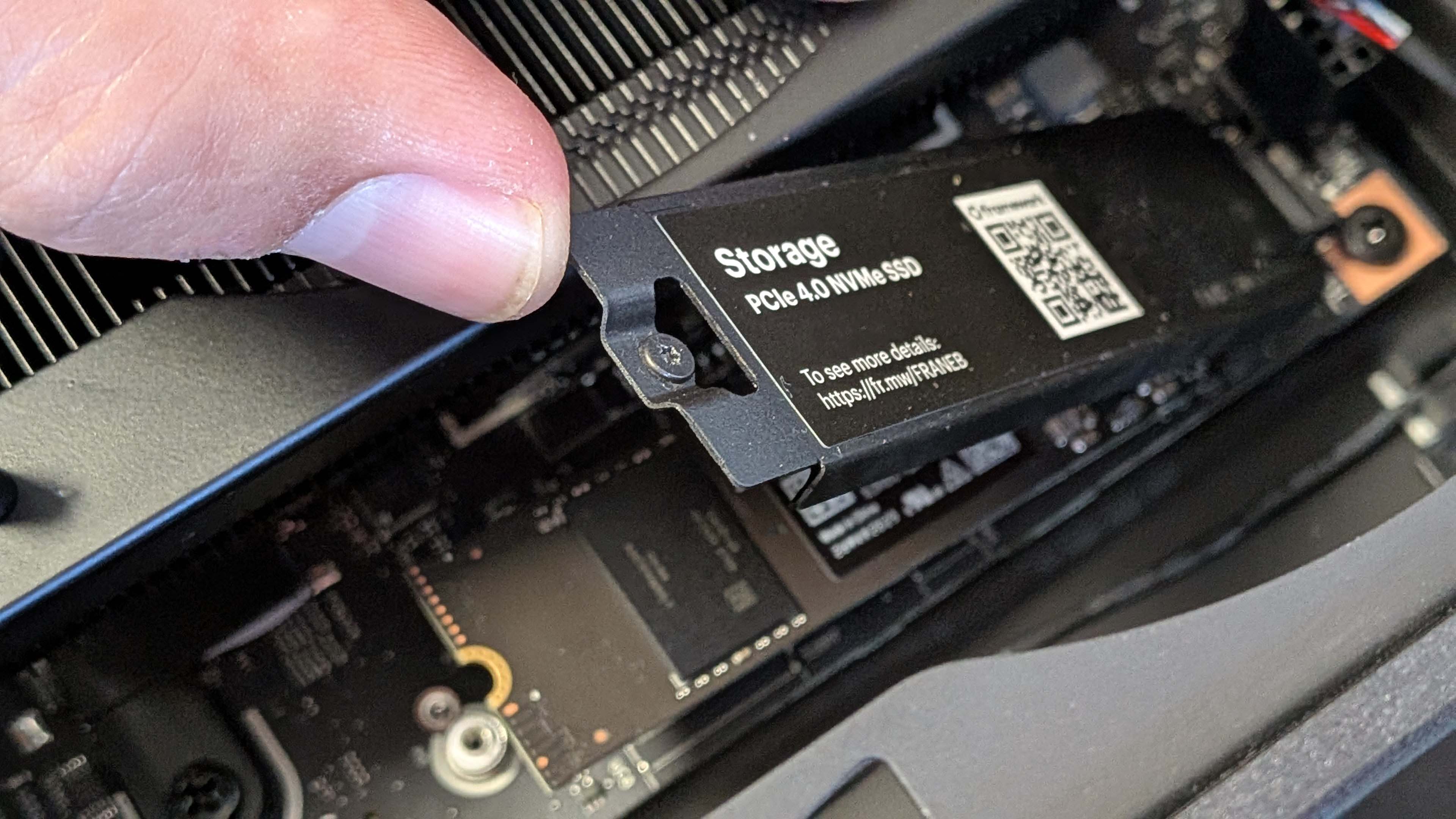
"On SSDs, the pricing story is unfortunately not as positive," Framework says. "Over the last few months, we’ve been able to keep our storage prices pretty substantially below market by selling modules we had in inventory from 2025. We’ve now consumed much of that inventory across a number of different module capacities and are starting to bring in new inventory at costs that are multiples of times higher."
Today, this means prices are a weighted average of both the new and old inventory—so a smaller increase—but Framework says next month it expects to have to increase them by the full margin.
Framework used to sell a DDR5-5600 SO-DIMM kit for $80. This is now $320.
The company is also sourcing SSDs from further afield. It used to rely solely on Sandisk, which makes some of the best SSDs for gaming in our estimations, but it's now buying from Adata and Phison as well. It says these are run through "extensive validation" to ensure they meet performance but there is sure to be some variance between controllers and NAND chips, depending on the models.
You've probably heard or been affected by the memory crisis now: increasing costs for memory and storage as a large quantity of these all-important chips are gobbled into the open maw of AI datacentres. For us gamers, that means higher prices at the checkout as anyone downstream of memory manufacturers wrestles with securing stock and paying more for it.
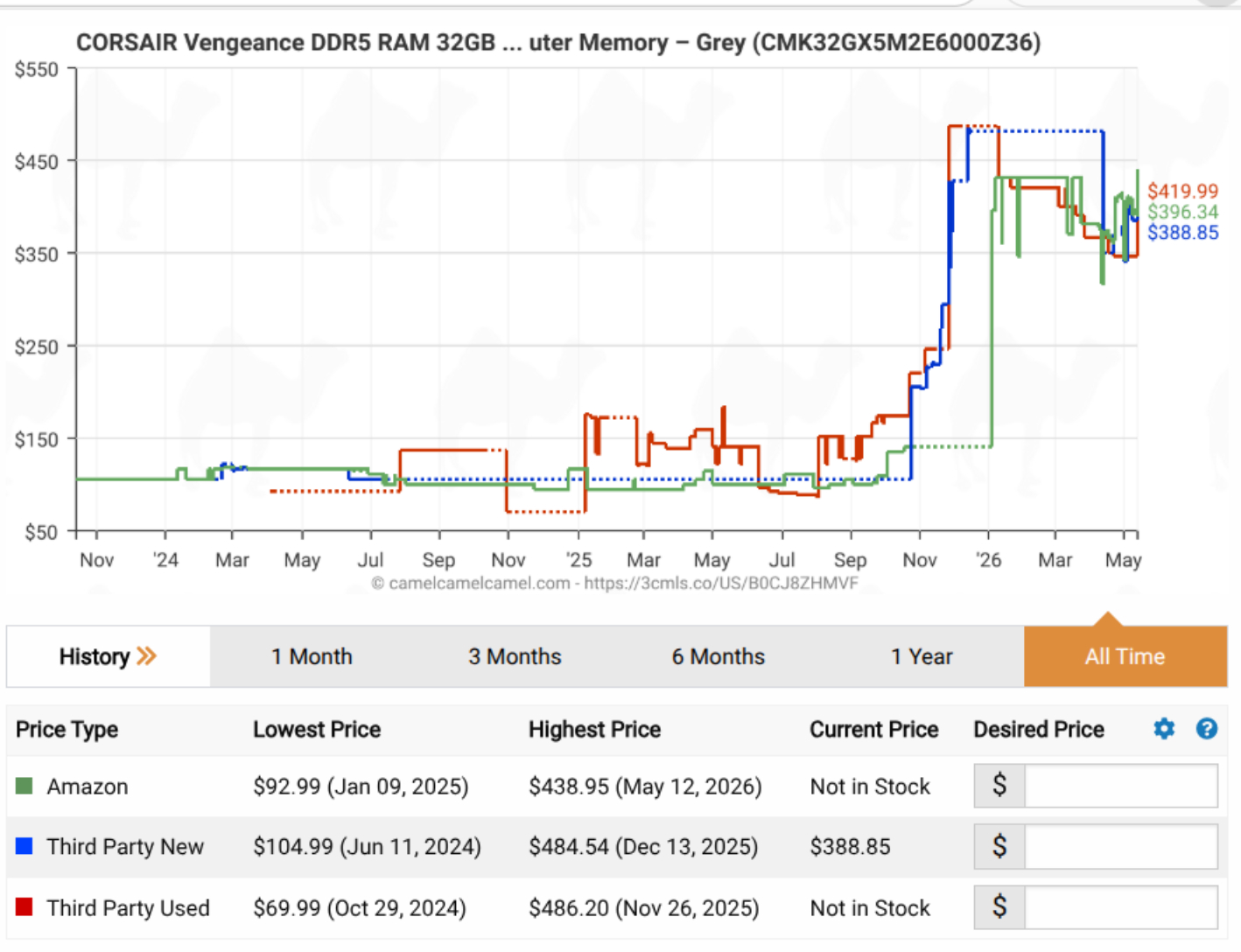
A 32 GB DDR5 kit can be anywhere from $300-$400 at the moment, marking a huge increase over where they were just six months ago. Then, you could pick up a kit for under $100 and not worry too much about the timings. Though we have also seen a slight levelling off in prices since the explosion at the end of last year: this Corsair Vengeance 32 GB DDR5 kit is pretty spiky and hasn't dropped in price but, similarly, has not increased much beyond the rapid four-fold increase we saw heading into the year. That's not much of a mercy, admittedly.
For memory companies, it's a huge win. Sandisk's share price is currently up 500% since the start of the year. SK hynix's has increased 191%. Micron's has shot up 143%. Unless something drastic happens with AI demand or otherwise reducing memory demand, we may see this continue for a long time. A sorry state of affairs.
Схожі новини
System Shock 2 Manager’s Latest Game Offers ‘The Most Choices’ Of Anything He’s Worked On

Sony’s Latest PS5 Exclusive Saros Isn’t Selling As Well As You’d Expect, Analyst Claims
McDonald's може повернутися в Харків: Синєгубов розповів про перемовини