FPGA dev claims the Neo Geo AES+ is "basically the MiSTer core" broken up into separate chips
Weekly digests, tales from the communities you love, and more
By submitting your information you agree to the Terms & Conditions and Privacy Policy and are aged 16 or over.You are now subscribed
Your newsletter sign-up was successful
Want to add more newsletters?
Join the club
Get full access to premium articles, exclusive features and a growing list of member rewards.
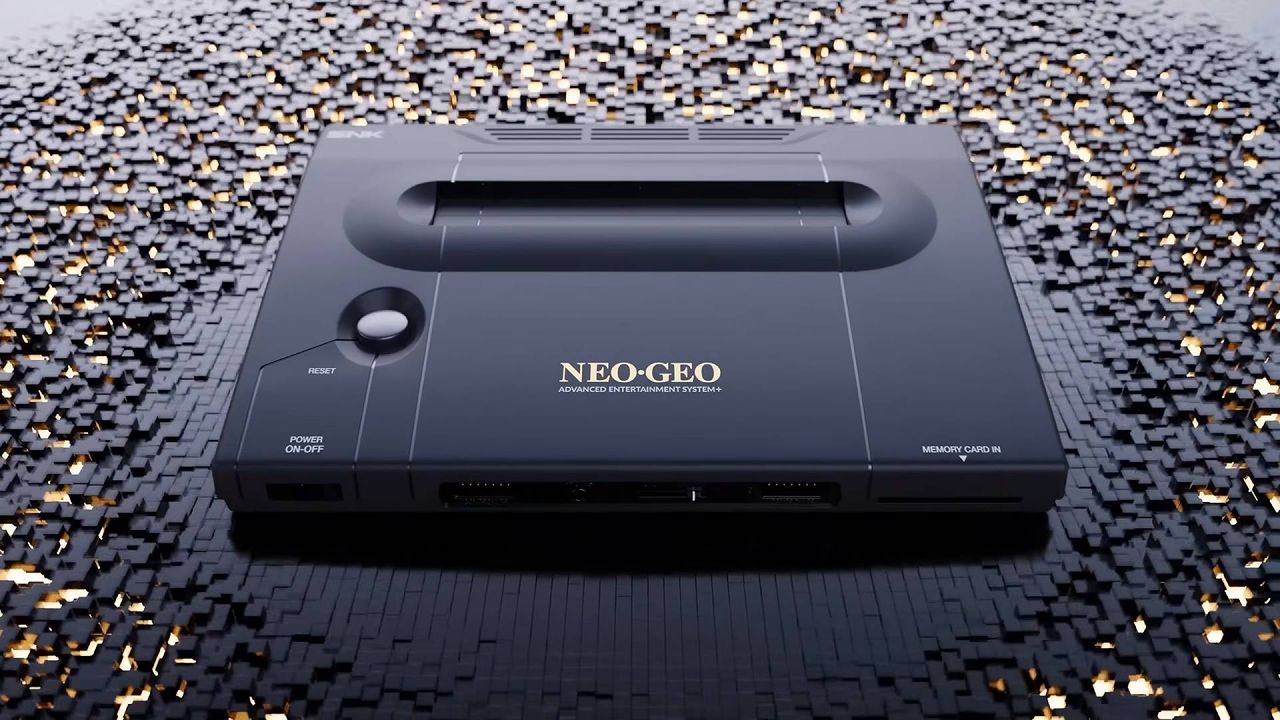
Explore An account already exists for this email address, please log in. Subscribe to our newsletterIt's no surprise that the Neo Geo AES+ is raising a few eyebrows, especially given its promise to recreate the retro console without using emulation or FPGA. However, it turns out the arcade system's ASIC chips are based on existing FPGA code, and one developer says Plaion is pulling a "bait and switch."
For context, the Neo Geo AES+ is set to replicate the board of the '90s console using ASICs (Application-Specific Integrated Circuit) programmed for one specific task. In this instance, the chips will be serving in place of SNK's original graphics chips that handle sprites, color pallets, and communication with other components like the CPU, but FPGA developer Pramod Somashekar believes Plaion is "basically the mister core" that's divided up into separate ICs.
Article continues belowNo, the opposite. That means this is basically the mister core, but instead of having the design on one FPGA you break it up into multiple ASICs. It's a bait and switch, especially afte the marketing page says otherwise.April 17, 2026
Yes, the debate over whether the Neo Geo AES+ is using tech close to the original hardware, or simply repackaging existing FPGA cores, is getting spicy. While Somashekar seems to subscribe to the latter, Furrtek, who is a renowned expert within the realm of Neo Geo reverse engineering, suggested Plaion's remake "has every chance of being the best since SNK themselves stopped manufacturing hardware," in a now-deleted Tweet.
Neo Geo AES+ pre-ordersStandard | $249.99 at Amazon
Anniversary| $349.99 at Amazon
That take was included in the original Time Extension report, with the FPGA developer adding, "Perfect, maybe not, but certainly with the ambition to do better than emulation, to honour the brand, and to respect the fans." In response to that article, Furrtek has also clarified that they meant it "offers more than what's already available" and says "a simple repackaging of MAME or the MiSTer core would be a bit sad."
Furrtek's reply helps quash the idea that the Neo Geo AES+ is just the existing MiSTer core split into separate chips. For more casual players, the argument will really sound like splitting hairs, especially since custom ASICs and FPGA share the same goal of authentically replicating the original retro console hardware with 100% accuracy. However, Somashekar makes the point that since the chips are "hard-wired", they can't be dynamically configured like Field Programmable Gate Arrays, meaning they can't be updated.
NEOGEO AES+ Announce Trailer [ENG-PEGI] - YouTube![NEOGEO AES+ Announce Trailer [ENG-PEGI] - YouTube](https://img.youtube.com/vi/U7J0whhwi0U/maxresdefault.jpg) Watch On
Watch On
I'll admit that the latter idea of bugs or issues being forever baked into the Neo Geo AES+ gives me the heebies. It's really the main reason you should even care about the remake not using the exact original hardware or an FPGA that can be patched, as it leaves room for mistakes that then can't be corrected. That fear is based on the assumption that Plaion won't end up engineering ASICs that act exactly like the original custom chips, and with experts like Jotego and Furrtek on board, I'm feeling optimistic.
Sign up to the GamesRadar+ NewsletterOn a related note, Commodore has signalled that it will block custom C64 Ultimate FPGA firmware in the future, which could hinder your DIY microcomputing plans.
Prefer to play on the go? Take a peek at the best retro handhelds for portables with emulation abilities.

Phil is the Hardware Editor at GamesRadar+ who specializes in retro console setups, choosing the latest gaming handhelds, and navigating the choppy seas of using modern-day PC hardware. In the past, they have covered everything from retro gaming history to the latest gaming news, in-depth features, and tech advice for publications like TechRadar, The Daily Star, the BBC, PCGamesN, and Den of Geek. In their spare time, they pour hours into fixing old consoles, modding Game Boys, exploring ways to get the most out of the Steam Deck, and blasting old CRT TV visuals into their eye sockets.
View MoreYou must confirm your public display name before commenting
Please logout and then login again, you will then be prompted to enter your display name.
Logout LATEST ARTICLES 1Just two weeks after raising the PS5 price, Sony drops Digital Editions back to $399
- 2Windrose's first mods add quality-of-life changes "for captains who'd rather be chasing horizons"
- 3Where does Stranger Things: Tales From '85 take place on the Stranger Things timeline?
- 4Assassin's Creed Black Flag Resynced footage leaks days ahead of its official reveal
- 5How to complete Fifteen men on a Dead Man’s chest mission in Windrose
Схожі новини
The misunderstood sex chromosome: how X affects your health
Durability key in school backpack sales in Japan
Germany news: Lufthansa scraps 20,000 flights