Four Western States Combine Forces To Kickstart A Geothermal Energy Revolution
 May 23, 20261 hour
Tina Casey
0 Comments
Support CleanTechnica's work through a Substack subscription or on Stripe.
May 23, 20261 hour
Tina Casey
0 Comments
Support CleanTechnica's work through a Substack subscription or on Stripe.
When US President Donald Trump introduced his fossil-friendly energy policy last year, wind and solar were the only resources to get the short end of the stick. The new policy also made room for hydropower, biomass, and geothermal energy, and now it’s off to the races. Four Western US states with copious geothermal potential — Arizona, Colorado, New Mexico, and Utah — have formed the Mountain West Geothermal Consortium, aiming to take the Trump administration up on the offer.
Why Geothermal?
Why, indeed. Throughout the energy history of the US, the ideal geothermal conditions for power generation — heat, rock, and water — have been concentrated in just a few scattered locations in the Pacific Northwest and other regions west of the Rocky Mountains, leaving the industry to claim just a pinhead-sized fraction of total installed generating capacity in the US, hovering around 1% or so.
A more competitive picture began to emerge in the early 2000’s, after geothermal innovators began tinkering around with new drilling techniques and other systems borrowed from the oil and gas industry. The new systems are designed to generate new efficiencies and create human-made geothermal conditions where nature has fallen short, opening up the potential to recover resources that would otherwise be uneconomical or impossible to pursue in broader swaths of the US.
This spells bad news for coal, oil, and gas producers, but some stakeholders in the oilfield services business are having a field day. With their knowledge base and technology transfer, they are now finding ripe new opportunities in the emerging fields of enhanced and advanced geothermal development.
Energy Secretary Chris Wright himself provides one such example of the melding of interests between oilfield services and geothermal development. He was tapped for his position in the Trump administration after enjoying a career in the oilfield services industry, most recently serving as CEO of the leading firm Liberty.
During Wright’s tenure at Liberty back in 2022, the company invested $10 million in an up-and-coming geothermal startup called Fervo Energy. Fervo has since gone on to attract interest from another leading fossil energy firm, Devon, among other investors.
The new Mountain West Geothermal Consortium also reflects the interest of the oil and gas services industry. The organization lists the well-known energy firm Halliburton among its advisors alongside Fervo and other up-and-coming geothermal stakeholders with connections to the oilfield services area.
How Much Geothermal Energy Are We Talking About?
The US Geological Survey has been deploying new underground mapping tools to assess the impact of new technologies on geothermal potential. In June of 2025 the agency announced that New Mexico alone is sitting on a 163-gigawatt gold mine of potentially recoverable resources.
In April of 2025, the think tank Center for Public Enterprise also ran the numbers and came up with a geothermal energy potential of 5,500 gigawatts for the US overall. With much of that located in Western states, the organization recommended establishing a new “Mountain West” consortium to fill the gaps needed get new geothermal technologies up and running at scale.
“The regional consortium can cooperate on surmounting the many barriers to growing the industry—including but not limited to outdated regulation, interconnection challenges, access to capital, development finance obstacles, and state and federal land utilization restrictions,” Public Enterprise explained.
Public Enterprise issued a roadmap that appears to have provided a template for the Mountain West Geothermal Consortium. The new Consortium has yet to put a specific number on the realistically recoverable resources among its members, except to state that geothermal energy potential among the four states runs into “hundreds” of gigawatts.
“There are hundreds of gigawatts of always-on, clean baseload energy underlying the Mountain West,” the Consortium emphasizes.
“We’ve learned how to harness it. Now it’s time to scale it,” they continue.
More Geothermal For The USA
The Consortium has already produced a series of research papers while it and focuses attention on planning and coordination. “The Consortium consists of state and state-chartered officials from Utah, Colorado, Arizona, and New Mexico with deep subject expertise and a stated role in the development and management of geothermal power in their states,” the Consortium explains.
That includes the governors of all four states along with experienced, state-based energy office personnel, environmental regulators, and financial officers responsible for administering public funds and attracting private investors.
“The Consortium routinely seeks input on interventions from a wide and open network of geothermal developers, investors, and offtakers involved in the market today,” the Consortium adds.
A quick look at the list of industry advisors provides some insights into the various technologies in play. Fervo, for example, began developing its enhanced geothermal system with a generous assist from the US Department of Energy.
“We employ precision directional drilling technology to drill horizontally in geothermal reservoirs,” the company explains. “This enables us to drill multiple wells from a single location, dramatically lowering our surface footprint and reducing drilling risks.”
“Horizontal drilling also facilitates greater access to geologies that were previously challenging to reach, increasing the total resource potential for geothermal energy,” Fervo adds. The company also deploys fiber optic cables and advanced data analytics.
The Utah startup Zanskar is another Consortium industry advisor to deploy advanced digital tools. In a press statement earlier this year, Zanskar co-founder and CEO Carl Hoiland explained how the company deploys AI to find previously undetected geothermal systems, and squeeze more energy out of them, too.
Fervo and Zanskar have previously surfaced on the CleanTechnica radar along with three other Consortium advisors, GreenFire Energy, Sage Geosystems, and XGS Energy.
Some in this group have also caught the eye of the US Air Force, which has long been on the prowl for secure, on-site energy resources. The Air Force was an early adopter of solar power, and now it has turned its attention to geothermal energy. After engaging with Sage and GreenFire among others, in March of 2025 the Air Force pre-qualified 11 geothermal firms to bid on contracts for itself and other branches of the Defense Department, covering facilities overseas as well as here in the US.
In addition to Sage and GreenFire the list includes Addis Energy, Baker Hughes (a GreenFire investor), EarthBridge Energy, Energy Systems Group/GE Vernova and partners, Power Planet, Inc., Quaise Energy, SLB Technology Corporation, TLS Geothermics, and XGS Energy.
For the record, the four member states of the Consortium are not the only ones sitting on a pile of geothermal riches. Last year, the US Geological Survey also assessed that Nevada alone could recover 135 gigawatts.
Hold on to your hats…
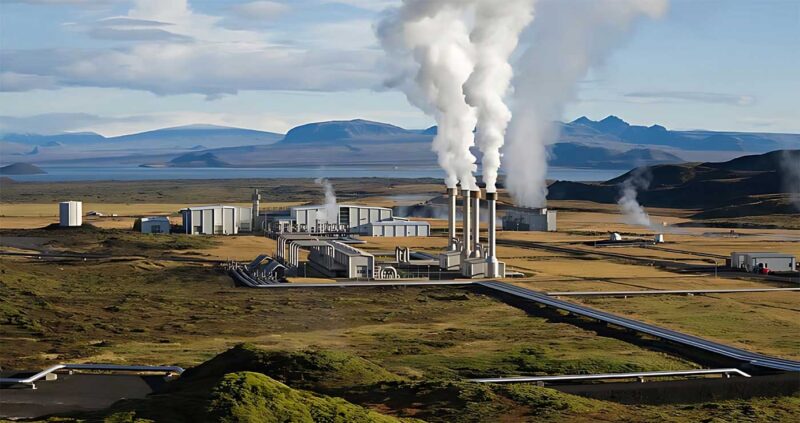
Image: Arizona, Colorado, New Mexico, and Utah have joined forces to tap into hundreds — yes, hundreds — of gigawatts in geothermal energy within their borders, leveraging new drilling technologies, AI, and other advanced systems (courtesy of GreenFire Energy).
Sign up for CleanTechnica's Weekly Substack for Zach and Scott's in-depth analyses and high level summaries, sign up for our daily newsletter, and follow us on Google News! Advertisement Have a tip for CleanTechnica? Want to advertise? Want to suggest a guest for our CleanTech Talk podcast? Contact us here. Sign up for our daily newsletter for 15 new cleantech stories a day. Or sign up for our weekly one on top stories of the week if daily is too frequent. CleanTechnica uses affiliate links. See our policy here.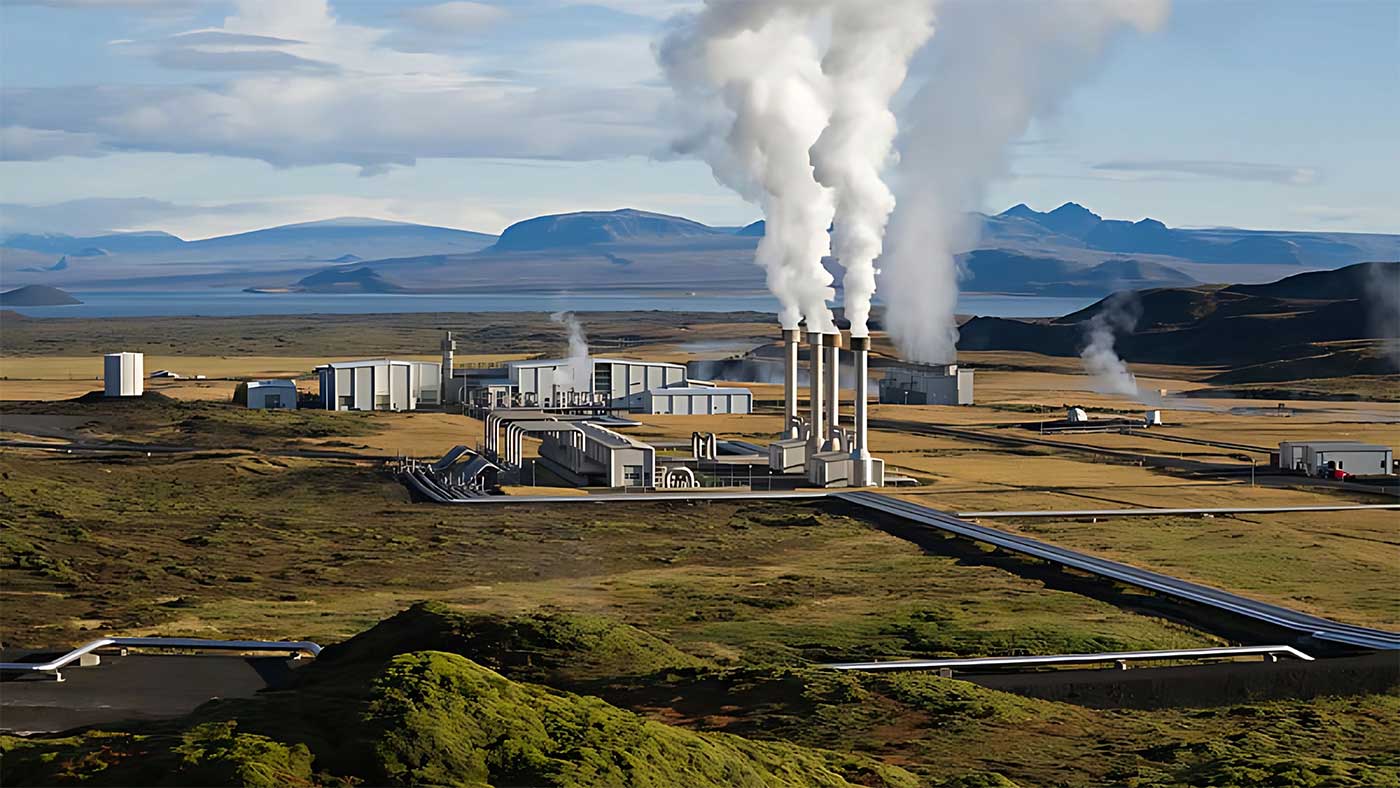
CleanTechnica's Comment Policy
Share this story!
Схожі новини
"Мандалорец и Грогу" собрал меньше всего за всю эру Disney Star Wars — но зрители в восторге
Delhi govt trials new air-cleaning technologies to tackle pollution
Мэр Нью-Йорка завел Twitch-канал — и первый стрим вышел совсем не об играх