Flying Tiger snapped up by Modella Capital amid fears for its future

UK private equity investor with reputation for hard-nosed restructuring says it is backing existing management
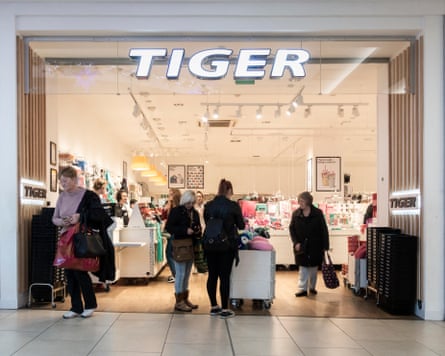
Flying Tiger is the latest retailer to be snapped up by Modella Capital, the British investment firm which already owns the former high street arm of WH Smith, now called TG Jones.
The Danish company, known for its cut-price homewares and craft kits, operates about 1,000 stores worldwide, including 80 in the UK, where it employs more than 1,000 people.
For the past year it has been controlled by its banks and management, which bought out the company in June.
The acquisition will be Modella’s first foray outside the UK, but is likely to raise fears about the future of Flying Tiger as the private equity firm, set up four years ago, has quickly gained a reputation for rapid and hard-nosed restructuring. It is asking creditors of TG Jones to approve a plan that could see up to 150 stores close, including up to 60 hosting Post Offices, with the loss of hundreds of jobs.
Two other high street retailers under Modella’s ownership, Claire’s and The Original Factory Shop, collapsed earlier this year with the loss of about 2,500 jobs. Hobbycraft, the specialist retailer Modella bought in 2024, has also closed at least nine stores through an insolvency procedure known as a company voluntary arrangement, which also reduces rents on some outlets.
Modella is backing Flying Tiger’s existing management team along with their strategy, which includes global expansion via more than 700 new franchise stores by 2030.
Joseph Price, the managing director of Modella, said: “Flying Tiger Copenhagen is a hugely exciting opportunity for Modella Capital. With its strong retail brand, and a unique product offering that has built a loyal customer base across more than 40 countries, Flying Tiger Copenhagen is a business with tremendous potential. We are pleased to be investing in its future, and we look forward to working closely with the management team to provide the stability, capital and retail expertise the business needs to fulfil its growth plan.”
John Dueholm, the chair of Flying Tiger Copenhagen, said: “Flying Tiger Copenhagen has made strong progress in recent years. Throughout the process, we have been focused on finding the right long-term owner for the business, and we believe Modella Capital is very well placed as the new majority shareholder to support the company’s continued development.”
Sales at Flying Tiger’s UK business rose 22% to £70.1m in 2024, according to Companies House filings, resulting in pre-tax profits of £2.6m. However, its debts amounted to more than £35m.
Since then, cut-price retailers have come under further pressure from inflation on the cost of goods and on business rates, labour and energy bills, while households have reined in spending on non-essentials. There is also heavy competition from retailers such as B&M, Home Bargains and Savers, as well as toy specialists such as Miniso and The Entertainer.
Poundland closed 149 stores with the loss of 2,200 jobs earlier this year, the major player Wilko collapsed in 2023 and now has only a few stores after The Range snapped up the brand, while the Dutch rival Hema, which first traded in the UK in 2014, closed its last stores in the country in 2021.
Ten years ago, Zebra, Flying Tiger’s Copenhagen-based parent company, was opening one or two shops a week around the world, including in the US. The first UK store opened in Basingstoke, Hampshire, in 2005 but the brand’s roots go back to the 1980s, when the founders, Lennart and Suz Lajboschitz, began selling umbrellas at a market in Copenhagen.
The management buyout last year was backed by Nordea and Danske Bank.
Explore more on these topicsShareReuse this contentСхожі новини
Meta запровадила платні функції для Meta AI: ціни стартують від $7,99
Salesforce shares sink on soft revenue outlook as AI disruption concerns linger