First China, now South Korea: why Asian powers are turning to commercial Arctic shipping
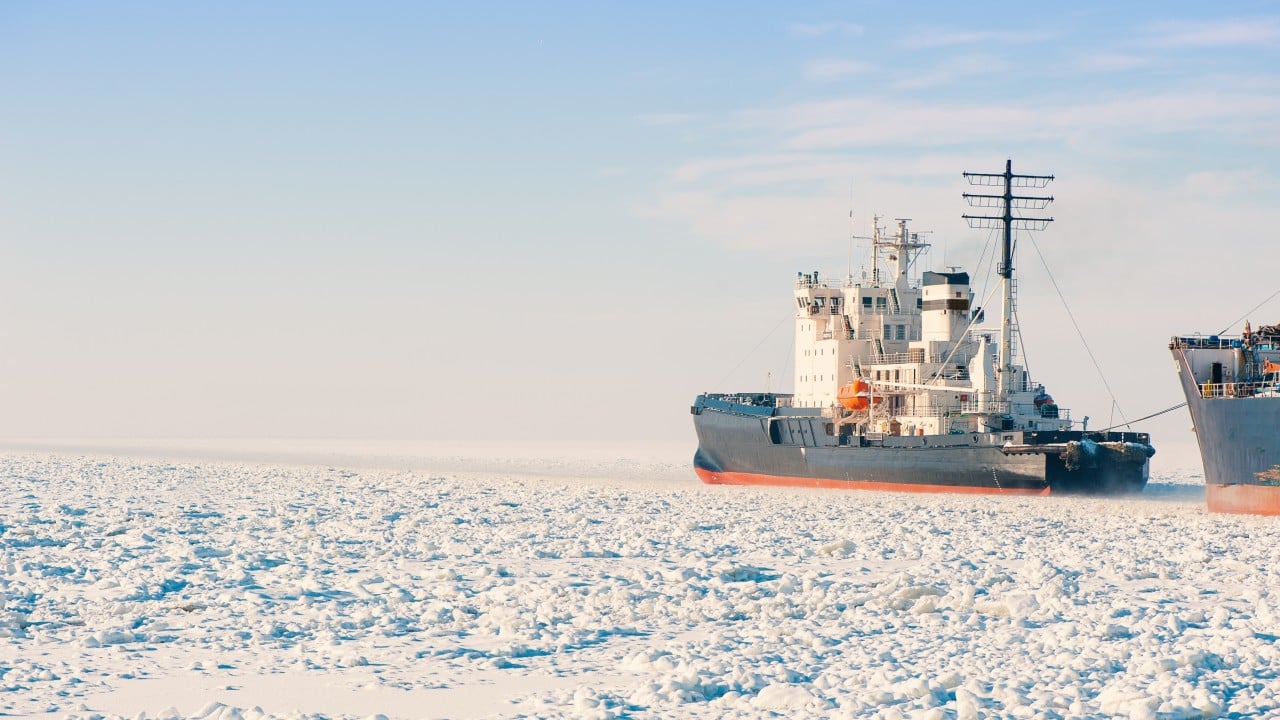
Passage through the waters could reduce transit times to Europe, offering an alternative to traditional routes amid rising geopolitical risks
2-MIN READ2-MIN Listen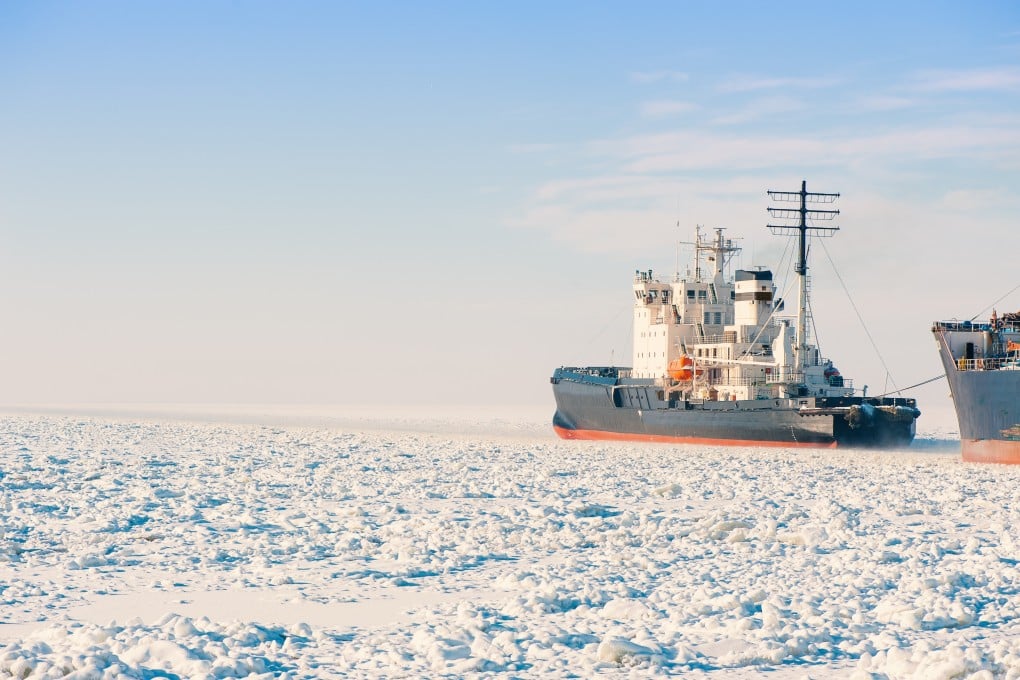
South Korea aimed to open a regular route through the waters by 2030, following a trial voyage set to debut later this year, according to a broader maritime development plan released on Tuesday by Seoul’s Ministry of Oceans and Fisheries.
“To prepare for the Arctic shipping era approaching after 2030, we will phase in the opening of the route according to long-term national strategies,” the ministry said, adding that a trial service between Busan and Rotterdam would launch in the second half of this year.
AdvertisementSeoul would also expand its national icebreaker fleet, train polar experts and strengthen international cooperation, it said.
The move would make South Korea only the second major Asian nation after China to explicitly develop the Arctic route as a commercial link to Europe.AdvertisementChinese carrier Sea Legend Line launched its China-Europe Arctic container express route last October, sending a vessel from Ningbo to the UK’s Port of Felixstowe. The planned 18-day journey stretched to 20 days after a storm in the Norwegian Sea, yet it still held a significant advantage over the roughly 25 days required by the China-Europe Railway Express, the 40-day journey through the Suez Canal and the 50-day route around the Cape of Good Hope.AdvertisementSelect VoiceSelect Speed0.8x0.9x1.0x1.1x1.2x1.5x1.75x00:0000:001.00xСхожі новини

Meta launches paid plus subscription plans for WhatsApp, Insta and Facebook: Details here

Arsenal Thobe for Eid? Zohran Mamdani goes viral in bold football-themed outfit at Eid al-Adha celebration