Final Fantasy 7 Rebirth director says RPGs like Clair Obscur: Expedition 33 "may have been inevitable" as new players favor real-time games over turn-based
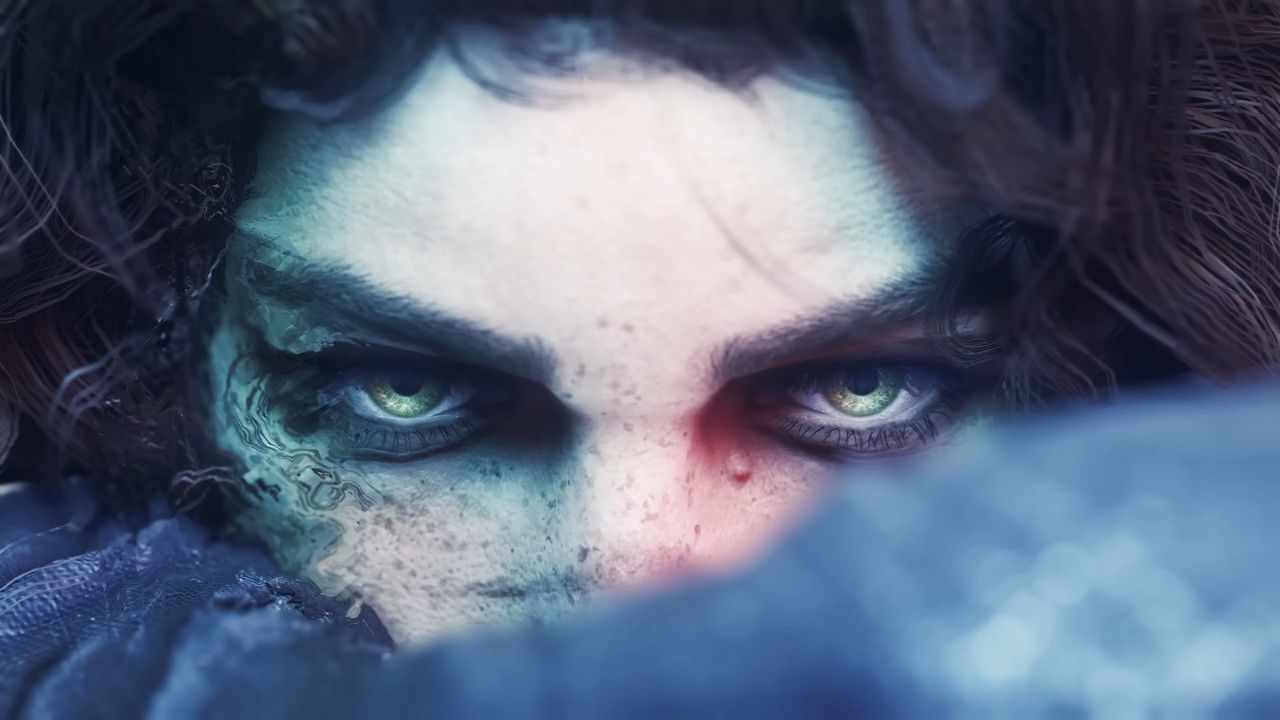
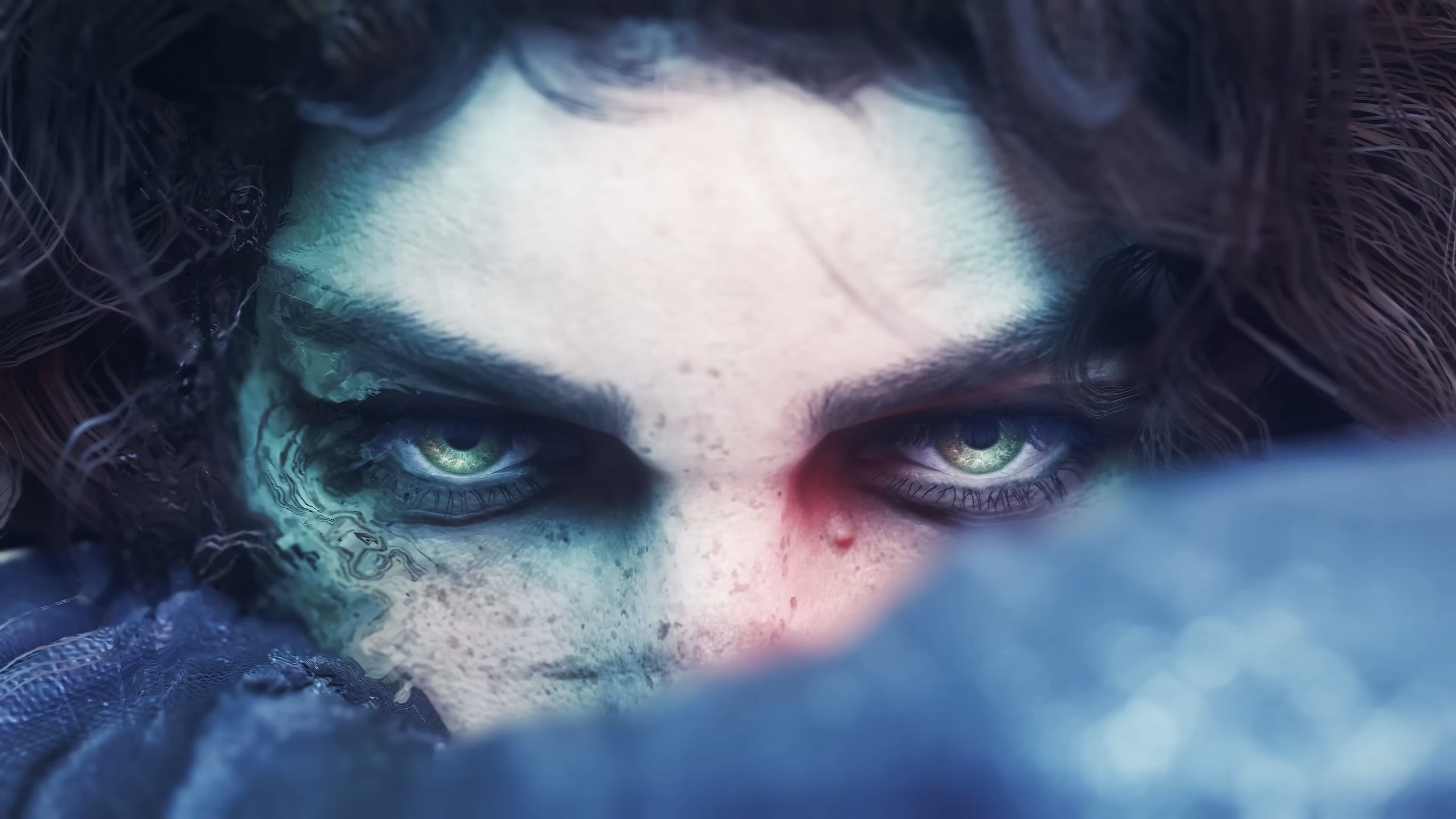
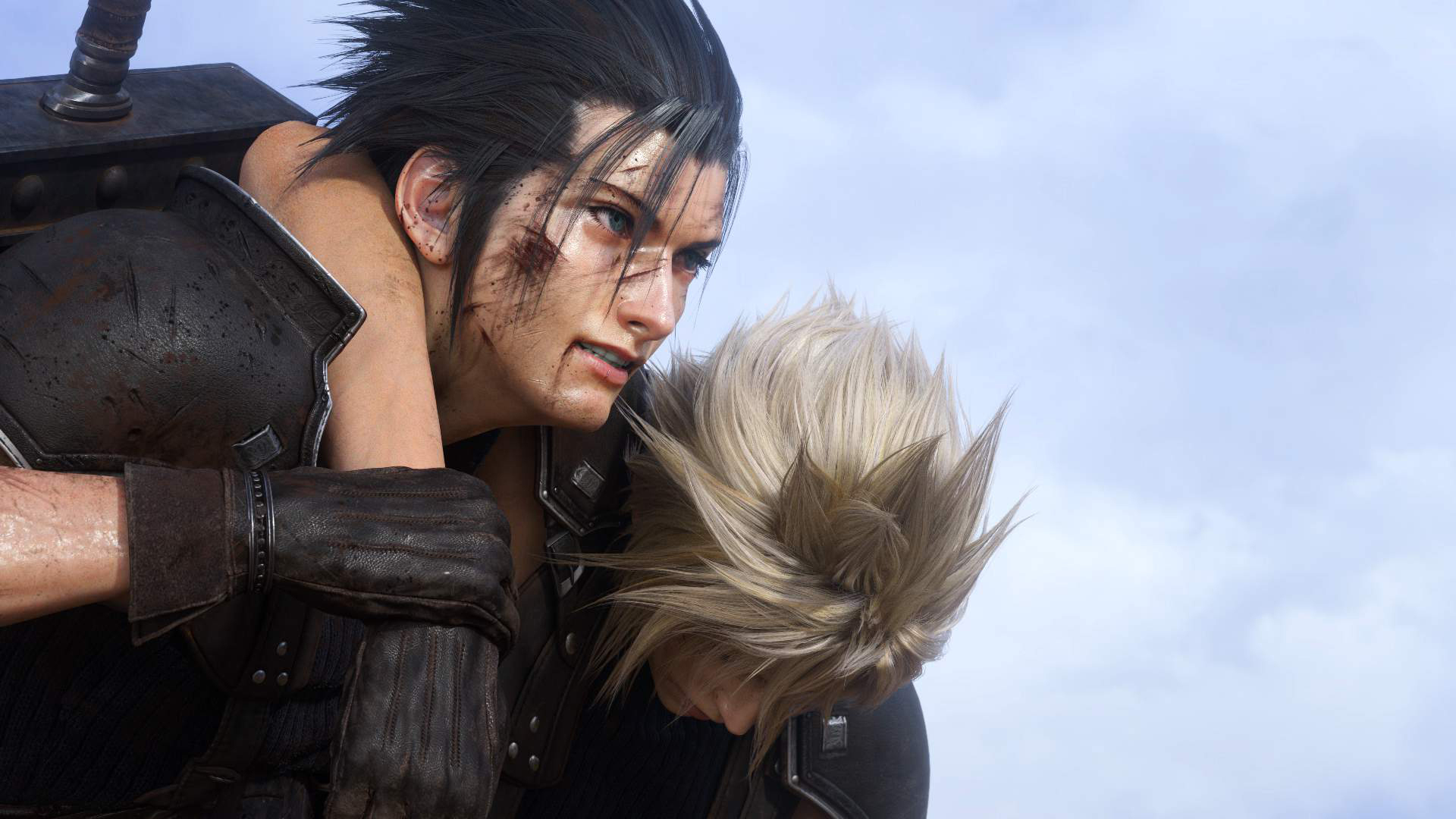
Clair Obscur: Expedition 33 found commercial and critical acclaim for many reasons, but the heart of Sandfall Interactive's French RPG is a turn-based combat system that mixes in real-time elements like parrying enemy attacks and timing combo inputs. Final Fantasy 7 Rebirth and Remake director Naoki Hamaguchi reasons that such a hybrid of turn-based and action elements may have been "inevitable" as pure turn-based RPGs lost ground to action with younger, newer generations of gamers.
Speaking with Game Informer in an excellent reflection on turn-based combat, Hamaguchi, who's now helmed two massive JRPGs that largely pivoted to action combat, notes that action games have become more mainstream. As a result, he says "RPGs and JRPGs are increasingly brought up as legacy genres." However, he also stresses the strengths of turn-based games.
Latest Videos From
Without calling out Clair Obscur: Expedition 33 by name – and it's certainly not the first or only hybrid RPG of its kind, though it's the most topical and visible example – Hamaguchi adds, "At the same time, it's also true that when we look at younger players, they increasingly favor more real-time experiences in games. I believe they're a generation that's naturally accustomed to receiving instant feedback upon input.
You could also connect this shift in audience appetite to an understated element of turn-based RPGs: UI and UX, or how games feel to navigate and interact with, as well as how combat is applied. Modern games aren't as clunky as older games in general, but a few specific evolutions stand out for turn-based games.
Atlus' games provide two helpful examples here. Metaphor: ReFantazio iterates on an out-of-combat system that lets you instantly kill weak enemies with one attack to avoid tedious and superfluous fights – almost an inverse of the random encounters common in older turn-based games. Meanwhile, Persona 5 won praise for menus that feel responsive, interactive, and stylish even when you're technically just thumbing through options, making combat feel more alive through the power of presentation.
Sign up to the GamesRadar+ NewsletterAdditionally, I would point to the popularity of Honkai: Star Rail, a turn-based gacha game from Genshin Impact maker HoYoverse. It lets you charge and use ultimate abilities during enemy turns for potentially fight-altering effects, adding a little reactivity to combat.
Getting combat to pop visually, and saving time wherever possible, are recurring trends among games that use turn-based systems. I don't think those design changes were formulated as a direct response to a rise in action game fans, but it doesn't feel like a coincidence either.
Metaphor: ReFantazio lead battle planner Kenichi Goto, who discussed turn-based theorycrafting and game balance with us last year, even says elsewhere in Game Informer's story that the intent with the one-hit system was not to make the game more action-based. Previously, he explained that an early version of the system actually went too far and broke the whole game by obscuring the turn-based focus.

Final Fantasy 7 Remake and Rebirth worked to retain some strategic elements of the original game while skewing toward the kind of action combat also seen in the likes of Final Fantasy 15 and 16. However, Hamaguchi reiterates that future Final Fantasy games won't necessarily use the same system, or even an action system at all. It's just that "when something works well, we constantly think about ways we can carry those elements into our next title."
With Remake especially, he says, "We were concerned that shifting to a full action-based RPG would reduce the room for strategic thinking and the momentary tension of choosing commands that were present in the original game."
Of course, we know where he and Square Enix ended up. The Final Fantasy 7 remake trilogy is an action RPG experience first and foremost. But this trilogy, and other games adapting combat systems, shouldn't be read as the final say on where RPGs are headed. Rather, Hamaguchi sees this "as a directional shift in our attention and discourse towards RPGs coinciding with this current moment in time, rather than a sudden shift in RPGs themselves."
Our picks for the 10 best turn-based RPGs to play in 2026.
CATEGORIES
Austin has been a game journalist for 12 years, having freelanced for the likes of PC Gamer, Eurogamer, IGN, Sports Illustrated, and more while finishing his journalism degree. He's been with GamesRadar+ since 2019. They've yet to realize his position is a cover for his career-spanning Destiny column, and he's kept the ruse going with a lot of news and the occasional feature, all while playing as many roguelikes as possible.
View MoreYou must confirm your public display name before commenting
Please logout and then login again, you will then be prompted to enter your display name.
Logout LATEST ARTICLES 1Ex-Mass Effect lead isn't using AI on his new Star Wars RPG: "I'm just really unimpressed with it"
- 2Fans are loving this RPG combining D&D, Studio Ghibli, and Final Fantasy, and it's back with a full campaign
- 3Ian McKellen says he always wanted a "good speech" in X-Men, but that comic book movie speeches are limited to "pow!"
- 4Crimson Desert dev Pearl Abyss wants to "accelerate development" on Pokemon-like MMO DokeV
- 5Scuf launches new Omega PS5 controller, and would you look at its adorable little ears
Схожі новини

Не потрібно платити понад 100 гривень: смачні шпроти в олії можна приготувати вдома

Євробачення-2026 стартувало: текстова трансляція першого півфіналу

Через вигуки з зали: виступ Ізраїлю на Євробаченні-2026 ледь не зірвали