'Feuding tech bros' go head to head in legal showdown. But what does it mean for the future of AI?
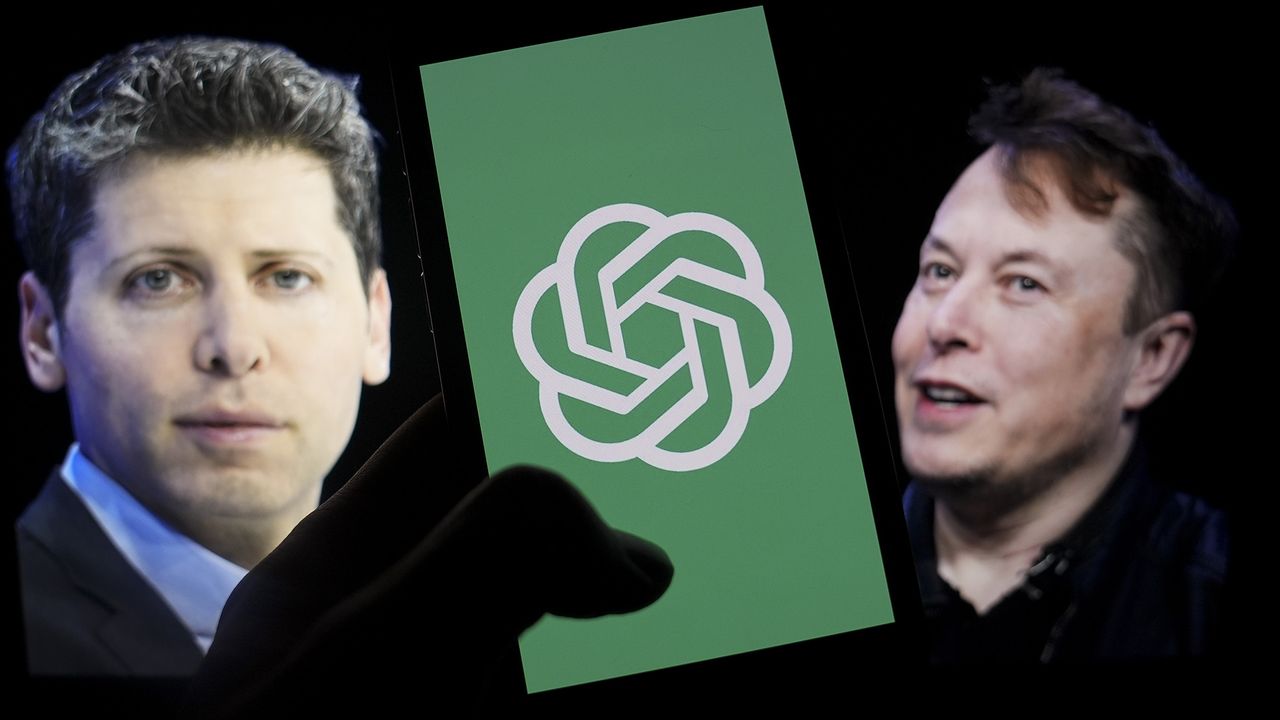
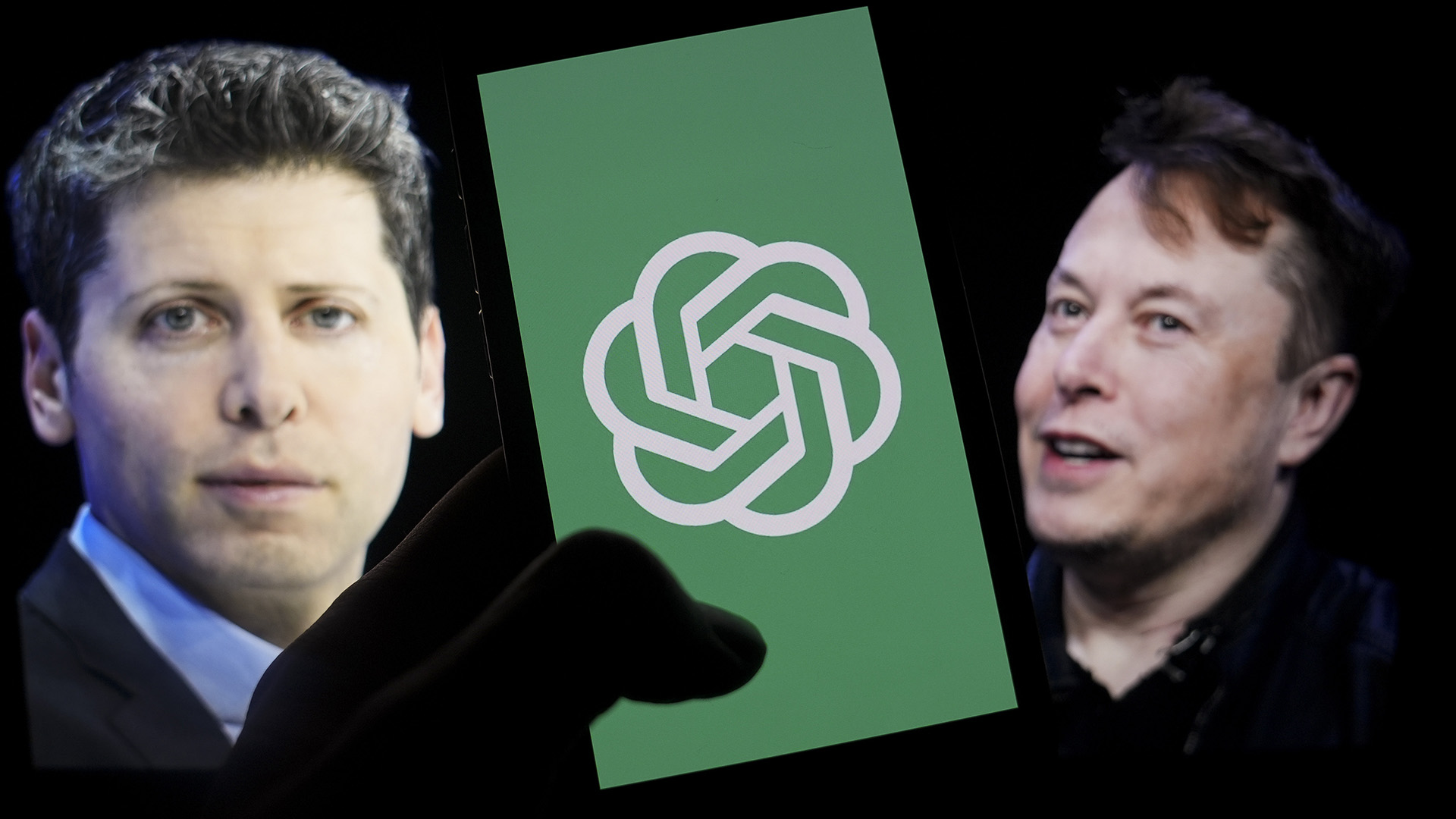
There was a time when Elon Musk and Sam Altman were friends. But the two tech billionaires are now embroiled in a bitter legal battle in the United States that could reshape not just OpenAI, the artificial intelligence (AI) firm behind ChatGPT they cofounded in 2015, but also the future of the technology more broadly.
Launched by Musk in 2024, the lawsuit is the culmination of a years-long feud that centers on the evolution of OpenAI from a non-profit to a for-profit enterprise.
The case and the cast
The lawsuit pits Musk against Altman, OpenAI president Greg Brockman, OpenAI itself, and Microsoft, the AI firm's largest backer.
Musk cofounded and helped fund OpenAI to the tune of about US$44 million. By his own account from the witness stand this week, he "came up with the idea, the name, recruited the key people, taught them everything I know, provided all of the initial funding".
Brockman served as technical cofounder; Altman became chief executive in 2019. Their alliance with Musk fractured as the organization grew. Musk departed the board in 2018. He says he was pushed out.
However, OpenAI says he walked when denied majority control. Musk subsequently launched his own rival AI venture, xAI, which is now part of SpaceX.
Sign up for the Live Science daily newsletter nowWhat Musk is alleging
As part of the lawsuit, Musk is alleging breach of contract, breach of fiduciary duty, false advertising and unfair business practices.
His core claim is that Altman and Brockman induced him to donate on the understanding that any artificial general intelligence – or AGI – built at OpenAI would stay "open" and shared with humanity.
Musk's lawsuit against OpenAI explores different narratives about how the company was founded.
Instead, Musk argues, the founders turned the charity into a "wealth machine". They did this in two stages. First, via a 2019 capped-profit subsidiary. Here, OpenAI's for-profit unit limited the returns, with the excess handed back to the nonprofit. Second, through a full restructure into a public benefit corporation, which is now valued at roughly US$852 billion.
Musk's lawyers told jurors Altman and Brockman "stole a charity, full stop". Outside court, Musk has been throwing insults at his opponents, prompting the judge to threaten a gag order.
OpenAI flatly rejects Musk's narrative. As its lead counsel, William Savitt, told jurors:
We are here because Mr. Musk didn't get his way with OpenAI.
The company alleges, as described in two pre-trial blog posts, that Musk himself proposed merging OpenAI with Tesla in 2017 and walked away when denied majority control.
The lawsuit, OpenAI says, is "motivated by jealousy" and designed to damage a competitor.
A company under pressure
The trial arrives at a precarious moment for OpenAI.
The New Yorker magazine recently published an investigation describing Altman as a "pathological liar". The investigation drew on an internal dossier compiled by OpenAI's former chief scientist Ilya Sutskever which alleged a "consistent pattern of lying" to the company's board.
Altman called the piece "incendiary" but acknowledged "a bunch of mistakes". Musk has been amplifying the article to his X followers throughout the trial.
Financially, OpenAI is bleeding.
Internal projections point to roughly US$14 billion in losses for 2026 alone, with cumulative losses expected to top US$44 billion before any profit materializes.
Shortly before the trial began, OpenAI quietly shut down Sora, its flagship video-generation model.
Before closing, it burned around US$1 million a day in computing costs. The closure took down a US$1 billion Disney partnership with it.
Even a fresh US$122 billion fundraise from Amazon, Nvidia and SoftBank has not eased the pressure.
What Musk wants
Musk wants the jury to unwind OpenAI's for-profit conversion, remove Altman from the nonprofit board, and strip both Altman and Brockman of their roles in the for-profit entity.
He is also demanding US$130 billion in damages from OpenAI — for what his team calls "ill-gotten gains".
He has accused Microsoft of "aiding and abetting" and argues it is liable for a share.
His legal team argues OpenAI's existing models already constitute AGI, because they have surpassed human intelligence in many tasks. Under the founding agreement, AGI could not be commercially licensed. This would include the licence currently used by Microsoft for CoPilot.
Elon Musk wants more than $130 billion in damages from Sam Altman. #ElonMusk #SamAltman #BBCNews - YouTube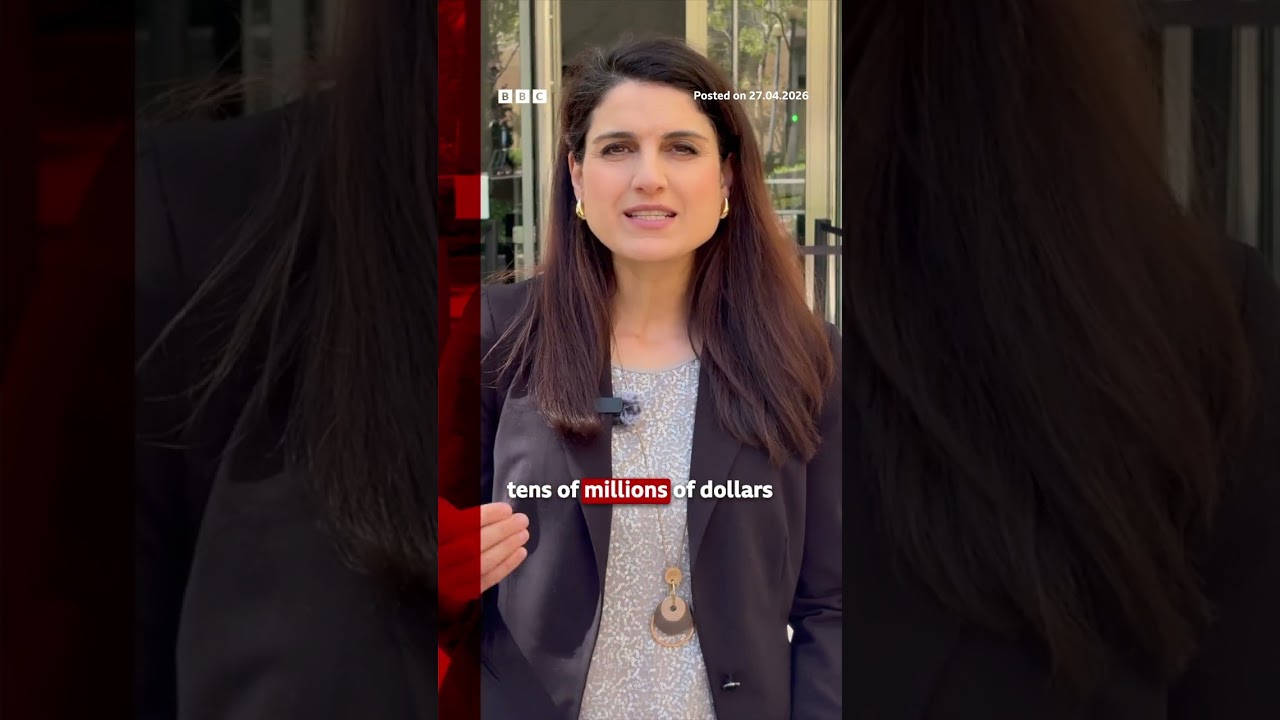 Watch On
What's at stake
If Musk wins, the consequences would be significant.
OpenAI's planned initial public offering would almost certainly be derailed. This is expected in late 2026 at a US$1 trillion valuation. Investors in the recent funding round could face clawbacks.
Altman, the public face of the AI boom, could be removed from the company he has led since 2019. The broader question of whether AI labs founded as charities can lawfully pivot into commercial enterprises would be settled, at least in California. This has potential implications for Anthropic and other mission-driven peers.
Related stories
- Google AI breakthrough means chatbots use six times less memory during conversations without compromising performance
- AI may accelerate scientific progress — but here's why it can't replace human scientists
- New AI image generator runs using 10 times fewer steps than today's best models — and it's coming to smartphones and laptops
Even a defeat for Musk would not end the controversy.
The trial has already pried open Silicon Valley's normally sealed boardrooms, surfacing diaries, Slack threads and HR memos that paint an unflattering portrait of OpenAI's governance.
The case crystallizes a wider public anxiety: an incredibly powerful technology is being built and controlled by a tiny number of feuding tech bros. And it's the rest of us who have to live with the consequences.
This edited article is republished from The Conversation under a Creative Commons license. Read the original article.
TOPICS
Dr Rob Nicholls is a senior research associate in media and communications at the University of Sydney. His research interests focus on the intersection of regulation and technology. Rob has had a forty-year career concentrating on competition, regulation and governance. His first degree was in electronics and communications engineering from the University of Birmingham and he was awarded his PhD and MA by UNSW Sydney. Before moving to academia, he worked for Webb Henderson, the ACCC and spent twelve years as a client-facing consultant at Gilbert + Tobin, including as a partner. Rob is an accredited mediator.
View MoreYou must confirm your public display name before commenting
Please logout and then login again, you will then be prompted to enter your display name.
LogoutСхожі новини

Трактор на швидкості протаранив будинок: невідомі в балаклавах втекли на авто
Frontier Airlines plane hits person on runway during takeoff at Denver airport
Man critically injured after car hits pedestrians in Nottinghamshire town