Exxon Mobil and Chevron earnings fall as Iran war disrupts oil shipments
Surging oil prices due to the Iran war did not result in a windfall for Exxon Mobil and Chevron in the first quarter.
The two biggest U.S. oil companies reported profits on Friday that fell dramatically compared with the same period last year. Exxon's net income declined 45%, while Chevron's tumbled 36%.
Shares of Exxon and Chevron were little changed premarket after they both beat Wall Street's earnings estimates.
Oil prices had been depressed during the first two months of the year as the market anticipated a surplus, but suddenly spiked after the U.S. and Israel attacked Iran on Feb. 28. Prices have surged 57% as the war has caused the largest oil supply disruption in history.
Exxon said its Middle East production will fall by 750,000 barrels per day compared with 2025 if the Strait of Hormuz is closed for the entire second quarter. Its throughput to refiners will fall by 3%, the company said.
CEO Darren Woods told CNBC that about 15% of Exxon's production is impacted by the war. It will take up to two months for oil flows to ramp up once the strait reopens, Woods said. It also takes about a month for barrels shipped from the Persian Gulf to reach their customers, he said.
Here's how Exxon and Chevron did compared with what Wall Street was expecting, based on a survey of analysts by LSEG:
Exxon redeployed about 13 million barrels to the markets that need it most during the war, Woods said. But this action had a negative accounting impact on Exxon's first-quarter earnings, the CEO said.
Exxon's trading division put financial hedges in place to lock in the profit from those barrels. But the value of the shipments were not counted in the quarter because they were still on the way to their destinations.
This means the hedges were not offset by the proceeds from deliveries, resulting in a loss of about $4 billion in the quarter due to what Exxon called a "timing effect." The impact is temporary and the hedges will result in a net profit in subsequent quarters after the products are delivered, Exxon said.
"You get this deferred profit," Woods said. "We wanted to make sure that our investors understood that the work that we're actually doing to meet the demands today are resulting in benefit not necessarily booked in the quarter."
Exxon also took a $700 million hit on closed hedges that were not offset by physical deliveries due to the Middle East disruption.
As a result, Exxon posted net income of $4.2 billion, or $1.00 per share, down from $7.7 billion or $1.76 per share last year. Excluding the negative timing effects and the other items, it earned $8.8 billion, or $2.09 per share. Removing the $700 million hit, Exxon earned $1.16 per share.
Chevron is less exposed to the war than its peers, CEO Mike Wirth said. It has operations in Saudi Arabia, Kuwait and Israel but they are small compared with Chevron's big positions in North and South America, Asia and Africa, he said.
"The impact that we feel from the events in the Middle East on our company is relatively less than others," Wirth told CNBC in an interview.
Chevron posted a profit of $2.2 billion, or $1.11 per share, in the quarter down from $3.5 billion, or $2 per share, one year ago. Though less exposed to thewar, it did book a $2.9 billion charge related to its financial hedges.
After adjustments, Chevron earned $1.41 per share to beat Wall Street's consensus estimate of 95 cents. It was the biggest earnings beat since October 2020.
Exxon's refiners were particularly hard hit, posting a loss of $1.26 billion due to the timing effects on financial hedges not offset by physical deliveries. Excluding those effects, its refiners posted a profit of $2.8 billion, a more than 200% increase over $856 million in last year's quarter.
Chevron's refiners swung to a loss of $817 million compared with a profit of $325 million in last year's quarter, due to the lower margins, the timing effects on financial hedges and higher transportation costs.
Exxon's production segment posted a profit of $5.74 billion, down 15% from $6.76 billion in the same period last year. It pumped 4.6 million barrels per day in the quarter, a slight increase over last year's quarter.
Chevron's production segment posted profit of $3.9 billion, a modest 4% increase over $3.8 billion in the year-ago period. It produced about 3.9 million bpd, a 15% increase over 3.4 million bpd last year's quarter.
Схожі новини

Rozetka отримає 25 млн євро кредиту від ЄБРР на розвиток в Україні та Польщі
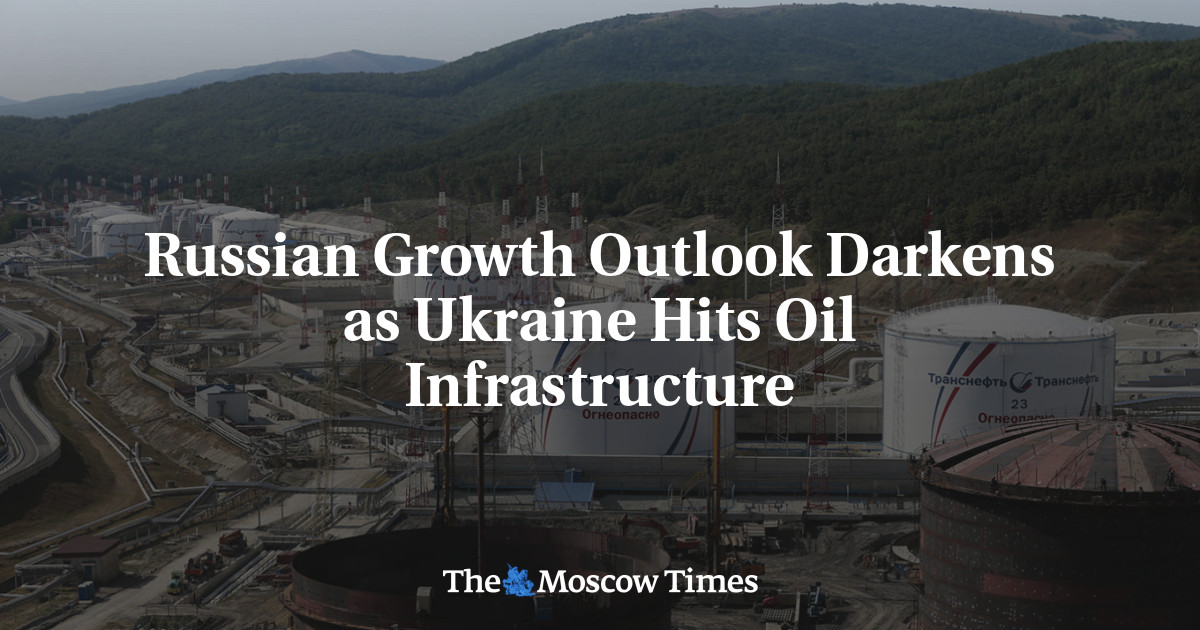
Russian Growth Outlook Darkens as Ukraine Hits Oil Infrastructure
