Everything you need to know about Stranger Than Heaven, the half-century-spanning Yakuza series prequel
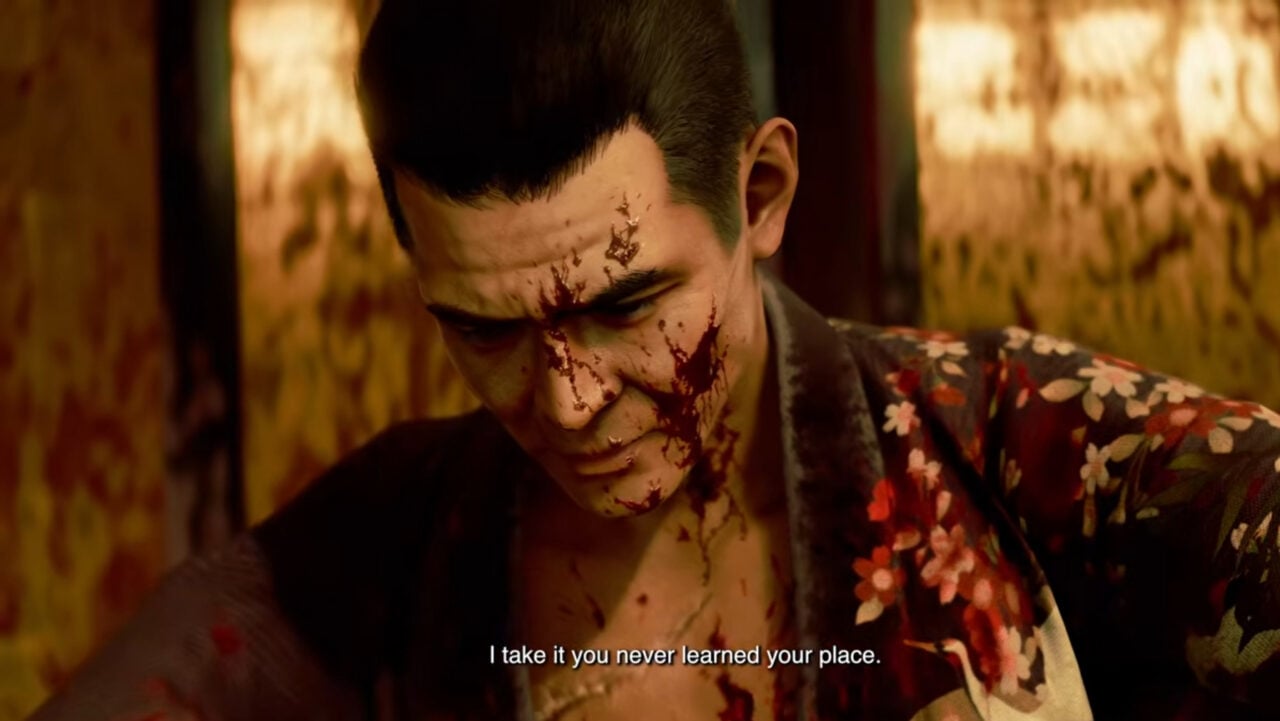
The next big crime drama game from RGG Studio is called Stranger Than Heaven. It's a single-protagonist historical epic spanning the first half of the 1900s, following main characters Makoto and Yu as they rise in power as showmen and gangsters through mid-century Japan. That explains the codename from prior to its reveal: Project Century (well, project half-century, maybe). RGG has pulled in all sorts of famous faces from Snoop Dogg to Dean Fujioka to take on central roles in a story with all the melodramatic tear-jerking for found family and brotherhood that the series is known for.
The name "Yakuza 0" already got used for the series prequel set in the '80s, but Stranger Than Heaven preceeds even that. It's the origin story of the Tojo Clan—the Yakuza series central analog to real Japanese crime families—and its fictional founder Makoto. The story follows Makoto for 50 years as he leaves behind his mixed heritage in America, becoming a notorious gang member and showman in Japan alongside his good friend Yu Shinjo. Makoto fights to carve out a place "for people with nowhere else to go," which is the kind of underdog criminal with a heart of gold story that the series has always been built on.
Is there a Stranger Than Heaven release date?
The Stranger Than Heaven release date will be "this winter," says RGG Studio head Masayoshi Yokoyama. I'm assuming that means it launches before the end of 2026, but publishers can be a bit tricksy sometimes and reveal, say, a February release date down the line. For now though, we'll trust it's coming this year.
Stranger Than Heaven Characters
Stranger Than Heaven main characters
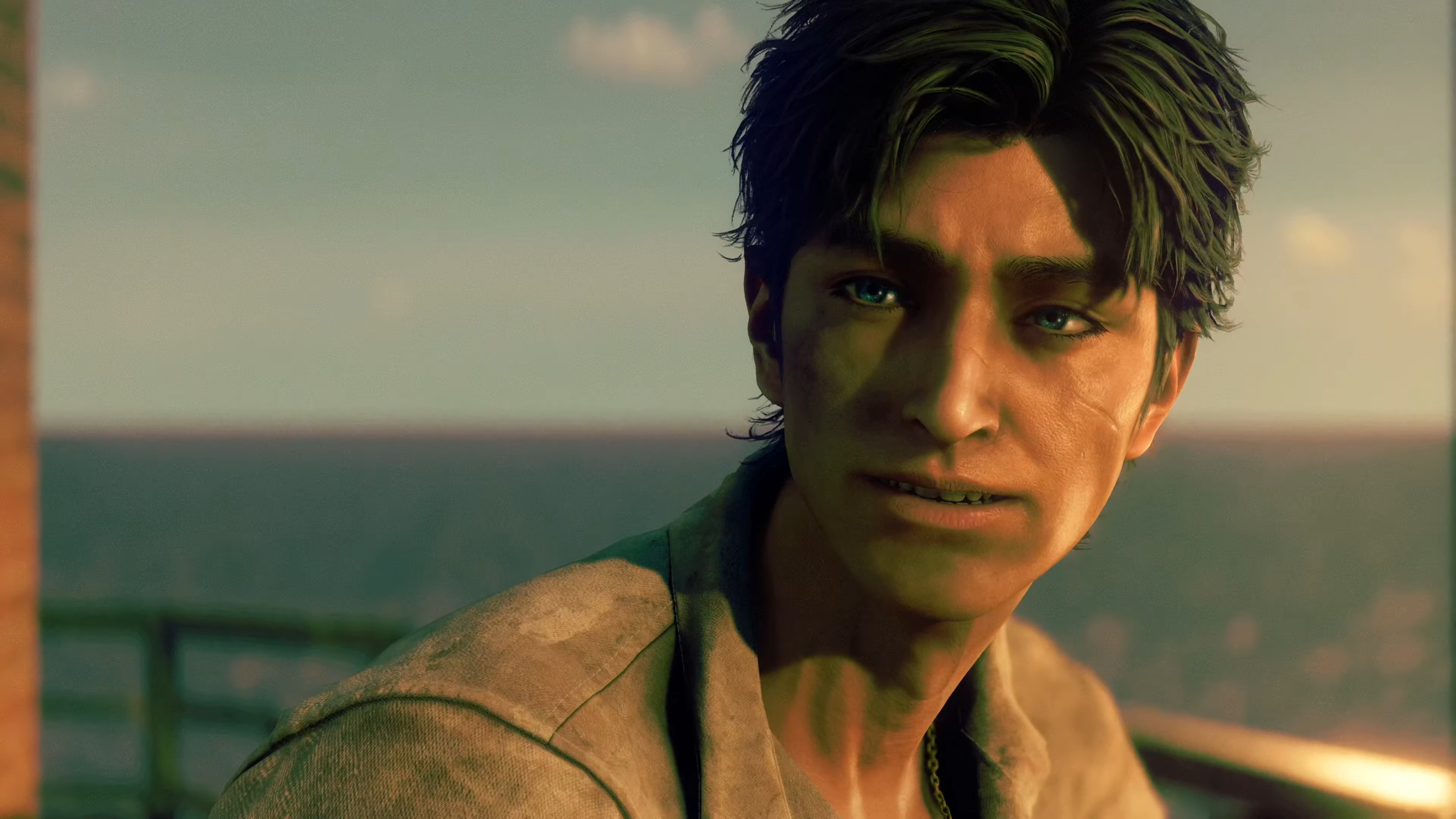
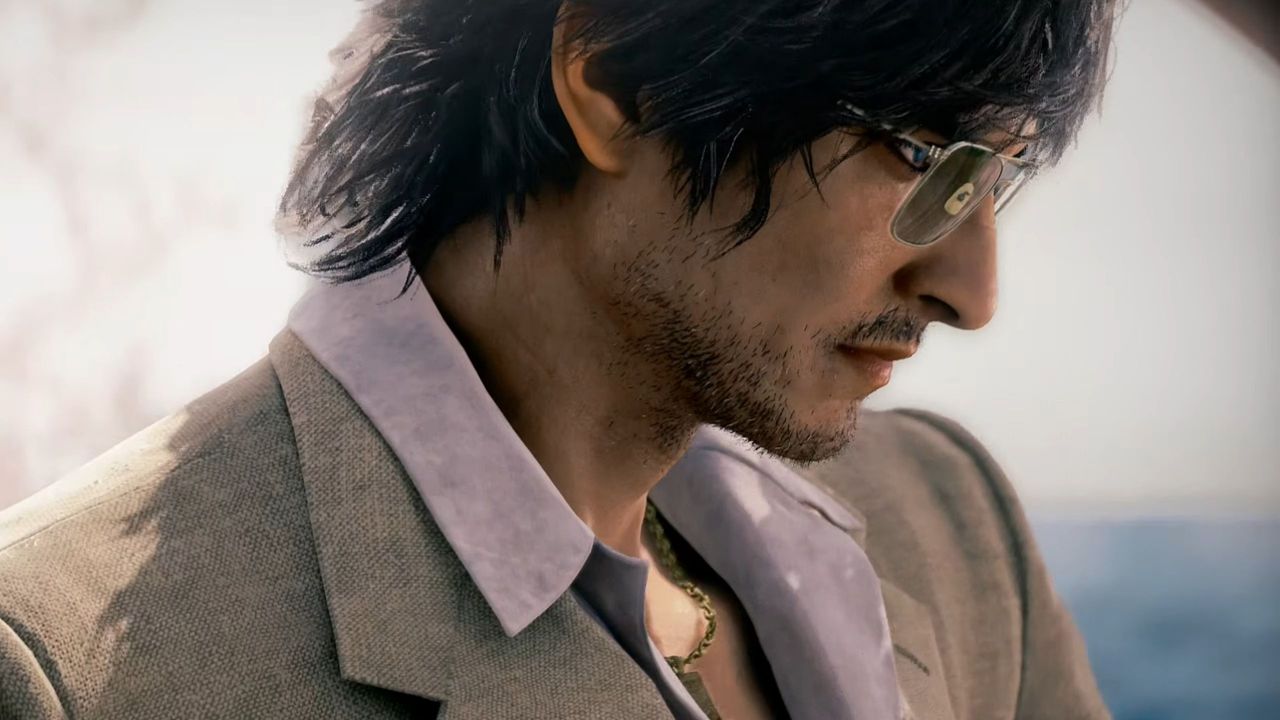
Makoto Daito (Yu Shirota)
Stranger Than Heaven's main playable character is the son of an American father and Japanese mother who stows away on a ship from San Francisco to Japan in 1915. His singing talent inspires his foray into the life of a showman alongside his yakuza ties.
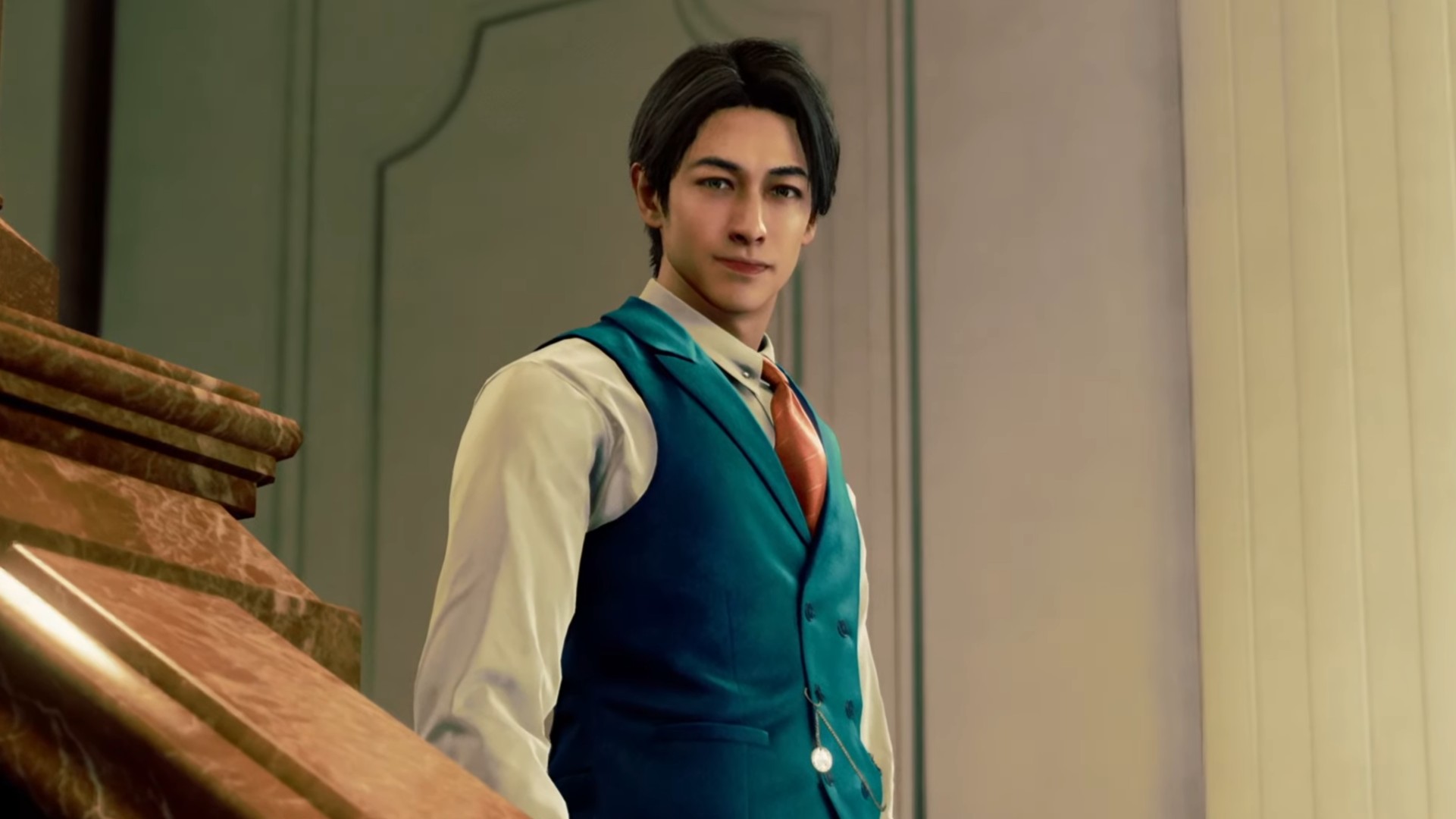
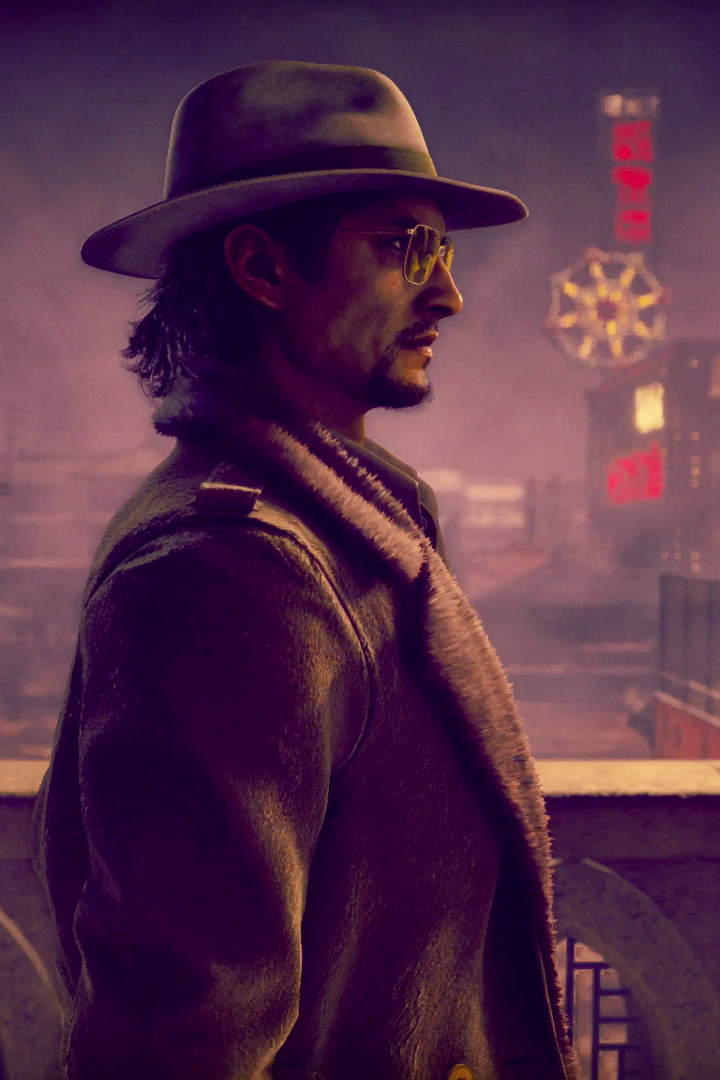
Yu Shinjo (Dean Fujioka)
Makoto's fellow stowaway who becomes his "oldest friend and biggest rival" over the years, which is pretty classic Yakuza series brotherhood stuff. Yu develops greater ambitions to "reshape Japan" which puts him at odds with Makoto during parts of the story.
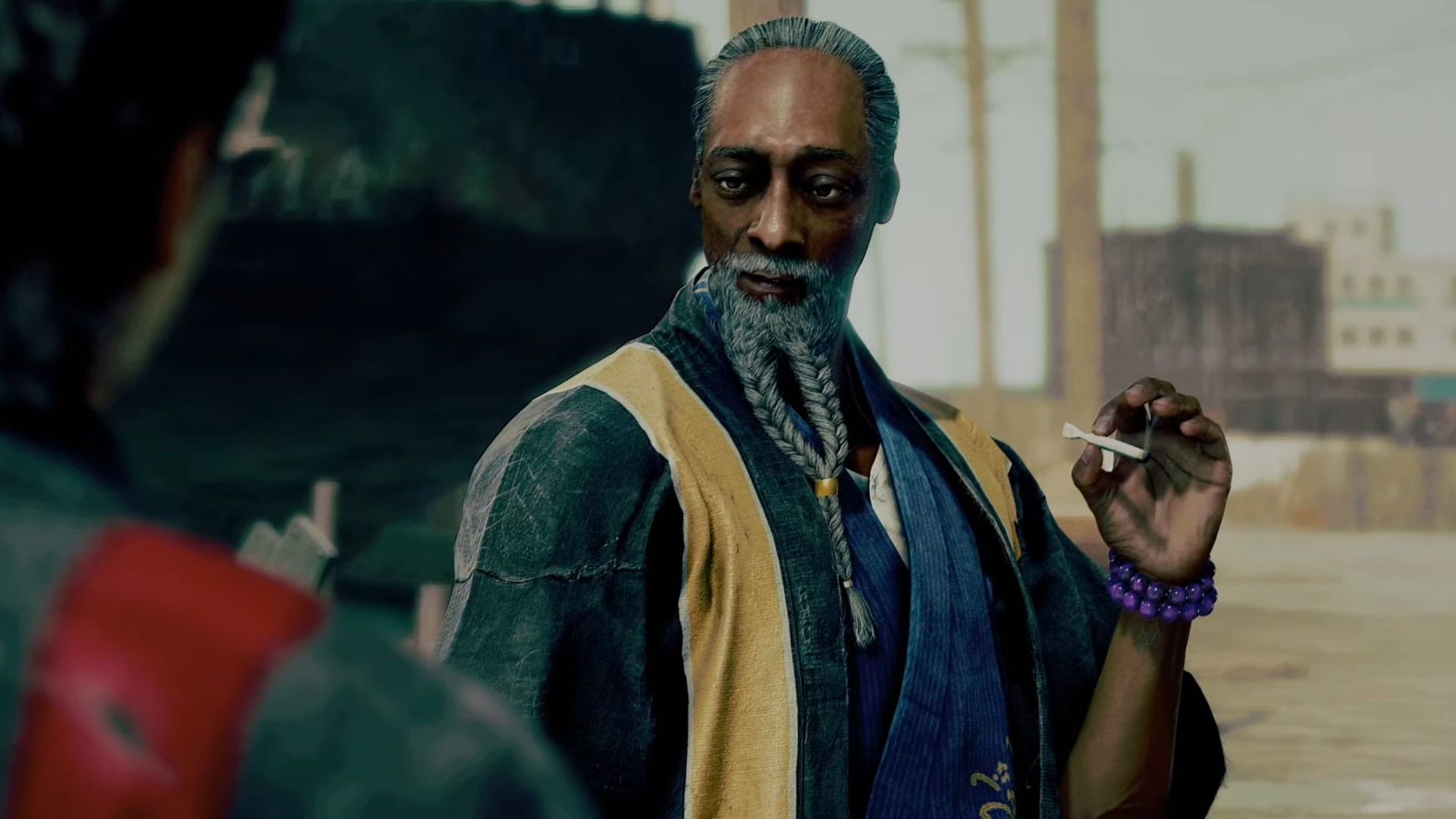
Orpheus (Snoop Dogg)
An international smuggler who brings Makoto on as his "sidekick and wingman" in the Japanese market after Makoto stows away on his ship in 1915.
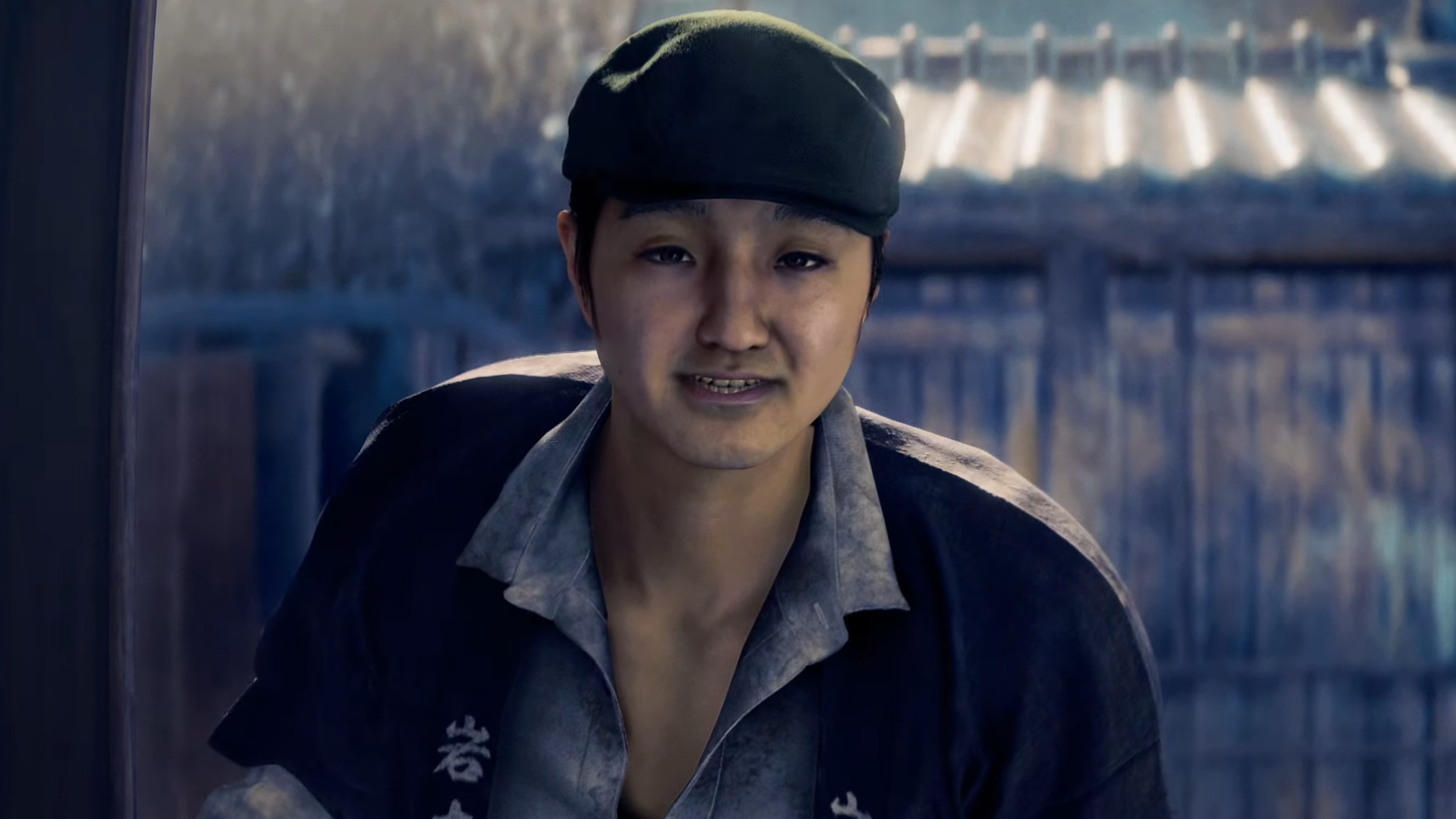
Takashi (Satoshi Fujihara)
A younger man who looks up to Makoto when they meet in 1929, becoming a sort of assistant but with a hidden talent as a pianist.
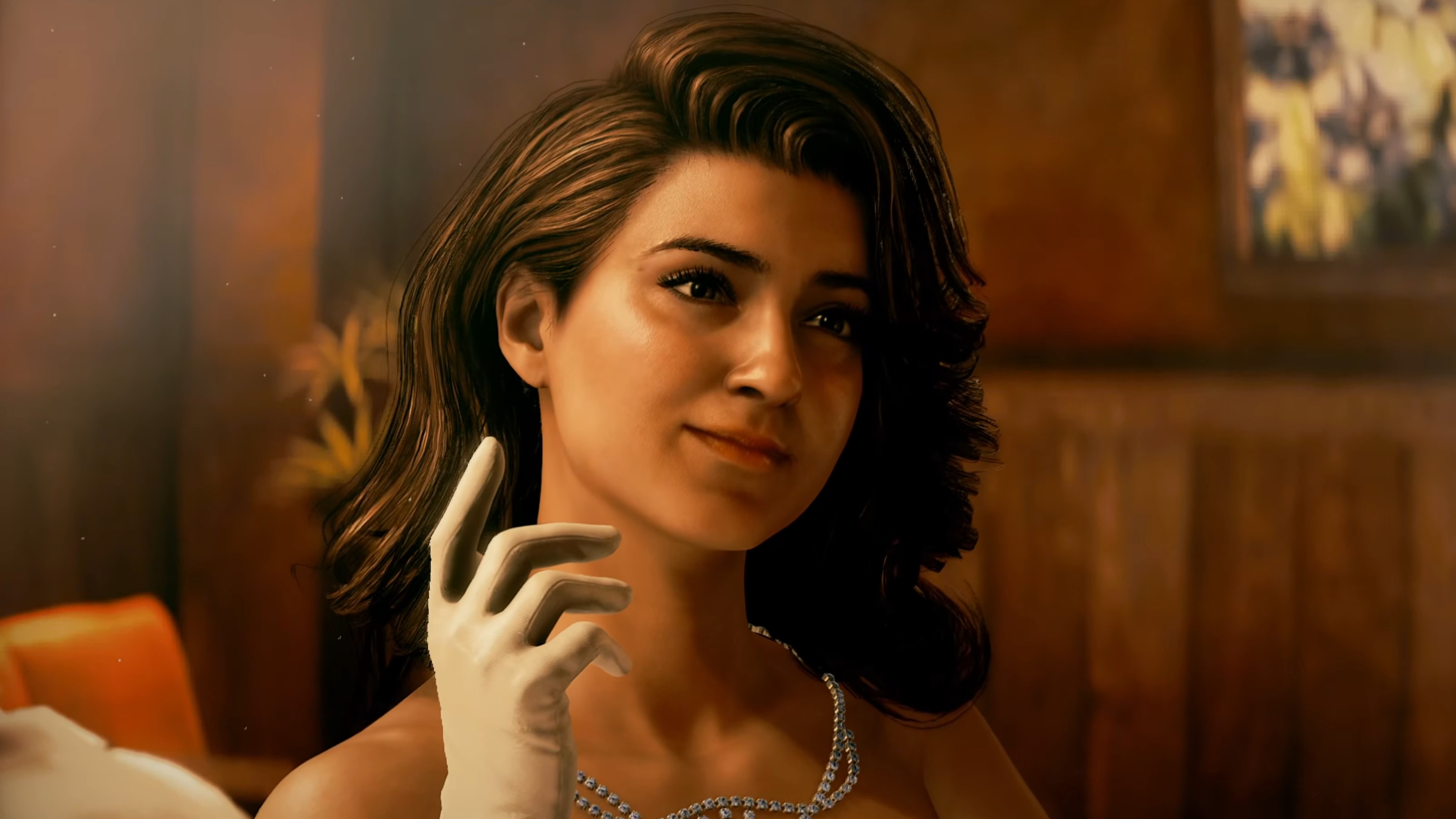
Suzy (Tori Kelly)
A singer and songwriter who has dreams of performing on the biggest stages who meets Makoto in 1951 during his time as a talent-seeking showman.
Who else has been cast?
- Cordell Broadus - Snoop Dogg's son as an unrevealed character close to Orpheus
- Moeka Hoshi - Actress known for Shōgun (2024) as a yet unnamed performer
- Akio Otsuka - Voice actor (previously Yakuza: Like A Dragon) as a yet unnamed yakuza
- Tokuma Nishioka - Actor known also for Shōgun (2024) as a yet unnamed character
- Ado - Japanese pop singer as a yet unnamed singer
- Takashi Ukaji - Actor voicing a yet unnamed yakuza using the likeness of prolific, deceased actor Bunta Sugawara
Stranger Than Heaven story and setting
Stranger Than Heaven follows Makoto across 50 years and five different cities in Japan. RGG has referred to each era as a "stage," suggesting that these portions of the game are discrete sections. I'd bet that each era is a point of no return for minigames and side activities before carrying on to the next major chapter.
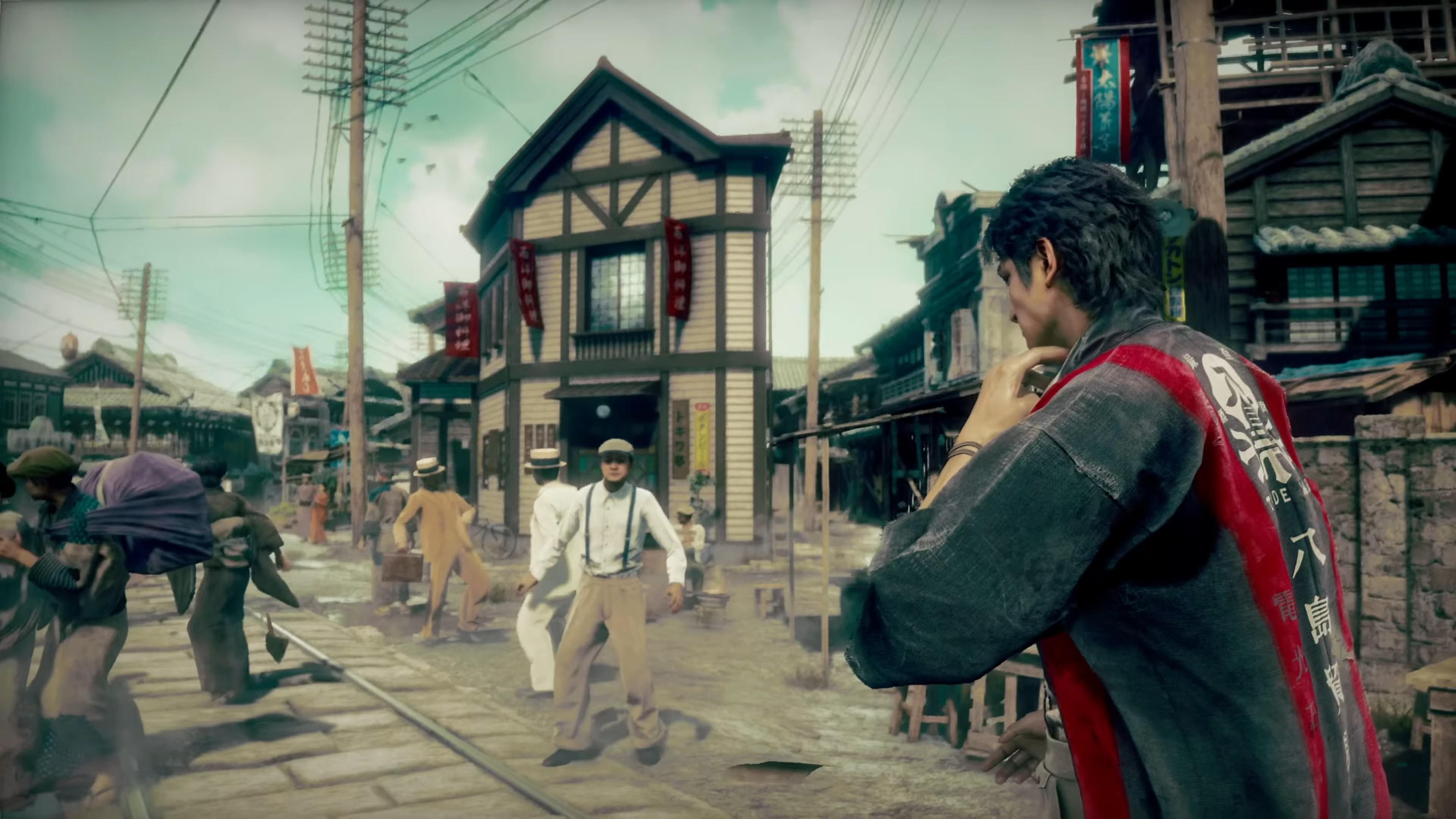
Kokura, Fukuoka (1915)
After stowing away and arriving in Kokura, Makoto and Yu take separate paths. Makoto just wants to survive, falling in as Orpheus's wingman, while Yu chases bigger aspirations.
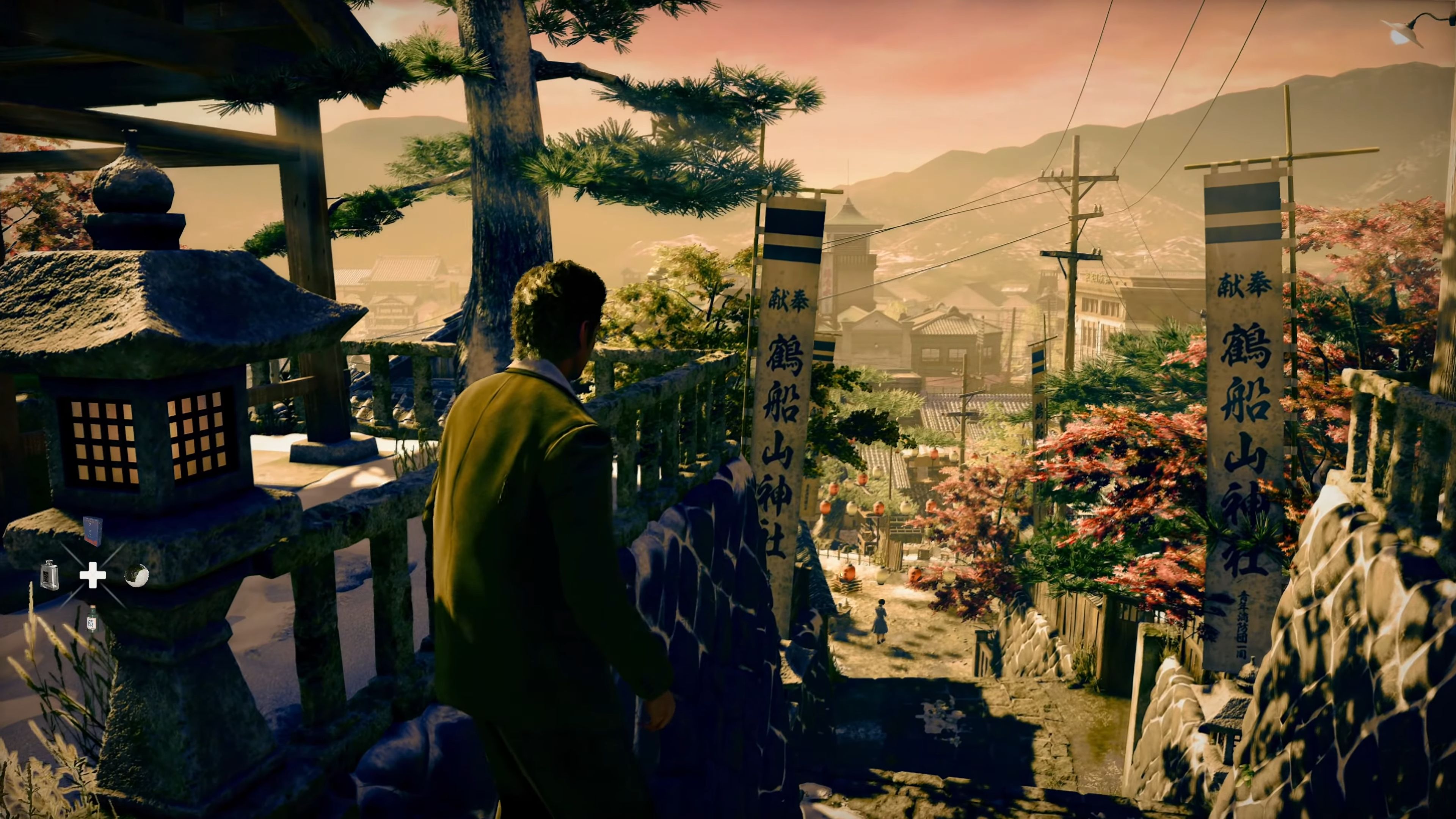
Kure, Hiroshima (1929)
Yu and Makoto are brought back together, using Makoto's street tough skills as the Iwaki Family "Red Oni" and Yu's wit to become partners in showbusiness.
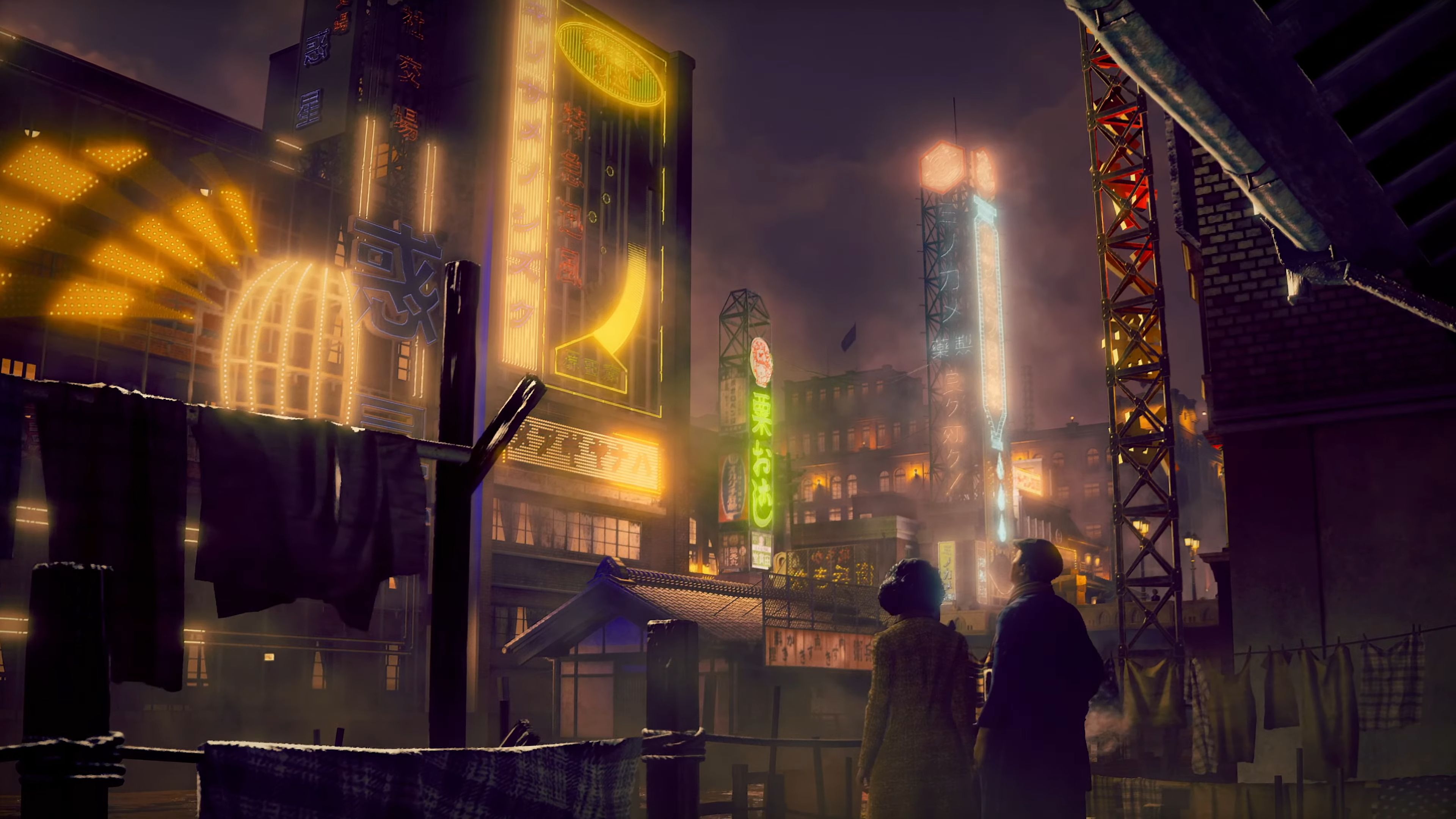
Minami, Osaka (1943)
This is a "chaotic and unpredictable" chapter in Makoto and Yu's journey as they become major showmen all while Yakuza and Mafia groups fight for control of the city.
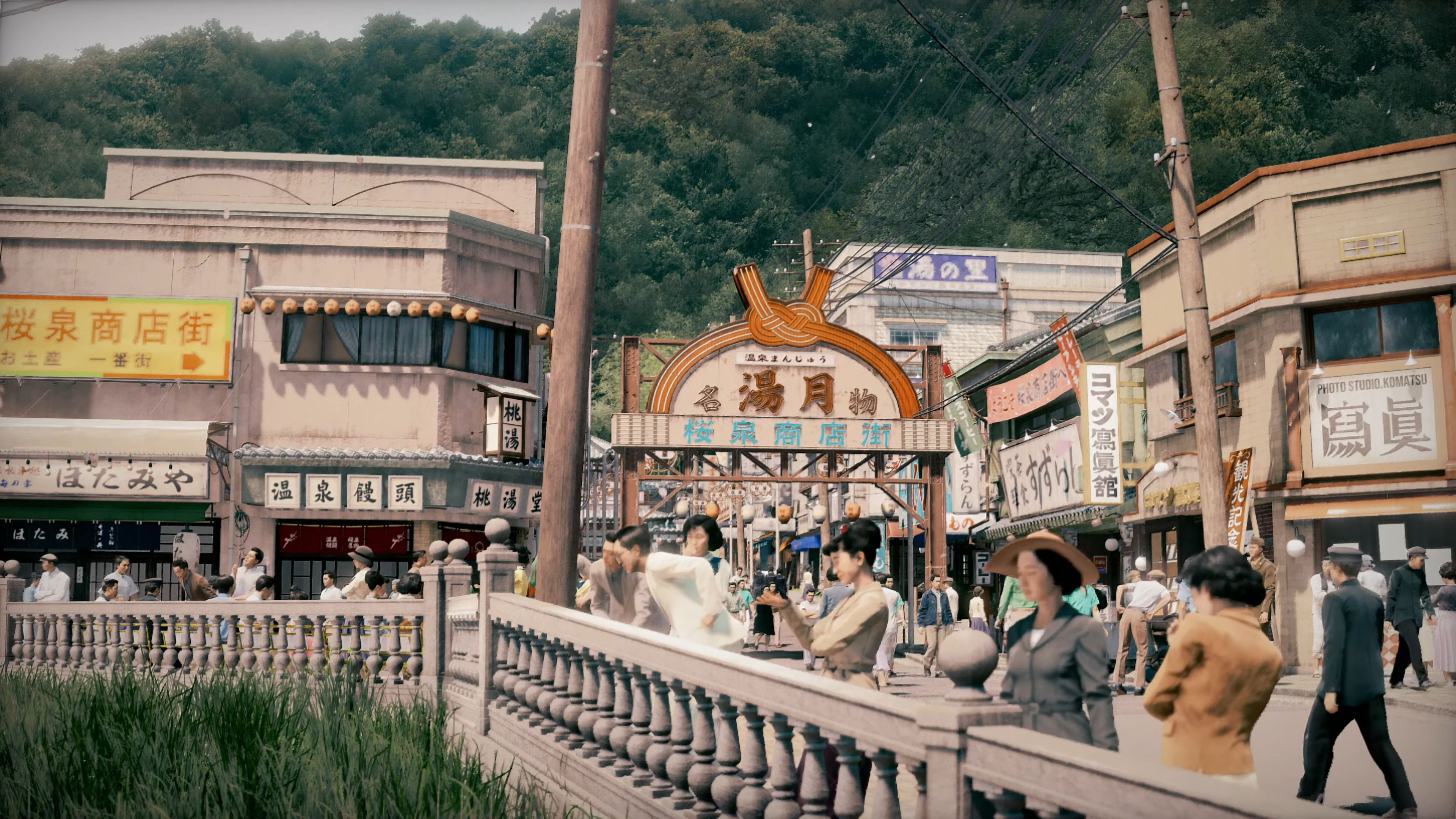
Atami, Shizuoka (1951)
Taking place in a famed tourist district full of cherry blossoms, this is when Makoto meets the singer Suzy, likely at the height of his power as a showman.
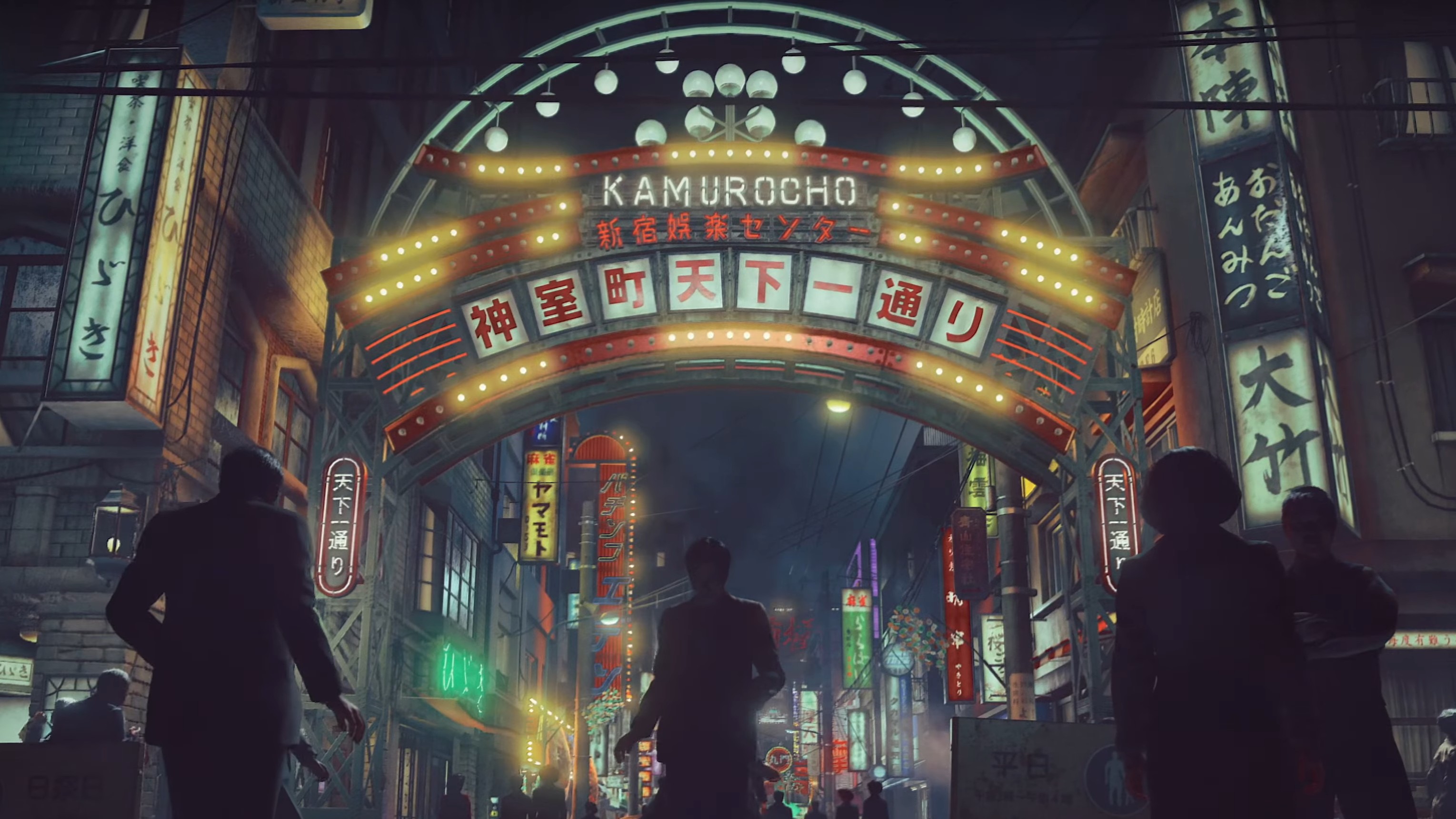
Kamurocho, Shinjuku (1965)
The story closes in Kamurocho, the Yakuza series' fictionalized version of Tokyo's red-light district Kabukichō. This is where a "tremendous secret will be revealed" RGG says.
What's the tone?
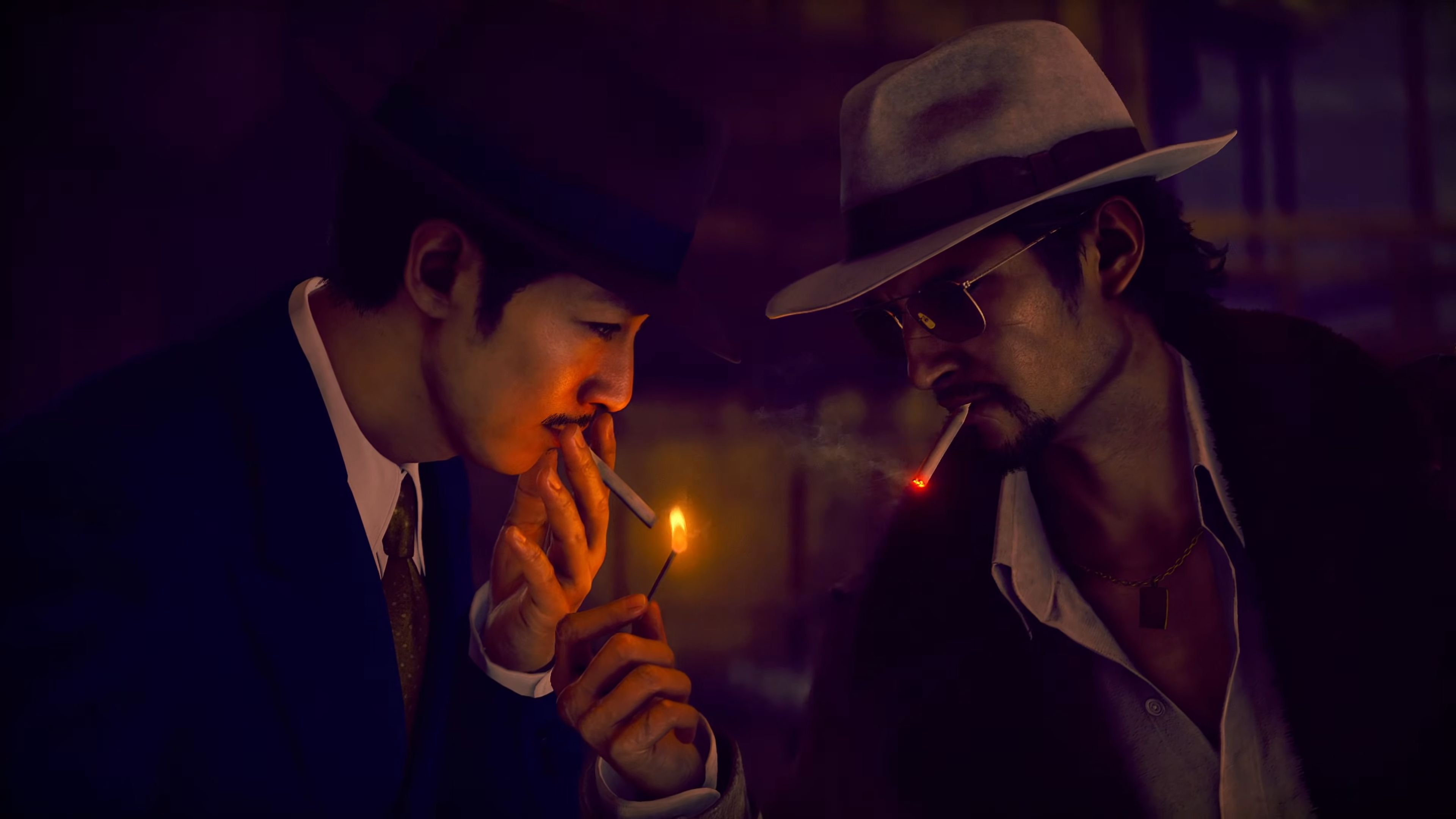
What's been initially revealed about Stranger Than Heaven makes it look a lot more straight up drama than the dramady of the mainline Yakuza series. So far there don't appear to be outlandish combat moves—well, no more so than punching matches in the bed of a speeding truck are inherently—or silly and sidequests.
I'd expect this one to be all the manly tears and dramatics of mainline Yakuza stories without the comedic relief content. Are there going to be guys sitting in bars drinking whiskey with a rock, sighing, and saying "soka"? Almost definitely, so don't make a drinking game of it.
What's the music stuff about?
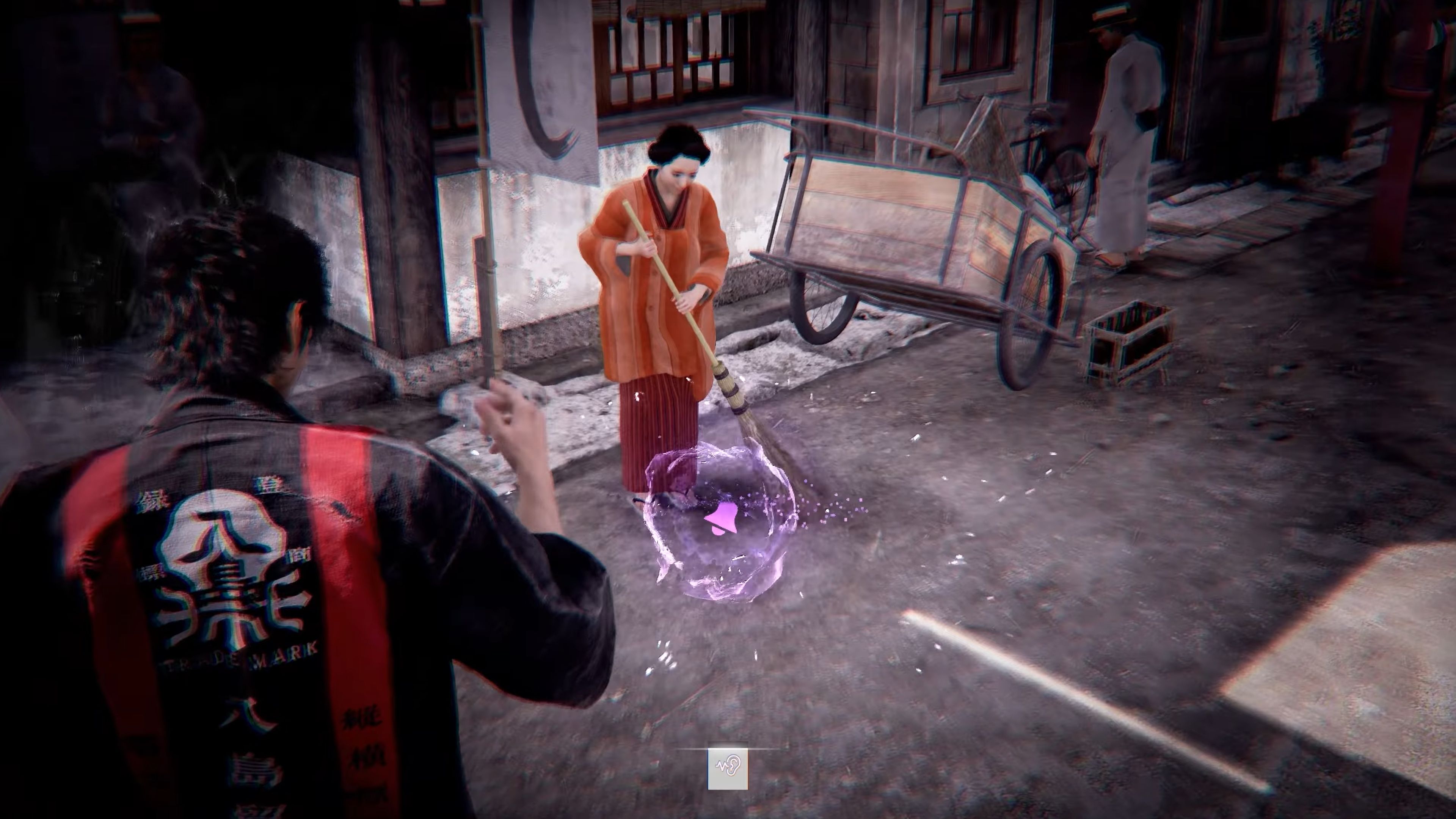
Makoto has a knack for singing, which is part of how he winds up collecting talented performers as a showman duo with Yu. Makoto can also take inspiration from sounds he hears around town. Remember that thing in Yakuza 3 where Kiryu would whip out his flip phone camera to snap "revelations" for new abilities? Kind of like that, but less goofy. Makoto hears things like his neighbor snoring or a passing train and then turns those into musical compositions. Okay so a little unintentionally goofy, maybe.
Oh, also the game's theme song is a collaboration between Tori Kelly and Satoshi Fujihara, playing Suzy and Takahashi respectively.
Stranger Than Heaven combat
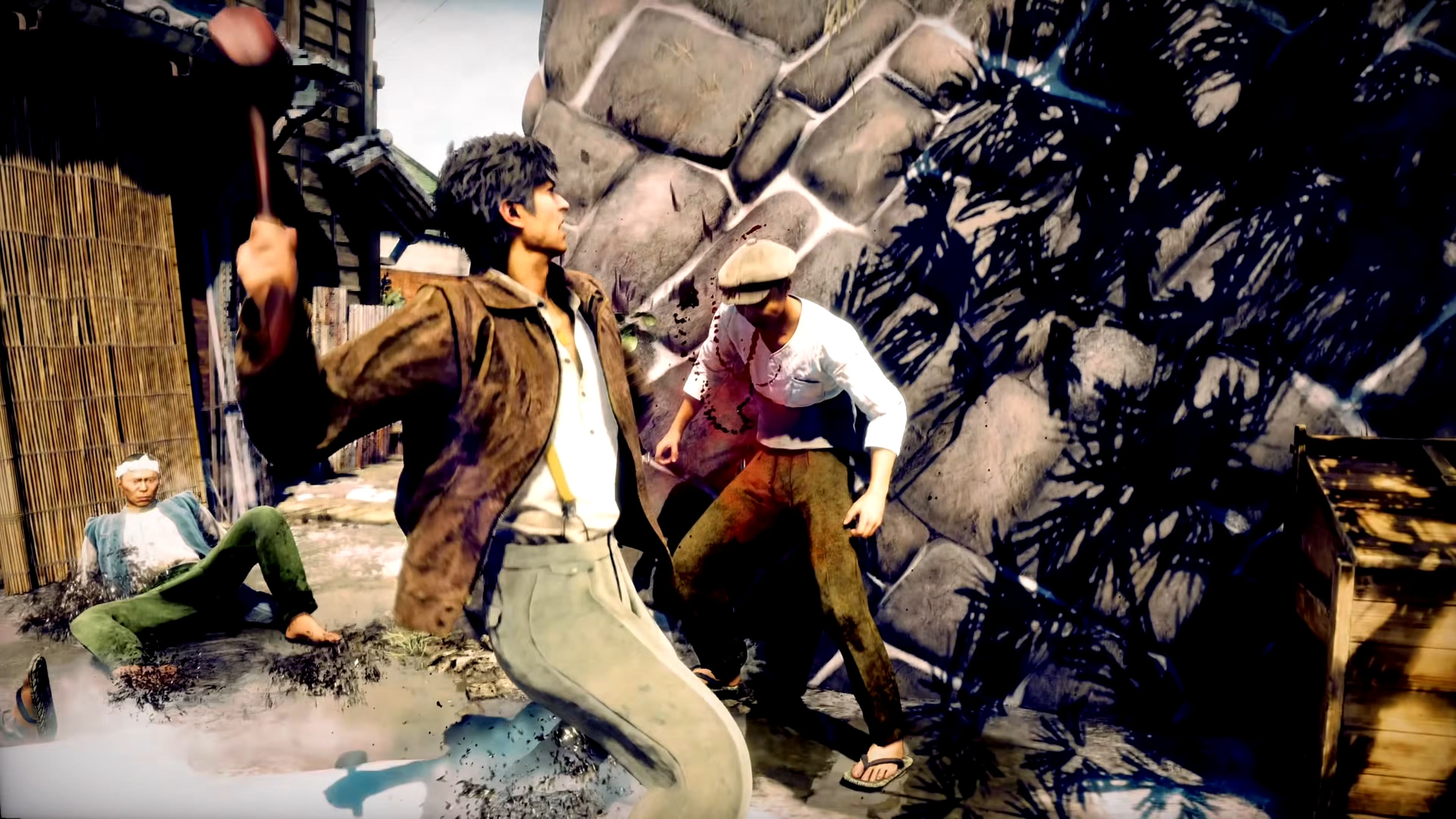
RGG is touting its totally new combat system for Stranger Than Heaven. It's not a return to the classic combo-based brawler combat of the first six Yakuza games, but it is a return to action, rather than the turn-based RPG combat of the newer Like A Dragon games.
Stranger Than Heaven's combat is simulated brawling with control of all Makoto's limbs separately. Pressing RB or RT (remember, "real Yakuza use a gamepad") will deliver hits from Makoto's right arm and leg, while the same is true for LB and LT on the left. This means instead of scripted combos you're chaining together individual moves into your own live combo. You can block with one arm then counter with the other, hold a button to charge a more powerful swing, or use both sides simultaneously to grapple an enemy to the ground.
Stranger Than Heaven side activities
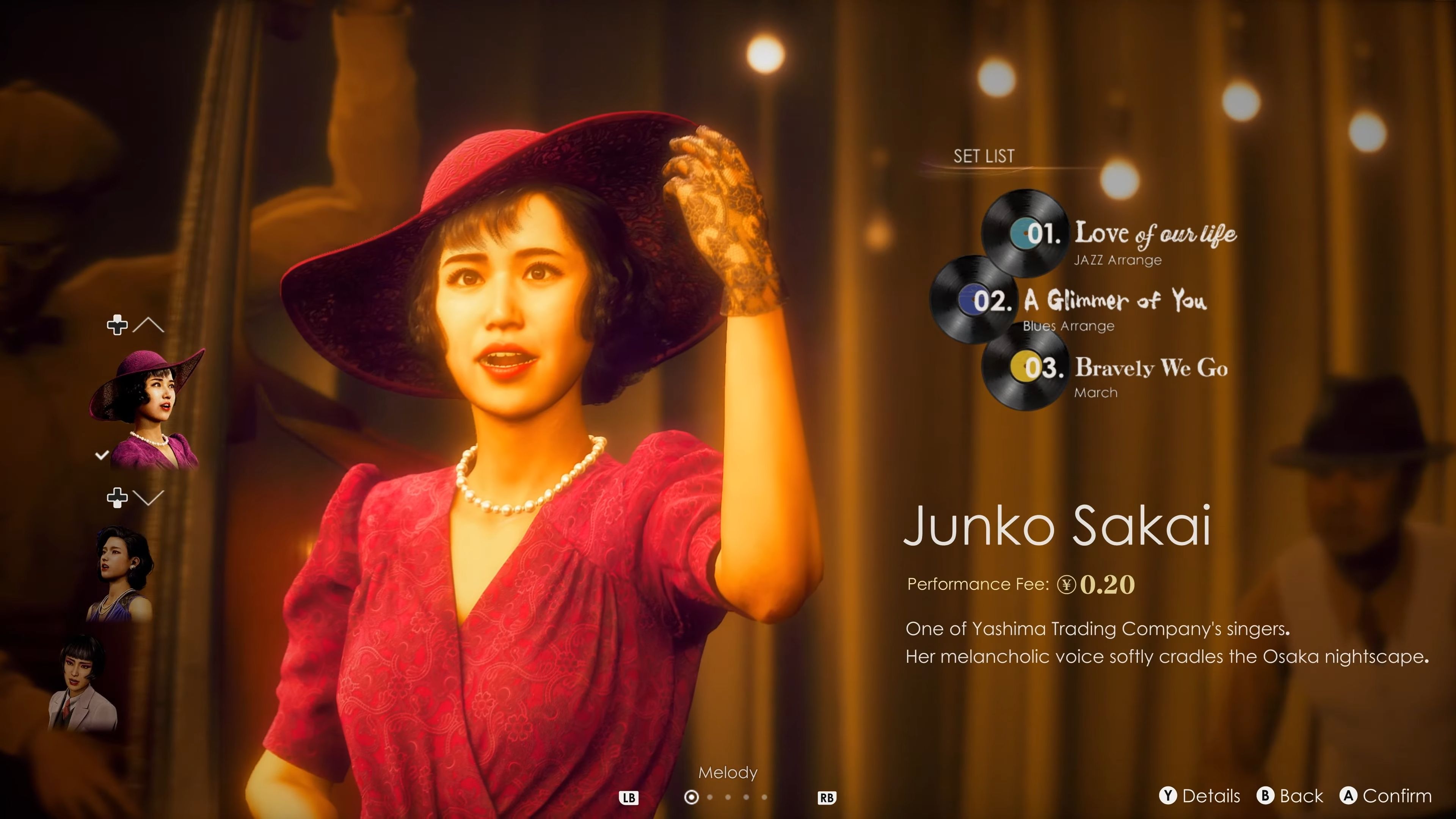
Showman business management
Yakuza games are basically honor-bound to include a business management activity and in Stranger Than Heaven that's Makoto's showman hustle. It sounds a lot like other past management games—eg, hostess club management—in that Makoto will recruit characters to his business as performers and then deploy them into performances. I'm willing to bet there's some heartfelt sidequesting with the likes of Suzy and Takahashi as Makoto grows his showman gig.
Here's the bones we've seen:
- Scout singers and musicians around town (likely with quests or conversations)
- Do promotion around town with posters and billboards
- Determine which characters will play each part (melody, harmony, bass, backing, and rhythm)
- Pick a set list for the show
Okay but what about minigames?!
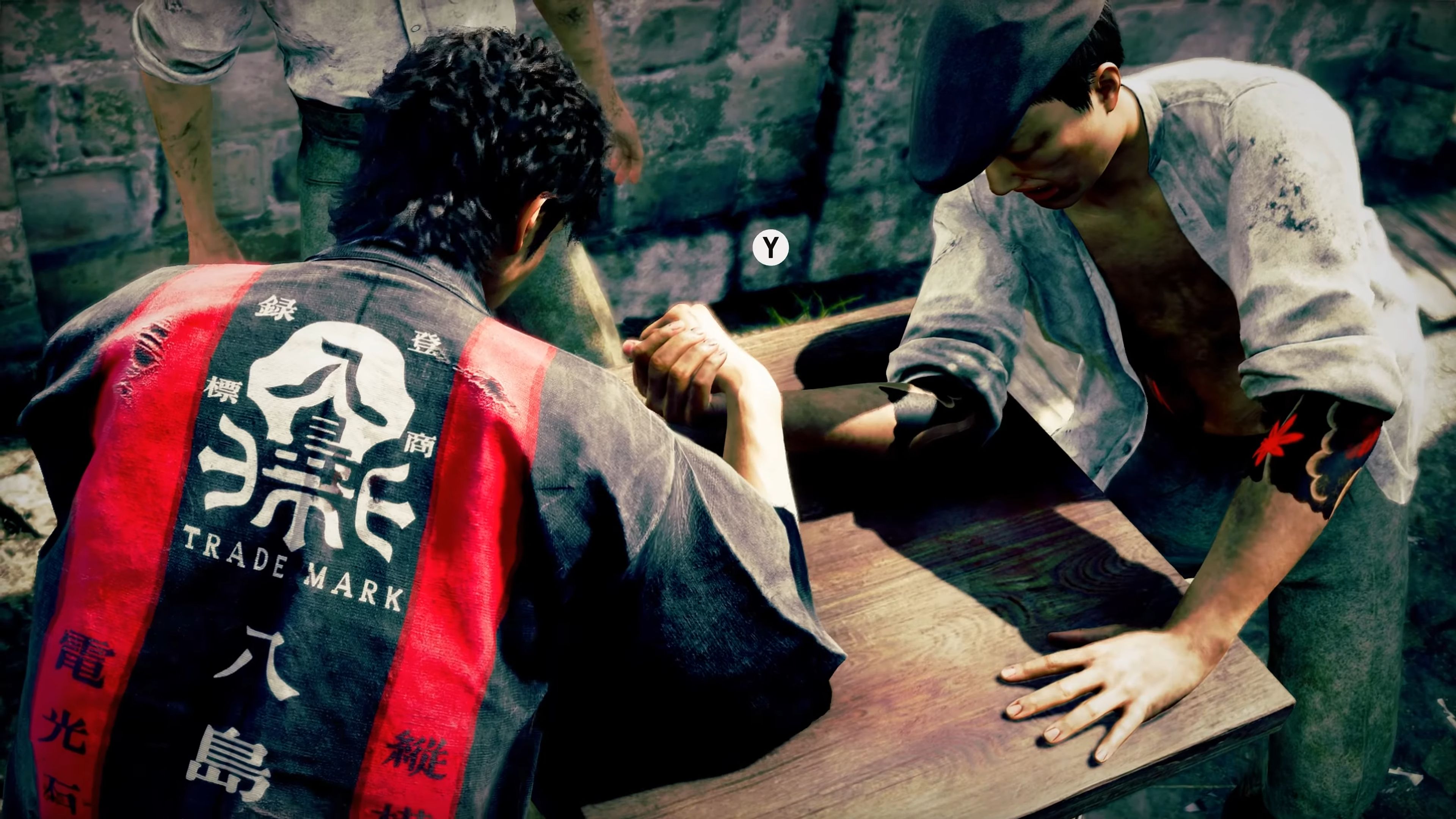
Don't worry, there are some minigames in Stranger Than Heaven too. It doesn't seem like we're getting classic gags like the pocket circuit, taxi driving, or Ichiban's Can Quest, but there are some historically grounded choices:
- Arm wrestling
- A spinning shooting gallery
- Dice betting
- Some kind of card battling (Is it Karuta? It might be Karuta! Shoutout to the Chihayafuru anime all about Japanese poetry card battles)
Hold up, is there karaoke?
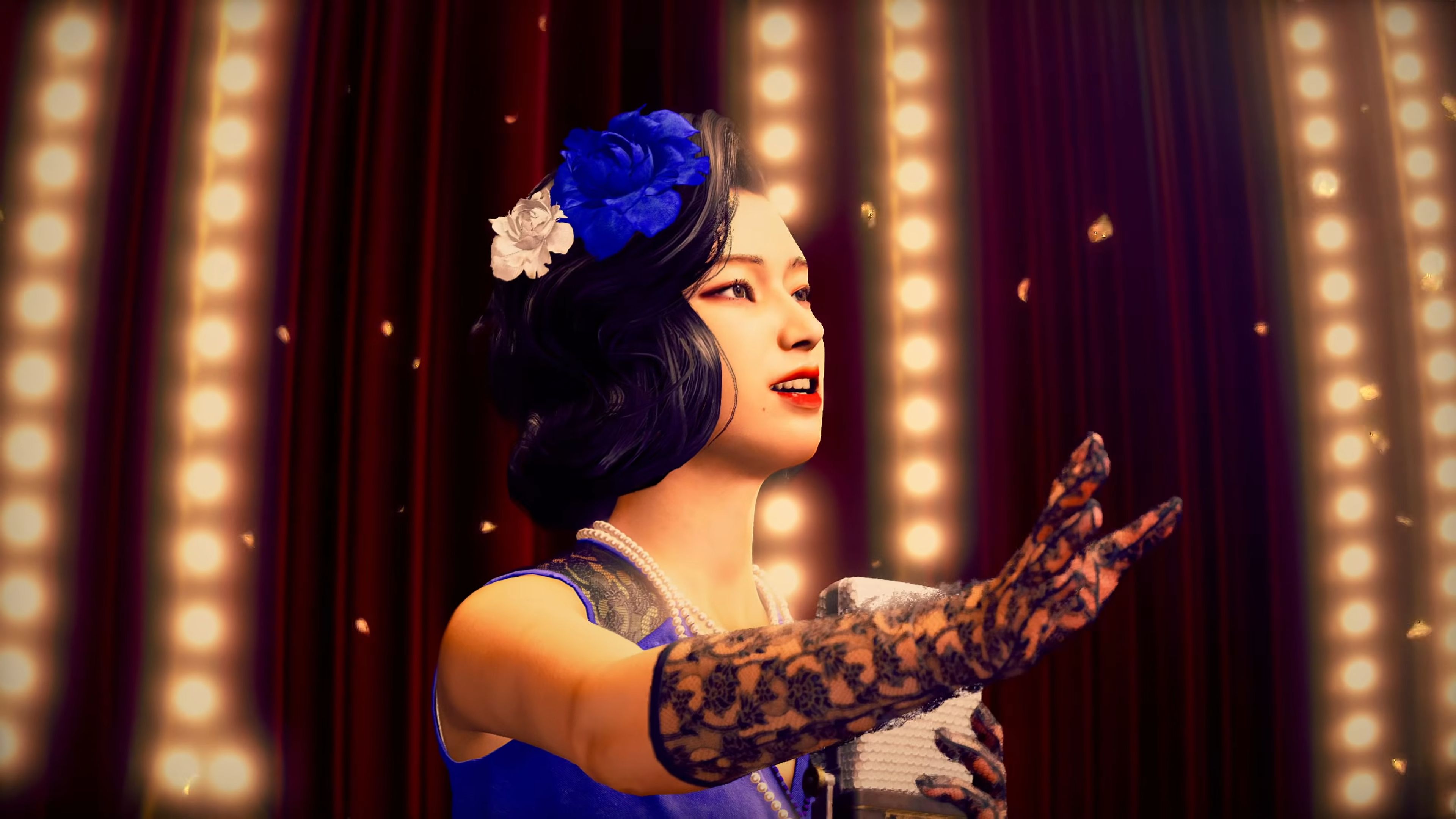
It sure seems like there should be the classic Yakuza series rhythm game singing, especially with all this focus on Makoto's vocal skills and musical pursuits. There wasn't any karaoke to be seen in the big 30-minute reveal, but it would be basically criminal not to have any, right? Nobody had modern karaoke in 1915 Japan, but that doesn't mean we can't still do some button-mashing singalongs to the jazz band!
Схожі новини
A Grok chatbot convinced someone it had become sentient, and that xAI was sending goons to kill him: 'They're going to make it look like suicide'

PlayStation Store's "Deals" Category Is Missing
Gamescom LATAM Proves That Gaming Is Flourishing In Brazil