Europe's summer travel is on the line as airlines' jet fuel supply dwindles
Peak travel season is almost here, but the International Energy Agency's head told CNBC that Europe may struggle to meet surging jet fuel demand as the Middle East crisis continues.
The IEA's chief Fatih Birol said that Europe needs to secure alternative sources of jet fuel as the Strait of Hormuz, which previously carried roughly 20% of the world's oil supply, remains closed.
"In August, jet fuel demand is about 40% higher than in March, so demand will increase, and if the supply stays where it is now, the challenge can be even bigger, but I very much hope that Europe will be importing energy," Birol said in a conversation with CNBC's Steve Sedgwick at CONVERGE LIVE in Singapore on Thursday.
Middle East refineries provide Europe with around 75% of Europe's jet fuel but production from those facilities "is basically now almost zero," he added.
"The rest is coming from some big Asian countries that have now export restrictions, and Europe is now trying to get it from the U.S. and Nigeria. If we are not able to get in Europe, additional imports from the countries now, we will be in difficulties," he added.
European carriers are more exposed than their U.S. counterparts because the continent relies more heavily on fuel imports.
Birol flagged that Europe may need to take some measures to "reduce the air travel," as a result, with some airlines, including Lufthansa and SAS, already reducing flights.
Birol warned last week that Europe may run out of jet fuel in six weeks, with analysts echoing similar warnings. "We are facing the biggest energy security threat in history," Birol told CNBC on Thursday.
Several European countries depend on the economic boost that comes from increased air travel during the summer season. Air connectivity generates 851 billion euros (nearly $1 trillion) in GDP for European economies and supports 14 million jobs, according to ACI Europe.
Jet fuel prices increased 103% by the end of March compared to the month prior, according to the International Air Transport Association.
"Airlines normally run at a single-digit operating margin and spend anywhere from 20 to 40% of the revenues on fuel," so "rising jet fuel prices push the industry into operating losses," Alex Irving, Bernstein's head of European Transport Equity Research, told CNBC.
Irving said that higher ticket fares are required for the industry to remain profitable, but these risk alienating customers. Airlines will have to cut costs by cutting capacity and reducing flights to support higher ticket prices.
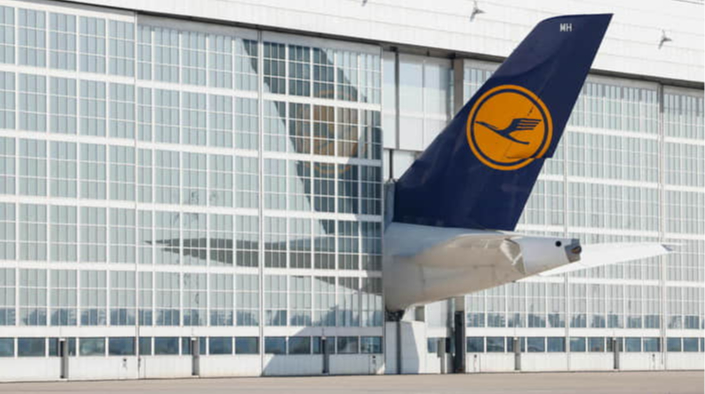
Some airlines have already started cutting flights and routes. German carrier Lufthansa is cutting 20,000 short-haul flights through to October, which will save 40,000 metric tons of jet fuel and reduce unprofitable flights.
Scandinavian airline SAS said its cancelling 1,000 flights in April due to fuel costs, while Dutch airline KLM said it's reducing capacity by 80 flights due to rising kerosene costs.
Budget carrier EasyJet reported a headline loss between £540 million and £560 million ($675 million and $700 million) for the six months to March 31 and said it took on £25 million of additional fuel costs in March. It flagged that bookings for the rest of the year are looking weaker as customers wait until later to buy tickets.
The budget airline is hedging 70% of its summer fuel, with the price locked in at $706 per metric ton of jet fuel. The rest is still subject to volatile fuel price movements. Irving said that, even if airlines hedge more of their fuel to minimize their exposure to the volatile spot price, they would till need to make cuts and increase fares.
Stephen Furlong, senior transport and logistics analyst at Davies, said that airlines' responses to rising fuel prices are about "shoring up profitability."
"They're in some cases reducing frequencies and higher frequency routes, because some routes don't make sense at these higher oil prices," Furlong told CNBC, adding that airlines are also retiring older, less fuel-efficient aircraft earlier than planned.
Another measure is eliminating unprofitable parts of the business. Lufthansa announced on April 16 it was closing its subsidiary Lufthansa Cityline "to reduce further losses of the loss-making airline."
Furlong said customers may vacation closer to home as uncertainty continues.
"Possibly we'd see in the near term more demand for increased leisure trips closer to home, like Spain, Portugal, and France, as opposed to the eastern Mediterranean," Furlong said.
Схожі новини
Іран ударив по європейській авіації. Чому авіакомпанії у ЄС скасовують рейси і підвищують ціни
Here are all the new European flight paths on the horizon this summer
Ryanair customers will have to get to bag drop 20 minutes earlier from November