Europe's best stargazing destination is in Portugal

 Facebook
 Twitter
 Flipboard
 Send
Send
 Reddit
 Linkedin
 Messenger
 Telegram
 VK
VK
 Bluesky
 Threads
 Whatsapp
The Dark Sky Alqueva reserve has been recognised at the 2026 Tourism Leaders Awards, but investment in astrotourism remains far below its full potential.
The Dark Sky Alqueva Reserve (source in Portuguese), a Portuguese reference in astrotourism, was honoured at the 5th edition of the Tourism Leaders Awards 2026, winning in the Tourism Experience category. This recognition highlights the region for its creation of innovative tourism products.
 ADVERTISEMENT
ADVERTISEMENT
ADVERTISEMENT
Located in the Alentejo, Dark Sky Alqueva plays a leading international role in the observation of stars, planets, meteors and even the northern lights. The growth of astrotourism, combined with low levels of light pollution, high atmospheric quality and a continued commitment to preserving the night sky, were decisive factors in securing this award.
The Tourism Experience category of the Tourism Leaders Awards 2026 distinguishes projects considered relevant for their innovation, sustainability and impact on the tourist experience. In this way, it once again recognises the potential of Portugal’s interior in developing innovative tourism projects capable of attracting visitors from all over the world.
The conditions at the Dark Sky Alqueva Reserve have led to dozens of awards in recent years. In 2025, it was distinguished at the World Travel Awards, an international prize that recognises excellence in the tourism and travel sector.
Dark Sky Alqueva was also the first place in the world to receive Starlight Tourist Destination certification. Any destination with this certification offers exceptional conditions for astronomical observation and for the development of sustainable astrotourism.
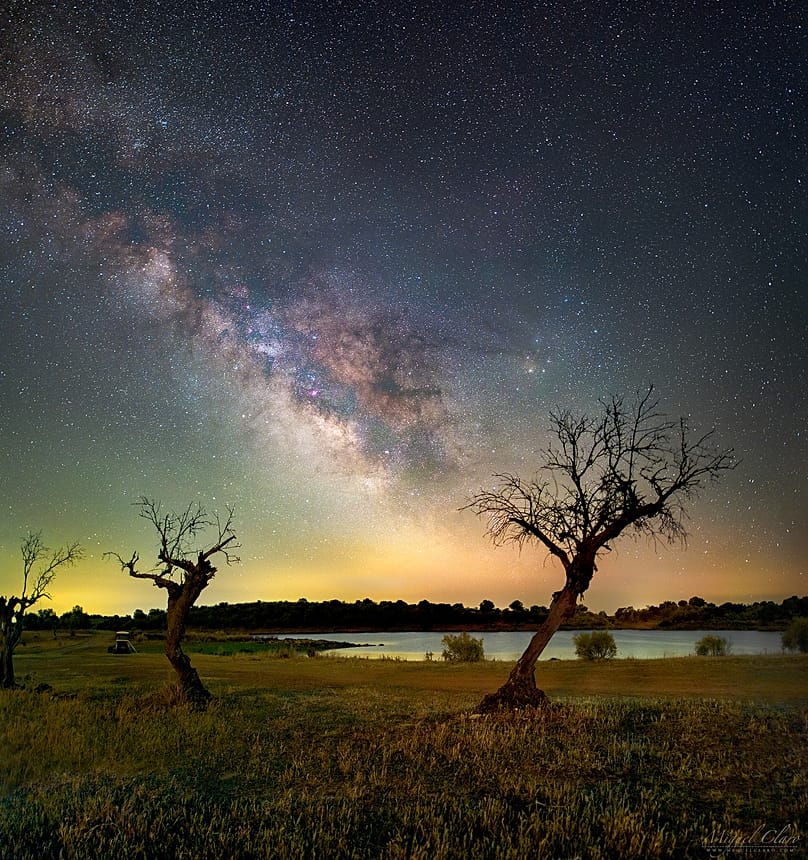
A large part of the awards won is the result of the work of the reserve’s lead astrophotographer, Miguel Claro, who uses photography to document and publicise astronomical phenomena, promoting the scientific and cultural appreciation of Alqueva’s night sky.
In an interview with Euronews, Miguel Claro says that the distinctions received by Dark Sky Alqueva are important in that they help to boost the region and raise public awareness of the importance of preserving the night sky.
"People who visit us, especially foreigners, are very much guided by the awards we receive. The Starlight seal, for example, tests quality. It is not merely an opinion; it is a certification that scientifically proves that quality," explains Miguel Claro.
"Astrophotography helps people gain a small sense of what can be seen at Dark Sky. It is the first point of contact. I think that is what starts to awaken the desire to visit the reserve, because it touches our innermost side, that part we had when we were younger and imagined what the sky and space might be like," he adds.
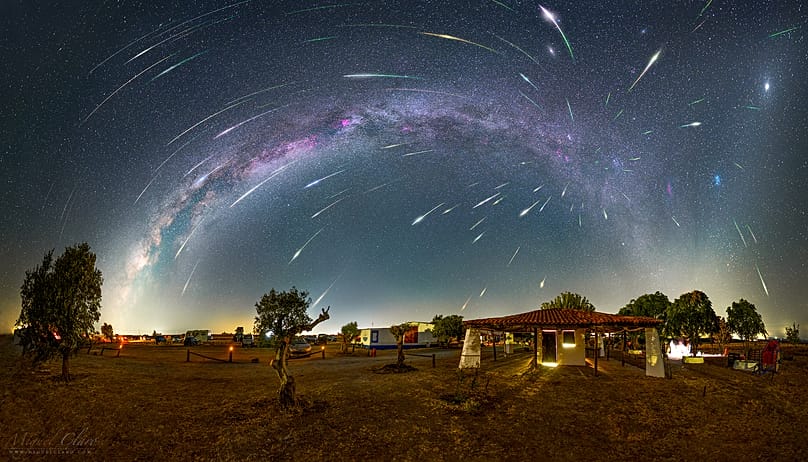
According to the astrophotographer, photographing space is a demanding task that begins long before the image is captured. It requires a tremendous capacity for adaptation and the use of very specific, advanced equipment, which makes it possible to reduce noise and record phenomena such as nebulae or galaxies with greater precision.
Asked about the photo-editing process, Miguel points out that "every image has to be processed" and that each shot requires its own type of correction in order to reduce imperfections and ensure a result that is as faithful as possible to the phenomenon.
"Portugal could be a pioneer in many projects"
Portugal’s position on the map, along with its mild climate and rural areas, makes the country, and particularly the Alentejo, a reference point for the development of astrotourism. This is because low light pollution and the number of clear nights throughout the year allow for better sky observation. Alqueva offers an average of 286 clear nights per year, providing exceptional visibility conditions.
Despite Portugal’s advantages for the development of astrotourism, the country’s investment in this area is not always what would be desired. Miguel Claro notes that some countries close to Portugal, which even have less favourable conditions for this activity, have managed to carry out projects that the Dark Sky Alqueva team conceived more than a decade ago but has been unable to implement because of insufficient investment.
"Portugal could be a pioneer in many projects if we had more support. We feel that investment has been growing, but we need more help," says the astrophotographer.
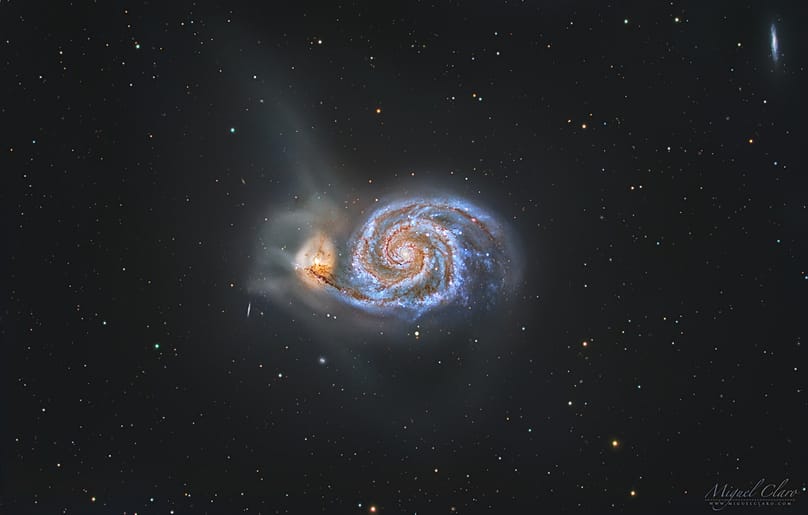
Miguel Claro argues that astronomy occupies very little space in the education system, which reflects the lack of literacy in this field among the population. In this regard, he calls for more outreach and the teaching of astronomy so as to make its concepts more accessible.
There is still a bit of a myth that astronomy is for scientists, that it is something very complexMiguel Claro Lead astrophotographer at the Dark Sky Alqueva Reserve
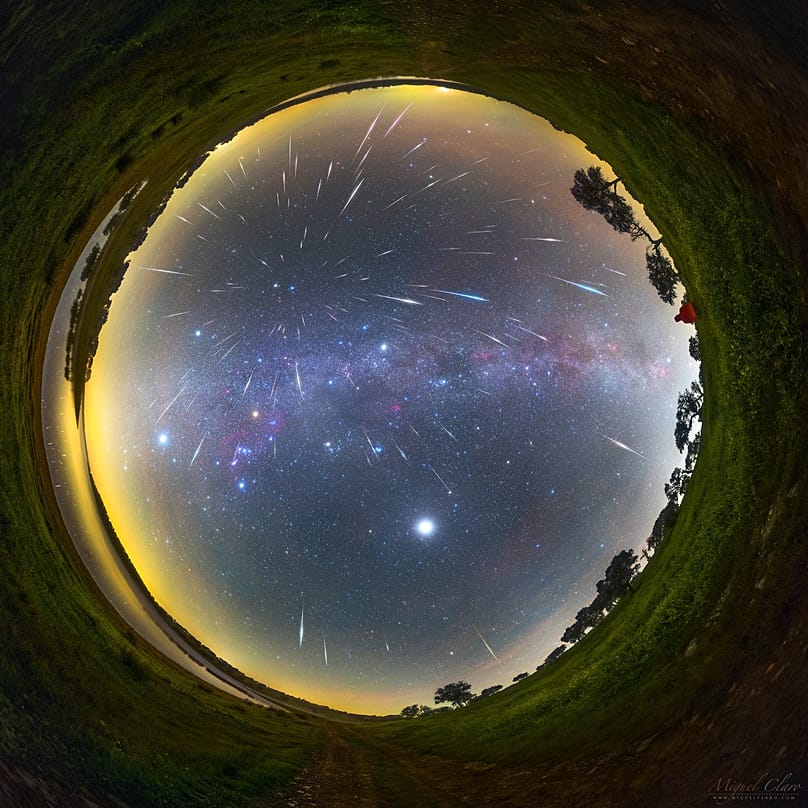
Reserves such as Dark Sky Alqueva promote greater awareness, especially among young people, about space. At this observatory it is possible to witness phenomena with the naked eye or using telescopes which would otherwise only be accessible through photographs.
The area certified by Starlight covers more than 10,000 square kilometres around the Alqueva Great Lake, including eleven Portuguese municipalities: Alandroal, Barrancos, Estremoz, Moura, Mourão, Redondo, Reguengos de Monsaraz, Portel, Évora, Mértola and Serpa, as well as neighbouring Spanish municipalities.
Go to accessibility shortcuts Share CommentsRead more

Satellite swarms made in Europe set the standard in Earth observation
Схожі новини

П'яте літо без українського моря: де шукати відпочинок біля води в Україні
I kept the receipts: Here's how much the Sapphire Reserve was actually worth to me this year

"Тихі відпустки": все більше робітників працюють із пляжу, але є способи їх вирахувати