Europe's Premier Cycling Destinations for 2026: From Portuguese Coastlines to Nordic Trails
Cycling tourism across Europe is undergoing a significant shift in 2026, moving away from demanding endurance challenges and professional-level climbs toward routes designed for everyday cyclists seeking manageable distances, quality infrastructure and immersive travel experiences.
Rather than pursuing elite performance metrics, contemporary cycling holidays emphasize accessible itineraries with varied scenery and ample opportunities for leisure stops. Tourism boards across the continent, notably in France, are channeling investment into expanded bicycle networks, improved signage systems and flexible routing options that prioritize both safety and enjoyment.
Featured Cycling Routes
Porto to Lisbon, Portugal
This Atlantic coastal route features moderate daily distances of 50 to 90 kilometres, connecting two of Portugal's premier cities while traversing beaches, villages and oceanside vistas. The progression eases considerably toward the south, accommodating frequent stops and prioritizing pace over speed. Local cycling communities continue bolstering the route's accessibility.
Flanders, Belgium
Flanders delivers a culturally enriching cycling experience traversing historic urban centers including Brussels, Antwerp, Ghent and Bruges. Predominantly flat terrain winds through canal networks and pastoral landscapes, with numerous urban rest points suited to leisurely, stage-based travel.
Utrecht to Amsterdam to The Hague, Netherlands
The Netherlands maintains its position as Europe's most accessible cycling destination, boasting over 35,000 kilometres of dedicated pathways. Routes connecting these three cities integrate urban cycling, coastal sections and countryside stretches. The intuitive numbered knooppunten navigation system enables customizable itineraries requiring minimal advance preparation.
Tuscany, Italy
This region provides gently rolling terrain, quiet roadways and connections between Florence, Siena and Pisa. Daily distances range from 30 to 70 kilometres, with extensive opportunities for culinary and sightseeing breaks. Comprehensive bike-friendly accommodation networks streamline logistics for extended journeys.
Catalonia, Spain
Launching in 2026, the Grand Tour Catalunya Gravel introduces a flexible, segmented route across varied terrain combining gravel pathways, secondary roads and coastal passages. The route traverses less-visited rural regions and permits selective segment participation, reflecting expanding European enthusiasm for gravel cycling.
Danube Cycle Path, Austria to Hungary
This exceptionally beginner-friendly route traces flat, clearly marked trails paralleling the Danube River. Standard stages span 40 to 80 kilometres with straightforward access to municipalities and amenities. Vienna and Budapest serve as principal highlights, though the experience emphasizes steady pacing and simplified logistics.
La Voie Bleue, France
Spanning approximately 700 kilometres from the Luxembourg frontier to Lyon, La Voie Bleue ranks among Europe's outstanding 2026 cycling routes. Following river and canal corridors ensures predominantly level terrain with numerous traffic-free sections. Vineyards, heritage towns and cultural attractions characterize the journey, supporting experience-focused, unhurried travel.
Lake Constance, Germany, Austria and Switzerland
This 260-kilometre circuit around Lake Constance provides flat, visually spectacular cycling with convenient division into brief stages. Participants traverse three nations with continuous lake perspectives and supplementary ferry options to abbreviate distances. The route attracts beginners and families through its simplicity and advanced infrastructure development.
Mallorca, Spain
Mallorca provides year-round cycling conditions accommodating all proficiency levels. Beyond celebrated mountain ascents, the island features gentle inland roads and coastal rides. Municipalities including Palma and Alcúdia provide comprehensive cycling amenities, including equipment rental and hospitality designed for cyclists.
Black Forest, Germany
This region provides quieter passages through forested areas and conventional villages. Although certain sections present elevation gains, valley alternatives and electric bicycle options enhance accessibility. Daily distances adjust between 40 and 70 kilometres, with mounting recognition for its tranquil character and reduced tourist congestion.
Ljungleden, Sweden
Commencing May 2026, this emergent 170-kilometre route connects Gothenburg to Falköping via dedicated cycling infrastructure and minimal-traffic roadways, incorporating gravel components. The pathway traverses communities including Alingsås, celebrated for café establishments, synthesizing metropolitan and agricultural environments. Adaptable design accommodates abbreviated daily rides or comprehensive multi-day expeditions.
Схожі новини
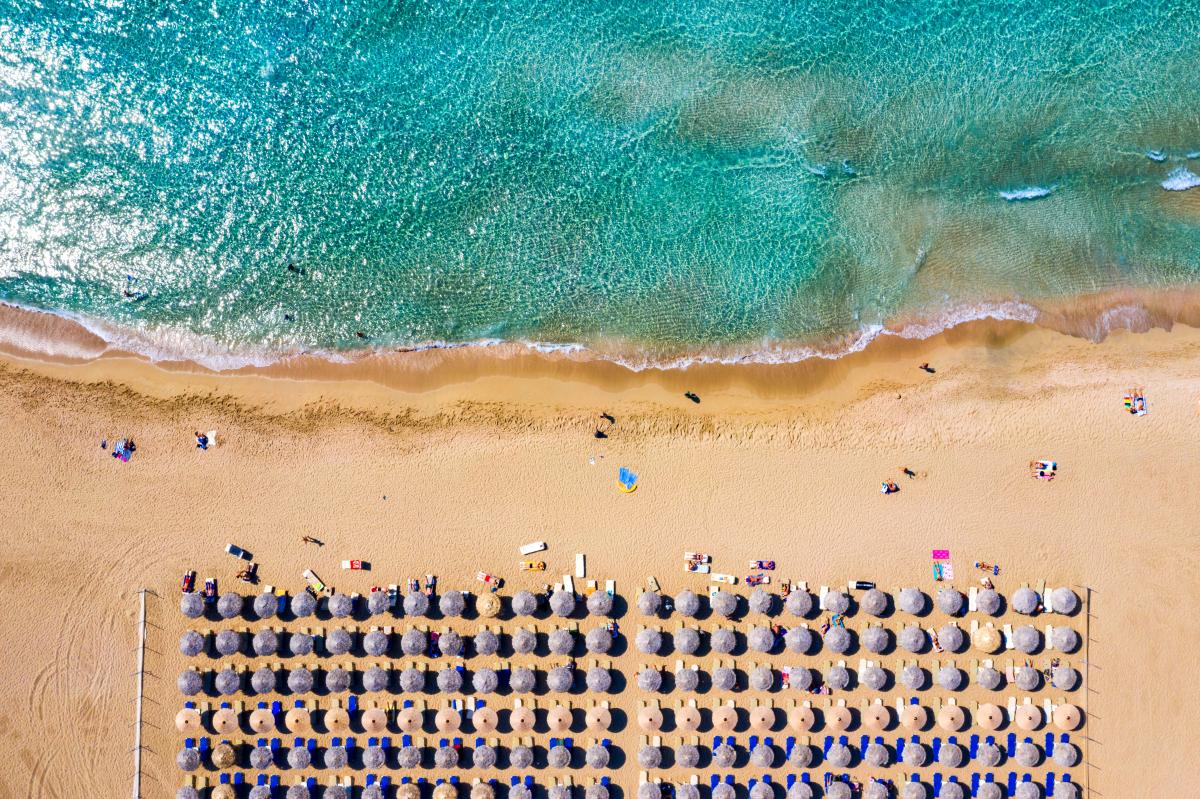
"Занадто багато туристів": Греція запроваджує жорсткі нові правила для пляжів

Що поставлять на стіл для Чарльза III у Трампа: кухар розкрив несподівані деталі раціону короля

Новий CEO Apple зробив важливу заяву про стратегію компанії
