European firms in China rethink supply chains as Iran war drives up costs, survey finds
Supply disruptions and rising costs linked to Middle East instability are forcing companies to adjust sourcing, production and investment plans
2-MIN READ2-MIN Listen
The flash survey of European companies found that more than a quarter of firms had adjusted their supply chain strategies in China following the Middle East conflict, as higher energy and logistics costs weigh on operations.
AdvertisementSix in 10 chemicals and petroleum firms had made changes, with 35 per cent of these further onshoring production to China, the survey showed. In the machinery sector, 14 per cent of those making supply chain adjustments were looking to increase local production capacity, according to the report published on Tuesday.
Almost three months after the United States and Israel launched air strikes against Iran, the global economy continues to face heightened uncertainties, particularly as energy supplies remain disrupted in the Strait of Hormuz.On Tuesday, US President Donald Trump told reporters that Washington and Tehran were “either going to make a deal or they’re going to be decimated”, further fuelling concerns of a protracted conflict.
The survey showed that 81 per cent of European firms in China were struggling to source Middle Eastern inputs, two-thirds reported longer delivery times and high transport costs, while about 66 per cent faced higher energy costs. Nearly a quarter of respondents warned that production stoppages were possible within three to six months if the conflict persisted.
AdvertisementThe automotive sector has been hit hardest in terms of demand, with 62 per cent of surveyed European companies operating in China reporting a decline. Overall, more than three in 10 respondents negatively affected by the conflict reported lower demand.
Select VoiceSelect Speed0.8x0.9x1.0x1.1x1.2x1.5x1.75x00:0000:001.00xСхожі новини
Mexico City’s underground secret world: Ancient temples, ritual skulls and a lost civilisation still hidden beneath modern streets

The $1.8 billion pivot: How Michael Bloomberg’s historic gift rewrote the rules of college access
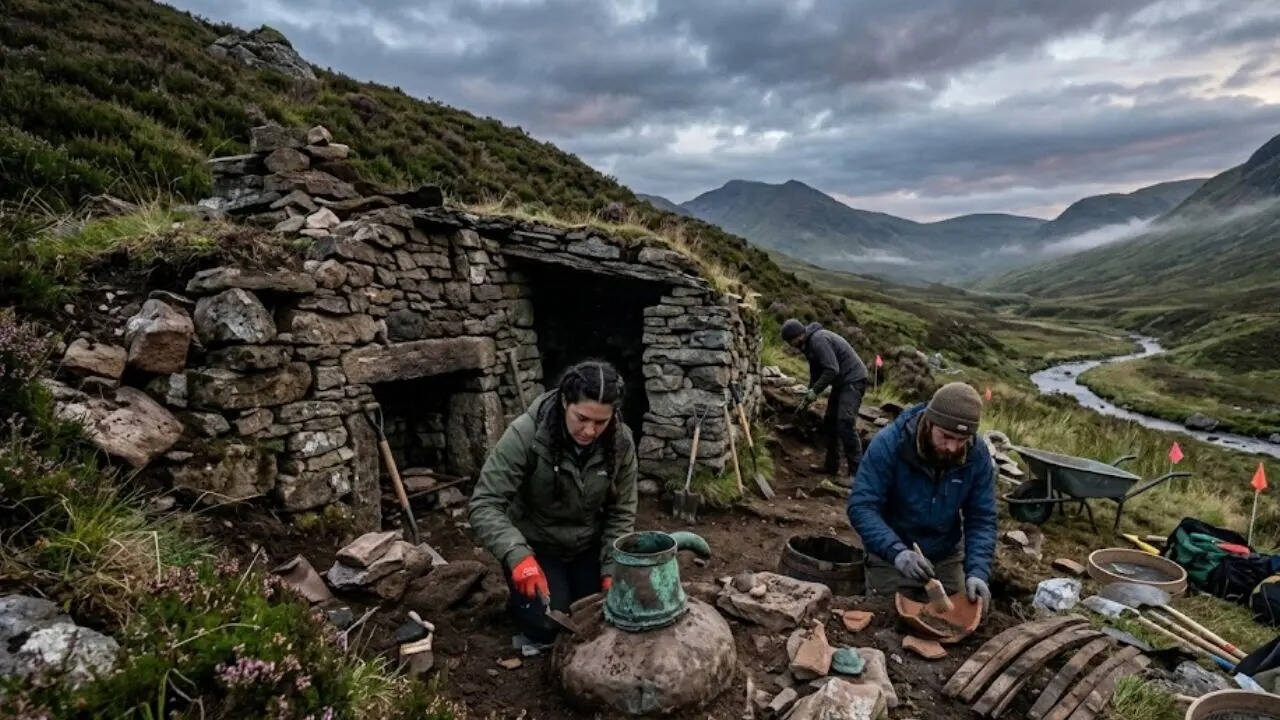
Archaeologists found a hidden 1800s whisky distillery deep in the Scottish Highlands