EU Green Hydrogen Scheme Embraces High-Tech Solar Foods
 The Finnish startup Solar Foods leverages a natural microorganism, renewable energy and green hydrogen to produce Solein, a protein-rich food supplement produced through gas fermentation (cropped, courtesy of Solar Foods).
May 3, 20269 minutes
Tina Casey
0 Comments
Support CleanTechnica's work through a Substack subscription or on Stripe.
The Finnish startup Solar Foods leverages a natural microorganism, renewable energy and green hydrogen to produce Solein, a protein-rich food supplement produced through gas fermentation (cropped, courtesy of Solar Foods).
May 3, 20269 minutes
Tina Casey
0 Comments
Support CleanTechnica's work through a Substack subscription or on Stripe.
The law of unintended consequences was hard at work on February 28 when US President Donald Trump launched his war against Iran. The cost of fossil fuels has been spiraling upwards ever since, while the case for renewable energy is stronger than ever before. With that in mind, let’s take a look at BalticSeaH2, an ambitious European Union green hydrogen project that has just earned the support of the Finnish food systems innovator Solar Foods.
Solar Foods Cracks The Green Hydrogen Code
Hydrogen has greased the wheels of modern industry and agriculture since the 1930s, when a method for squeezing the ubiquitous element from natural gas began to surface in widespread use, with gassified coal also playing a role in hydrogen production.
Green hydrogen is a new, 21st century development in the hydrogen supply chain. The “green” refers to hydrogen pushed from water in electrolysis systems, powered by renewable energy. Biomass and plastic waste are among other non-fossil options under exploration, but water electrolysis has been attracting the lion’s share of attention from public and private investors.
Despite the falling cost of renewable energy, green hydrogen has been slow to knock conventional hydrogen out of the market. Growing pains on the electrolysis system side are part of the reason. Battery-electric technology is also competing — successfully, so far — with hydrogen electric fuel cells for a share of the transportation and storage markets. Still, that leaves some wriggle room for inventive startups to explore other markets, and Solar Foods is one of them.
Solar Foods sailed across the CleanTechnica radar in 2024 when it described its plans for scaling up Solein, a synthetic protein compound composed of 65–70% protein, 5–8% fat, 10–15% dietary fiber, and 3–5% mineral nutrients.
“The company has developed a system for producing large quantities of a natural microorganism, fed by carbon dioxide along with green hydrogen and oxygen,” was the report from CleanTechnica, describing the company’s gas fermentation system.
A similar nutritional mixture can be found in dried soy and algae compounds, among other protein-rich products. To stand out from the crowd, Solar Foods pitches its Solein as an additive that has no taste of its own, unlike other products that lend a chalky or unpleasant aura to recipes.
“Solein originates from a natural, non-modified, single-cell organism,” the company explains. “It is completely natural, even though it is not grown traditionally.”
Stepping Into The BalticSeaH2
In 2024, Solar Foods was still focusing its attention on small-batch production at its laboratory near Helsinki, having found a niche market for Solein in Singapore consisting of snack bars and gelato, among other products. That’s not a particularly impressive contribution to a sprawling EU-funded, energy-centered enterprise like BalticSeaH2, but the company was just getting started.
Solar Foods announced the launch of its first full-scale Solein factory, Factory 01, in April of 2024. Located in Vanta, Factory 01 aimed at an annual production goal of 160 tons of Solein per year. “On a daily basis, Solar Foods estimates that its commercial scale bioreactor can produce the same amount of protein as the milk from a 300-cow dairy farm,” the company noted.
Connecting the dots from a sustainability point of view, 160 tons per year is a much more substantial contribution to a game-changing energy plan than lab-scale batches. Even more impressive is the forthcoming, 6,400 tons-per-year Factory 02. While Factory 02 is still in the planning stages, Solar Foods has spotted an opportunity to scale even further by networking with other BalticSeaH2 partners.
“The production facility will be implemented together with strategic partners, who will be responsible for among other things the hydrogen production of Factory 02, allowing Solar Foods to focus more strongly on developing its core technology of gas fermentation and related biology, as well as on the global commercialisation of Solein,” Solar Foods explained in a press statement emailed to CleanTechnica last week.
What, Exactly, Is BalticSeaH2 Promising?
BalticSeaH2 launched in 2023 as a five-year project linking Finland and Estonia, billing itself as the largest cross-border “hydrogen valley” project of its kind.
“With an impressive consortium of 40 partners from nine Baltic Sea area countries, BalticSeaH2 strives to build an integrated, interregional hydrogen economy on an unprecedented scale in Europe,” the organization explains. “By project completion, the production potential for hydrogen is set to reach 60,000 tonnes annually, enabling various industries involved in the project to utilize or sell hydrogen and its derivatives.”
BalticSeaH2 aims to leverage existing gas, electricity, and maritime infrastructure between the two countries. “In addition, Gasgrid Finland is already preparing hydrogen infrastructure: Nordic-Baltic Hydrogen Corridor, Baltic Sea Hydrogen Collector and Nordic Hydrogen Route enable strong growth for hydrogen economy and hydrogen markets in the Baltic Sea region,” the organization adds.
What About The Green Hydrogen?
Green hydrogen does not get a mention by name in the BalticSeaH2 overview. However, organization has published three of 10 forthcoming investment cases, all of which center green hydrogen:
P2X Solutions: A 20MW electrolyser with synthetic methane production capacity in Harjavalta, Finland. Plant includes the capabilities to deliver pressurized green hydrogen and synthetic methane containers to all customers in industry and transport sector.
Green North Energy: One of the first green ammonia plants in Finland, which will also include one of the largest green hydrogen plants currently being planned in the country. As a result, contributing to 1) a substantial environmental impact through reduced carbon emissions, 2) ensuring European food security by enabling localized fertilizer production and 3) supporting maritime continuity with alternative fuel options.
Helen: A green hydrogen production plant in Vuosaari, Helsinki. The produced hydrogen will primarily be used through a hydrogen refuelling station…mainly for heavy-duty vehicles. The waste heat generated in the production process will be utilised in Helen’s district heating network.
Helen further notes that the Helsinki project is a pilot-scale facility aimed at supporting the case for further scaleup. The company is currently exploring the potential for a 100-200 megawatt green hydrogen facility, also to be located in the seaside district of Vuosaari.
A fourth investment case fell by the wayside in October of 2024, when Neste dropped the idea of establishing a 120 megawatt electrolyzer project at its Porvoo refinery in Finland. “While the initial project is discontinued, Neste is actively evaluating alternative pathways,” BalticSeaH2 reports.
The Iran War Factor
Neste may want to take another look at that Provoo project. The EU, the UK and other European nations have been trying to thread the green hydrogen needle with varying degrees of success. When Russian President Vladimir Putin launched his misbegotten rampage through Ukraine in February of 2022, green hydrogen was considered as part of a broader strategy for shaking off the baggage of fossil fuels imported from Russia.
Even under soul-crushing attacks from Russia, Ukraine began developing the case for joining the EU as a new partner with substantial green hydrogen and renewable energy assets to contribute. The renewable energy resources of the Baltic Sea have been a focus of attention among other countries as well. The BalticSeaH2 project is one example, and there are others. In 2024, for example, the leading energy investment group Copenhagen Infrastructure Partners announced a plan to establish green hydrogen “energy islands” off the coast of Estonia. Last year plans also began to firm up for the new “Nordic-Baltic Hydrogen Corridor,” connecting green hydrogen resources in Lithuania, Latvia, and Estonia with Finland, Poland, and Germany.
Still, up until February 28, 2026, the economic case for green hydrogen was on shaky ground. President Trump changed that in one fell swoop. The cost gap between green hydrogen and conventional hydrogen is shrinking by the minute, and now military supply stakeholders in the EU and elsewhere are making the case for rapid scaleup. Hold on to your hats…
Photo: The Finnish startup Solar Foods leverages renewable energy and green hydrogen to produce Solein, a protein-rich food supplement produced through gas fermentation (cropped, courtesy of Solar Foods).
Sign up for CleanTechnica's Weekly Substack for Zach and Scott's in-depth analyses and high level summaries, sign up for our daily newsletter, and follow us on Google News! Advertisement Have a tip for CleanTechnica? Want to advertise? Want to suggest a guest for our CleanTech Talk podcast? Contact us here. Sign up for our daily newsletter for 15 new cleantech stories a day. Or sign up for our weekly one on top stories of the week if daily is too frequent. CleanTechnica uses affiliate links. See our policy here.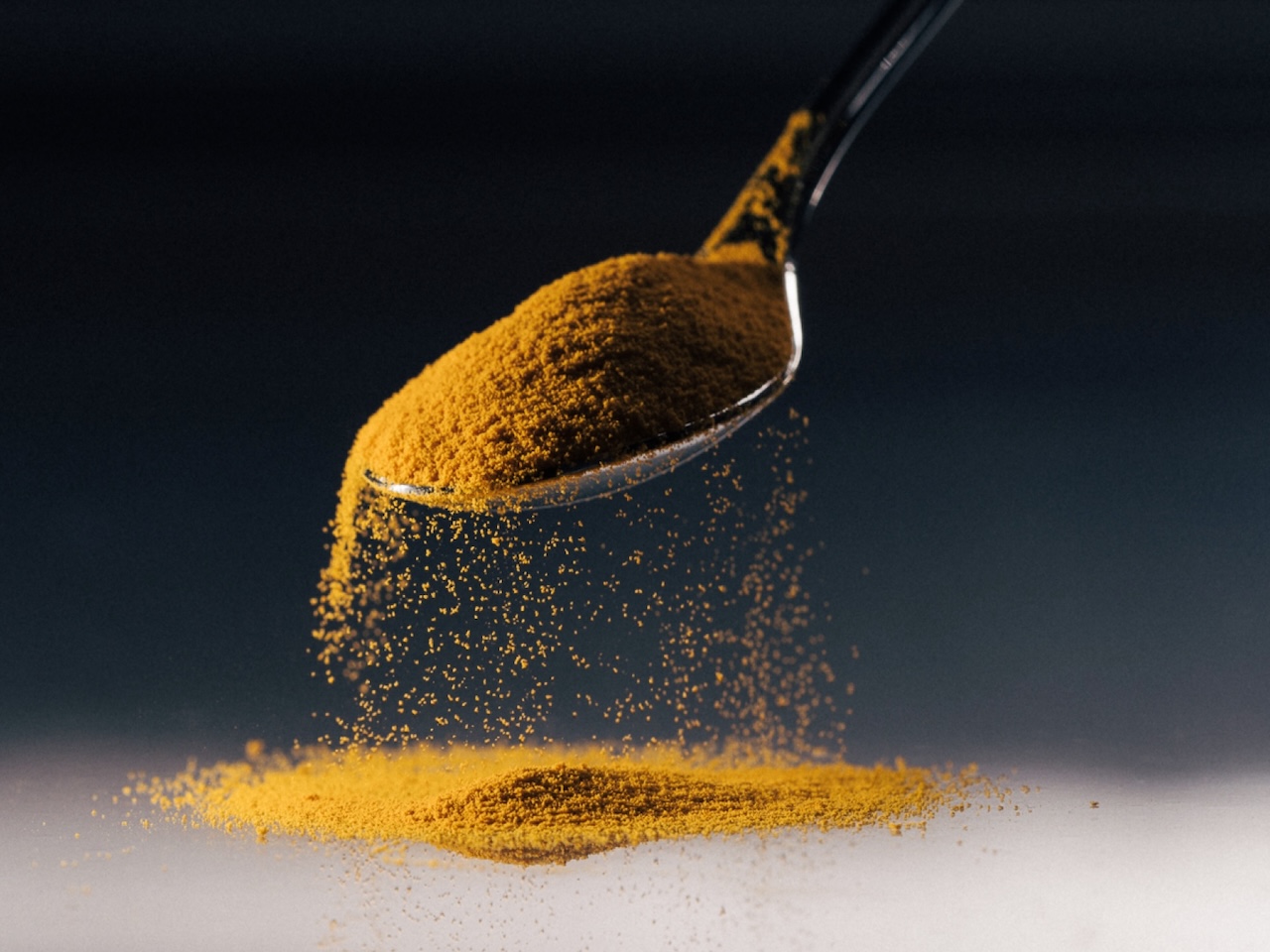
CleanTechnica's Comment Policy
Share this story!
Схожі новини

Как выбрать ноутбук для удаленной работы в 2026 году
Solid-State EV Batteries Will Crush The Fossil Fuel Fantasy

Зірвали постачання для ворога: "Атеш" знищив військову вантажівку в окупованому Луганську
