Engine dilemma lies at heart of successful take-off for China’s C919
.jpg?itok=nwrFC-Aa&v=1747107027)
Launching the aircraft with the imported LEAP-1C engine has led to bottlenecks and dependence but developing a convincing home-made engine will take time
3-MIN READ3-MIN Listen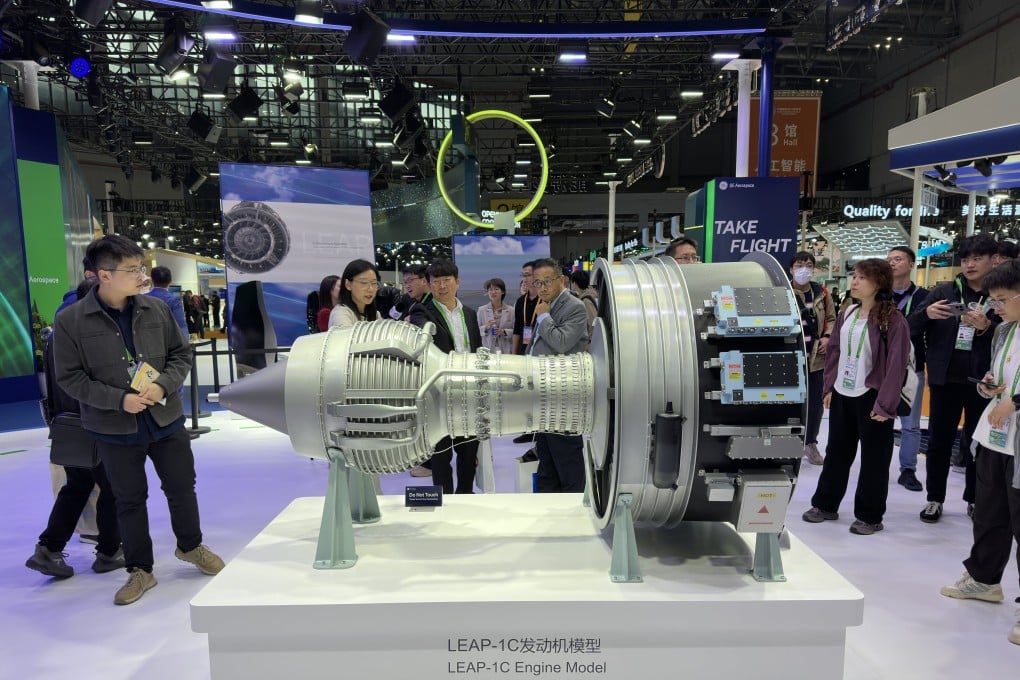
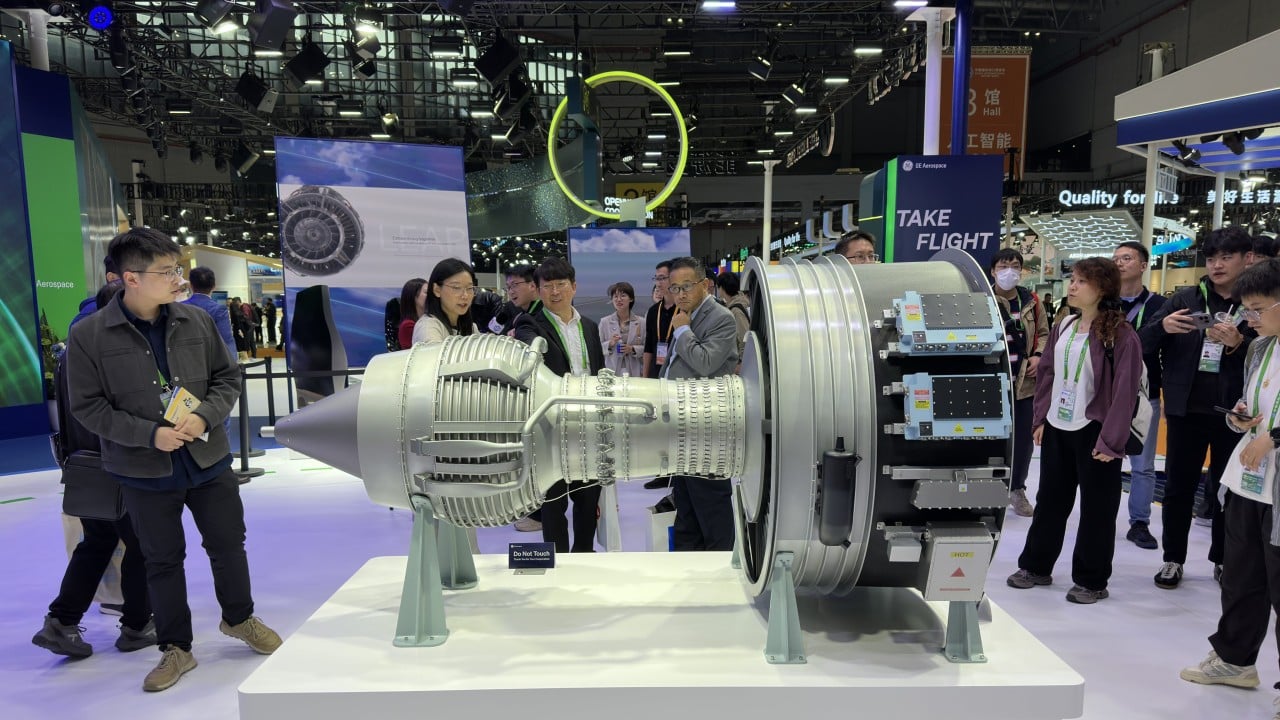
Comac’s position has been consistent: quality will not be sacrificed for speed. In aviation, that instinct is sound. But the slowdown points to something deeper: a structural constraint at the heart of China’s narrowbody airliner ambitions. And that constraint lies in the engine.
AdvertisementThe C919 depends on the LEAP-1C engine, produced by CFM International, a joint venture between GE Aerospace and Safran. Assembly in Shanghai has found its rhythm. Airframes no longer seem to be the problem. The bottleneck appears to emerge after completion, when finished aircraft wait for engines and key components that arrive more slowly than expected.This is more than a temporary squeeze. Shortages in high-performance turbine components have forced suppliers to prioritise established customers such as Boeing and Airbus while new entrants wait. More importantly, it exposes how much of the C919 still depends on external inputs at its most critical point. Engines define performance, reliability and maintenance ecosystems. When access to them tightens, whether due to production limits or political decisions, everything else slows down.
AdvertisementThat vulnerability became clear last year, when US export licensing restrictions disrupted engine deliveries and forced Comac to revise output. What looked like an operational delay revealed structural exposure. As aviation consultants have pointed out, the challenge is not simply how many aircraft can be built, but whether the supply chain behind them can be relied upon.
01:36
China’s home-grown C919 plane touches down in Hong Kong on ‘historic’ flight
China’s home-grown C919 plane touches down in Hong Kong on ‘historic’ flightAdvertisementSelect VoiceSelect Speed0.8x0.9x1.0x1.1x1.2x1.5x1.75x00:0000:001.00xСхожі новини
Nissan to ramp up Egypt carmaking in bid to boost Africa sales
Ціни на пальне: які продукти і товари в Україні "шокують" вартістю вже влітку — два сценарії для українців

Коли варто задуматись про продаж свого авто