Archaeologists Unearth Roman-Era Mummy Containing Ancient Greek Text of Homer's 'Iliad'
Extraordinary Discovery Reveals Sacred Literary Text Placed Within Ancient Remains
Researchers excavating a cemetery in Egypt have made an unprecedented archaeological breakthrough, uncovering a Roman-period mummy that contains a papyrus manuscript featuring passages from Homer's classic epic poem the "Iliad." Experts are hailing the discovery as truly exceptional, marking the first documented instance of a Greek literary work intentionally incorporated into a mummification ritual.
The papyrus, inscribed in Greek on organic material, preserves portions of Book 2 from the "Iliad," the section documenting the naval fleet assembled for the assault on the ancient city of Troy. According to the University of Barcelona, the text specifically catalogues the vessels deployed against Troy. During the embalming process, the manuscript would have been deliberately positioned within the deceased's abdominal cavity.
Location and Historical Context
The mummy surfaced during excavations at a burial ground near the modern settlement of Al-Bahnasa in Egypt, formerly known as Oxyrhynchus in antiquity. The remains date to the Roman occupation of Egypt, which commenced in 30 B.C. following Cleopatra's suicide and continued until A.D. 641, when the Rashidun Caliphate assumed control of the region.
The Oxyrhynchus site has undergone intermittent archaeological examination spanning more than one hundred years. During late nineteenth and early twentieth-century campaigns, excavators recovered approximately 500,000 papyri fragments from the location.
Purpose and Significance
According to Esther Pons Mellado, co-director of the ongoing archaeological mission at Oxyrhynchus, the papyrus was strategically positioned on the deceased's abdomen as a protective measure for the afterlife journey. During the Roman administrative period in Egypt, it was customary to place written documents within mummies, typically in the chest or abdominal regions. However, scholars remain uncertain about the specific protective properties ancient Egyptians attributed to these texts.
"The discovery is exceptional: it is the first time in the history of archaeology that a Greek literary text has been found deliberately incorporated into the mummification process," stated the University of Barcelona in an official announcement.
Linguist Ignasi-Xavier Adiego from the University of Barcelona, who examined the papyrus, emphasized that while other Greek literary materials have been discovered at Oxyrhynchus, the true innovation of this find lies in its funerary context. Papyri typically encountered within mummies generally contain magical or religious texts rather than literary works.
Current Investigation Status
Researchers have determined that the mummy belonged to an adult male, though comprehensive analysis remains incomplete. "The papyrus is very important and relevant, but of course the study is not finished yet," noted co-directors Pons Mellado and Maite Mascort in correspondence.
Additional Archaeological Findings
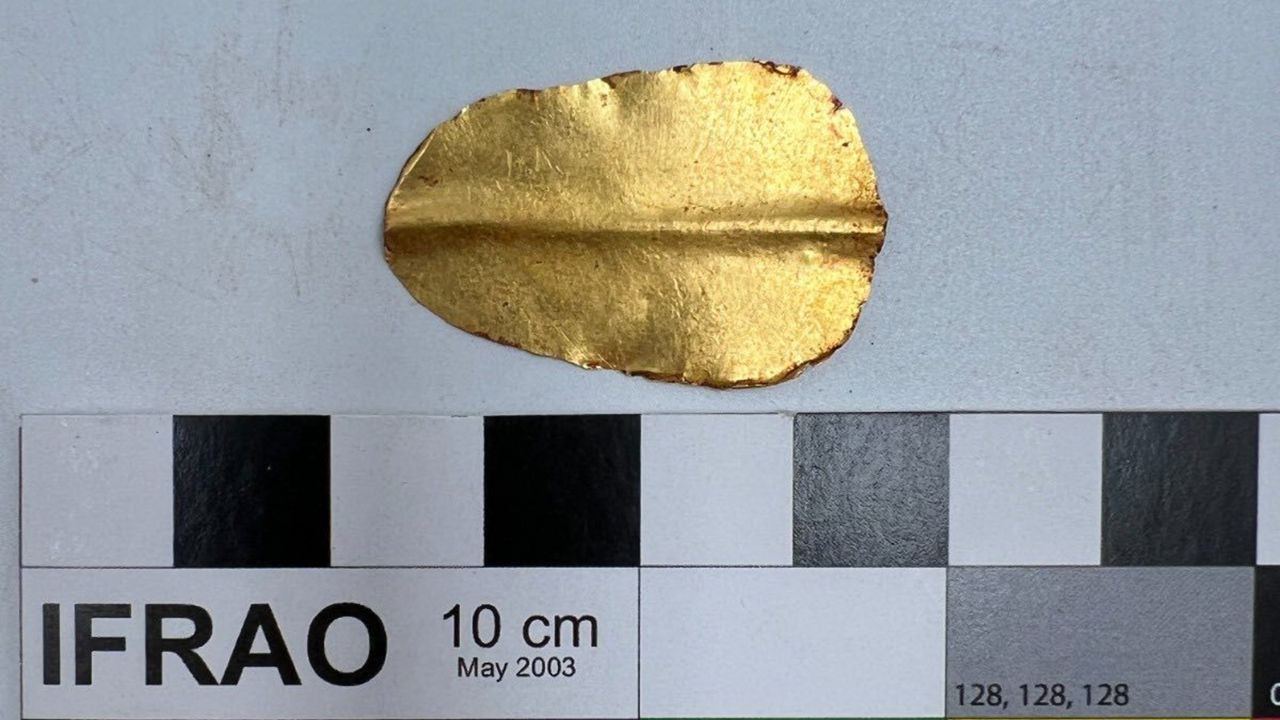
The mummy containing the Homeric text emerged during an excavation campaign spanning November through December 2025. Prior investigations at this cemetery site had yielded more than a dozen mummies equipped with gold tongues, which ancient practitioners believed facilitated communication in the realm of the deceased.
The most recent excavation yielded three additional gold tongues and one copper tongue. In ancient Egyptian belief systems, gold represented the divine flesh of the gods, and a tongue fashioned from this precious metal would theoretically enable communication with the divine realm. The rationale for employing copper in one instance remains unclear.
It is currently undetermined whether the "Iliad" mummy possessed either a gold or copper tongue, as the examination process continues.
Схожі новини
Учені виявили приховану мережу мозку з клітин-помічників
Дайвер зафіксував дивовижне явище: риби-хірурги змінюють колір на рифі