Don't miss the Eta Aquarid meteor shower 2026 peak tonight! Viewing times, locations and tips
Heads up, skywatchers! Don't miss the Eta Aquarid meteor shower tonight, as activity peaks in the predawn hours of May 6.
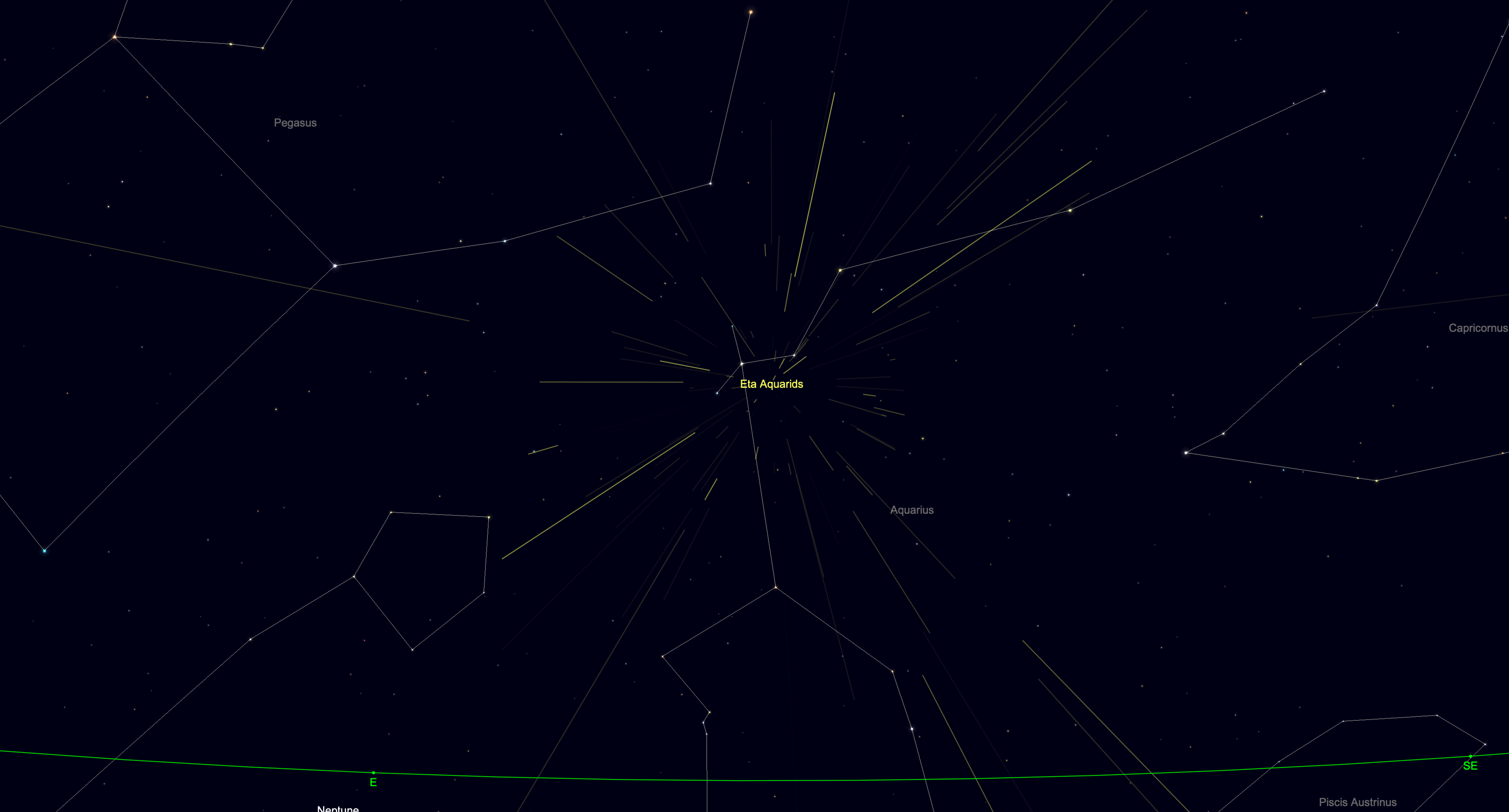
Under ideal conditions, it's possible to see up to 60 meteors per hour when viewing from the Southern Hemisphere, but viewers in the Northern Hemisphere will see significantly fewer due to the Eta Aquarid radiant (the point in the sky the meteors appear to streak from) remaining low above the southeast horizon.
Article continues belowWhere to look
Aquarius constellation positionRight ascension: 23 hours
Declination: -15 degrees
Latitudes: Between 65 and -90 degrees
For observers in the Northern Hemisphere, the Eta Aquarids will appear low on the horizon, emanating from the constellation Aquarius. For observers in the Southern Hemisphere, the Eta Aquarids are one of the best meteor showers of the year as the radiant appears much higher in the sky.
When to look
The best time to look for the Eta Aquarids is in the early morning hours of May 6, just before dawn. By this time, Aquarius is at its highest in the sky (albeit still fairly low).
What are they?
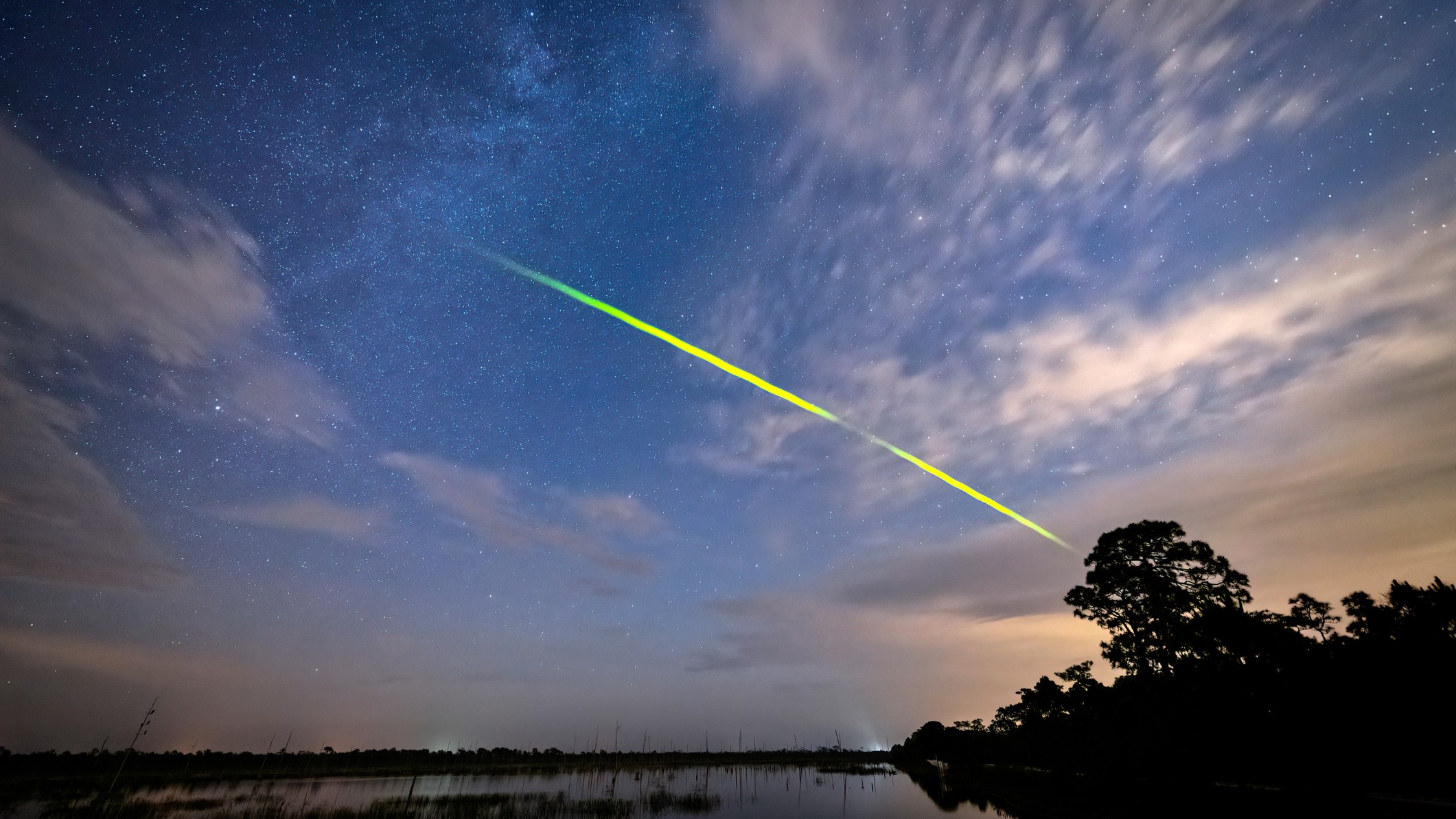
When you see an Aquarid meteor, you're watching a tiny piece of Halley's Comet burn up in Earth's atmosphere. Halley's Comet is a periodic comet that returns to Earth's vicinity once every 75 years or so. It was last here in 1986 and is projected to return in 2061. The comet, officially called 1P/Halley, is named after English astronomer Edmond Halley.
Viewing tips
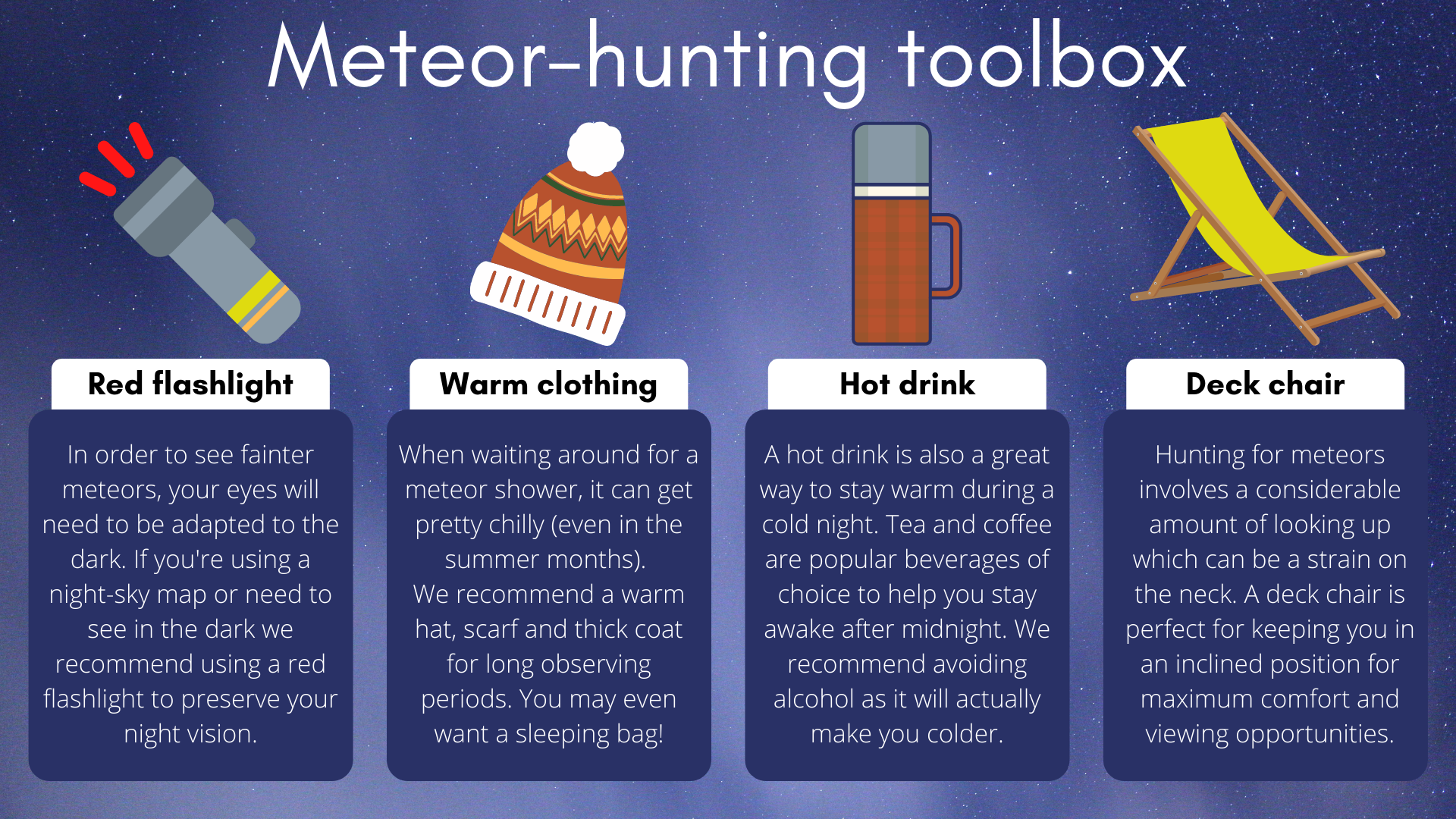
- Head to a dark location away from city lights if possible
- Once there, allow your eyes at least 20-30 minutes to adjust to the darkness and avoid looking at your phone during this time (easier said than done!), as this will reset your night vision
- Wrap up warm, as you could be outside for a long time. Meteors can come in bursts, so give yourself at least an hour or two to enjoy the show.
If you're hoping to capture an Aquarid meteor on camera, our guide on how to photograph meteor showers can help. We've also rounded up the best cameras for astrophotography if you're thinking of upgrading your kit for the next big sky show.
Editor's Note: If you snap a photo of an Eta Aquarid meteor and would like to share it with Space.com's readers, send your photo(s), comments, and your name and location to spacephotos@space.com.
View MoreYou must confirm your public display name before commenting
Please logout and then login again, you will then be prompted to enter your display name.
Logout
Daisy Dobrijevic joined Space.com in February 2022, having previously worked as a staff writer for All About Space magazine. She completed an editorial internship with BBC Sky at Night Magazine and worked at the National Space Centre, communicating space science to the public.
Daisy holds a PhD in plant physiology and a Master's in Environmental Science. Based in Nottingham, U.K., she covers all things space, with a special focus on solar activity and space weather. She also has a keen interest in astrotourism and is always on the lookout for the next northern lights adventure.
She will be a guest speaker aboard HX's Solar Eclipse Expedition in August 2026 and will join Hurtigruten as an onboard astronomer for a northern lights sailing in January 2027.