'Directive 8020' is an introspective look at sci-fi horror and our fear of the unknown
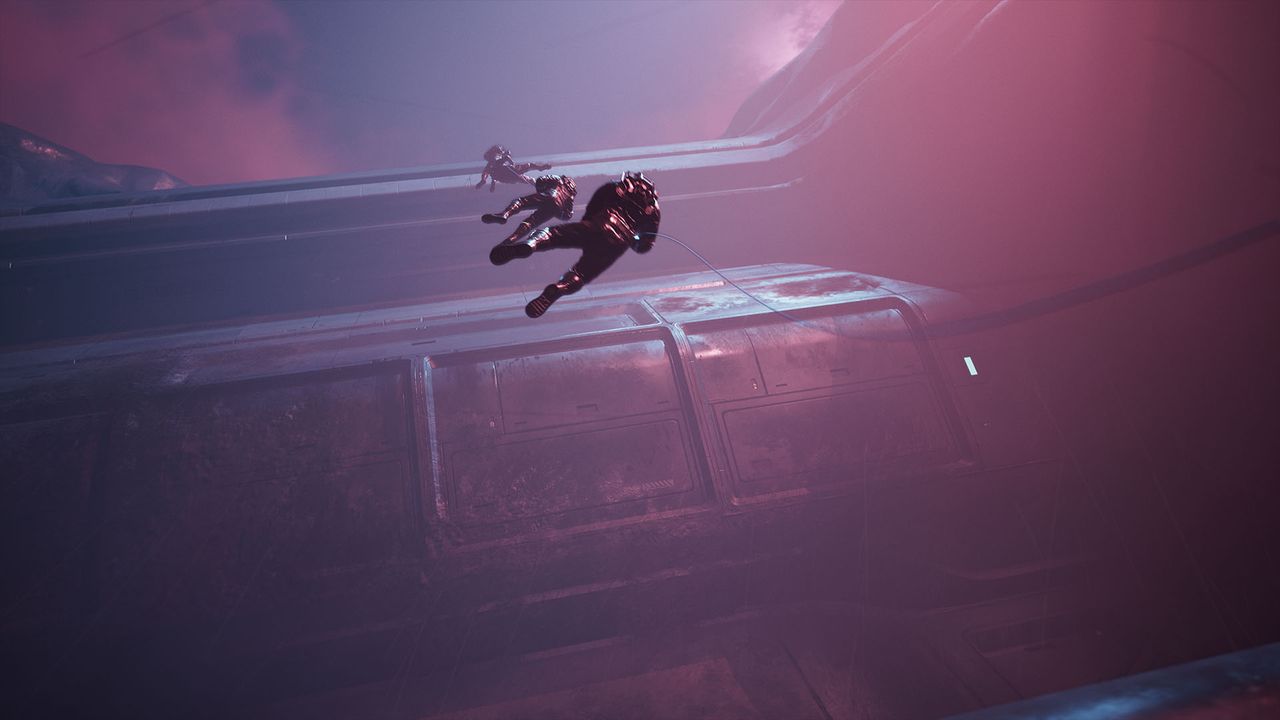
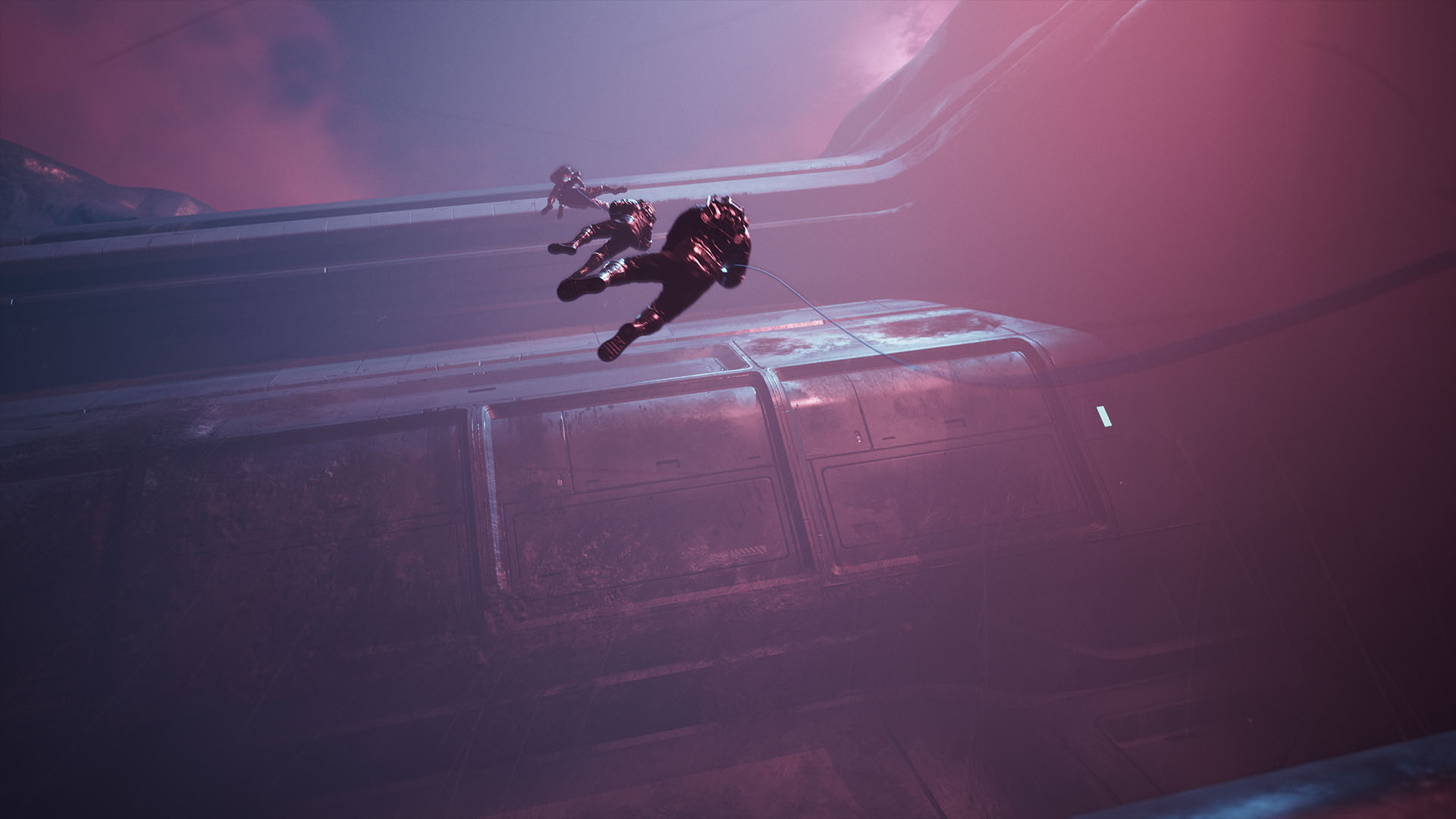
One of the core tenets of science fiction has always been the unknown, both the promise of mankind exploring vast new frontiers and the dangers of encountering life forms we know nothing about.
Some of the greatest sci-fi of all time, from Alien and The Thing all the way back to Lovecraft, have revolved around the sheer terror of facing something we simply know nothing about. As humans, we find comfort in having control, and stripping that away can reduce us to our basest instincts. That’s the idea at the heart of Directive 8020, the latest entry in the Dark Pictures series by Supermassive Games.
As the “start” of the Dark Pictures second season, Directive 8020 is a pretty astounding success that not only modernizes sci-fi’s fear of the unknown but boils it down and internalizes the idea into actual design mechanics, teasing as to where Supermassive’s series might go next.
Latest Videos FromView more Disclaimer
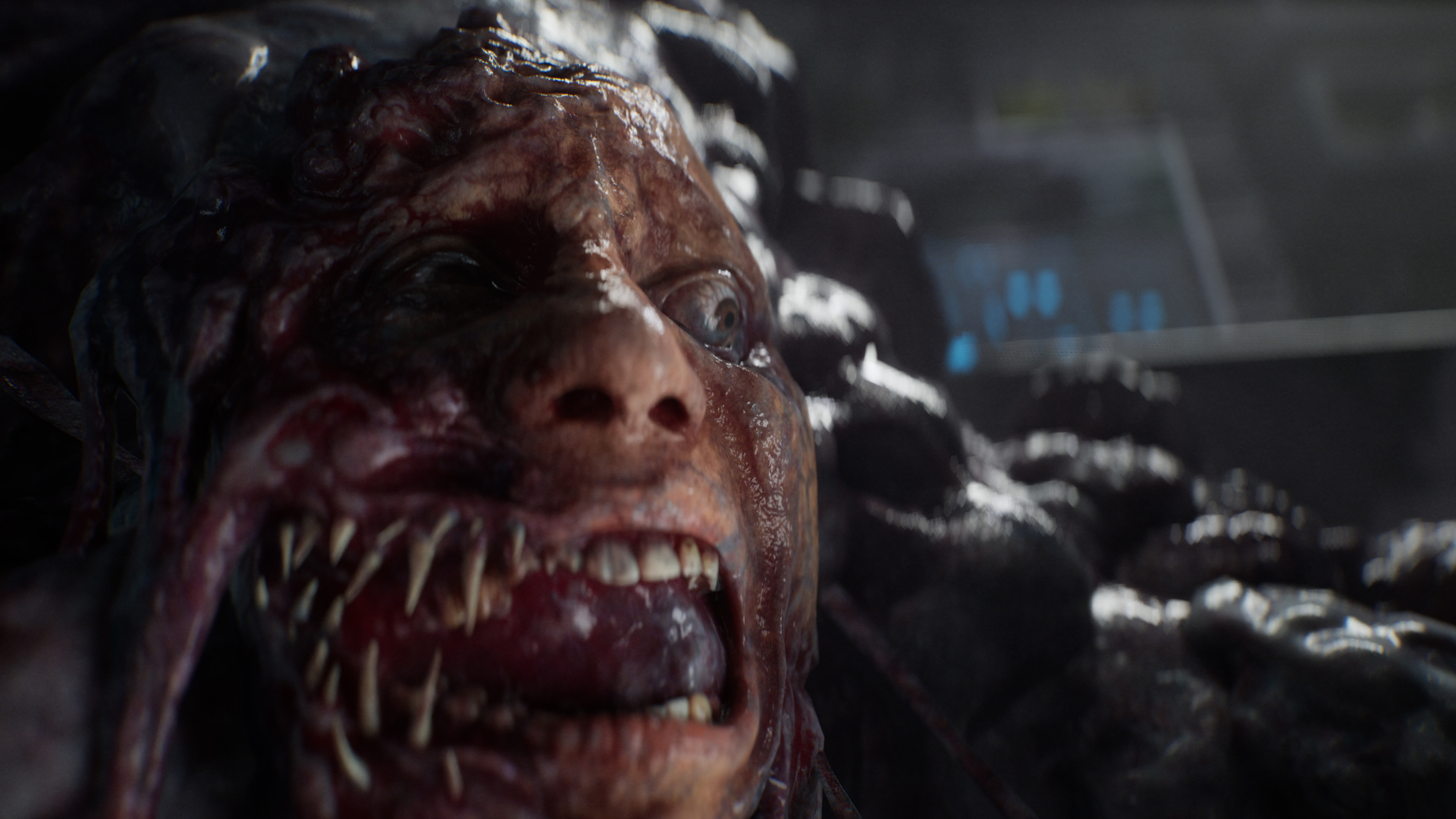
Content warning: There's some fairly grotesque body horror in this game (it's an 18+), one image of which can be seen below. If that's not your bag, turn back now.
Be Kind, Rewind
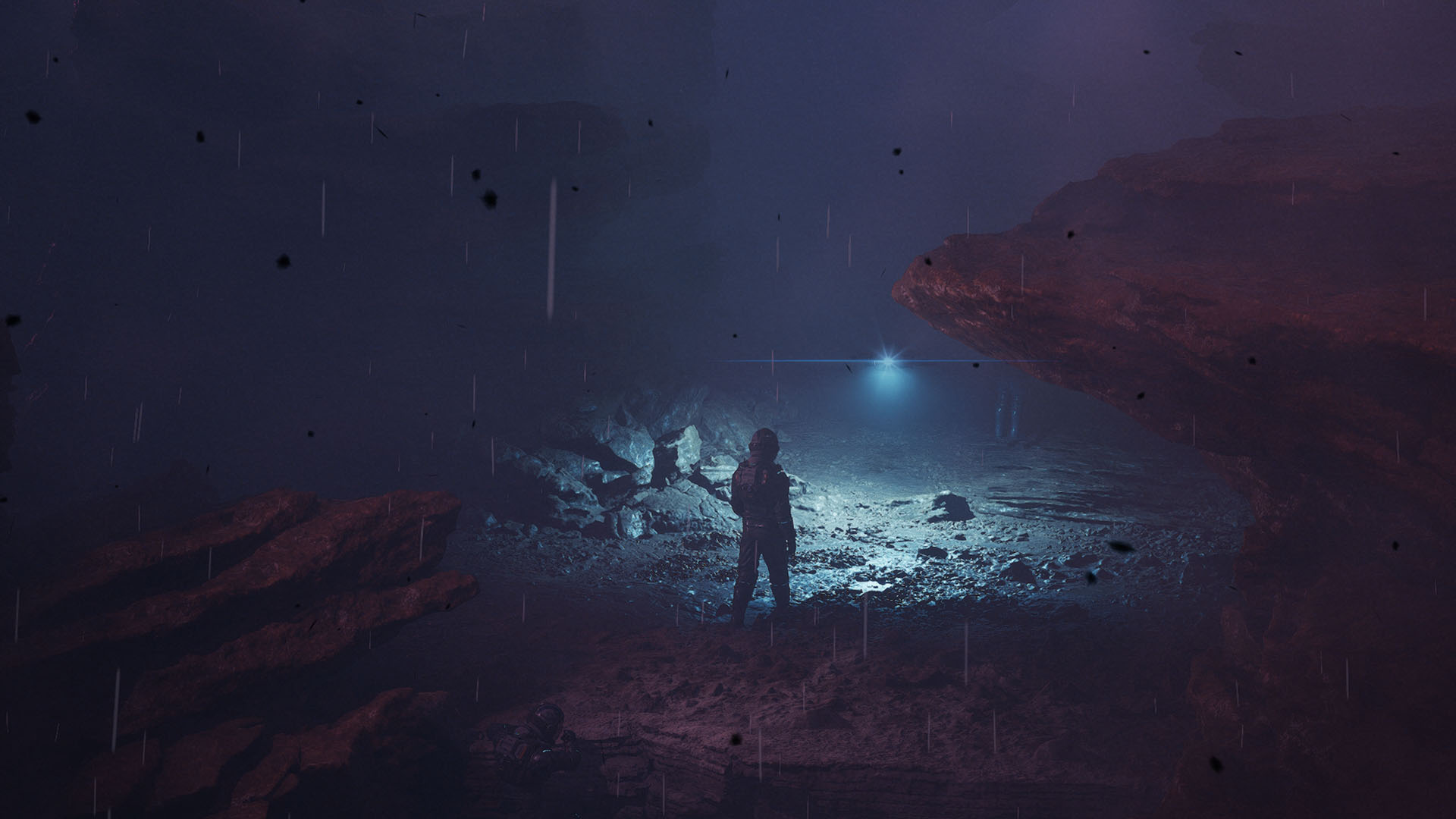
Directive 8020 wears its inspirations quite openly on its sleeve — a general vibe and aesthetic heavily influenced by The Expanse mixed with grotesque body horror in the vein of The Thing. It’s a game not afraid to fully lean into those inspirations and have fun with it, while adding its own unique interpretation as a heavily choice-based narrative experience.
If you aren’t familiar with The Dark Pictures, it’s a series of narrative horror games that are loosely connected by some overarching characters and themes, with each of the four previous games hitting a different sub-genre of horror. For example, The Devil in Me hits the slasher experience, while Man of Medan is more of a psychological ghost story.
With Directive 8020, the series branches out to sci-fi and cosmic horror, focusing on the crew of the colony ship Cassiopeia, on an expedition to find humanity’s new home on the planet Tau Ceti f, in the wake of Earth becoming nearly uninhabitable. In the midst of that journey, the crew encounters an alien lifeform and is forced to crashland on Tau Ceti f. Before long, it becomes clear that whatever this lifeform is, it can copy and imitate humans.
When I talk about the “fear of the unknown” in Directive 8020, the most obvious way that applies is directly in the narrative. Most sci-fi horror has an element of this, where the main characters don’t know what the cosmic horror is, how it functions, or what its goal is. This is an easy way to create tension and stakes — the sheer nature of an otherworldly being digs into primal horror. And even from that most surface-level, Directive 8020 mostly succeeds at what it sets out to do.
These Dark Pictures games are consistently interesting with their setups, because we’re largely dropped into the middle of a story. In Directive 8020, we don’t initially know anything about these characters or who they are, slowly discovering those pieces along the way and making key decisions that shape how you view them.
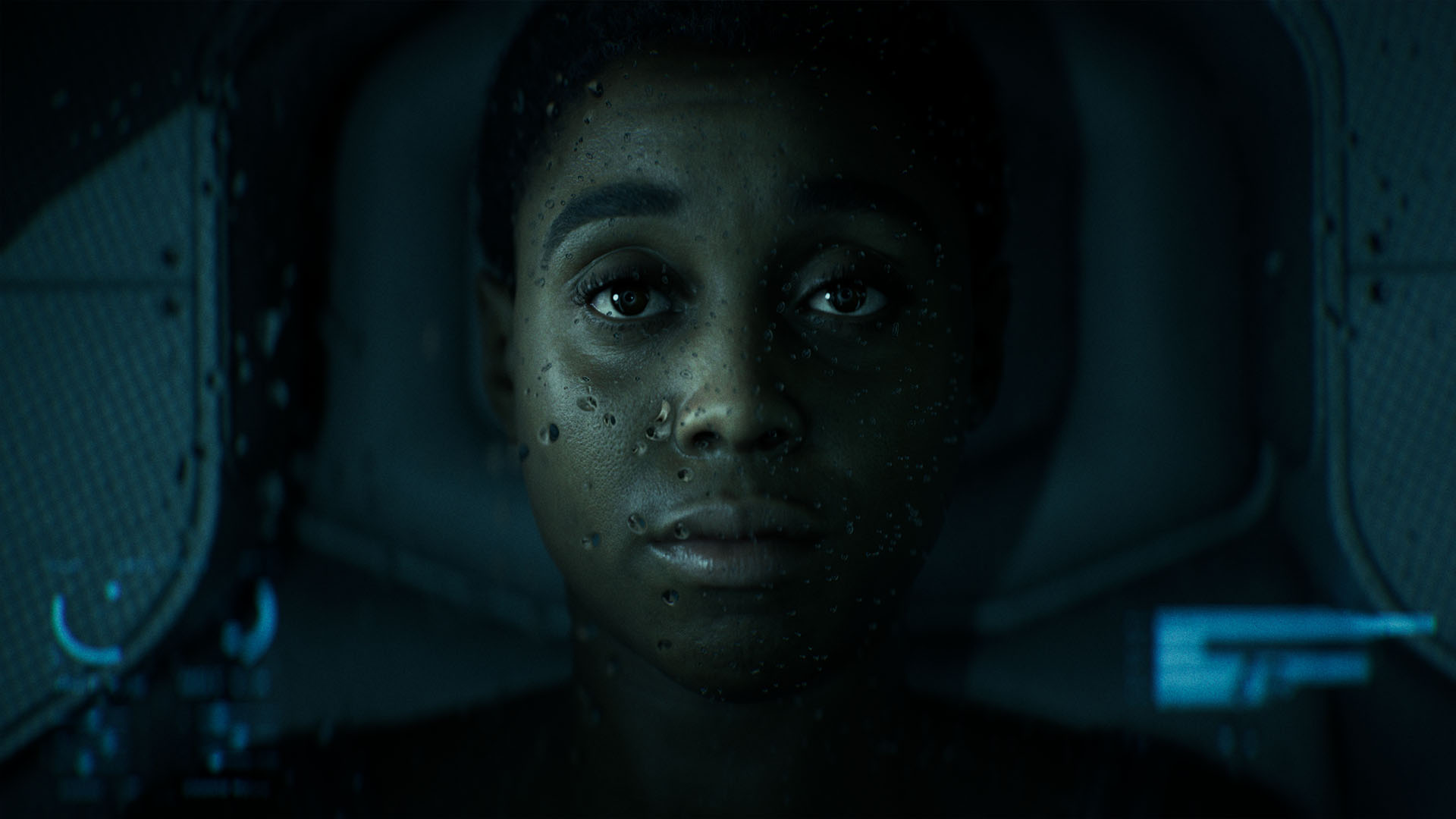
But there’s something inscrutable about the writing of Directive 8020, with characters occasionally making bizarre decisions that feel a bit off. But I read that as an intentional choice in this case, deliberately playing into the paranoia that the main narrative is supposed to invoke. It could be written off as bad writing, but it feels deliberate. Part of the game's efforts to put you off balance.
All of the Cassiopeia crew was given mental and moral tests before the mission, meant to assess how fit they were, and guarantee they wouldn’t break. But introducing the alien lifeform is an unknown variable, and that fear of the unknown is given a double layer, creating paranoia over both the alien and how other people will react to it.
Although you make decisions for these characters, they are defined characters, and part of the “unknown” quantity of the game is how your decisions might affect their personalities — and you’re essentially guessing in some cases.
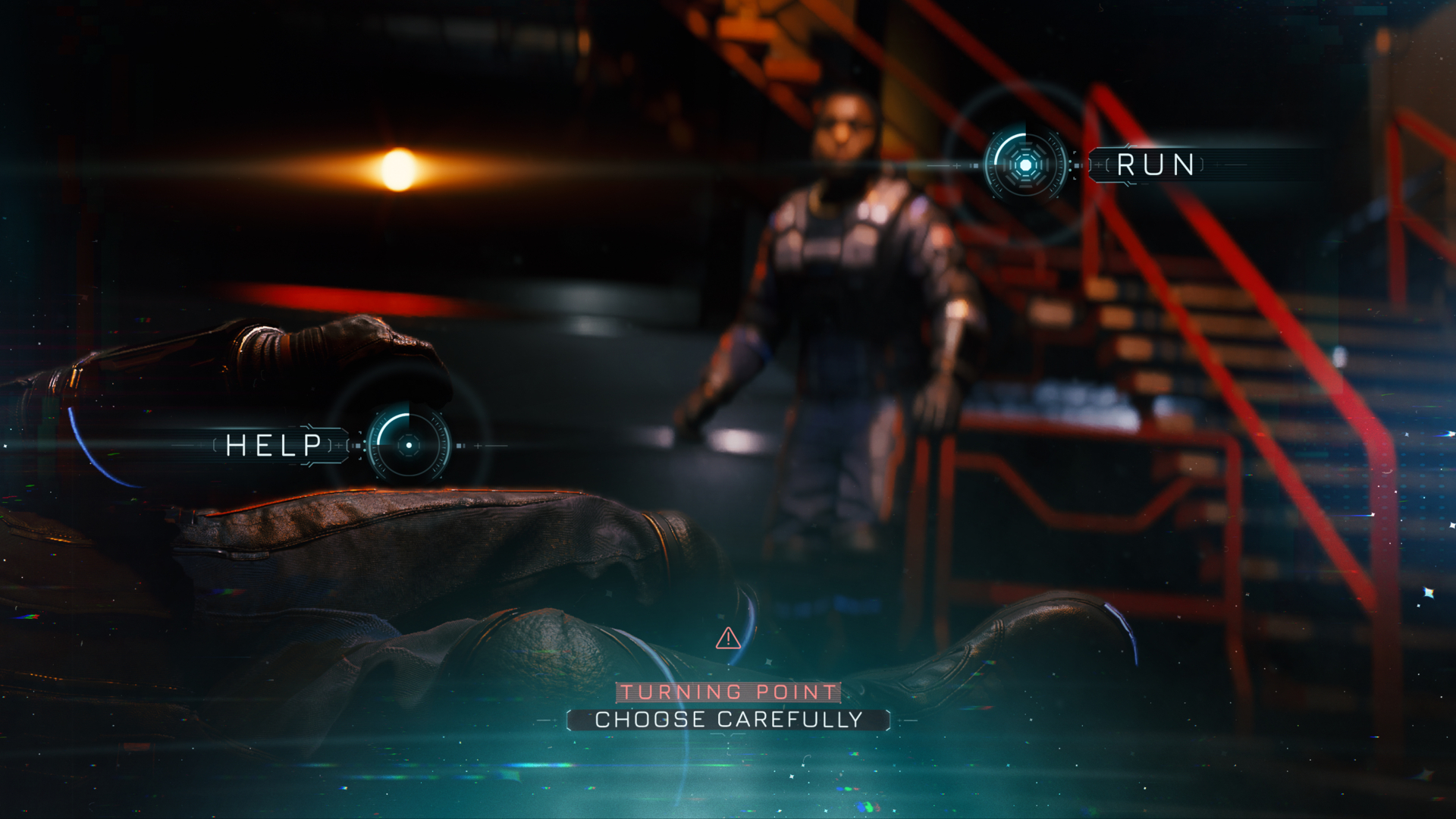
The other layer here, of course, is the branching narrative that can split, with every character having multiple chances to die and the story carrying on without them. Previous games have forced you to make decisions, then after the end of the game, you unlock a feature to go back and reload any section, and make key choices to change the narrative. Directive 8020, however, is the first game to give you that ability right from the get-go. While you can choose a mode that locks in decisions, the standard mode now gives you a story web you can view at any time, seeing the various nodes and turning point decisions, and reloading whenever you want.
It’s a fascinating shift in design that changes the entire way you approach the game, largely letting you focus more on piecing together the overall narrative, exploring scenes, and uncovering secrets. The game’s writing accommodates this by packing in more collectibles and stringing out the core mystery — and it works.
But I find that it pairs well with the game’s core theme of the unknown, by creating a story that’s more concerned with overall intrigue rather than visceral moments (even though those are still there). And that’s especially true when you account for the vastly tweaked gameplay, where Supermassive is clearly experimenting with new ideas — exploring what an uncertain future means for The Dark Pictures.
Rewriting the Formula
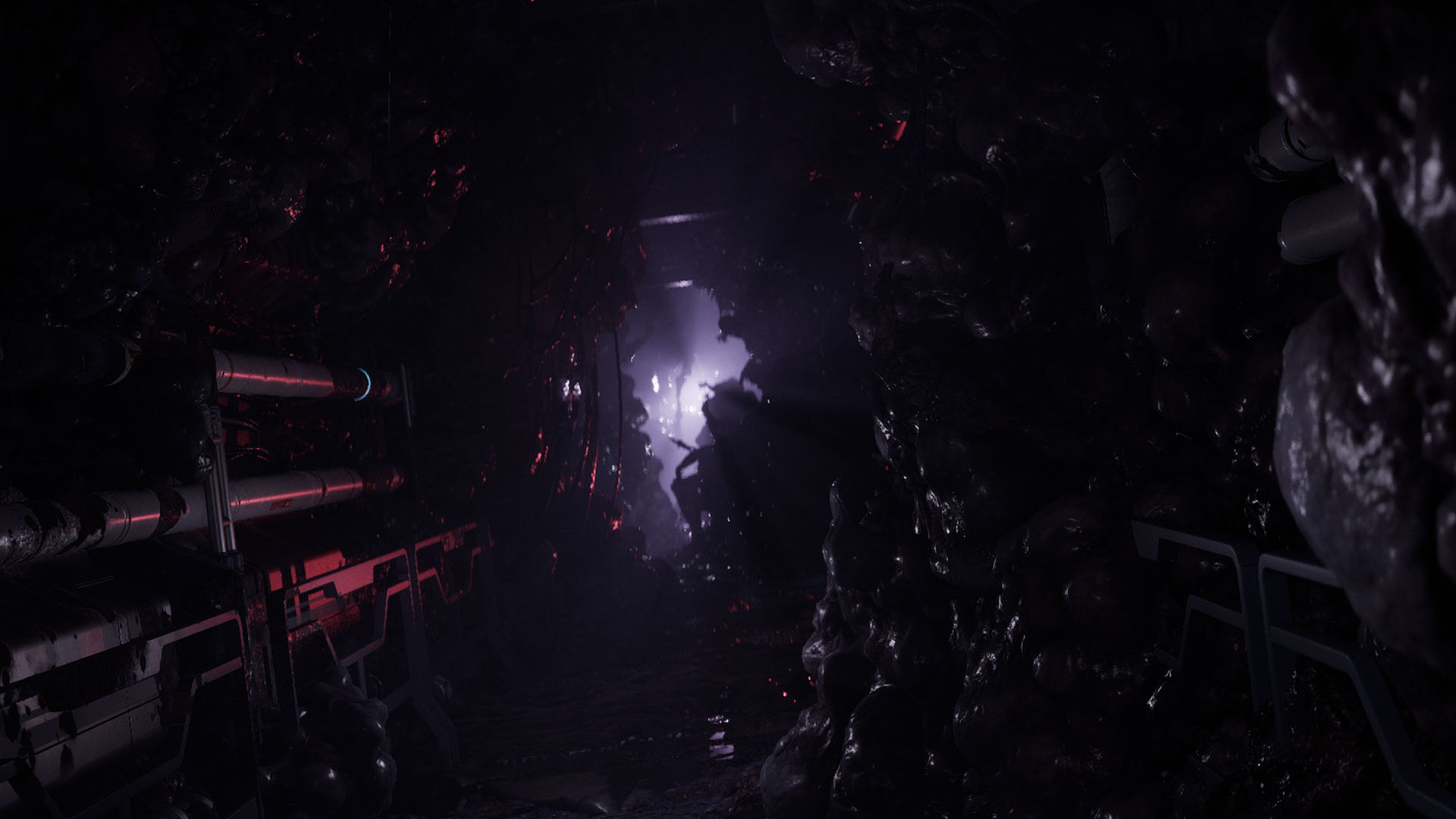
Up until now, The Dark Pictures games have stuck to the sort of Telltale-style of narrative games, with some very light exploration alongside focusing almost solely on dialogue and choices.
Directive 8020 starts to integrate more “gameplay” elements, namely stealth sections where you avoid creatures, a few puzzles for things like unlocking doors, and the aforementioned collectibles, which reveal how this game is linked to the series at large. The ties are more mysterious and understated than ever, but equally interesting. Mixed with the ability to rewind story choices, these are clear bids to make Directive 8020 more involved than past Dark Pictures games, which have oftentimes been compared to interactive movies.
It’s fascinating to see Supermassive clearly thinking about those criticisms and trying to make Directive 8020 feel more “video game-y,” so to speak. And while I largely feel that the game becomes over-reliant on stealth segments, the sheer fact that Directive 8020 uses them gives me more confidence for the future of the franchise.
Directive 8020, narratively and mechanically, feels quite a bit different from previous games, and it shows a willingness to experiment on Supermassive’s part: a willingness to evaluate what the “Dark Pictures formula” actually is. Therein lies the metatextual context of Directive 8020’s fear of the unknown, an uncertain future for the series where it has to adapt and change to survive.
That makes Directive 8020 far more interesting than it could be as just a standalone horror story, and I can easily see this game taking on even more context as future Dark Pictures games are released. This multilayered approach to Directive 8020’s core theme helps the game punch far above its weight, giving it extra context as both a homage to one of sci-fi’s most important sub-genres and a living piece for the series itself.
Somehow, The Dark Pictures has managed to carve out a successful niche for itself, clearly catering to a playerbase craving a kind of narrative experience that is underserved. With Directive 8020, Supermassive questions why all that worked in the first place, and what the series needs to do to adapt going forward.
It's strangely introspective, but it works, crafting a narrative that can effectively explore that core idea of uncertainty and the hope of a better future.
Directive 8020 is available now on PC, PS5, and Xbox Series X|S.
DisclaimerA review code was provided by the publisher.
View MoreYou must confirm your public display name before commenting
Please logout and then login again, you will then be prompted to enter your display name.
Logout
Hayes Madsen has covered video games for nearly 15 years, with work appearing at Inverse, IGN, Rolling Stone, GamesRadar, and more. Before writing about video games, he worked as a local reporter in Denver, Colorado. When not working, he’s most likely regretting the decision to play every single RPG that releases.
Схожі новини
NIH staffing shortage could slash number of new grants issued this year
Author Correction: The AIM2 inflammasome exacerbates atherosclerosis in clonal haematopoiesis

Никто не верил в 1,08 Маха. Инженеры NASA впервые разогнали ротор марсианского вертолета до скорости звука