Diagnostic dilemma: An infant's brown eyes turned indigo after COVID antiviral treatment
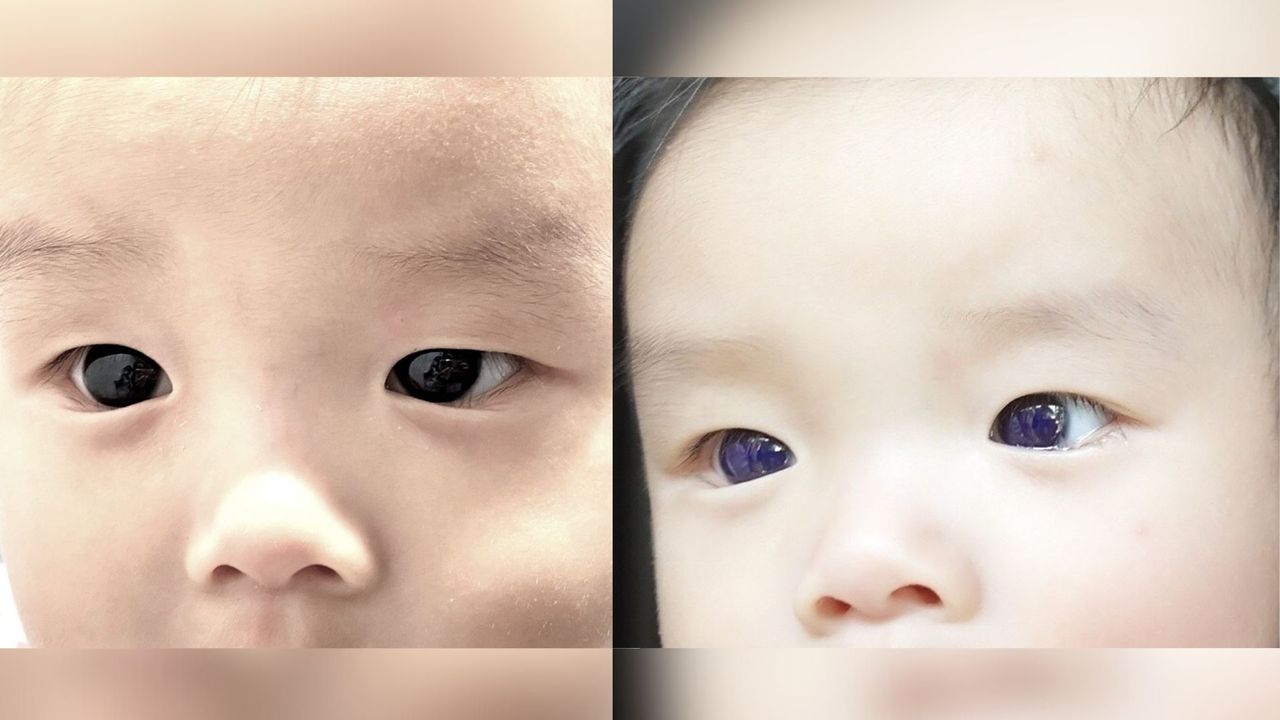
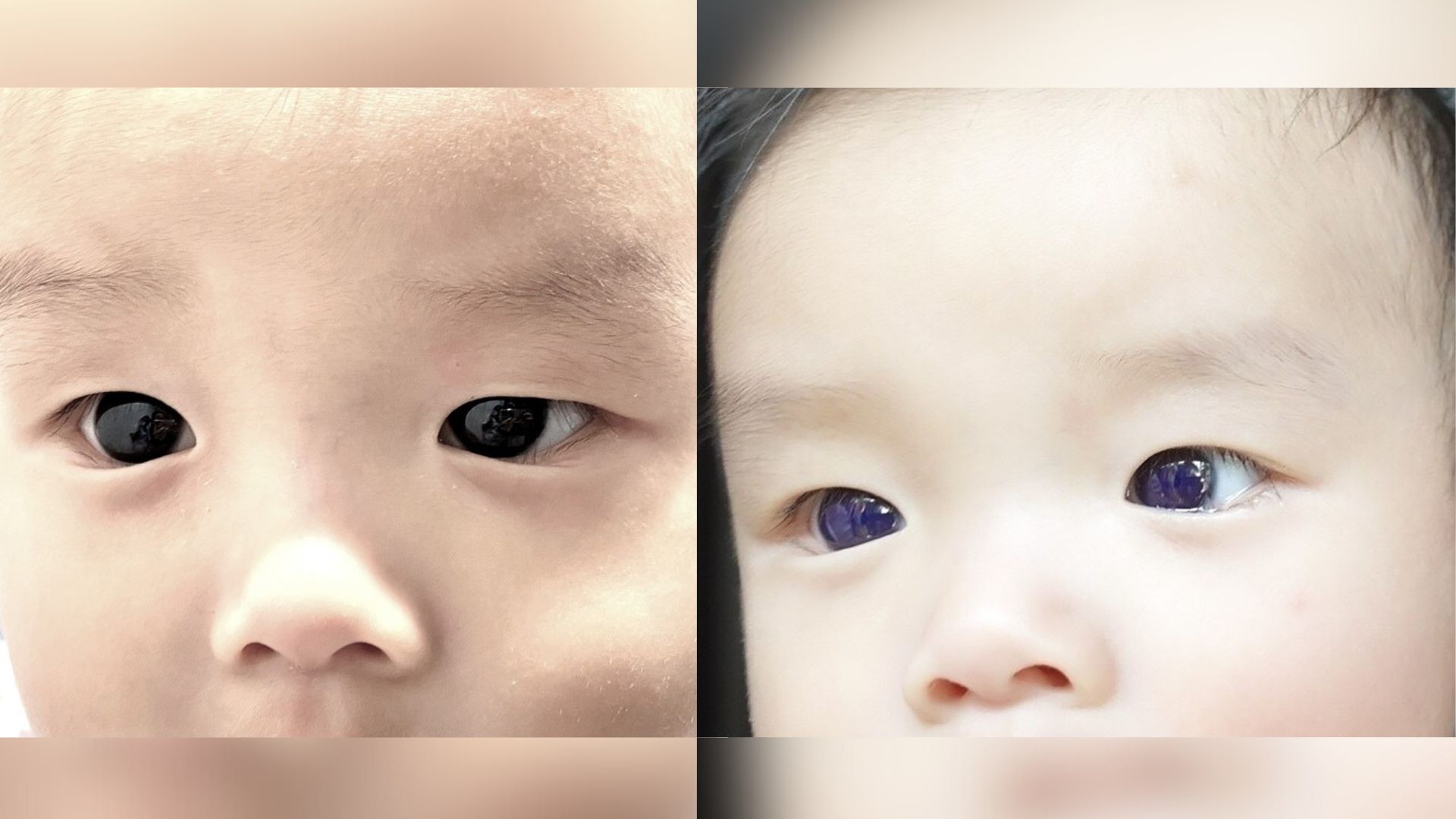
The patient: A 6-month-old boy in Bangkok
The symptoms: The child was brought to a hospital after he'd had a fever and cough for 24 hours.
The plan was for the child to be administered favipiravir tablets on the first day of hospitalization and then given the drug in liquid form for the next four days. But about 18 hours after he began the treatment, the boy's mother noticed that his eyes, which were normally dark brown, had turned bluish-purple.
The corneas — the transparent, dome-shaped barriers covering the fronts of the eyes — appeared blue in sunlight. There was no visible discoloration of his skin, nails or hair, according to a report of the case.
The diagnosis: Doctors suspected that favipiravir might be causing the blue tint.
A year earlier, in 2021, physicians in Goa, India, described the case of a 20-year-old man who also developed a bluish tinge in his corneas after he began favipiravir treatment for COVID-19. The side effect had never been documented before, they wrote in a report of his case. In that case, the doctors advised the man to stop taking the drug, and his corneas returned to their normal color the next day.
Sign up for the Live Science daily newsletter nowThis unusual eye color change may stem from how the body breaks down the antiviral medication, releasing fluorescent chemicals that collect in the cornea, Dr. Vik Sharma, an eye surgeon at the London Ophthalmology Centre who was not involved in either case, previously told Live Science in an email.
Four female COVID-19 patients in Turkey developed similarly fluorescent features, physicians in Istanbul reported in January 2021. All of the patients had taken favipiravir and developed a glowing blue-green tint in their hair and fingernails that was visible under a Wood's lamp, which uses long-wave ultraviolet light to detect fluorescence.
In July 2021, another team of Turkish researchers documented fluorescence in whole favipiravir tablets and in tablets that had been dissolved in water. This "signified a robust association between the fluorescence of the ocular surface and favipiravir," the child's doctors wrote in their report.
The treatment: After three days of favipiravir treatment, the child's COVID symptoms improved, and on the fifth day, a pediatrician advised discontinuing the drug. The child's corneas reverted to their normal color five days later.
Two weeks after that, an ophthalmologist examined the child's eyes and found that they appeared normal, with a clear cornea and no sign of a bluish color. Nor was there any fluorescence in the cornea.
The disappearance of the blue took several days in the child's case, while the 20-year-old man's discoloration vanished almost immediately. Doctors did not know the reason for the delay, but they proposed that the patient's age and the medication dosage could be factors.
Other dilemmas
- A woman turned black and blue weeks after starting a new medication
- Rectal exam stabilized man's irregular heartbeat
- A teen's classic diabetes symptoms didn't improve with treatment — revealing she also had a much rarer syndrome
It's also possible that the baby was urinating less frequently — a potential side effect of favipiravir, which elevates levels of uric acid in the body — which meant that the compounds affecting his eye color lingered in his tissues.
What makes the case unique: Side effects of favipiravir are uncommon, but may include diarrhea, high levels of uric acid in the blood, and lower levels of neutrophils, a type of white blood cell that helps the body fight infection. Other less-common side effects include abdominal pain, nausea and a low level of platelets, blood cells that assist with clotting.
Although this child's case is not the first example of favipiravir triggering corneal discoloration, it is the first recorded instance of a pediatric patient developing blue eyes in response to favipiravir therapy, the doctors noted in the case report.
DisclaimerThis article is for informational purposes only and is not meant to offer medical advice.
Article SourcesJiravisitkul, P., Thonginnetra, S., & Wongvisavavit, R. (2023). Case report: Favipiravir-induced bluish corneal discoloration in infant with COVID-19. Frontiers in Pediatrics, 11, 1154814. https://doi.org/10.3389/fped.2023.1154814
Can you guess the diagnosis in these strange medical cases? Find out with our diagnostic dilemma quiz!
TOPICS
Mindy Weisberger is a science journalist and author of "Rise of the Zombie Bugs: The Surprising Science of Parasitic Mind-Control" (Hopkins Press). She formerly edited for Scholastic and was a channel editor and senior writer for Live Science. She has reported on general science, covering climate change, paleontology, biology and space. Mindy studied film at Columbia University; prior to LS, she produced, wrote and directed media for the American Museum of Natural History in NYC. Her videos about dinosaurs, astrophysics, biodiversity and evolution appear in museums and science centers worldwide, earning awards such as the CINE Golden Eagle and the Communicator Award of Excellence. Her writing has also appeared in Scientific American, The Washington Post, How It Works Magazine and CNN.
View MoreYou must confirm your public display name before commenting
Please logout and then login again, you will then be prompted to enter your display name.
LogoutСхожі новини
Health panel approves coverage for iPS cell-derived Parkinson’s disease treatment

У директорки лікарні на Львівщині вилучили 14,5 млн грн готівки від ухилянтів
До інфекційної лікарні Львова госпіталізували 61-річного львів’янина з підозрою на ботулізм