Could Romania and Moldova reunite?
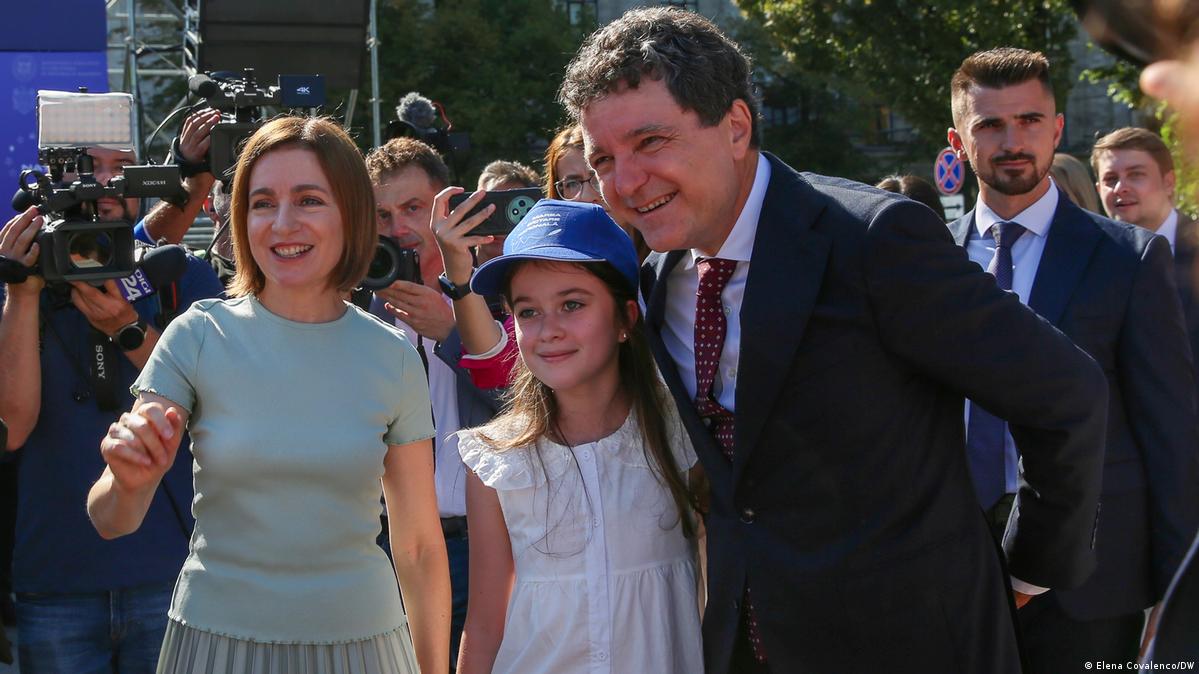
In early May, Moldovan President Maia Sandu and her Romanian counterpart Nicusor Dan posted a picture together on their respective Facebook pages showing them smiling, sitting next to each other on a Romanian military aircraft. "We are on our way to the capital of Armenia with President Nicusor Dan, where the European Political Community summit will take place," read Sandu's caption.
This was the first time ever that a Romanian and a Moldovan leader had traveled together to an international summit and were greeted together at the airport upon arrival. This symbolic move was likely carefully planned, and illustrated the fact that a reunification of the two countries could be on the cards.
For the first time ever, Romania and Moldova are simultaneously governed by leaders who support reunification. Previously, all Moldovan leaders had rejected rejoining Romania. In Romania, only former President Traian Basescu, in power from 2004 to 2014, favored the step.
Moldovan President Sandu is known for her unionist stance, even though she had not be vocal about it for a long time. That changed when she expressed support for the idea in interviews with international news media. Speaking to the BBC in January, Sandu said she would cast a "Yes" vote if there was a reunification referendum. She reiterated the point to French newspaper Le Monde in late April.
Romanian President Dan welcomed her suggestion, saying "Romania is prepared." The two leaders have a close relationship. Both were anti-corruption activists and have fought arbitrary exercise of state power.
Moldovan President Sandu is also a Romanian national, like many of her compatriots. She supported Nicusor Dan in the May 2025 Romanian presidential election and voted for him.
Shared language, history
It may seem odd that Sandu holds Romanian citizenship, enjoys voting rights in Romania and effectively promotes the end of her independent state. Yet for many, her attitude simply underscores the linguistic, historic and cultural ties between Romania and Moldova. Both countries use Romanian as their official state language.
In 1812, the former Principality of Moldova was divided up between Russia and the Ottoman Empire, with the River Prut serving as the border. In December 1918, shortly after the end of World War I, the ruling elite in the Russian-annexed part of Moldova decided to reunite with Romania.
In 1940, after the HitlerHitler-Stalin Pact, Soviet dictator Josef Stalin annexed all Moldovan territory on the left bank of the Prut, creating the Moldovan Soviet Republic together with Transnistria. Yet by 1991, Moldova declared its independence from the Soviet Union, mere months before its collapse.
For a long time, neither Romania nor Moldova had particularly influential unionist movements. Even so, the post-Soviet Russian government repeatedly warned against a reunification, alleging that such a step could give rise to "fascist" forces. Indeed, this narrative was one driver behind the gradual secession of Transnistria from Moldova in the early 1990s, which was aided by the Russian military.
Reunification increasingly popular
There has been growing support for reunification in recent years. A March survey found that some 42% of Moldovans favor joining Romania, with 47% against. In Romania, about 72% favor the move.
One reason for this uptick in support is Russia's war against Ukraine, which sparked a radical rethink among many Moldovans with pro-Russian views in particular. What's more, about one third of Moldova's 2.4 million people already hold Romanian citizenship. In addition, Romania is Moldova's most important trading partner. Lastly, Moldova has decoupled from Russian energy supplies and connected to European grids.
In May, the writers' unions of Romania and Moldova released a joint statement saying concrete steps should be taken to advance reunification. It could, however, take a while until that becomes reality.
Both countries' constitutions set high standards for reunification, with Moldova's foundational legal document even enshrining military neutrality. Matters are further complicated by Moldova's breakaway region of Transnistria, which is controlled by pro-Russian separatists.
EU says self-determination key
While obstacles remain, talk of reunification is gaining momentum. Moldovan voters play a significant role in shaping Romanian elections and contributed to Nicusor Dan's 2025 victory against the far-right candidate George Simion.
Sandu's plea for reunification drew harsh criticism from pro-Russian parties in her country, who accused her of treason. Independent observers have also expressed doubts whether Sandu should be promoting reunification with Romania as her country engages in advanced EU accession talks — though EU foreign policy chief Kaja Kallas has no issue with the prospect.
When asked to comment on the matter, Kallas said a possible reunification should be decided by the people of Moldova and Romania and nobody else.
This article was translated from German
AdvertisementСхожі новини
Bulgaria's Dara wins Eurovision Song Contest 2026 in Vienna
'I have realized something': Redditor shares one-year experience of living in India after spending 12 years in US
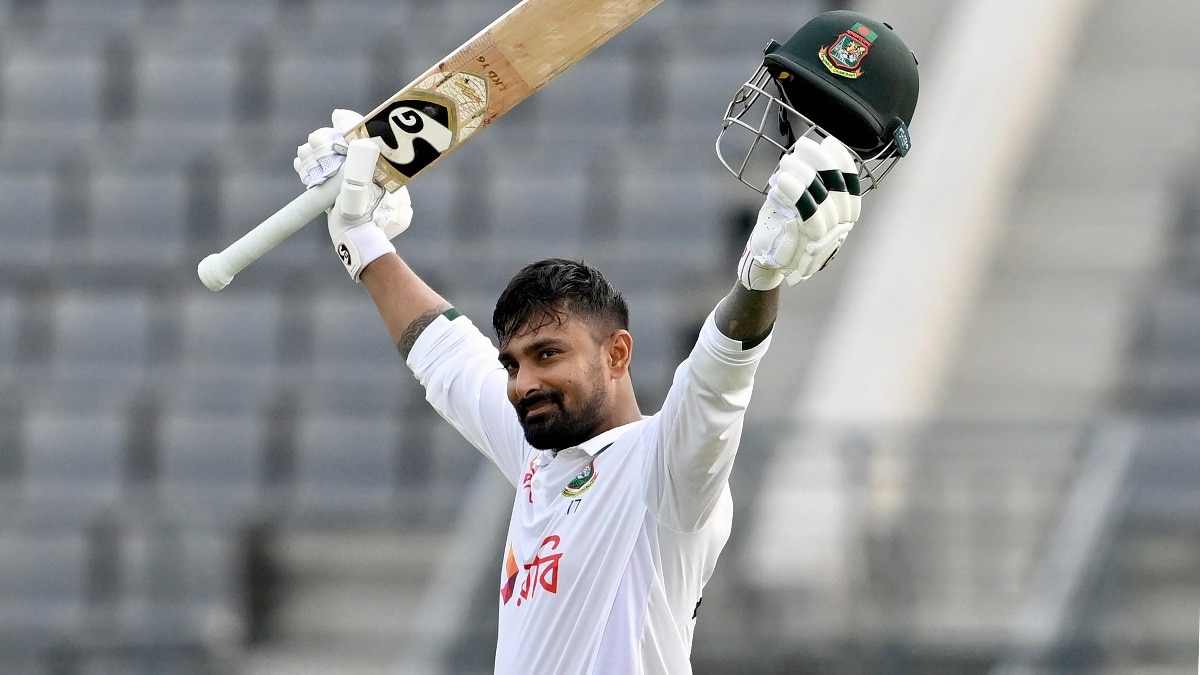
Litton Das century rescues Bangladesh after Pakistan pace attack burst