Clashes over water resources in Chad kill over 40 people
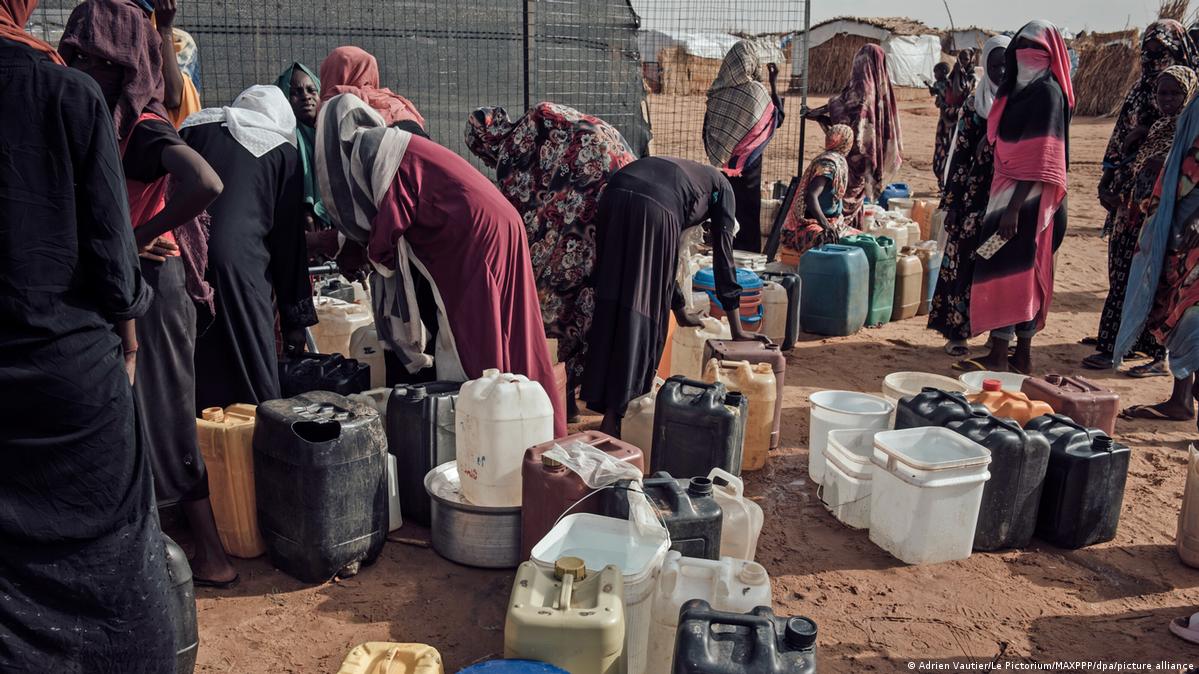
At least 42 people were killed in eastern Chad, after clashes between two families at a water well escalated, government officials said late Sunday.
Community conflicts over resources are common in the country, driven by farmer-herder tensions.
In recent years, Chad has faced increasing pressure on its resources, hosting over 1.5 million refugees in an already resource-strained country.
The military had to intervene
"The violence spilled over a large area, prompting the military to intervene," said Limane Mahamat, the deputy prime minister, during a visit to the village where the clashes began in the Wadi Fira province near the Sudanese border.
Mahamat mentioned that the military's "swift response" helped contain the clashes. The situation is now "under control," he added.
Officials visiting the area have launched a customary mediation process. Meanwhile, judicial proceedings have begun to determine criminal responsibility.
Community clashes over water resources are becoming increasingly common in Chad, feuled by extreme weather. Last November, a dispute over a water well in Hadjer-Lamis province in western Chad resulted in the deaths of at least 33 people.
Refugees from Sudan in Chad face desperation
To view this video please enable JavaScript, and consider upgrading to a web browser that supports HTML5 video
Chad faces multifaceted challenges
Chad is home to 200 ethnic groups and 100 languages. With over 42% of the population living below the poverty line, Chad is one of the poorest countries in the world.
Between 2021 and 2024, the southern and central provinces experienced about 100 clashes between farmers and herding groups. These conflicts over farmland and grazing areas have resulted in over 1,000 deaths and 2,000 injuries, according to estimates by the International Crisis Group (ICG).
In terms of water security, UN dataindicates that only 52% of the total population in Chad has access to basic drinking water services, a figure that drops to 44% in rural areas.
Since the war in the neighboring Sudan started in 2023, Chad has welcomed more than 900,000 Sudanese refugees across its eastern border. Chad hosts one of the largest refugee populations per capita in Africa.
Scarcity of water resources is a key challenge in refugee-hosting areas in eastern Chad.
Edited by: Srinivas Mazumdaru
AdvertisementСхожі новини

Melania Trump reacts to Jimmy Kimmel’s ‘expectant widow’ joke: ‘Enough is enough…’

“Trust no man”: Yonna makes bold statement as Megan Thee Stallion ends relationship with Klay Thompson over trust

Two green card rejections despite...: Indian-origin entrepreneur explains 'blind spot' about immigration