Cities are rehearsing for deadly heat. Will it help when disaster comes?
On a sunny Friday afternoon in October 2023, some 70 children filed into a cool, dark tunnel in the south of Paris to help the city rehearse for its increasingly hot future.
The tunnel, part of the abandoned Petite Ceinture railway encircling the city, is always 64 degrees Fahrenheit (18 degrees Celcius), making it the perfect safe haven from the potentially lethal heat imagined outside. Once underground, each youngster was asked to simulate the effects of extreme temperatures that might become reality in their lifetimes. Some pretended to have been poisoned by food that spoiled during a power outage. Others faked the effects of carbon monoxide leaking from a faulty generator. Meanwhile, Red Cross workers scrambled to decide who to send to overwhelmed hospitals. Around them, dozens of others — fire fighters, city officials, teachers — did their best to simulate the chaos and cascading impacts a heat wave of unprecedented duration and intensity might force them to confront.
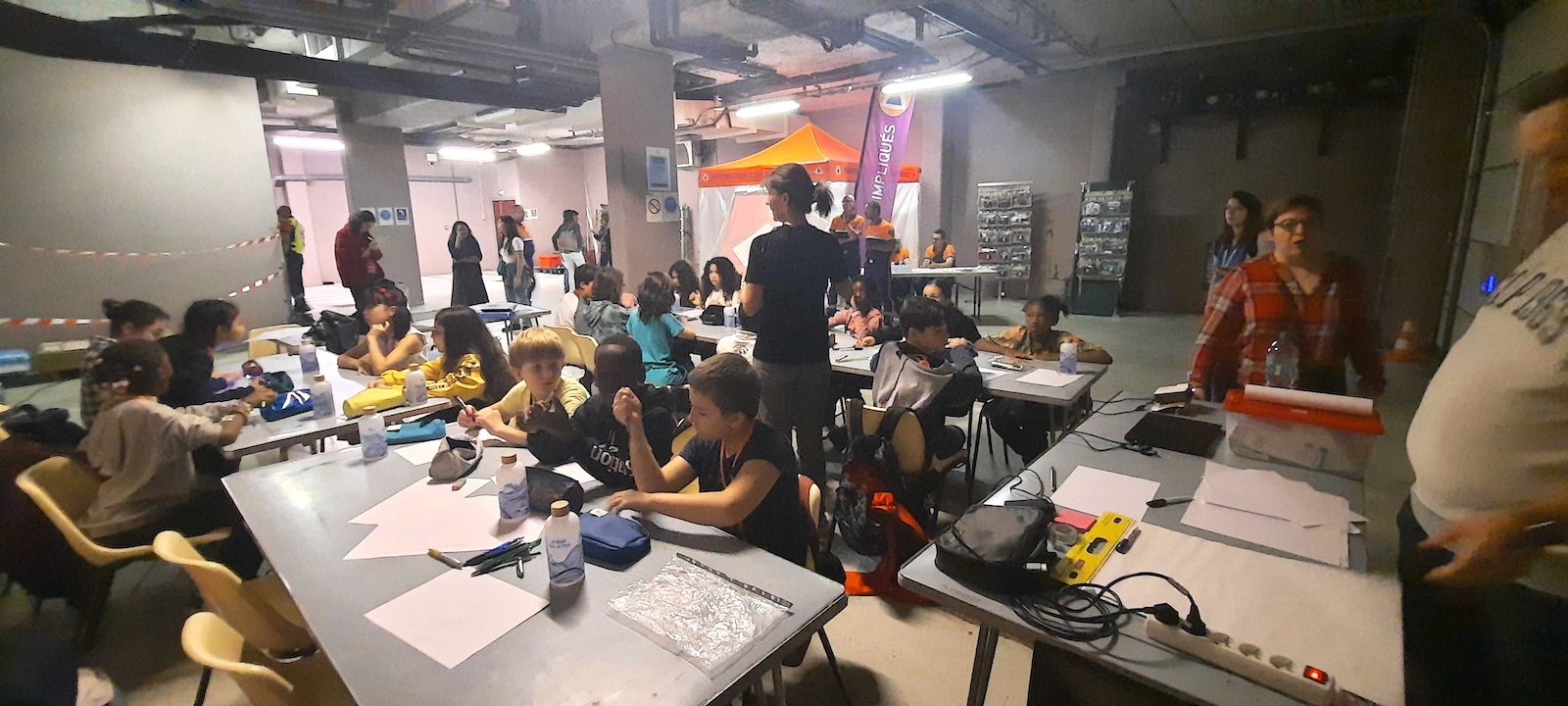
The exercise, called Paris at 50 degrees Celsius, was designed to imagine what might happen if the mercury hits 122 degrees F, something scientists warn is increasingly likely by 2100. It combined live drills and a tabletop exercise to help shape a plan to protect the city’s 2 million people from that kind of heat. Once limited to a handful of cities, these exercises are spreading as local governments stress test health services, emergency response, and essential infrastructure before temperatures reach dangerous extremes.
What Paris is rehearsing could soon confront cities across the continent. European governments are being urged to prepare for 5 to 6 degrees F (2.8 to 3.3 degrees C) of warming, a change that could push Paris toward dangerous summertime temperatures by the end of the century.
Such heat is a global threat. Modeling suggests more than 1.6 billion people in nearly 1,000 cities could regularly face perilous conditions within three decades. Heat waves are already straining hospitals, causing outages, and paralyzing transit. In the complex systems that make up a city, even small failures can lead to larger breakdowns.
But as cities invest time and money into these exercises, one question remains: Do they actually improve preparedness?
It took Pénélope Komitès more than 18 months to prepare a drill that would last just two days. As Paris’ deputy mayor in charge of resilience, she considers such planning essential. “It was very important for us to show people that heat waves are not just something we see on the TV, but something that can happen soon, and that we need to improve what we’re going to do,” she said.
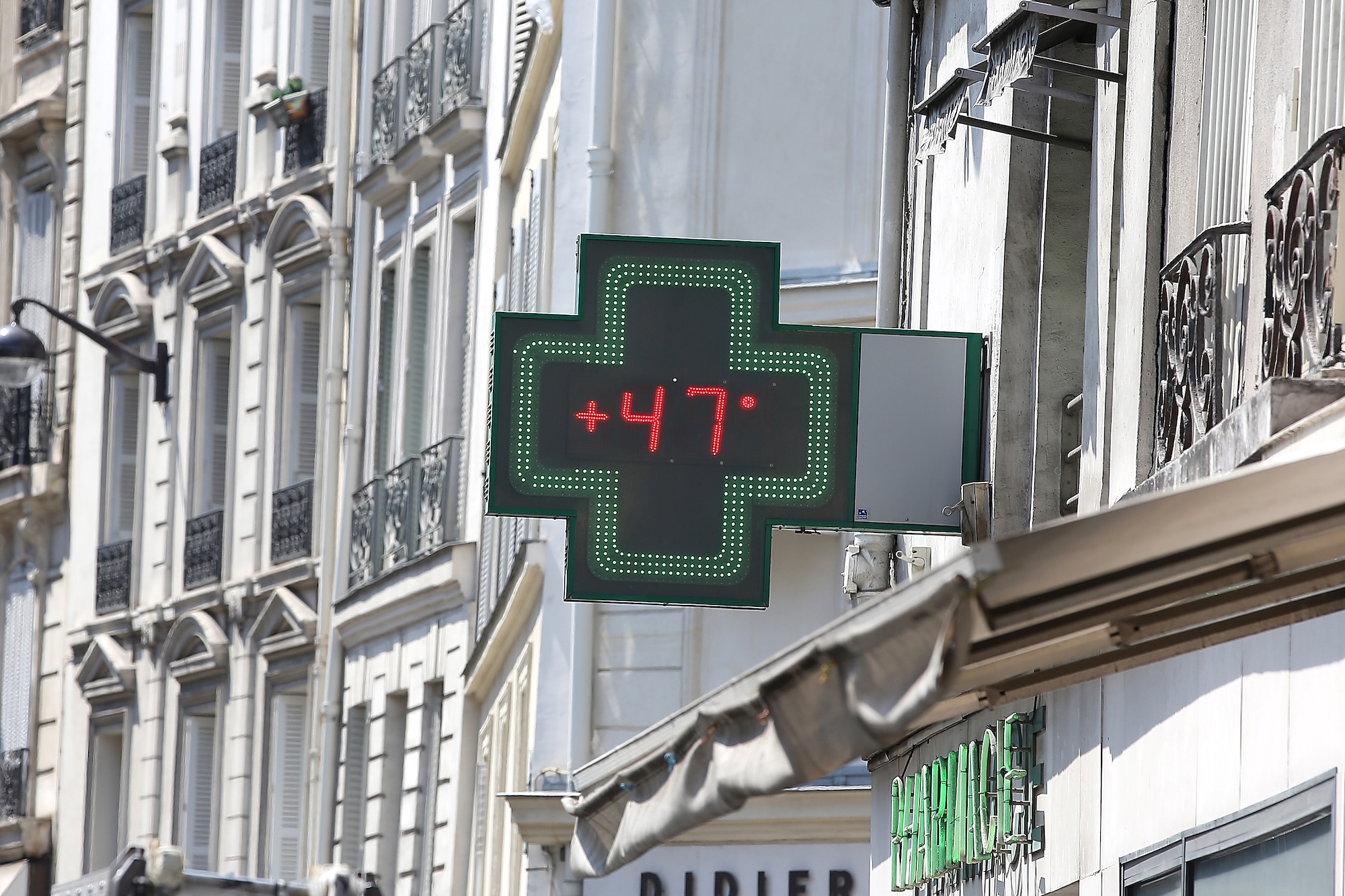
To help inform the scenario, scientists at the Île-de-France Regional Climate Change Expertise Group, which advises city leaders on climate risk, modeled what the future might look like. Other studies based on data from the Intergovernmental Panel on Climate Change have largely confirmed their projection that temperatures could hit 122 degree F (50 degrees C) by the end of the century. For now, the city’s record stands at 108.68 F (42.6 C), registered on July 25, 2019.
Pierre Suu / Getty Images
The World Health Organization estimates that heat contributes to roughly half a million deaths worldwide each year. Symptoms can quickly escalate from fatigue to dehydration to heat stroke as the body loses its ability to cool itself. For older adults and people with heart or kidney disease, that strain can be fatal.
In Paris, much of the work of designing the simulation fell to Crisotech, a consultancy specializing in crisis exercises. It spent nine months working with the city to develop a dozen scenarios designed to anticipate where services would buckle, how agencies would work together, and which residents might be missed. The role-playing the children, from two different schools, participated in at two locations occurred on the first day; the second was dedicated to tabletop exercises among city officials and first responders.
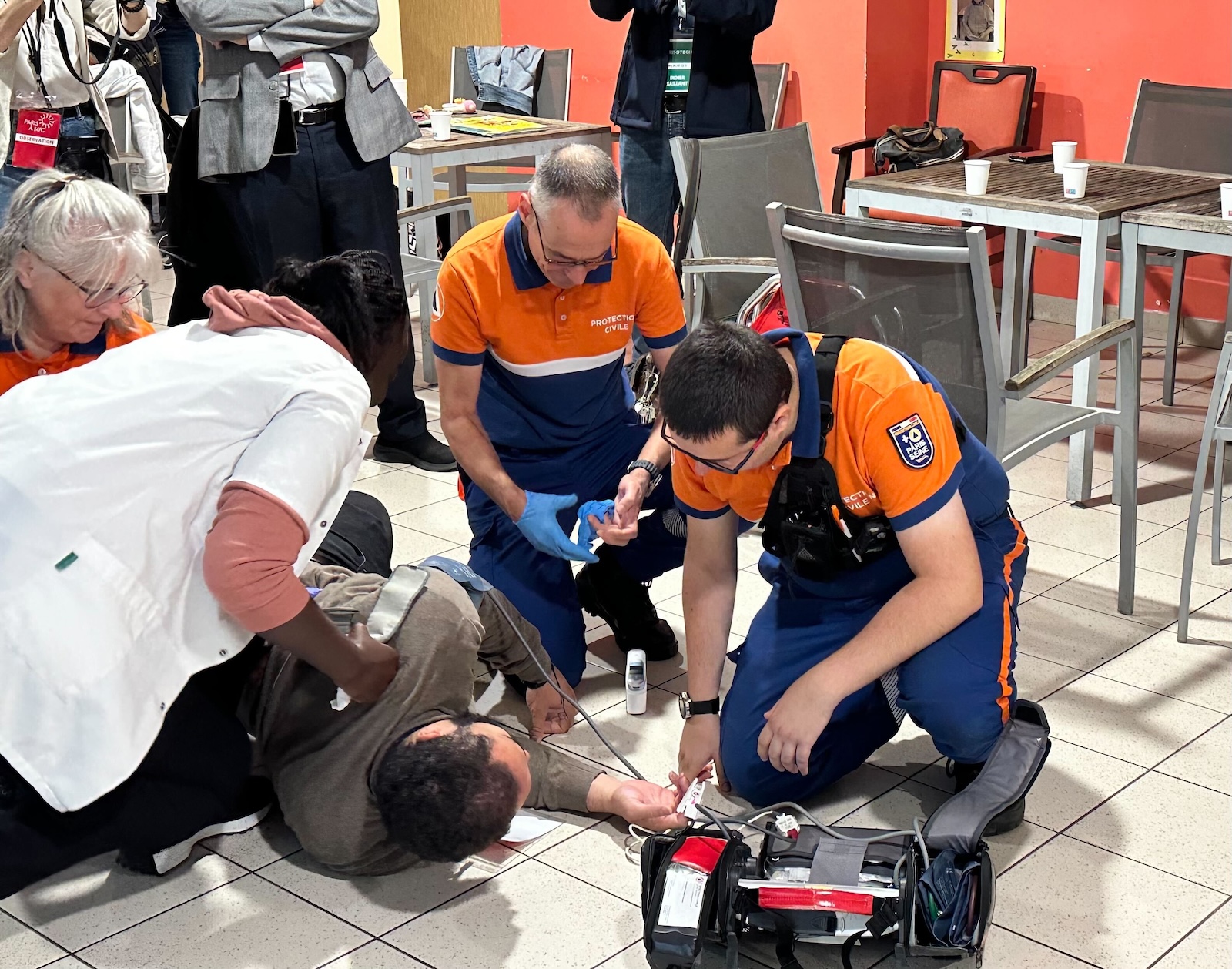
“The objective was to anticipate all possible impacts of a heat dome across Paris, to consolidate the [preparedness] measures planned by the city in the event of an extreme heat wave, test new solutions, … and identify new actions to be implemented,” said Komitès.
More than 100 organizations took part, from city agencies and emergency services to utilities and nonprofits. While other cities, including Melbourne, London, and Phoenix, have hosted similar workshops, Paris made the unprecedented decision to include citizens in the role-playing portion of the €200,000 ($236,000) event. The city held informal meetings to recruit volunteers and help residents visualize the scenario. Children were especially valuable participants, both because they will face the consequences of a warming world and because they ask so many questions, said Ziad Touat, the crisis management consultant who led the simulation for Crisotech.
Komitès also wanted to prepare Parisians for the day when all of this would unfold for real. That’s important, she said, because the pandemic showed that well-informed communities respond to a crisis more effectively. If people recognize the symptoms of heat stroke, for example, or know when to find a cooling shelter, first responders can focus on the most vulnerable, Komitès said.
Five years ago, these simulations were confined to a handful of cities in the U.S. and Europe. Now, cities around the world are getting interested, said Cassie Sunderland, managing director of climate solutions at C40, a global network of mayors focused on climate action.
Some of the sims are sprawling operations like the one in Paris; others are more modest tabletop exercises, or hybrids that combine interagency workshops with limited role-playing. All are meant to identify points of failure before a crisis does.

Success is not measured by whether a drill runs smoothly, but rather, the opposite. The most valuable ones are realistic enough to force decisions, yet unpredictable enough to expose coordination problems and infrastructure failures. For example, engineers might be brought in to determine the temperature at which train tracks expand. “Imagine if you suddenly have a huge amount of people who need additional health care, but doctors and nurses can’t get to the hospital because of transport failures,” said Sunderland.
The growth of these exercises reflects a broader concern that many cities are unprepared. “Simulating extreme heat is really important,” said Dr. Satchit Balsari, a professor of emergency medicine at Harvard Medical School. “A lot of cities stop and make heat action plans, but they actually don’t drill into how they are going to implement them, whether the funding for it exists, and if they actually have the know-how.”
Some scenarios can only be explored in a simulation, such as the question of cooling patients experiencing heatstroke. “How do you take a large human body and put it in ice? Is there a bucket that big?” Balsari said. “The answer is no, so is it a body bag? Where do you get all this ice?” What might appear simple on paper becomes a challenge unless tested.
Simulations should also consider what measures are needed after the heat breaks, Balsari said. For instance, healthcare systems will need plans for addressing the long-term impacts like increased risk of chronic kidney disease. “Have a final session that thinks about what the subsequent months look like,” he said.
Read Next
Such challenges are compounded because most cities do not have someone responsible for crafting a unified response. A few, including Athens, Greece; Melbourne, Australia; and Freetown, Sierra Leone, have appointed “heat officers,” but most rely upon coordination among multiple departments. Rigorous testing can identify where that might break down and how coordination can be improved. Phoenix created a heat department after an exercise revealed that very problem.
Some of the cities most vulnerable to extreme heat may not have the resources to stage an expensive drill. But Touat said preparedness is not an all-or-nothing affair. Smaller, less costly efforts can still build readiness — whether by testing communications plans, mapping vulnerable citizens, or practicing how agencies would collaborate during an outage. “Don’t try to have everything at once and to spend too much money to do an exercise of this type,” he said. “It’s better to do five small ones than one big one.”
However, simulating extreme heat to improve preparedness isn’t enough, and work to decrease temperatures in cities must happen in parallel, Sunderland said. True resilience requires long-term changes that cool cities and slow climate change itself.
Even though these simulations have their limits and can come with a hefty price tag, many cities still see their appeal.
In Taiwan, they are expanding beyond cities. The country staged a tabletop exercise last year and plans a live simulation in July to test coordination within cities and between national officials. The goal is to test whether national and local agencies can effectively work together, said Ken-Mu Chang, the deputy director general of the country’s Climate Change Administration.
The tabletop exercise and role-playing scenario will focus on managing the health impacts of a days-long 104-degree F (40-degree C) heat wave — the kind of prolonged heat that can overwhelm hospitals and power systems. One challenge, Chang said, is designing an exercise that feels realistic enough to be useful without creating unnecessary public anxiety.
After last year’s trial run, officials realized that much of the exercise focused on agencies explaining existing plans, rather than showing how they’d respond to a crisis. “We want to make those gaps more visible and more concrete,” Chang said. “We want agencies not only to explain what they have, but also to identify what is still missing under a more extreme situation.”
Meanwhile, Barcelona, Spain is adapting the model Komitès helped develop.
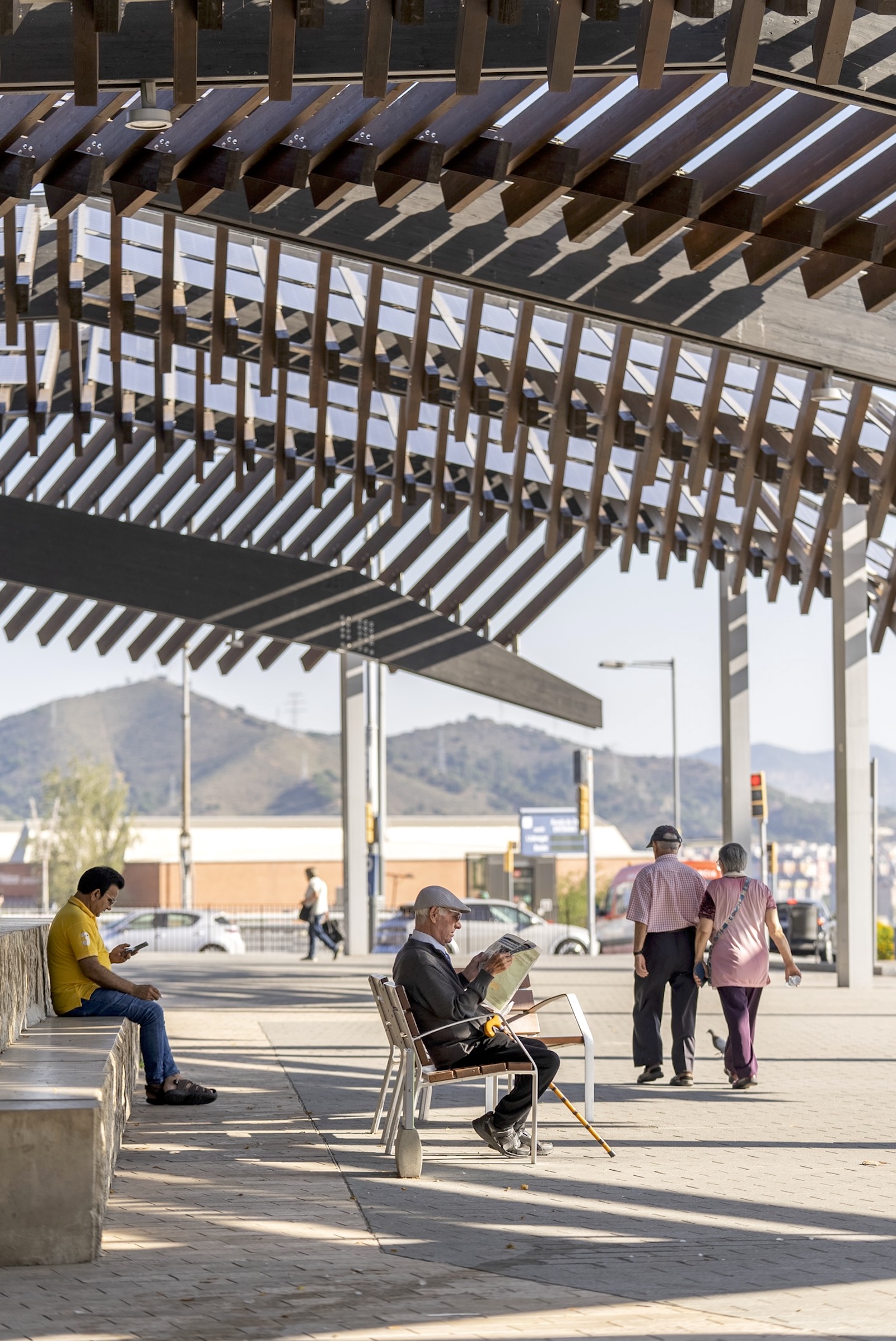
The Catalan city faces growing urgency to prepare for a hotter future. The Mediterranean basin is warming 20 percent faster than the global average, making it one of the continent’s climate hot spots. Barcelona is among the European cities expected to see the greatest number of heat-related deaths by the end of the century.
Given that future, city officials want to develop plans to protect infrastructure, build a registry of vulnerable residents, and improve coordination. “It’s not easy when there’s so many actors and it’s not easy when the impacts are on so many different levels,” said Irma Ventayol, who leads Barcelona’s climate change department and is overseeing the simulation.

“Can we cope with waste management at 40 degrees C or 50 degrees C? Are the trucks prepared? Maybe they are, but no one has checked, so we need to ask those questions sooner rather than later,” Ventayol said. She also sees media coverage of the event as an opportunity to raise awareness among Barcelona’s nearly 2 million residents.
Beyond protecting the city, she hopes the exercise can help others. “I’d like to have a protocol that can serve other cities too, a scalable methodology that other cities can take and replicate, even for other impacts such as floods,” Ventayol said.
In Paris, the simulation — which inspired a flooding exercise that took place in October — produced 50 recommendations later folded into the city’s 2024–2030 Climate Action Plan. Some are now underway, including insulating thousands of homes and replacing asphalt parking spaces with trees; it planted 15,000 last winter alone. Even the three bathing spots along the Seine River that opened with a splash during last year’s Olympics are part of a broader effort to help residents stay cool.
Komitès is being peppered with questions from others eager to launch similar exercises. All of the lessons for the simulation were compiled into two public documents: a guide to running a heat simulation of this scale and a report detailing what organizers learned. “Everything we did is already on the internet so you’re already one step ahead,” said Touat at Crisotech.
The biggest surprise to come out of the exercise had nothing to do with infrastructure resilience or cooperation among departments. What shocked Komitès the most was how unprepared Parisians are for extreme heat.
The realization prompted what may be the city’s most important adaptation effort yet: preparing citizens, not just officials. In March, Paris opened its first Campus of Resilience with the civil protection agency and fire department. The center will host training sessions, smaller simulations, and public workshops open to all residents. “We need to talk with Parisians,” Komitès said. “To inform them, to prepare them.”
This story was originally published by Grist with the headline Cities are rehearsing for deadly heat. Will it help when disaster comes? on May 5, 2026.