Chinese scientists grow heart’s ‘master conductor’ that could replace pacemaker
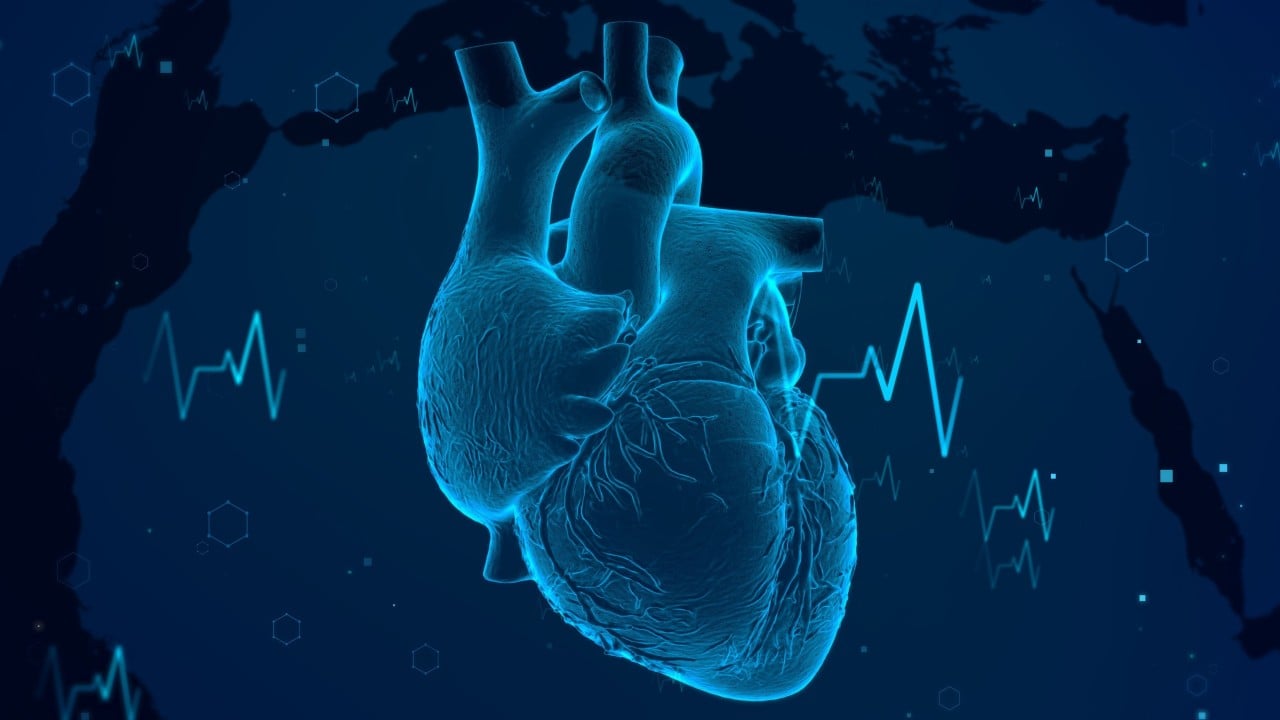
Shanghai researchers engineer biological pacemaker that could offer a new way to control abnormal heart rhythms
3-MIN READ3-MIN
Scientists in Shanghai have used stem cells to create the world’s first laboratory-grown sinoatrial node – the tiny structure that acts as the heart’s natural pacemaker.
Capable of beating autonomously, the organoid is a breakthrough that researchers say could transform cardiac disease research and drug screening.
The heart’s ability to beat continuously and rhythmically depends on the sinoatrial node, which is nestled inside the right atrial chamber.
China turns to AI to ease overstretched healthcare systemActing as the heart’s “master conductor”, the node continuously sends out electrical signals regulated by the nervous system. These signals dictate when the atria and ventricles – the upper and lower chambers of the heart – should contract, ensuring blood is pumped efficiently around the body.
AdvertisementShould this master conductor fail, the heartbeat can slow to dangerous levels or pause entirely. In severe cases, the condition is life-threatening.
The Shanghai researchers have successfully engineered a biological pacemaker in the lab that could offer a new way to control abnormal heart rhythms.
AdvertisementUsing human pluripotent stem cells – which can self-renew and develop into many different cell types – the team constructed a 3D sinoatrial node organoid.
AdvertisementSelect VoiceSelect Speed0.8x0.9x1.0x1.1x1.2x1.5x1.75x00:0000:001.00xСхожі новини
SpaceX carries out mostly successful Starship test flight

Кінець традиційним кондиціонерам: вчені створили систему охолодження без електрики
40,000 people under evacuation orders after a chemical tank leak in Southern California