China’s Tongji University punishes top cancer researcher Wang Ping for misconduct
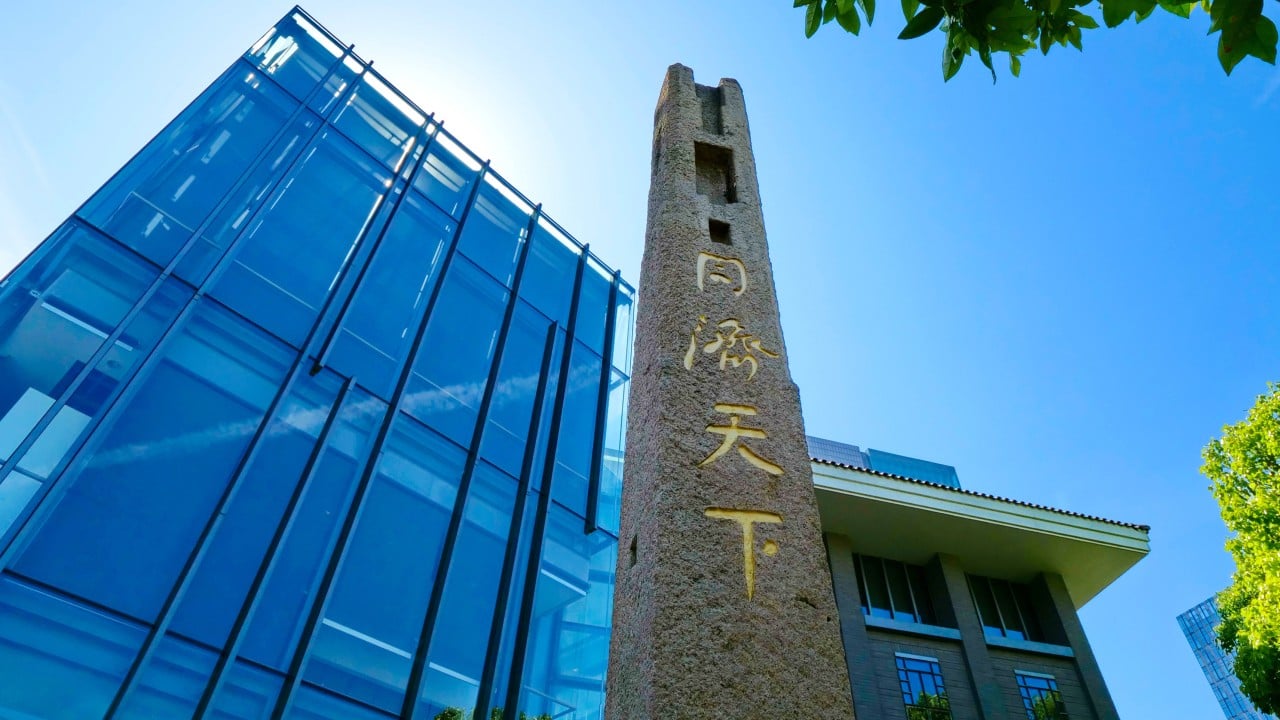
Wang Ping has been fired as dean of life sciences school, demoted by two ranks, and issued a 24-month ban on promotions, funding and awards
2-MIN READ2-MIN Listen
The study, which claimed that starving cancer cells of valine – a building block of proteins found in food – could trigger DNA damage and slow tumour growth, contained problematic data in 14 of its 15 figures, Shanghai-based Tongji University said in an official statement on Wednesday.
The team, led by Wang Ping, dean of the School of Life Sciences and Technology, failed to “objectively count” total cells and damaged cells in 10 of those figures, while three contained duplicated image data and another involved non-standard recording of a mouse’s weight.
AdvertisementWhile the data was obtained and processed by team member and the paper’s first author Jin Jiali, “Wang failed to properly supervise the experimental data and the quality of the paper, and did not fulfil the responsibilities of a corresponding author in ensuring data authenticity and reproducibility,” the statement said.
As a result, Wang has been removed as dean, demoted by two professional ranks and barred for 24 months from promotions, pay rises, research funding applications and awards, according to the university.
AdvertisementJin has been fired from her researcher position at the Institute for Advanced Study. The South China Morning Post has reached out to the university and Nature for comment.
Tongji said it would use Wang’s case as a lesson to strengthen oversight of research integrity among staff and students, and promote a more rigorous and trustworthy academic culture.AdvertisementSelect VoiceSelect Speed0.8x0.9x1.0x1.1x1.2x1.5x1.75x00:0000:001.00xСхожі новини

Quote of the day by Plato: “We can easily forgive a child who is afraid of the dark; the real tragedy of life is when men are afraid of the light.”

B1/B2 visa update: US Consulate opens priority slots for parents aged 50 years and above
White House press secretary Karoline Leavitt announces birth of her daughter Viviana