China’s calls to open Hormuz show the limits of its ties to Iran, experts say
While Beijing has long seen Tehran as a useful partner, the nation is not crucial to its Middle East strategy, analysts argue
3-MIN READ3-MIN3 Listen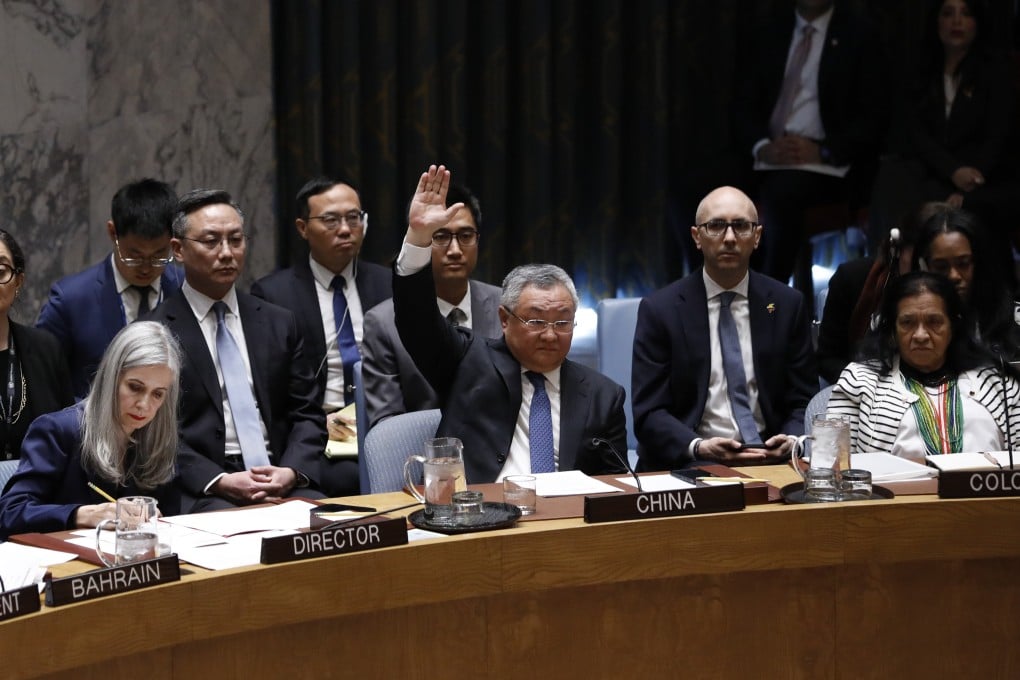
While China has begun to put pressure on Iran to end its blockade of the Strait of Hormuz, its statements have been carefully worded, experts say, showing how the prolonged conflict is testing Beijing’s relationship with Tehran.
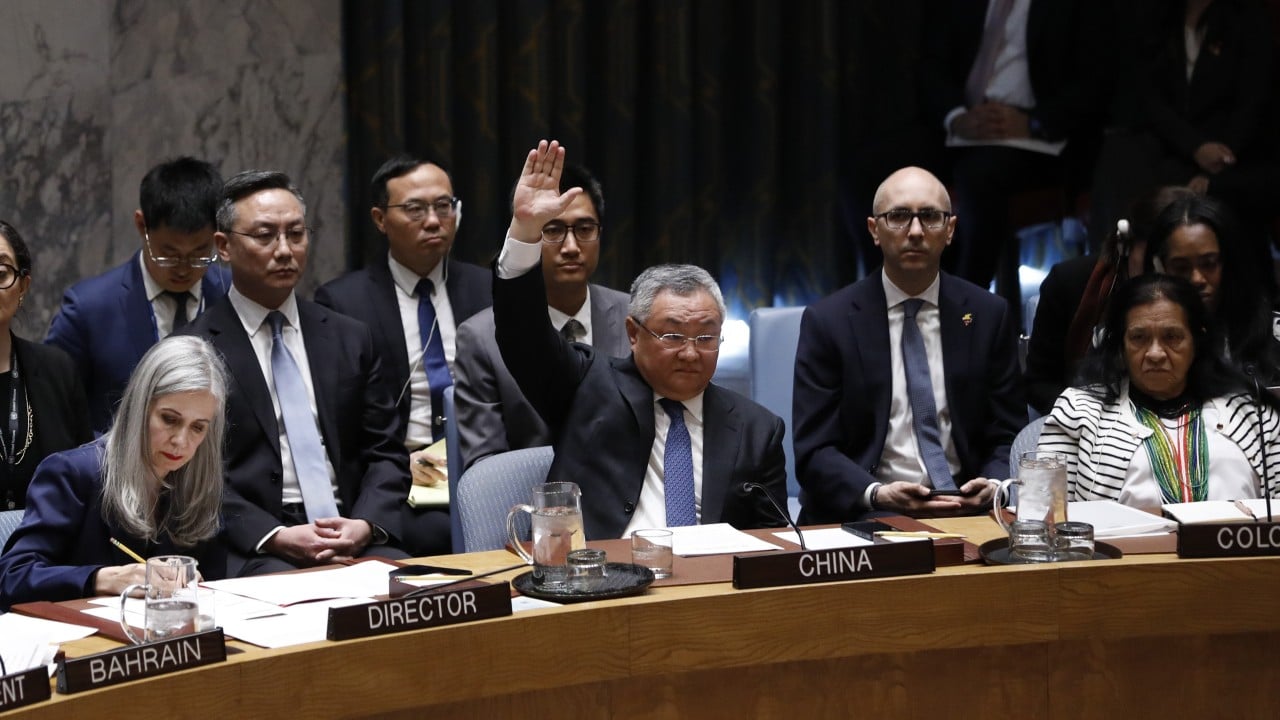
President Xi Jinping told Saudi Arabia’s Crown Prince Mohammed bin Salman last week that China wanted an “immediate and comprehensive ceasefire” and explicitly demanded that the waterway “ remain open to normal passage”, without naming Iran or the US.Speaking at the United Nations earlier this month, Chinese ambassador Fu Cong was more explicit. While condemning the US and Israeli strikes on Iran as violations of the UN Charter, he pointedly declared that “China does not go along with Iran’s attacks on Gulf states and the blockade of the Strait of Hormuz.”AdvertisementHe added that China hoped “peace and stability will be restored to the strait as soon as possible and navigation will resume”, while urging Iran to halt attacks on “relevant facilities” in the Persian Gulf and restore normal navigation.
These statements mark some of Beijing’s most direct public distancing from Iran’s retaliatory actions during the conflict. They show the delicate balance Beijing is striking between rhetorical solidarity with Tehran and its huge economic and energy interests in the region, according to observers.
AdvertisementZhu Yongbiao, a Middle East expert and director of the Centre for Afghanistan Studies at Lanzhou University, said China’s position remained “consistent and coherent”, but Fu’s remarks underlined Beijing’s growing concerns about Iran’s behaviour.
AdvertisementSelect VoiceSelect Speed0.8x0.9x1.0x1.1x1.2x1.5x1.75x00:0000:001.00x