China scientists argue that harsh settings, not warm climates, drive early human creativity
The research unveils a more intricate narrative of innovation, intelligence, and human evolution in East Asia
2-MIN READ2-MIN Listen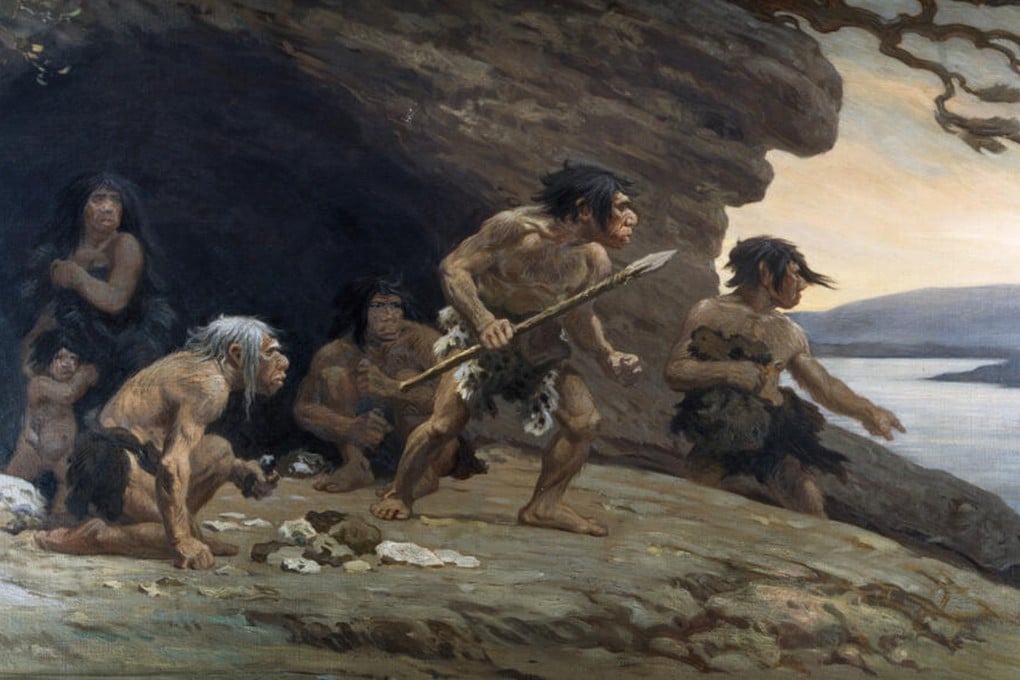
Archaeologists in central China have directly challenged the long-held belief that humanity’s earliest ancestors reached their creative peak during warm and hospitable climates.
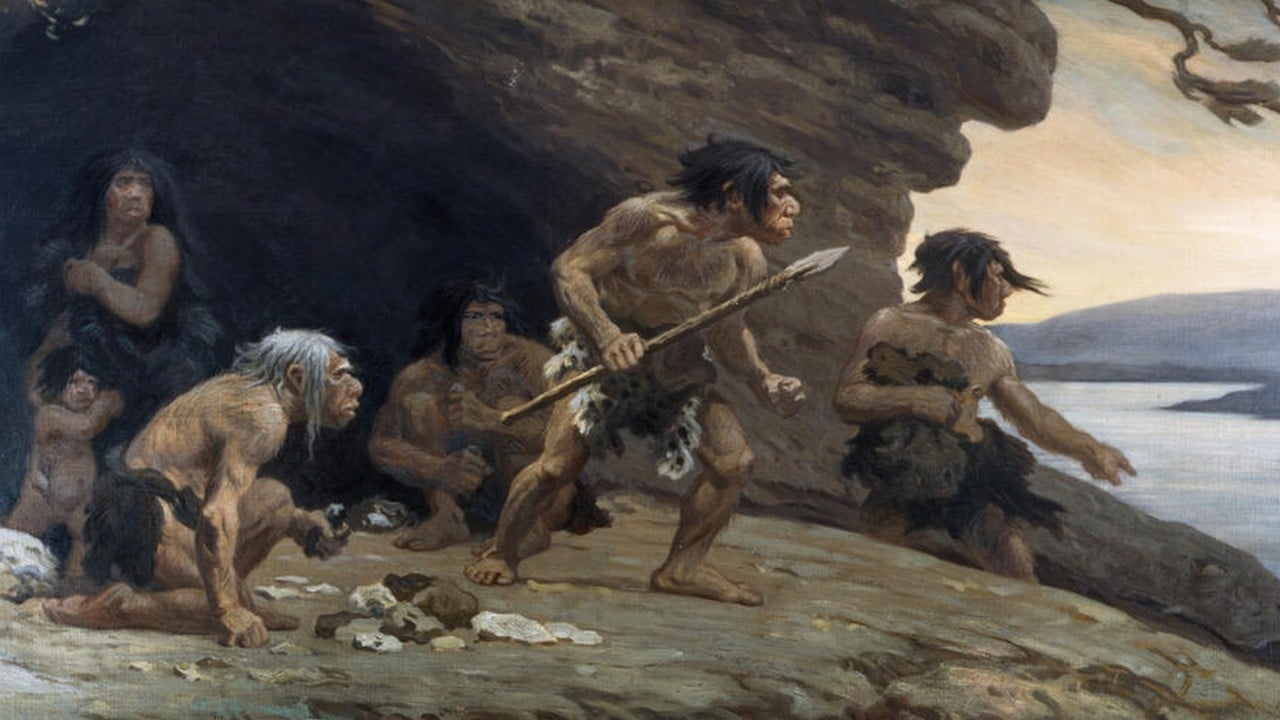
For more than a decade, a team of researchers in Henan province has studied a 146,000-year-old animal-butchering site once inhabited by Homo juluensis, an extinct human species that lived about 300,000 years ago in eastern Asia. Their discovery of remarkably inventive tools suggests that these ancient cousins of Homo sapiens were driven to technological innovation by challenging environmental conditions.
Yuchao Zhao, the lead author of a new paper published in the Journal of Human Evolution, said in a statement: “People often imagine creativity as something that flourishes in good times. Finding out that these stone tools were made during a harsh ice age tells a different story. Hard times can force us to adapt.”
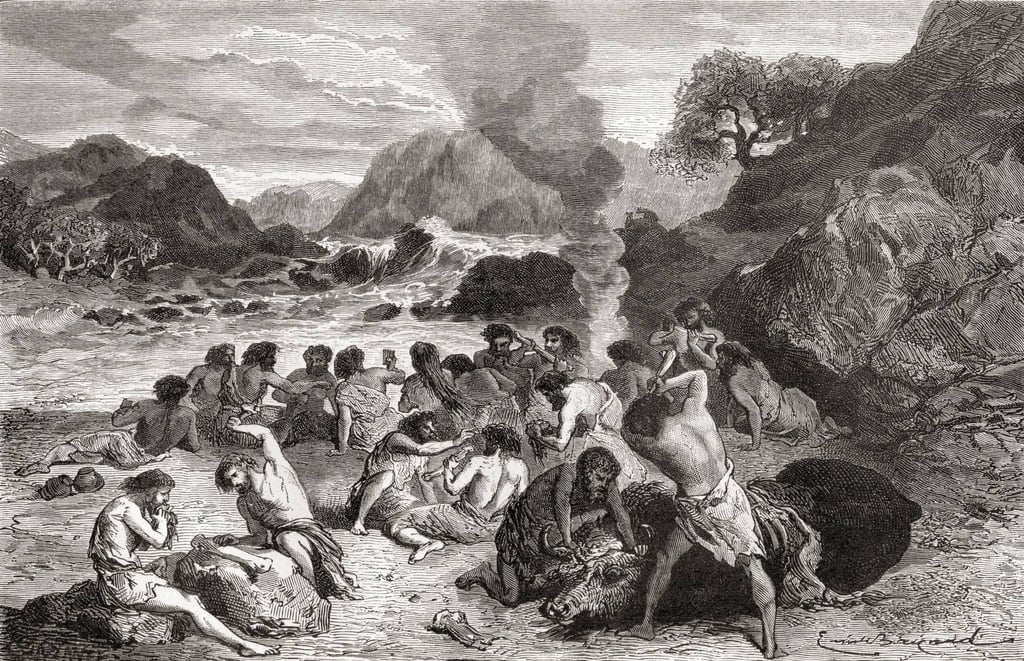
Moreover, these tools indicate that ancient humans in East Asia during the Middle Pleistocene (about 120,000 to 300,000 years ago) were more technologically advanced than previously assumed. Until now, it was widely believed that humans in this region lagged behind their counterparts in Africa and Europe.
AdvertisementThe stone tools, while simple, were created by striking smaller stones against larger ones in a process that the scientists noted would have required planning and the eventual development of a manufacturing technique.
Furthermore, the team indicated that the stones were shaped into various forms, suggesting that the tools were not created by simply smashing rocks together; rather, the makers understood how the materials would interact.
Advertisement“The underlying logic of this system – and the cognitive abilities it reflects – shows important similarities to Middle Palaeolithic technologies often associated with Neanderthals in Europe and with human ancestors in Africa, suggesting that advanced technological thinking was not limited to Western Eurasia,” Zhao explained.
Homo juluensis is a proposed extinct cousin of modern humans, meaning they may not have actually existed. However, if they did, scientists believe they occupied much of East Asia. This species may have belonged to what is referred to as the “muddle of the middle,” a term used to define the various types of humans as Homo erectus gradually evolved into Homo sapiens.
AdvertisementSelect VoiceSelect Speed0.8x0.9x1.0x1.1x1.2x1.5x1.75x00:0000:001.00xСхожі новини
California declares emergency in Orange County over chemical leak risk at aerospace facility
China launches 'human artificial embryos' to space in bid to see whether reproduction is possible off-world
У Вашингтоні схвалили проєкт тріумфальної «арки Трампа»