Canadian musician sues Google after AI overview falsely claimed he was a sex offender
A prominent Canadian fiddle player filed a $1.5 million defamation lawsuit against Google, alleging the company’s artificial intelligence tools falsely identified him as a convicted sex offender.
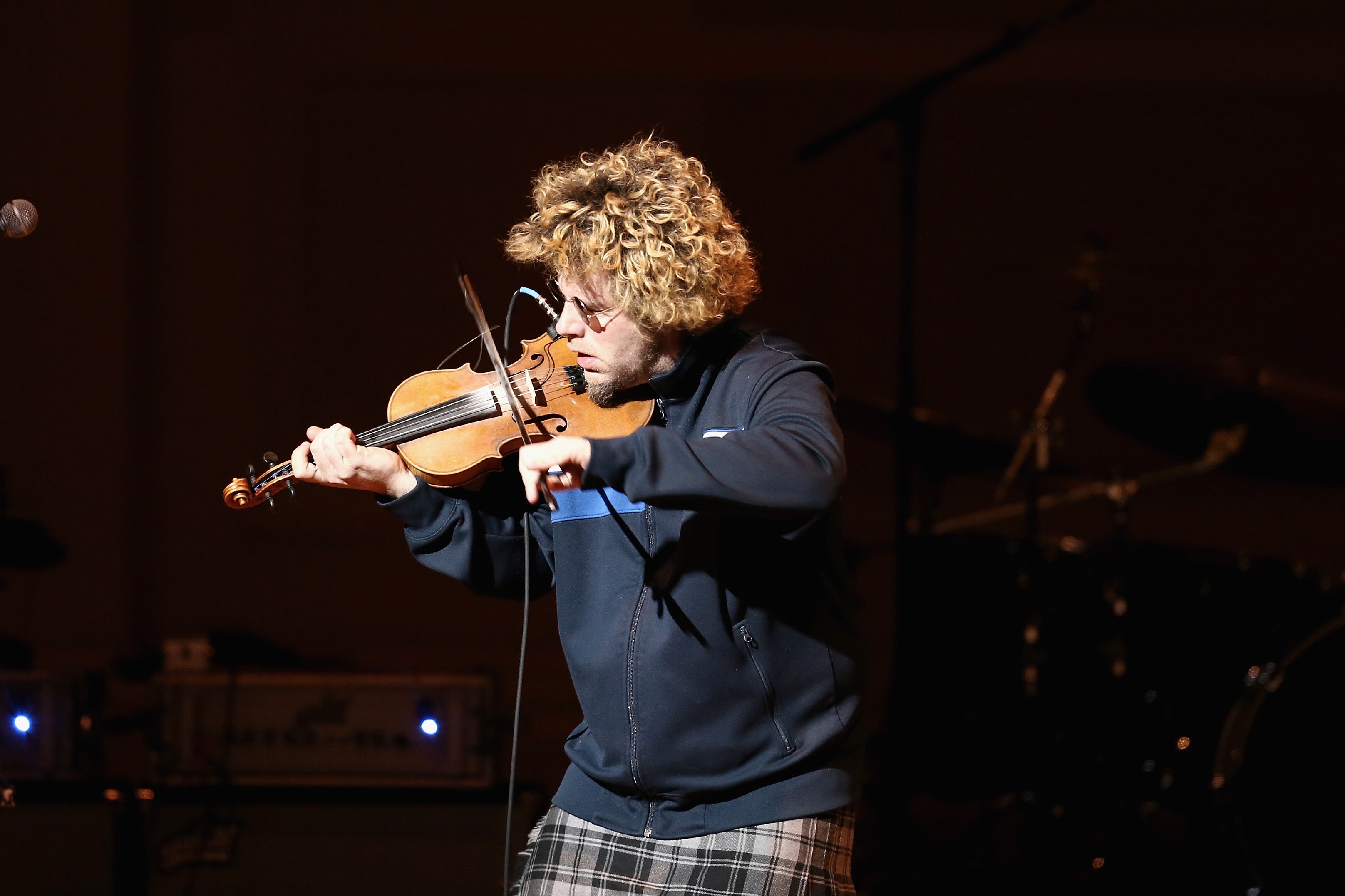
Ashley MacIsaac, a three-time Juno Award winner, filed the claim in the Ontario Superior Court of Justice. The lawsuit, seen by The Guardian, alleges that Google is liable for the “foreseeable republication” of its AI Overview feature, which MacIsaac claims published defamatory statements suggesting he had been convicted of multiple criminal offenses.
The musician is seeking $500,000 in general damages, $500,000 in aggravated damages and $500,000 in punitive damages, the outlet reports.
The AI-generated summary incorrectly stated that MacIsaac had been convicted of sexual assault, internet luring of a child and assault causing bodily harm, The Guardian reports. The lawsuit further alleges that the tool wrongly claimed MacIsaac was listed on the national sex offender registry for life.
“As the creator and operator of the AI overview, Google is also liable for injuries and losses arising from the AI overview’s defective design,” the lawsuit states. “Google knew, or ought to have known, that the AI overview was imperfect and could return information that was untrue.”
 open image in gallery
“If a human spokesperson made these false allegations on Google’s behalf, a significant award of punitive damages would be warranted,” the lawsuit claims. “Google should not have lesser liability because the defamatory statements were published by software that Google created and controls.”
The legal filing claims Google has not contacted MacIsaac or offered an apology.
“Google’s cavalier and indifferent response to its publication of utterly false statements claiming that MacIsaac committed serious sexual offenses, including offenses involving children, justifies the award of aggravated and/or punitive damages,” the civil suit states.
In a statement provided by his lawyers to The Guardian, the musician elaborated on the personal motivation behind his decision to pursue legal action.
“When I first discovered the false statements Google was publishing about me, I felt I needed to speak out to the media to clear my name and bring attention to the issue,” the statement read. “I believe this is a serious issue that needs to be resolved in the courts.”
The Independent has contacted Google for comment.
When MacIsaac first went public with the claims in December, a Google spokesperson told the press that the company invested significantly in response quality and used examples of misinterpreted content to improve its systems.
“When issues arise — like if our features misinterpret web content or miss some context — we use those examples to improve our systems and may take action under our policies,” the company stated.
Current Google AI Overviews for the musician now include details of the litigation and mention that he made headlines for his legal action against the search giant in late 2025 and 2026.
MacIsaac previously told The Canadian Press that the error left him with fear regarding his personal safety while performing.
“I felt that tangible fear from something that was published by a media company,” he told the outlet. “I feared for my own safety going on stage because of what I was labelled as. And I don't know how long this will follow me.”
The musician said he discovered the inaccuracies after the Sipekne’katik First Nation canceled a scheduled concert on December 19. The community cited public complaints based on misinformation found via Google.
The Sipekne’katik First Nation later issued a formal apology to the musician.
“Decisions were based on incorrect information generated through an AI-assisted search, which mistakenly associated you with offenses unrelated to you,” the group said in a statement. “We deeply regret the harm this caused to your reputation and livelihood.”
Join our commenting forum
Join thought-provoking conversations, follow other Independent readers and see their replies
CommentsСхожі новини
Quote of the Day by Usain Bolt: 'I don’t think limits' words of inspiration from the fastest man on Earth
Tumbleweed-style robot can roll across the prairie — no wind needed
Samsung hits $1 trillion valuation as AI rally lifts shares over 10%
