Can Hungary’s Magyar deliver on his promises of reform and restore a relationship to the EU?

The country’s new leadership has pledged to reverse years of democratic backsliding, but they must act quickly
Don’t get This Is Europe delivered to your inbox? Sign up here
Under blue skies on Saturday, crowds cheered as the EU flag was raised on the facade of the Hungarian parliament after a long absence. It was a powerful symbol on the day Péter Magyar was sworn in as Hungary’s prime minister, with a declaration that Hungarians had given his party a mandate to launch “a new chapter” in the country’s history, and change the system.
The new government, seen as an experienced technocratic team, immediately signalled its new direction. “Hungary’s place is in Europe; naturally, firmly and without question,” foreign minister designate Anita Orbán said. Soon after, Hungary dropped its long-standing veto over sanctions against violent Israeli settlers – a sign it no longer sought to be outside the EU mainstream.
Before taking the oath of office, justice minister Márta Görög pledged to revise Hungary’s anti-LGBTQ+ law, after the European court of justice (ECJ) ruled it was discriminatory and in breach of basic democratic values. “Hungary is a member of the European Union, which means that there are responsibilities,” she said. Finance minister András Kármán outlined an economic transformation plan, aiming to meet the criteria for adopting the euro by 2030.
One of the first big tests is meeting Magyar’s pledge to “bring home” Hungary’s frozen EU billions. Most critical is €10.4bn in grants and cheap loans allocated under the EU’s post-pandemic recovery fund that were never paid out over concerns about the rule of law and financial probity under Viktor Orbán.
Later this month, Hungary is expected to produce a new plan to show how it can meet the recovery fund’s goals of making the country greener and more digital, while completing 27 “super milestones” to tackle corruption and ensure the independence of the judiciary – a condition of unlocking the funds. Hungary has until 31 August to show that it has completed these milestones, if they want the funds to be paid out by the end of the year.
Economist László Andor, formerly Hungary’s EU commissioner from 2010-2014, expects the new government to “move mountains” to meet that deadline. Its economy has stagnated over the last four years, while the government deficit is spiralling. “In order to avoid at least a temporary recession and start a new cycle of public investment, [gaining the frozen funds] is absolutely vital,” he told me. “It’s also very important that the new government avoids starting with an experience of a recession, which would obviously be to the detriment of its reputation and competence.”
A further €7.6bn in EU development funds remains blocked over the previous government’s conflicts with EU law, including the anti-LGBTQ+ legislation, but there is no imminent risk of losing that cash. Also at stake is Budapest’s access to €16.2bn in cheap loans for defence projects under the EU’s Security Action for Europe programme.
Zselyke Csaky at the Centre for European Reform thinktank suggests both Brussels and Budapest will have to tread carefully over hitting deadlines. While Magyar has a parliamentary majority to rewrite the constitution, rushing major changes would feel too much like the previous administration: “It is just not a good look if a constitutional amendment is pushed through without much consultation, so that’s basically the limiting factor in Hungary’s case.”
While the European Commission has shown flexibility in its reading of the EU’s financial rules, it has also faced criticism from the ECJ for lack of transparency and “incorrectly” making an earlier decision to release €10bn to Hungary.
Life after Orbán
Beyond EU funds, it remains to be seen how Magyar will govern: whether he is a prime minister for his core conservative voters or if he will create a big tent for left-liberals, who voted for him to get rid of Orbán. For the first time since 1990, left of centre and liberal parties are absent from the Hungarian parliament, after major opposition parties chose not to run in order to ensure Orbán’s defeat.
In a sign of an inclusive approach, in his first speech as prime minister, Magyar apologised to everyone who had been maligned by the state during Orbán’s 16-year rule.
Richárd Barabás, co-leader of Párbeszéd-Greens which did not stand candidates, said there had been great unity among Hungarians to say “no to this kind of authoritarianism, no to this kind of Russian alliance, no to this infringement of human rights” that Orbán’s 16-year reign embodied. But when it comes to a positive agenda, he said his party would continue to take different positions to the government: “It is time to start the discussions about the future we want to have and it’s quite natural that we do not agree in every aspect of that.”
Specifically, he said there was a need to debate issues such as European federalism, the integration of Ukraine into the EU and the phase out of Russian oil and gas from Hungary’s energy mix. Barabás wants to phase out Russian fossil fuels as soon as possible, favouring the EU’s end of 2027 target, while Magyar has proposed a 2035 deadline.
Speaking to me the day before Magyar was sworn in, Barabás wanted to strike a positive note, congratulating him for his “really great job” in winning the elections, triumphing over the “severe” and “disgusting” smear campaign from the previous government. “We really wish him luck as prime minister to be able to fulfil all the expectations and requirements proposed by the commission for him, because Hungary really needs the EU funds to come back.”
Until next week.
To receive the complete version of This Is Europe in your inbox every Wednesday, please subscribe here.
Explore more on these topicsShareReuse this contentСхожі новини
Зеленський розповів про переговори з президентом Румунії
Зеленський запропонував Румунії співпрацю у форматі Drone Deal
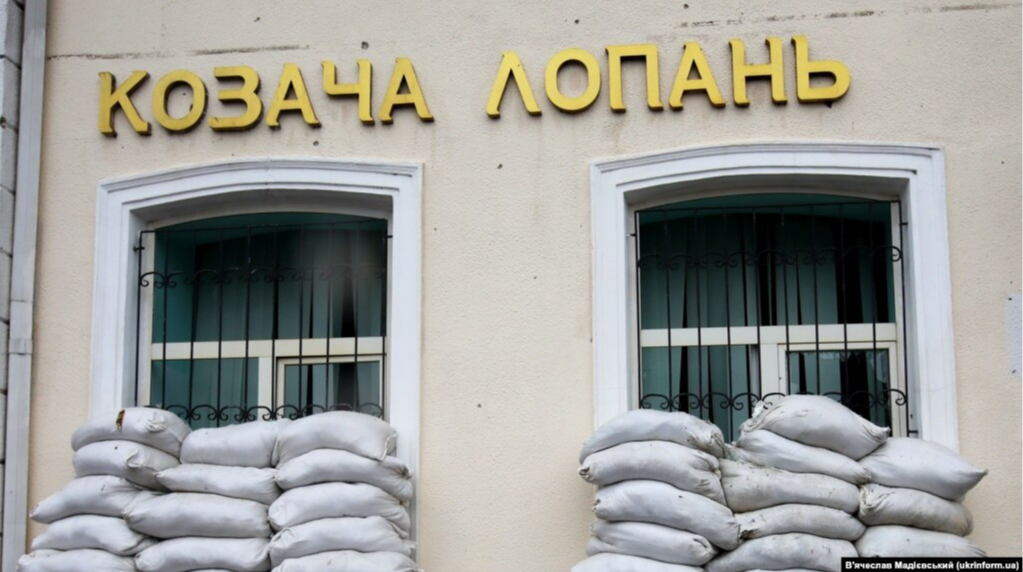
РФ вдарила по житловому будинку у Козачій Лопані: постраждали дочка з матір'ю