Campaign staffers making ‘thousands’ betting on their own candidates using insider information, report says
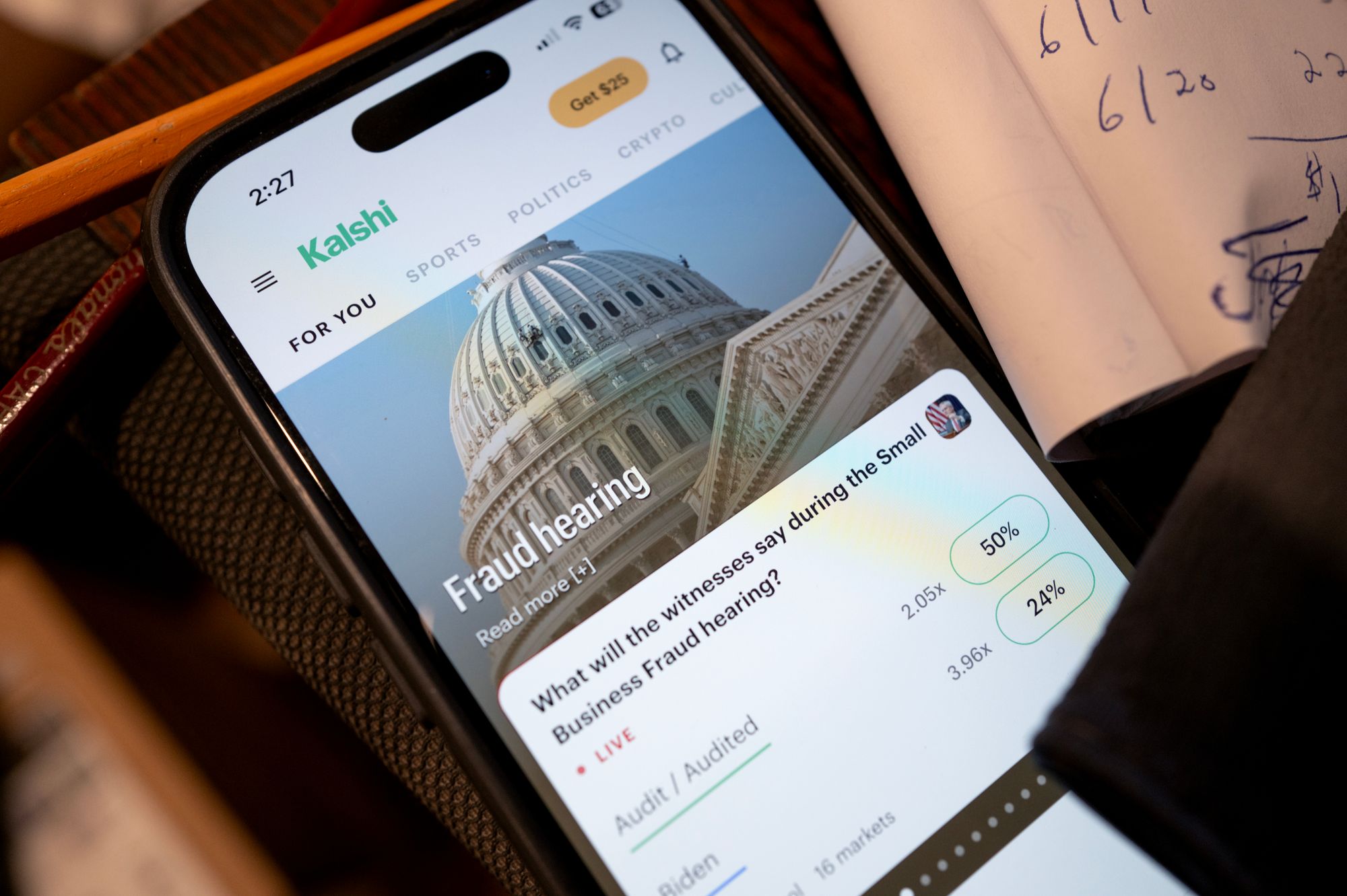
Campaign staffers are using privileged information about the popularity of their own political candidates to make “thousands” of dollars on betting apps, a practice that has become “commonplace,” according to a report.
The recent surge in popularity of gambling apps like Polymarket and Kalshi, which offer “event contracts” on real-world happenings, has caused the question of insider trading to come to the fore this year as suspicious betting patterns arise and regulators struggle to keep pace.
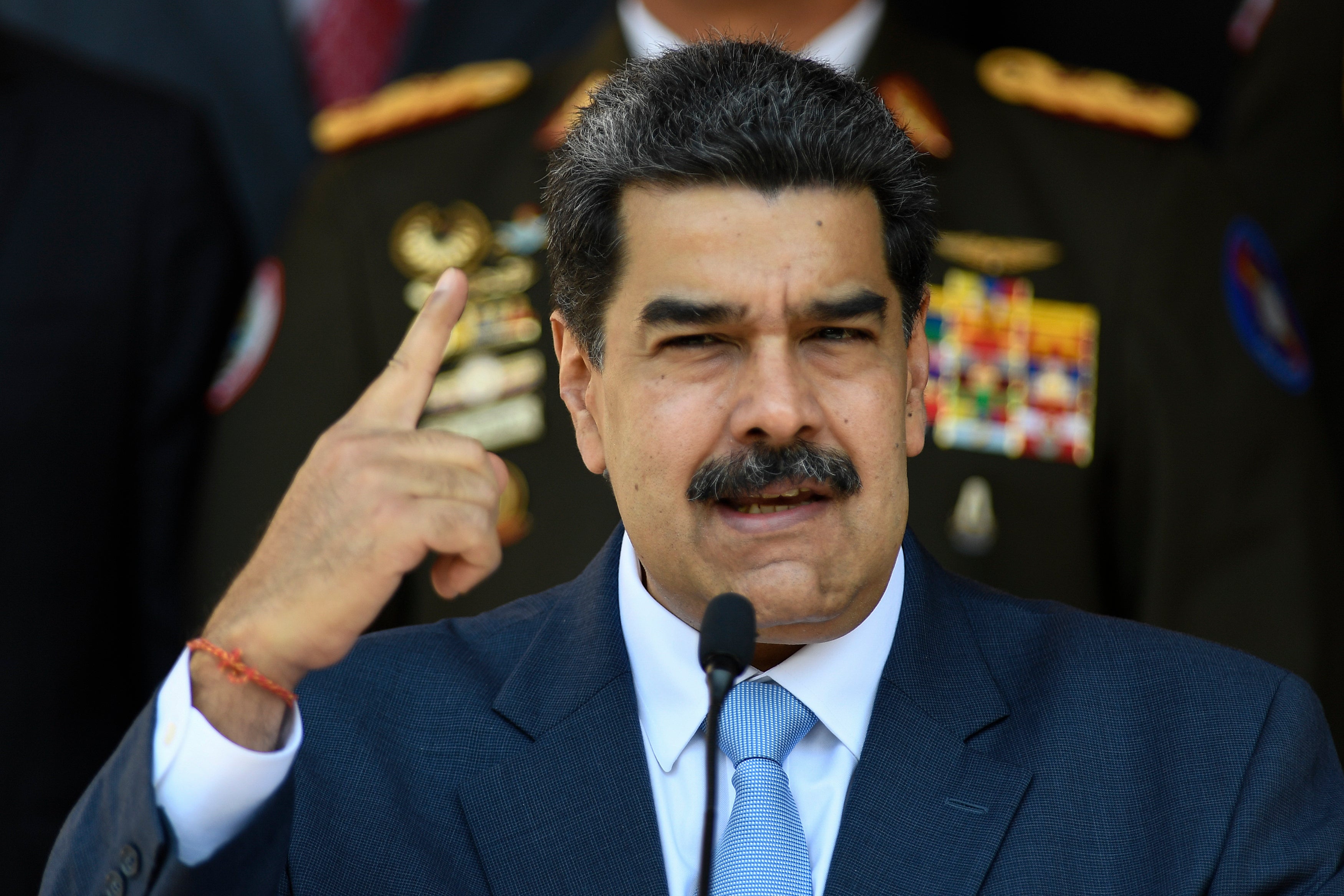
In one instance, a U.S. soldier reportedly made $400,000 correctly forecasting the capture of Venezuelan president Nicolas Maduro shortly before it came to pass in early January when U.S. forces swept into Caracas.
 open image in gallery
Now NPR reports on the prevalence of betting among political operatives, offering the example of one anonymous staffer working on a statewide campaign in the American South.
The unnamed individual saw the results of a forthcoming new poll on their candidate’s fortunes, realised it would drive up the politician’s odds, and took advantage by placing a bet before the survey was published.
“Myself and others started placing bets before that poll came out,” they told the network. “And then, sure enough, as soon as that poll came out, the stock went up and everybody made money.”
The staffer said the most they had ever made from gambling in this way was “thousands” and reflected: “Because you have all this information and knowledge that isn’t publicly available yet, it’s almost foolish not to bet on it before it’s made public.”
NPR spoke to a second anonymous staffer on the East Coast who said their colleagues “were placing bets because they had polling and the markets were so topsy turvy.”
“They were like, ‘I’m going to go make a quick $5,000,’” the source said. “People certainly were doing that. I know many people who did it. Unless the federal government makes a change… it’s kind of going to continue to be the Wild West, in all honesty.”
 open image in gallery
Lawyer Jeff Le Riche, an expert on market manipulation who spent 20 years working with the Commodity Futures Trading Commission, told NPR: “It’s illegal or a violation of the Commodity Exchange Act if you have material, non-public information and you have a duty not to use that.”
Le Riche used the same analogy for lawlessness employed by the second staffer: “This happens a lot in financial innovation, where something goes from a purely unregulated space, kind of a Wild West approach.
“And so you haven’t seen many people get in trouble or prosecuted or investigated for activity, and so it creates an illusion of safety.”
Former CFTC commissioner Kristin Johnson said the body is not yet equipped to properly investigate or enforce political insider trading cases.
“I don’t believe that the CFTC has developed experience and expertise in policing election positions,” she said.
“The commission has not yet tried a series of cases testing the authority, and the courts have not indisputably concluded that insider trading laws apply in one of those contexts, or at least one that's relevant to the hypothetical you offered.
“It will be important for Congress to lead and give the CFTC a clear direction of travel regarding the expectations with respect to the kinds of contracts we’re describing… political event contracts.”
 open image in gallery
A recent rush of stories about suspicious trading activities in relation to the Iran war, from people betting on the death of former supreme leader Ayatollah Ali Khamenei to surges in oil trading tallying with official announcements, has brought increased scrutiny to the issue in Washington.
Polymarket and Kalshi have moved to fine and ban politicians who bet on their own elections, the White House has warned staff against using prediction markets, and the Senate has unanimously voted to prohibit senators and their employees from placing wagers on real events.
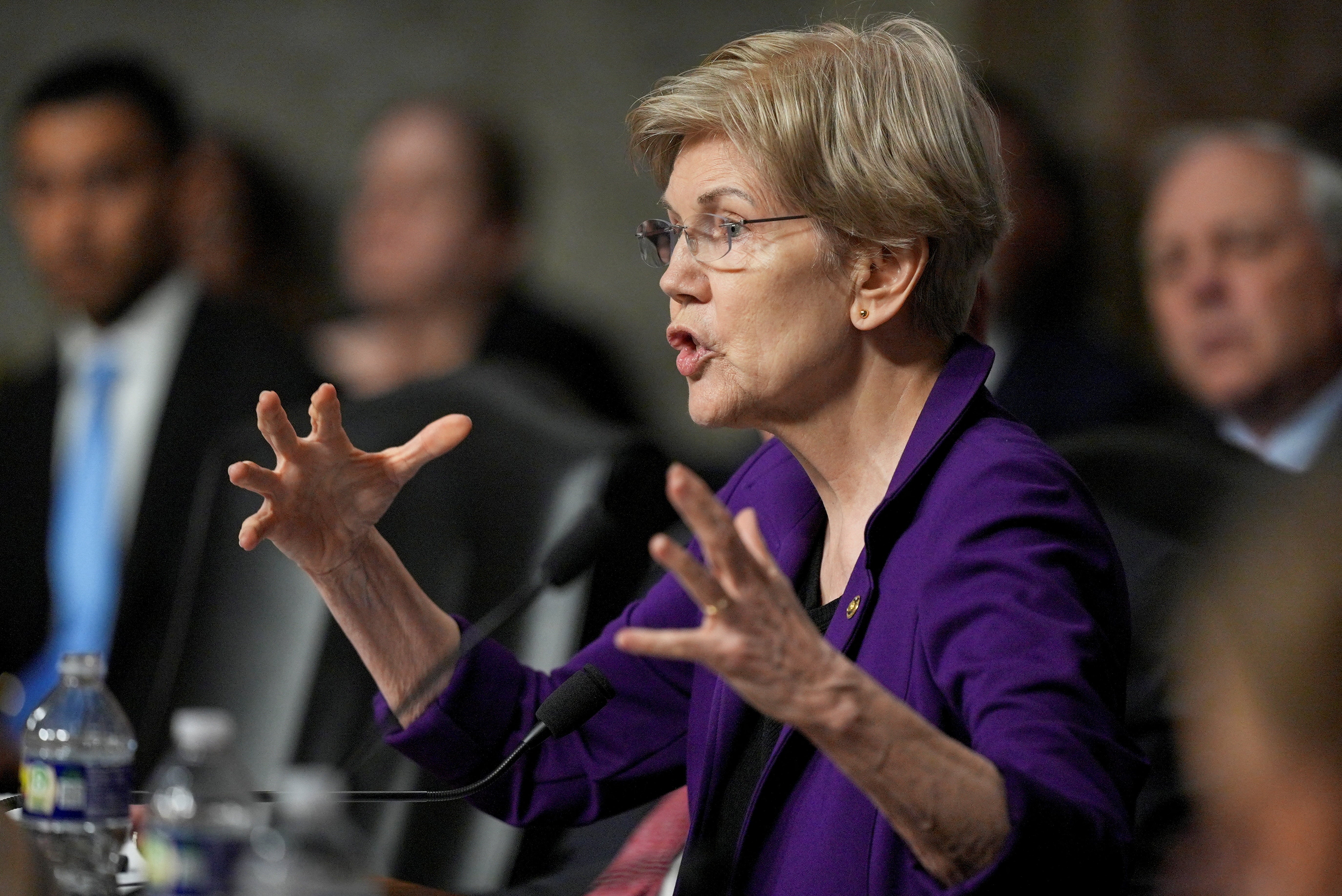
Massachusetts Democratic Sen. Elizabeth Warren recently grilled Defense Secretary Pete Hegseth on the matter before Congress, demanding to know why insiders were “making out like bandits using secret information about the war.”
Rep. Seth Moulton, another Massachusetts Democrat, has banned the apps from his office.
His campaign manager, Jeff Phaneuf, told NPR: “When people are in positions of public trust and they use insider information to make, you know, insider bets, that’s completely unethical.
“And so, we banned it in our campaign and we’re encouraging other offices, other campaigns to do the exact same thing.”
Join our commenting forum
Join thought-provoking conversations, follow other Independent readers and see their replies
CommentsСхожі новини

Hormuz technically open for ships, but risks too high, says Indian National Shipowners’ Association chief
Saahas Kaul and Neha Suratran: Indian-origin duo explain why people are speaking against India at Frisco city council meetings

Nepal opposition wants PM Balendra Shah to hold Lipulekh talks with India