Camera Roll: Sea Kayaking in Loreto Bay National Park
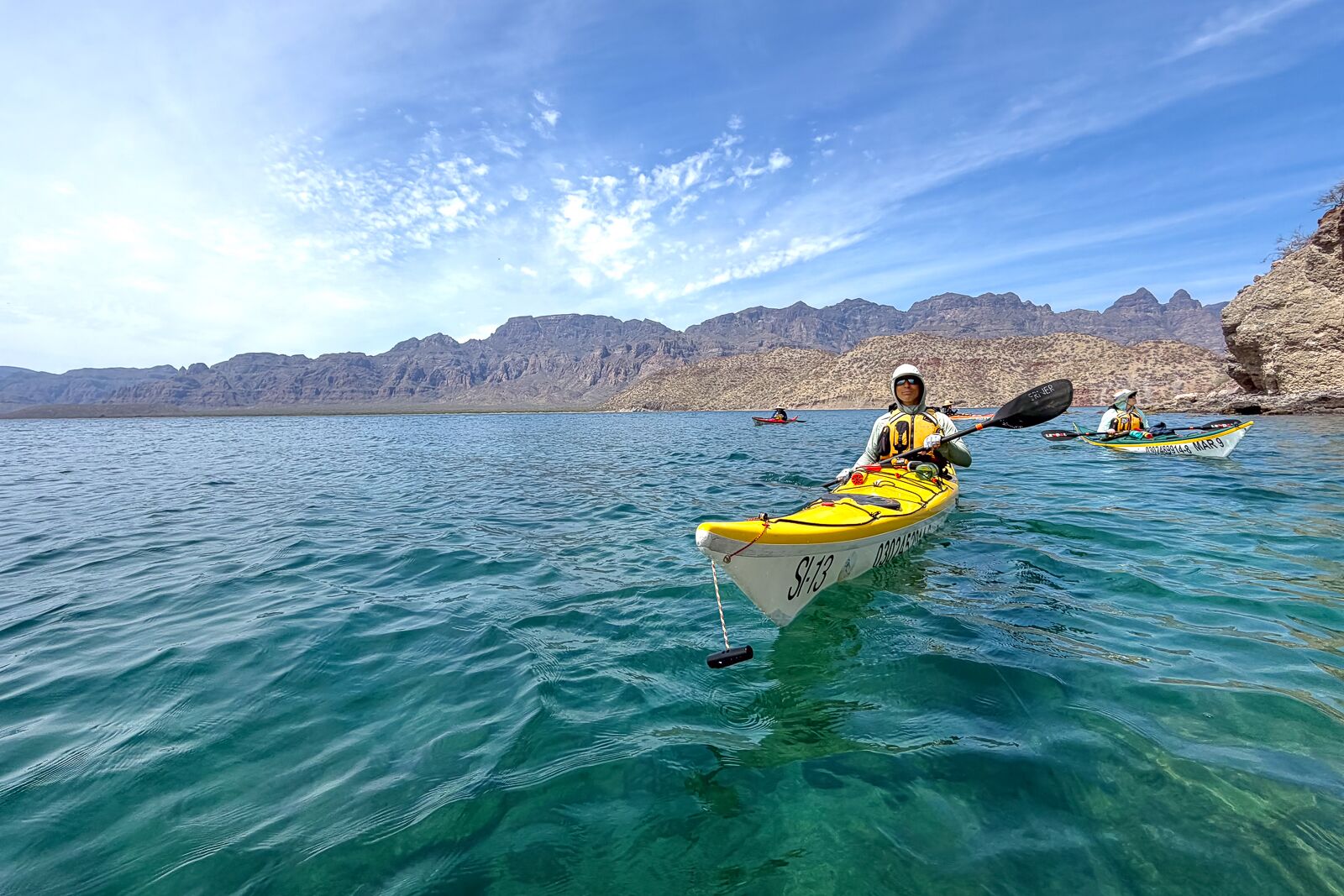
A few months ago, I moved from Mexico City to La Paz, Baja California Sur. From the day I arrived I’ve felt the urge to explore every hidden beach and every island I spot on the horizon. Being surrounded by so many natural wonders —and so much ocean— established the idea of finding new ways to move through it, especially on the water. So when I received an invitation to explore the islands of Loreto Bay National Park on a sea kayaking and camping trip, the opportunity felt too unique and timely to pass up, even if I had never really paddled in the ocean before, and despite any hesitation I felt as a result of a sense of adventure that had historically been landlocked.
Loreto is 220 miles north of my home in La Paz. This side of Baja was completely new to me, and represented the more remote and wild side of the peninsula that I had longed to experience. As I headed towards Loreto along the Transpeninsular Highway — which connects Los Cabos in the south with Tijuana in the north — the sense of remoteness increased with every mile, and so did my anxiety for the adventure ahead. Was I ready to paddle in the ocean? How far offshore are the islands? What if my arms gave out and I drifted all the way to the shores of Sinaloa? Would I even be able to focus on photos with all of these thoughts running through my head?
Those questions quickly gave way to total astonishment as I saw the towering cliffs and red canyons of the Sierra de la Giganta for the first time. The range rises abruptly from the desert, pressing Loreto up against the ocean, and seems to extend offshore in the form of the multiple islands that make up the national park. A few miles later, the road gets closer to the water, revealing a clear view of Isla Danzante, one of the park’s five main islands and the primary destination of my trip. We stopped quickly at a roadside lookout before getting on the water, and by this time I’d lost any self doubt in the views of the landscape. I was ready to get into the ocean.
All photos by the author.
Learning the basics of sea kayaking
After checking in for the night at Bugambilias Suites, I headed to the offices of Sea Kayak Baja. My group guides, Ramón and María, were waiting to walk me through the basics of the expedition ahead. There are a few kayaking tour operators in Loreto, but Sea Kayak Baja is the only one certified by the British Canoe Union — and the only Mexican company authorized to train ocean kayaking guides. They offer a wide variety of experiences, from day tours and courses to multi-day expeditions like the one I was about to join.
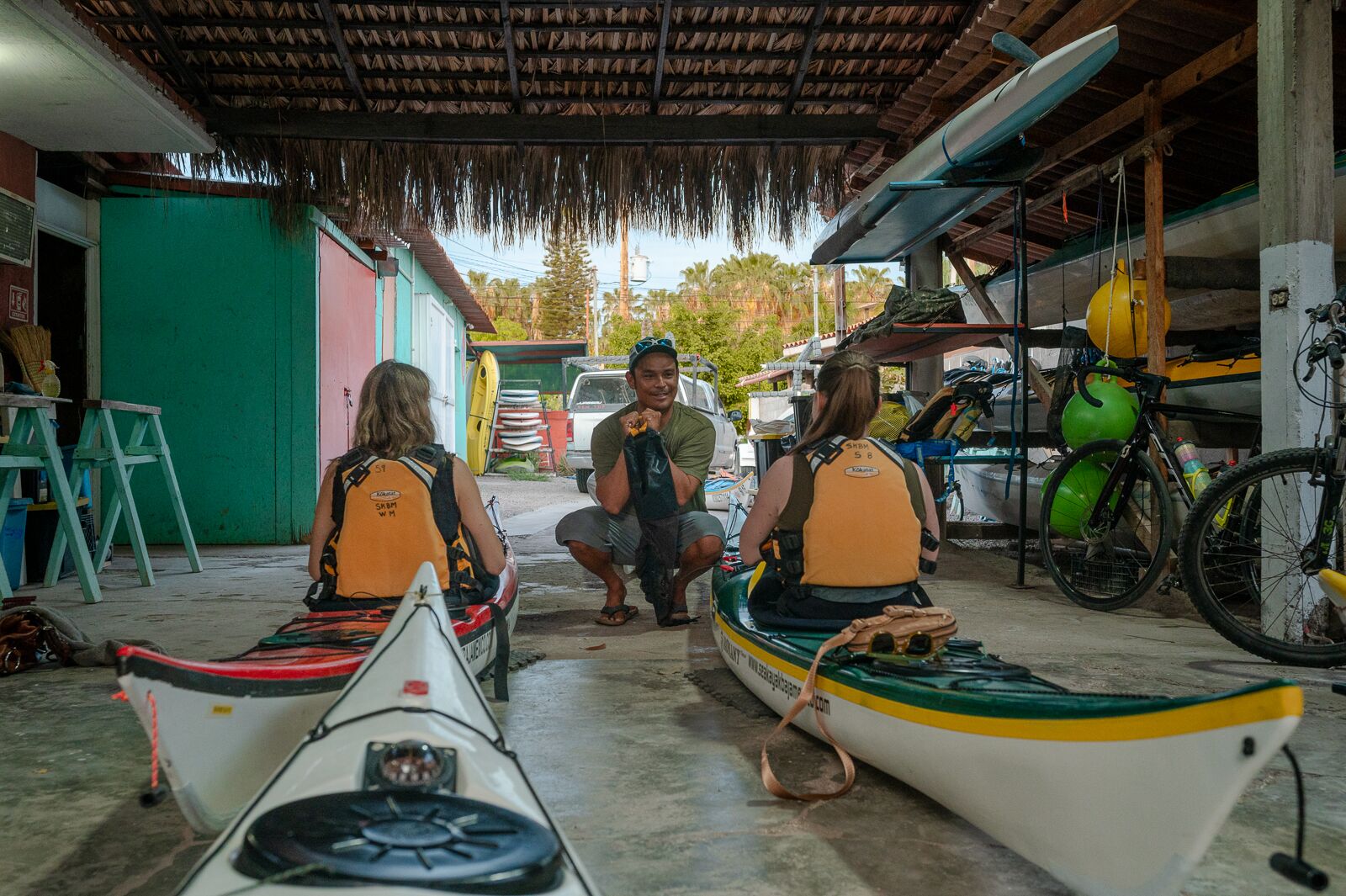 Sea kayaks are larger and more technical than your usual recreational kayak. Here, my group and I learned about skegs, sprayskirts, and the different compartments in the boats. Getting comfortable with your equipment is essential before a multi-day adventure.
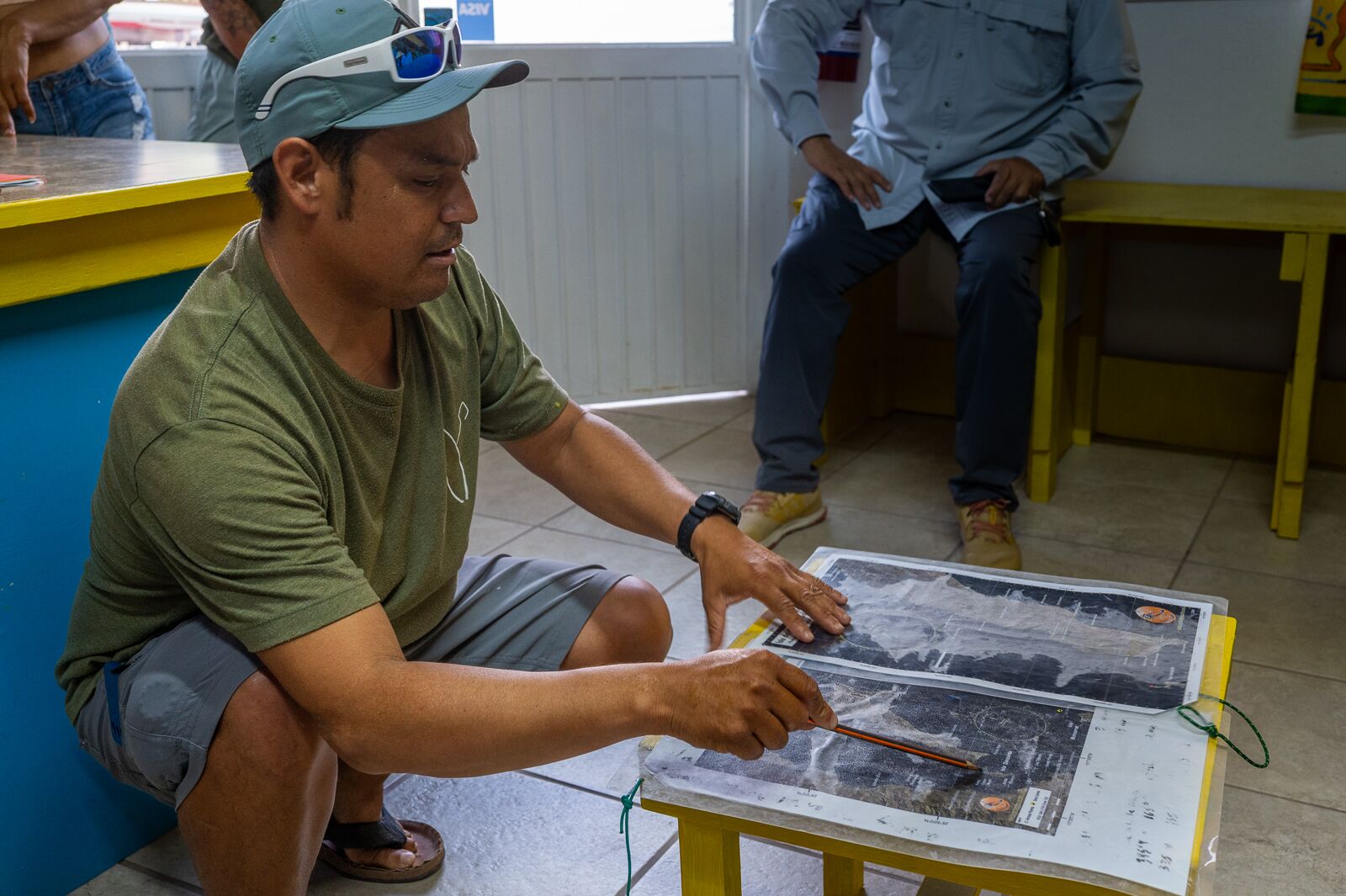 Ramón walks us through the itinerary: we would paddle between two and four hours daily before camping on two of the park's islands — Isla Carmen and Isla Danzante.
Packing for the trip was an adventure in itself. I was handed four dry bags, which seemed far too small for everything I intended to bring. Not only did I need to fit my personal belongings into my own kayak, but I was also responsible for carrying part of the group’s gear — including cooking equipment, kitchen supplies, and water containers— as well as my sleeping bag, tent, a beach chair, and all of my photography gear. My Tetris skills were definitely going to be put to the test the following morning.
The first day in the ocean
The next morning, we drove a few miles south of Loreto to Puerto Escondido and El Quemado Beach. The plan was to set off from here, aiming to reach Isla Carmen and set up camp for the night. Ivette Huerta, the local representative of Visit Baja Sur —who was also joining the expedition— was concerned about the wind, and so were our guides. We nearly had to wait for conditions to improve on a nearby beach before attempting the crossing to the islands.
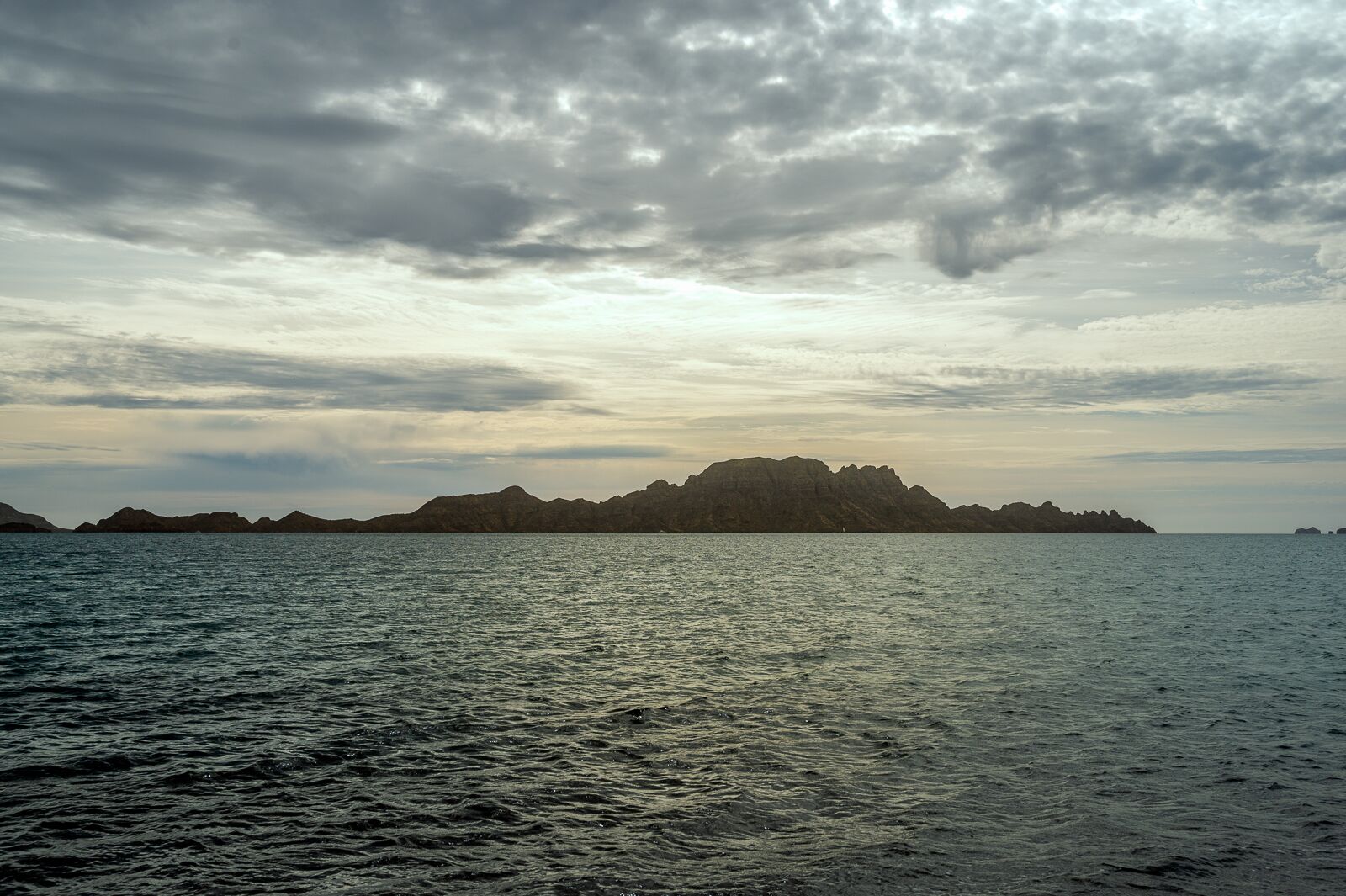 My first glimpse of Isla Danzante from El Quemado beach. The ocean might look calm, but the whitecaps in the distance hinted at increasing winds.
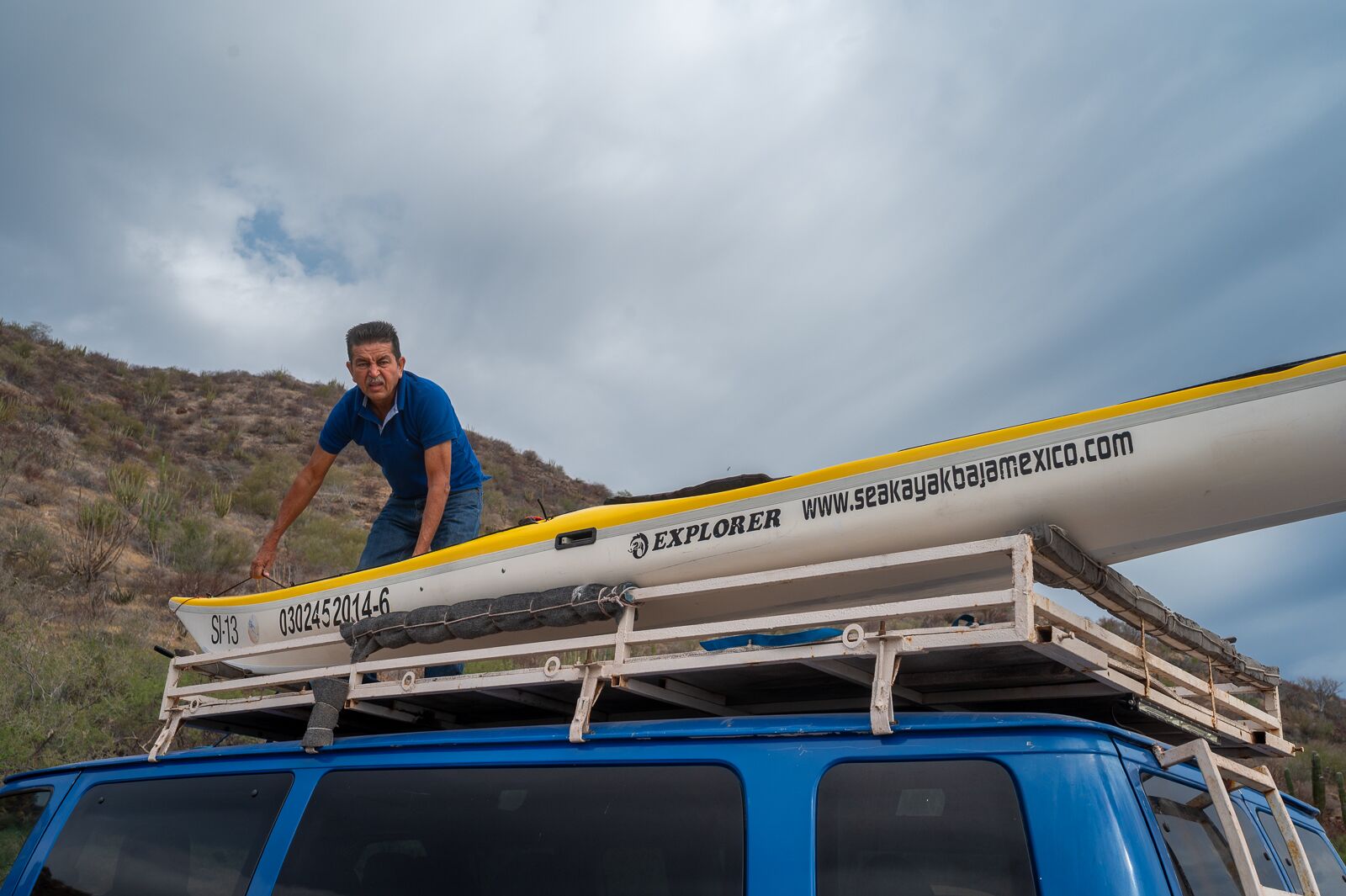 The Sea Kayak Baja team gets everything ready for the expedition. We were using 16-foot kayaks, each weighing approximately 58 pounds.
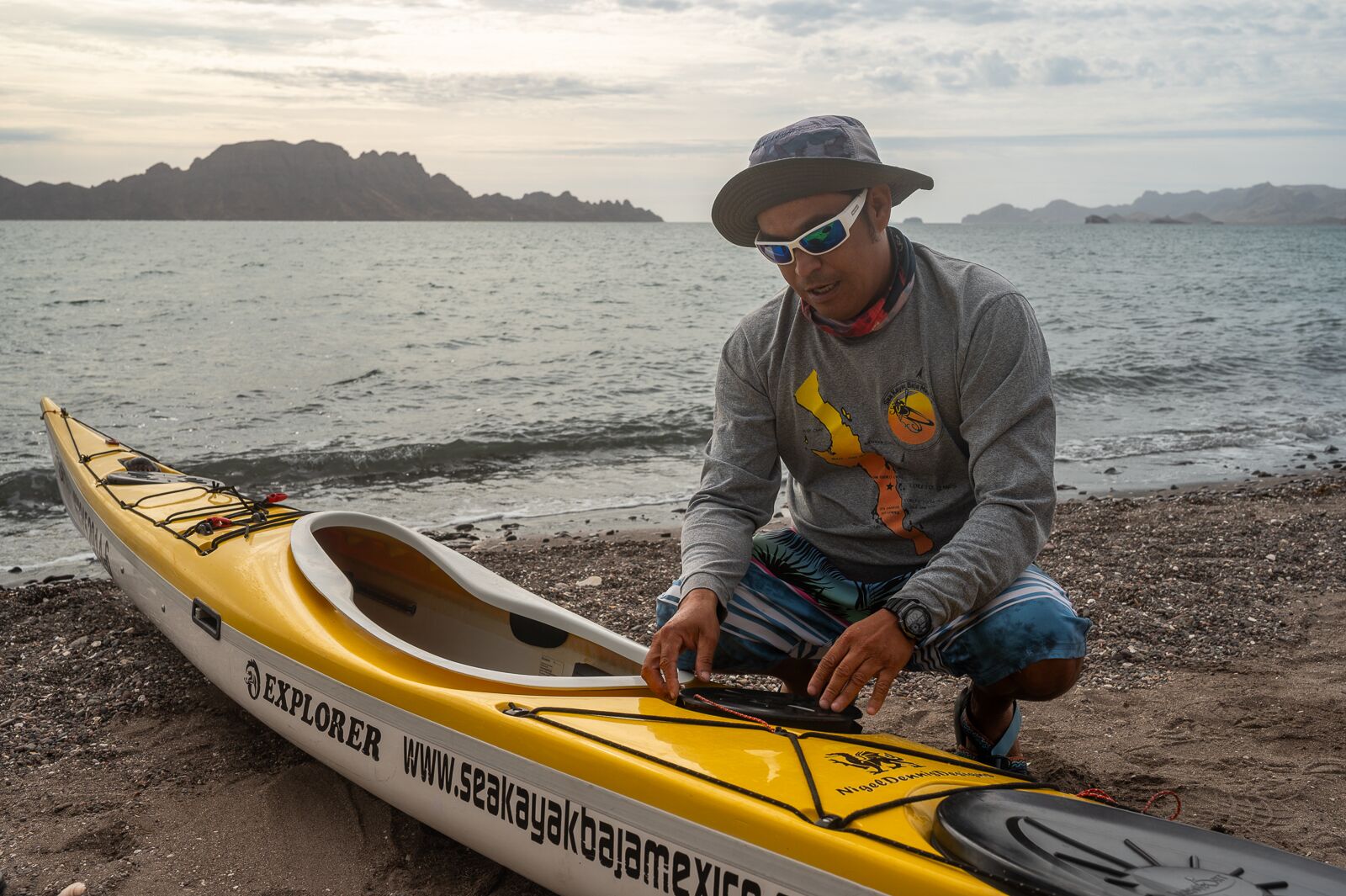 Here, Ramón gives us a new round of safety instructions and an overview of the first leg of the journey. By this point we were almost ready, but first, we needed to practice a mandatory but intimidating maneuver.
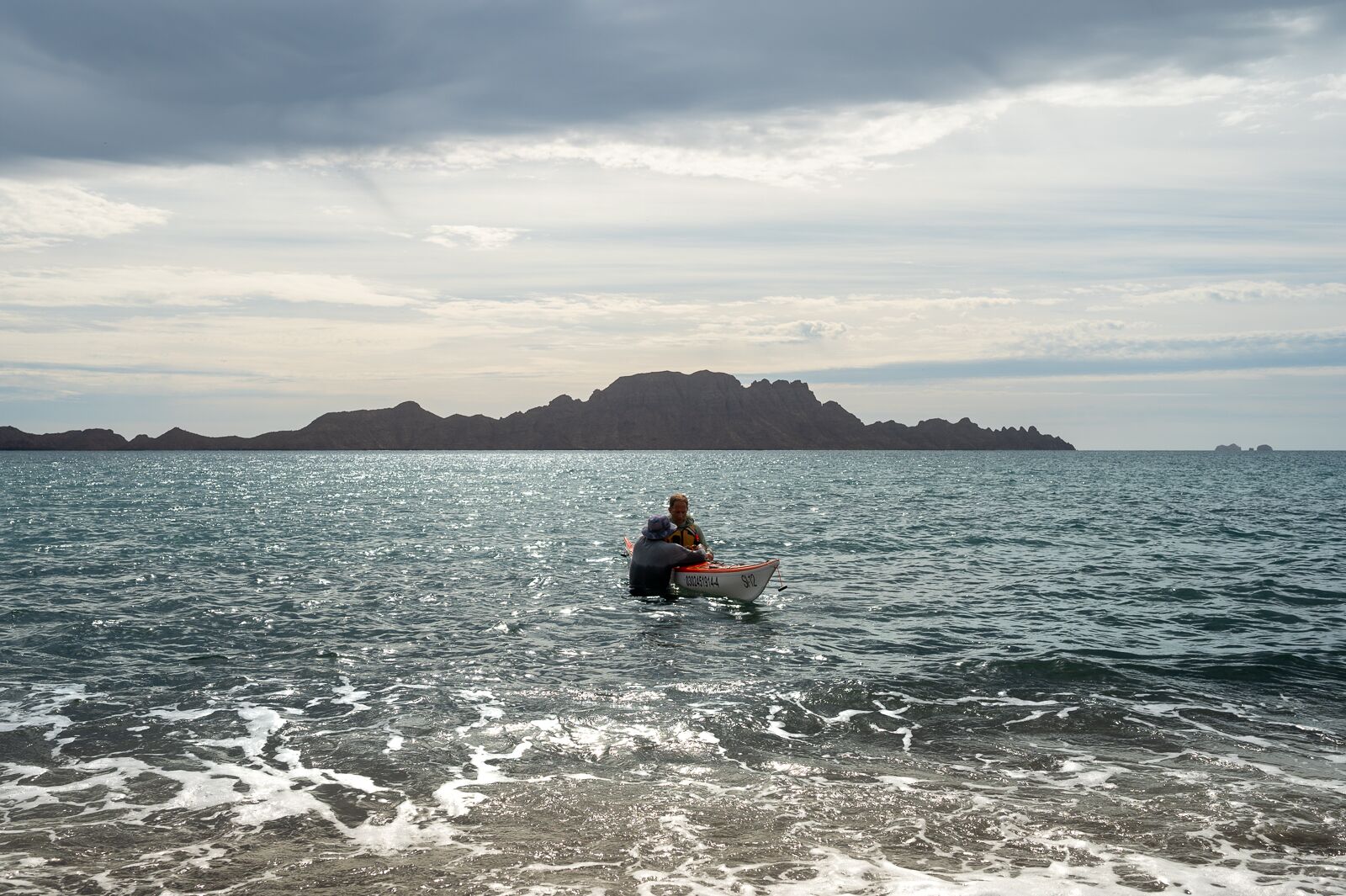 Every member of the expedition went through a wet exit drill, simulating a capsize. The goal was to release your sprayskirt —which is firmly attached to the cockpit— and exit the kayak as calmly as possible. It took me three tries to exit "calmly."
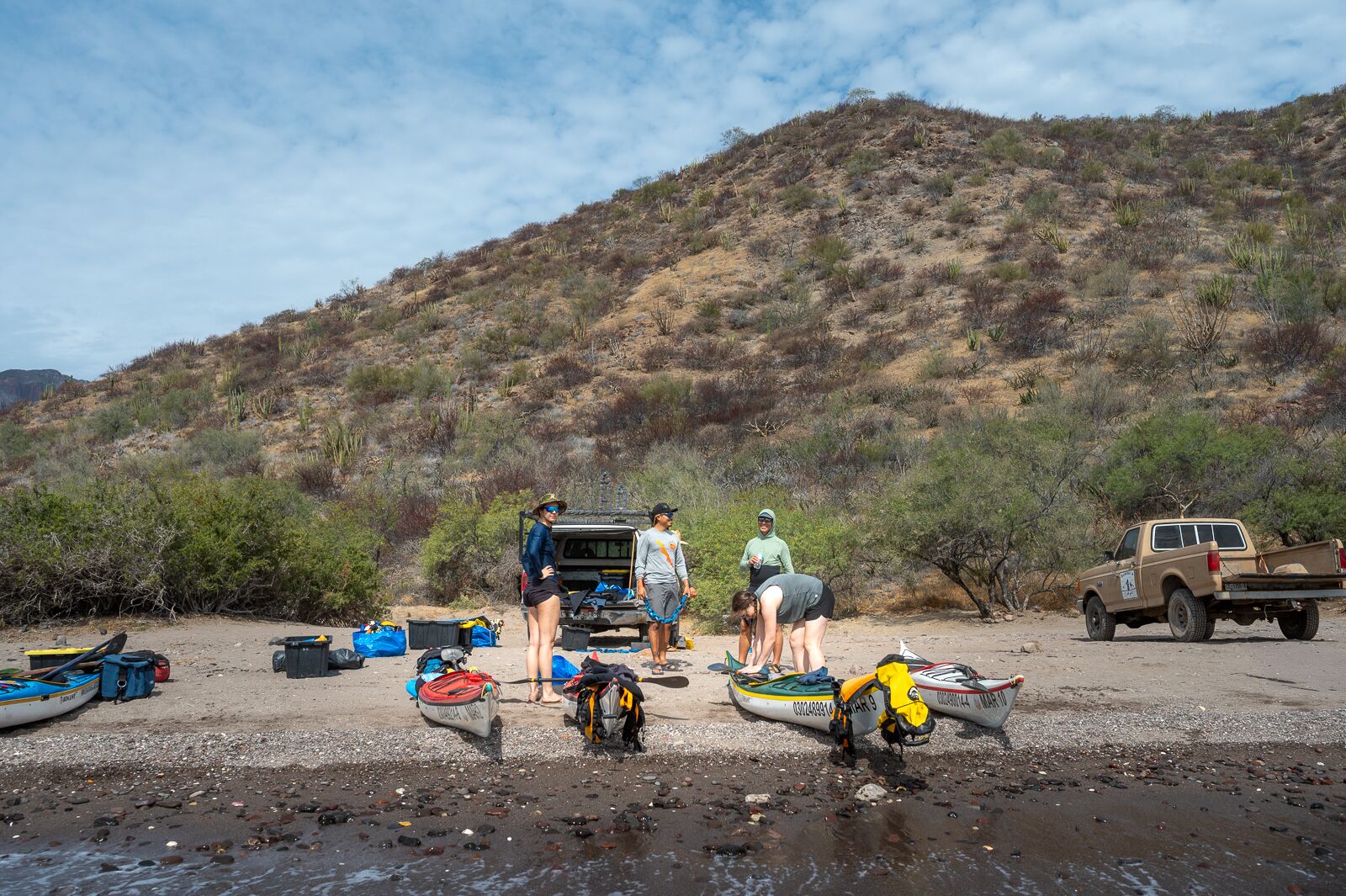 The first round of packing was a collective mess and required plenty of assistance from the experts. Fitting a portable stove inside my kayak turned out to be my biggest challenge.
But the guides determined the conditions to be passable and it was finally time to set off. We followed the coast north toward Punta Coyote, a secluded beach accessible only by water. The cloud cover made this first stretch of paddling — about 40 minutes — surprisingly manageable, even with the wind picking up. At Punta Coyote, we waited for the forecast to improve, but unfortunately that never happened, and we ended up setting camp there for the night.
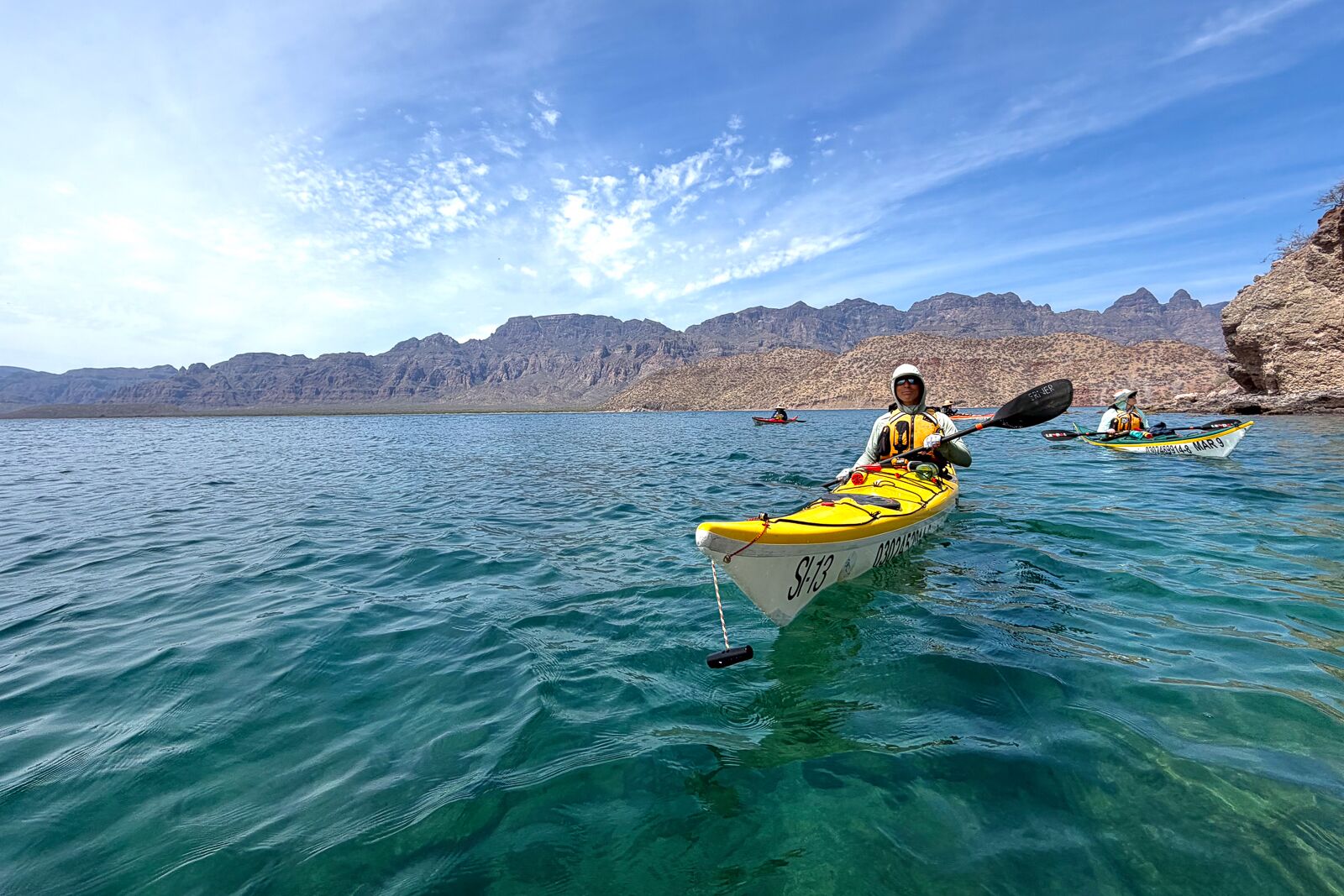 Loreto Bay is astounding. When I asked Ivette whether she considers Loreto the best sea kayaking destination in Baja, she didn't hesitate. "There are great places in Baja, but nowhere else do you get the same sense of discovery from moving between islands. It feels like a true journey, not just a day excursion."
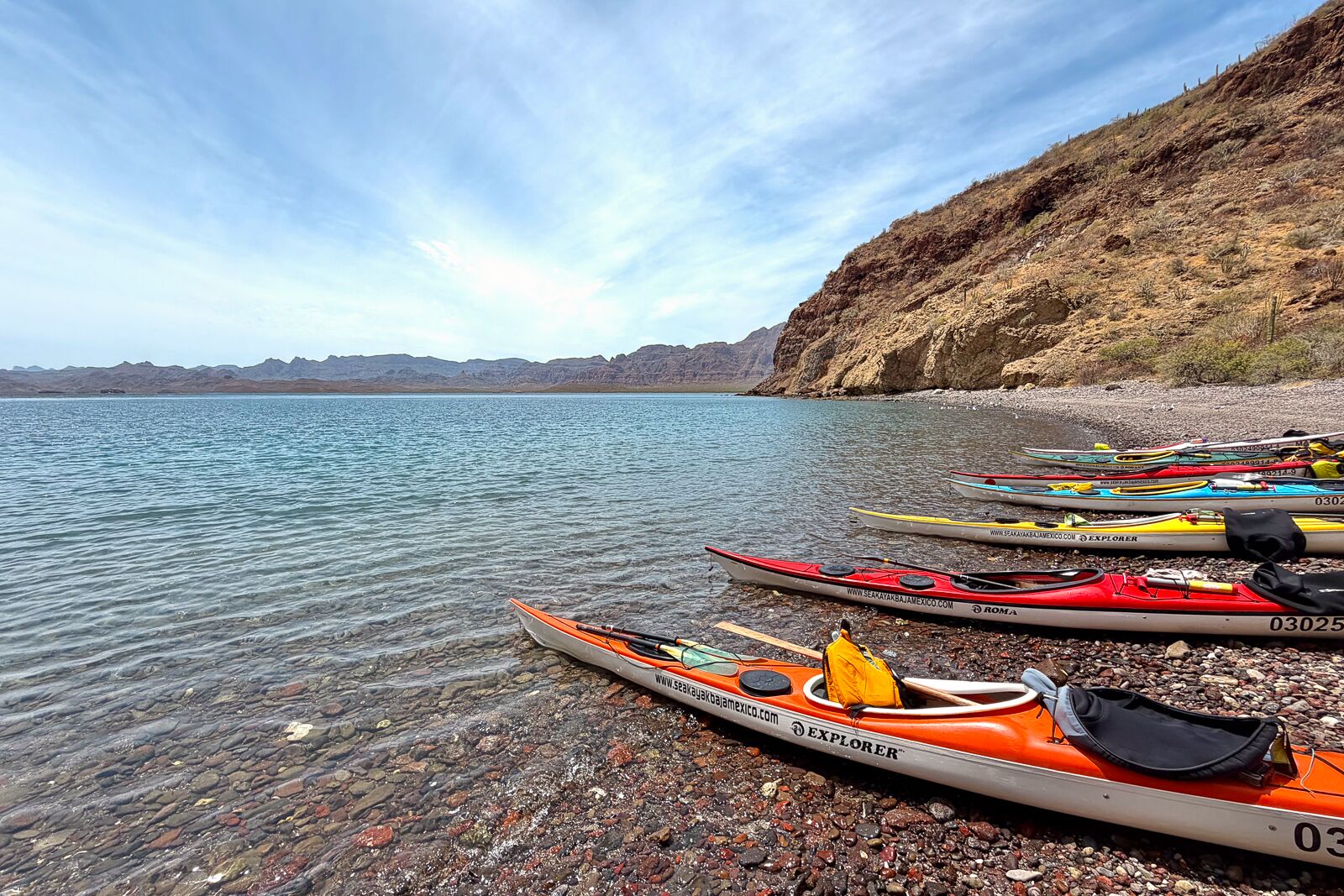 Our first stop: Punta Coyote. The mountains of the Sierra de la Giganta rose in the distance.
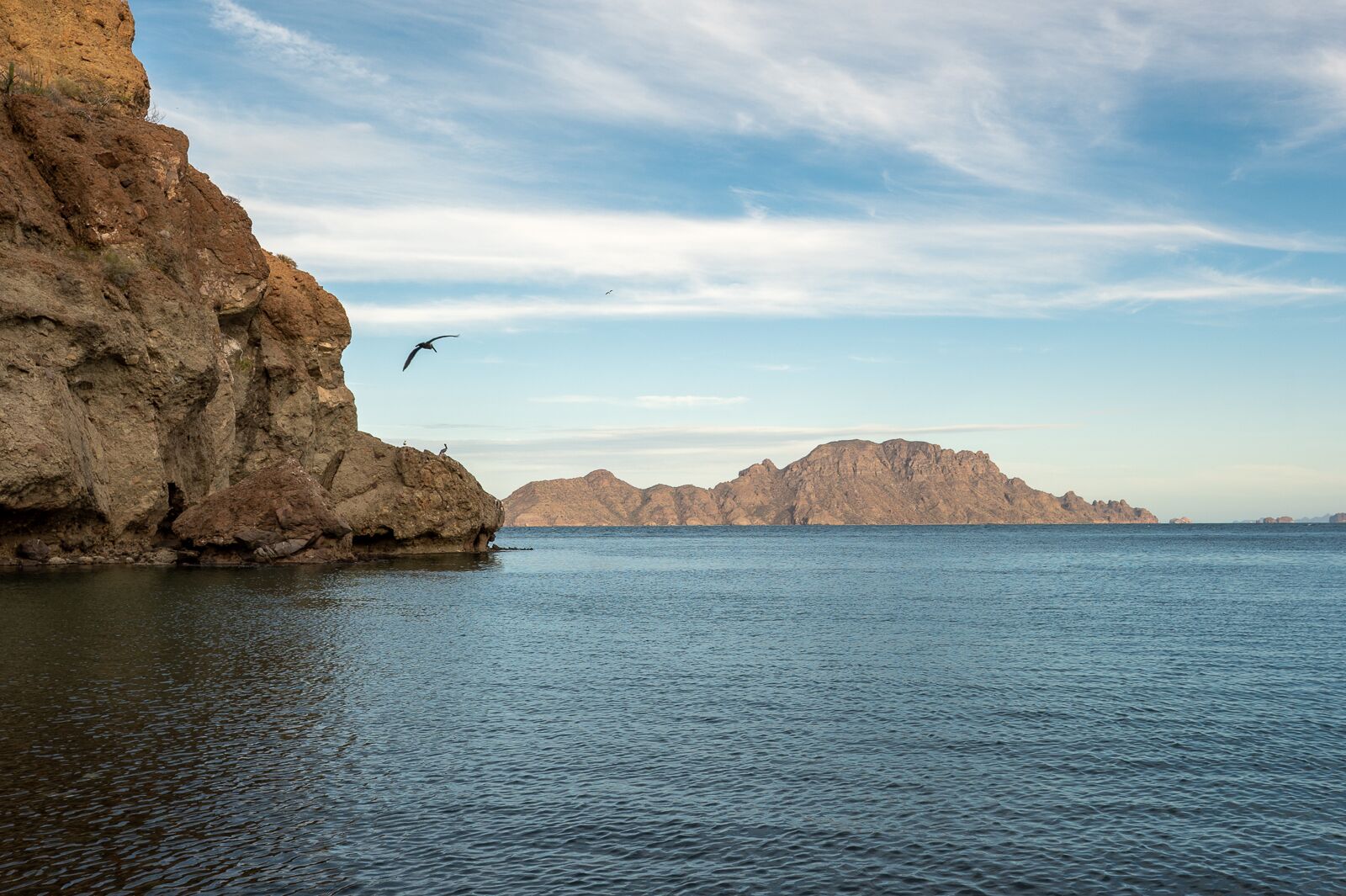 With little change in weather, our guides decided we would spend the night at Punta Coyote. If the wind allowed it, we'd attempt the crossing to Isla Danzante early the next morning. Not making it to the islands was no disappointment at all. Punta Coyote is both beautiful and secluded, with only seagulls, pelicans, and the occasional jumping mobula ray for company. This already felt like an adventure.
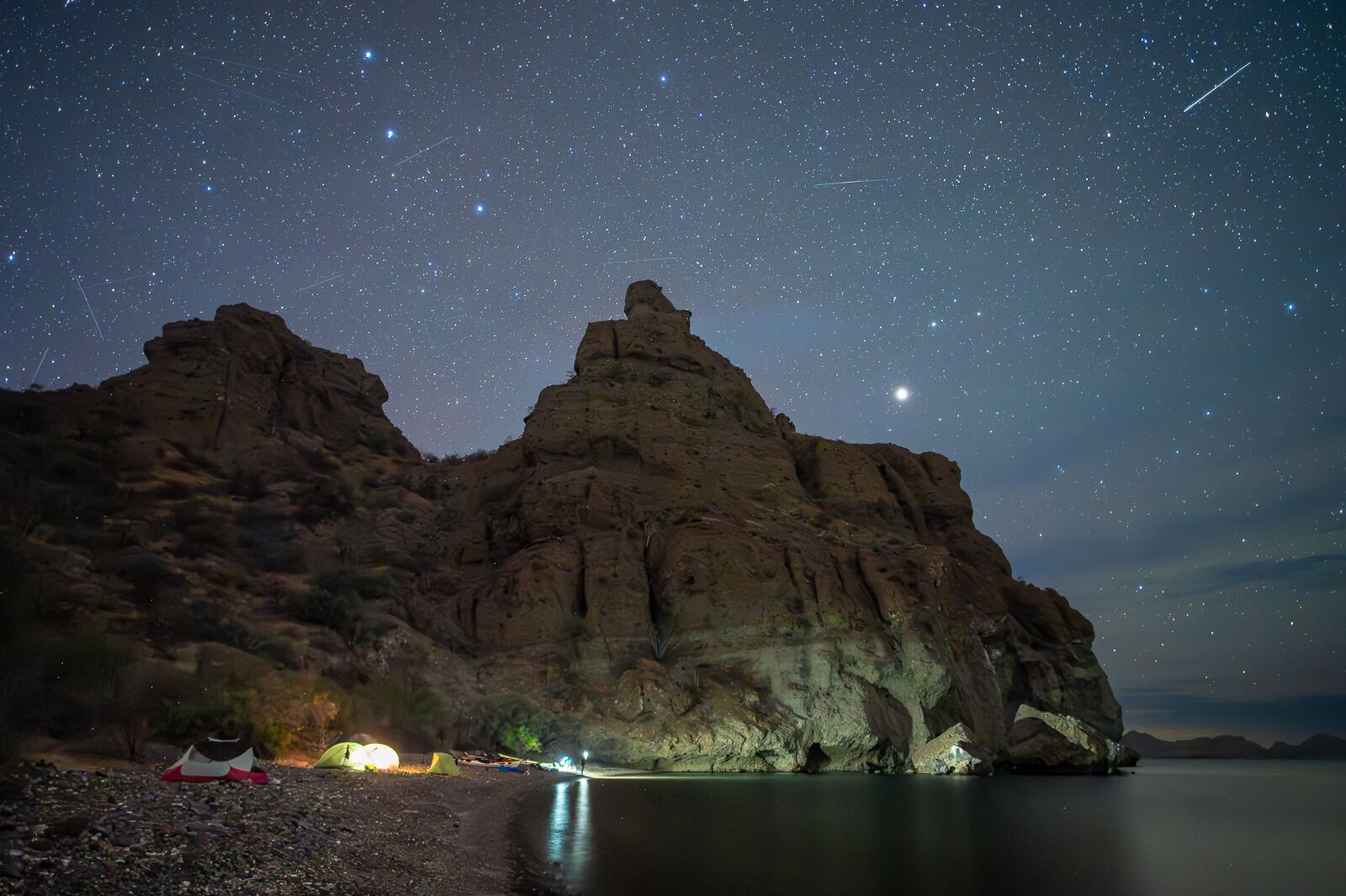 Just a few miles from Loreto and facing the Sea of Cortez, our nights began to look like this.
Crossing to the islands
Just as we had planned the day before, we packed up quickly after sunrise — fortunately, it wasn’t as chaotic as the first time — and began the crossing toward Isla Danzante. This stretch of paddling was more challenging than the day before. There were no whitecaps, but the wind and the steady, rolling waves were enough to make me uneasy. María and Ramón kept a close eye on the group, helping us to stay on course and maintain a good technique through the crossing.
We reached Isla Danzante mid-morning and were greeted by a pod of dolphins feeding and playing near the shore. We stopped at Playa Punta Arenas to stretch our legs and arms. Here, Ramón pulled out a map to walk us through the next leg. Isla Carmen was out of the itinerary due to the weather, but Danzante offered plenty of opportunities to paddle and explore. We would be heading into the wind for more than forty minutes before reaching Bahía Honda, on the island’s southeast side.
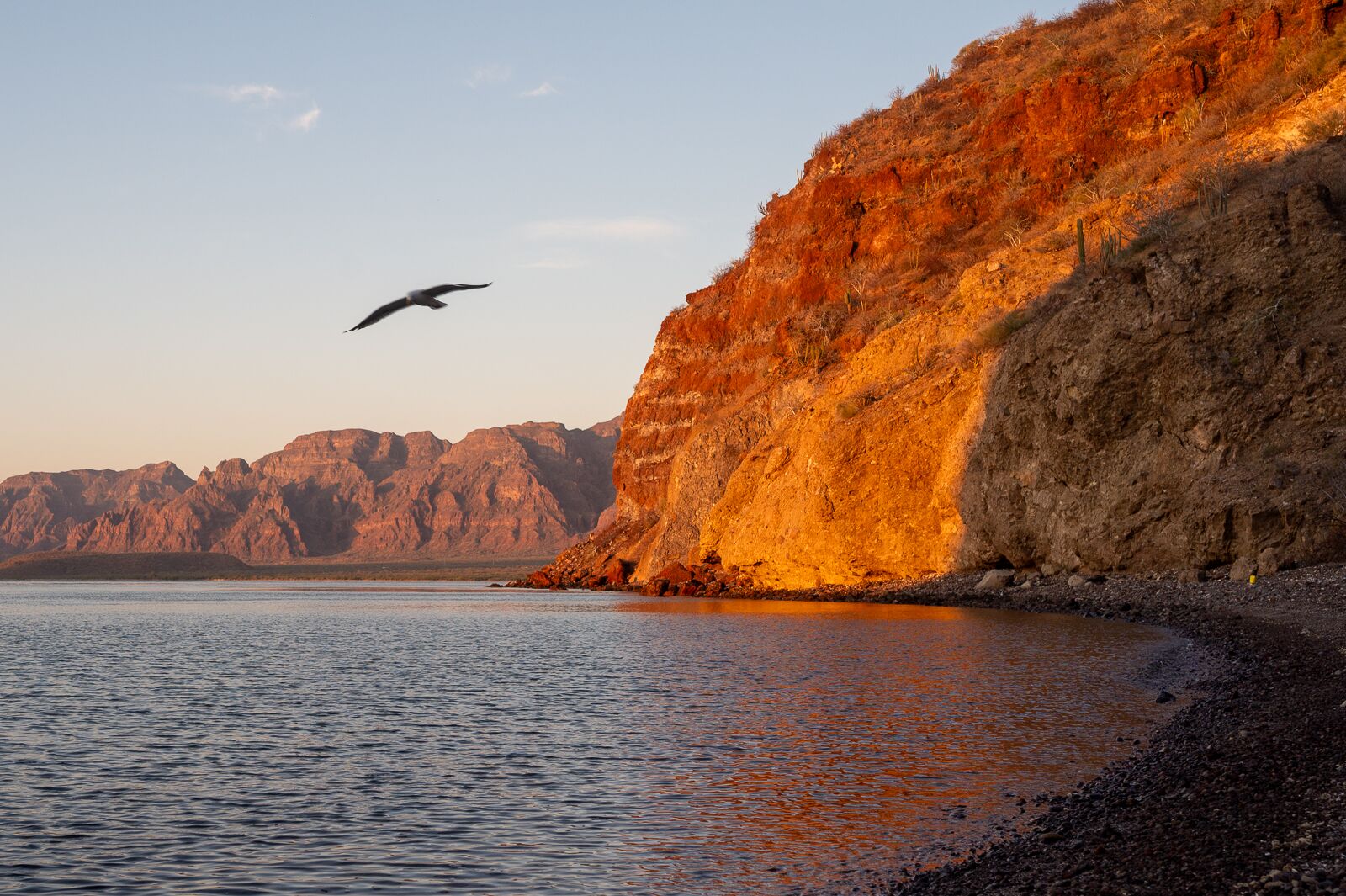 First light found us breaking camp and packing everything back into the kayaks. Punta Coyote quickly returned to its usual stillness.
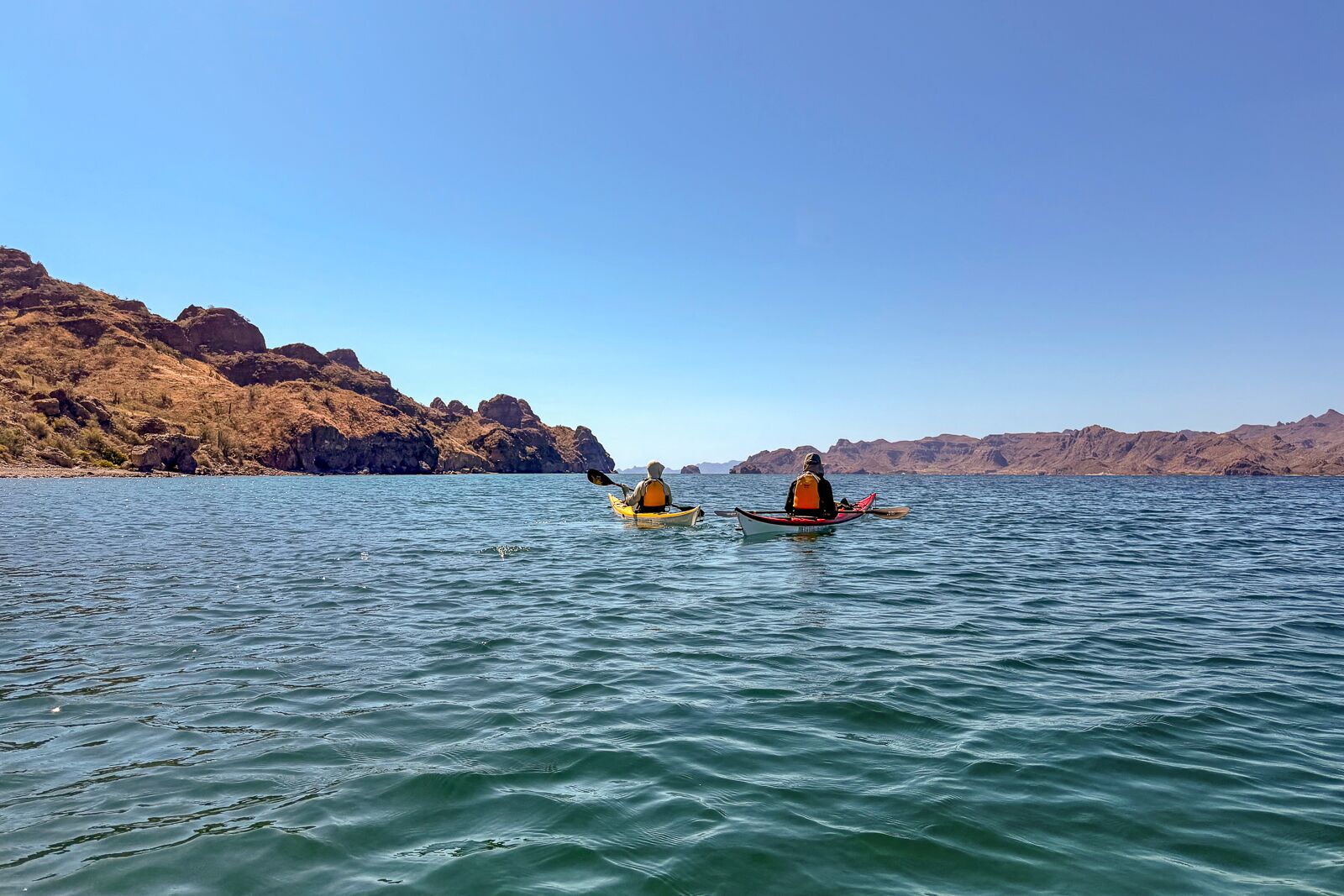 The waters around Punta Arenas were calm enough to allow me to take out my phone for the first time since we started paddling that morning.
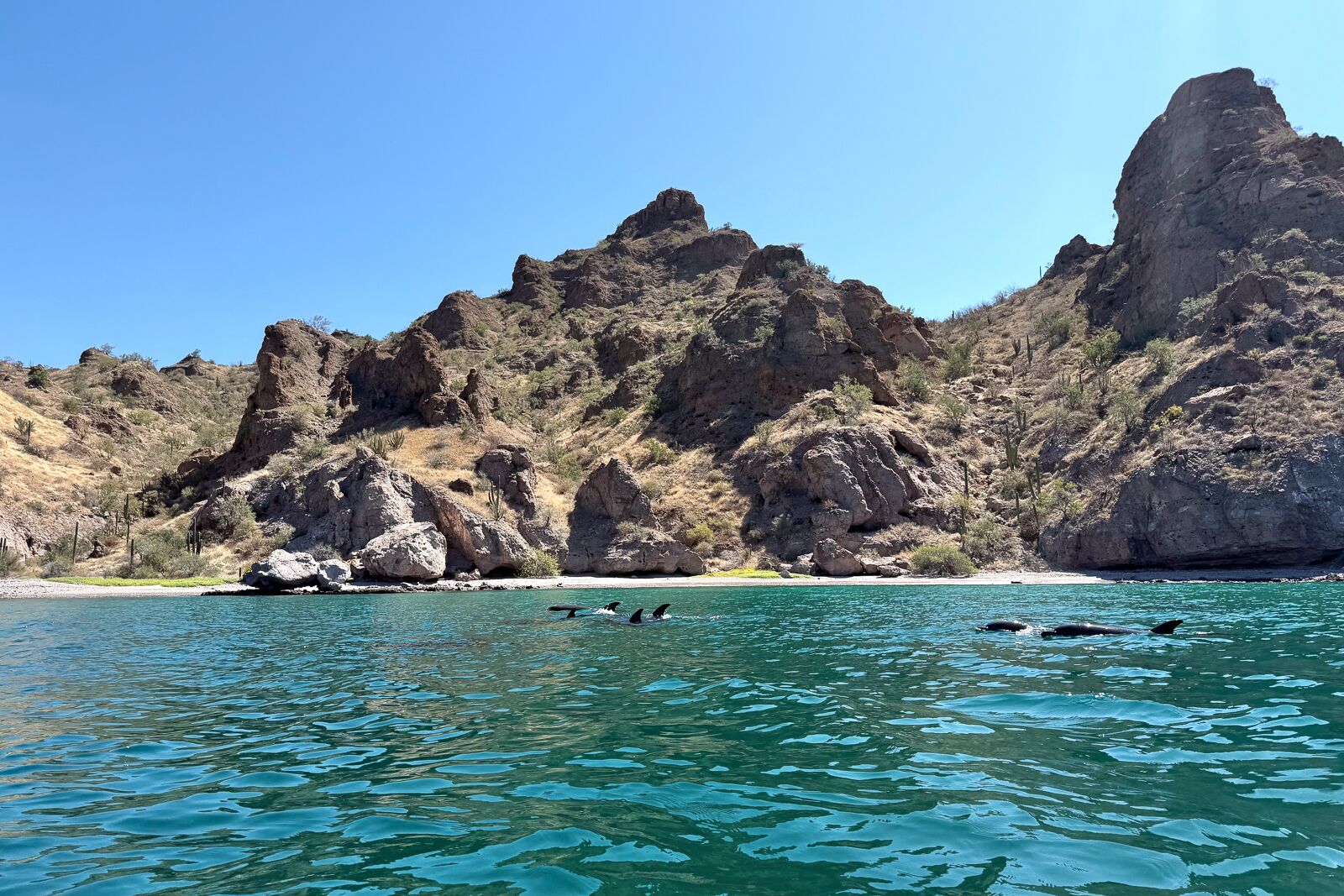 A pod of dolphins greeted us as we reached Isla Danzante and Playa Punta Arenas.
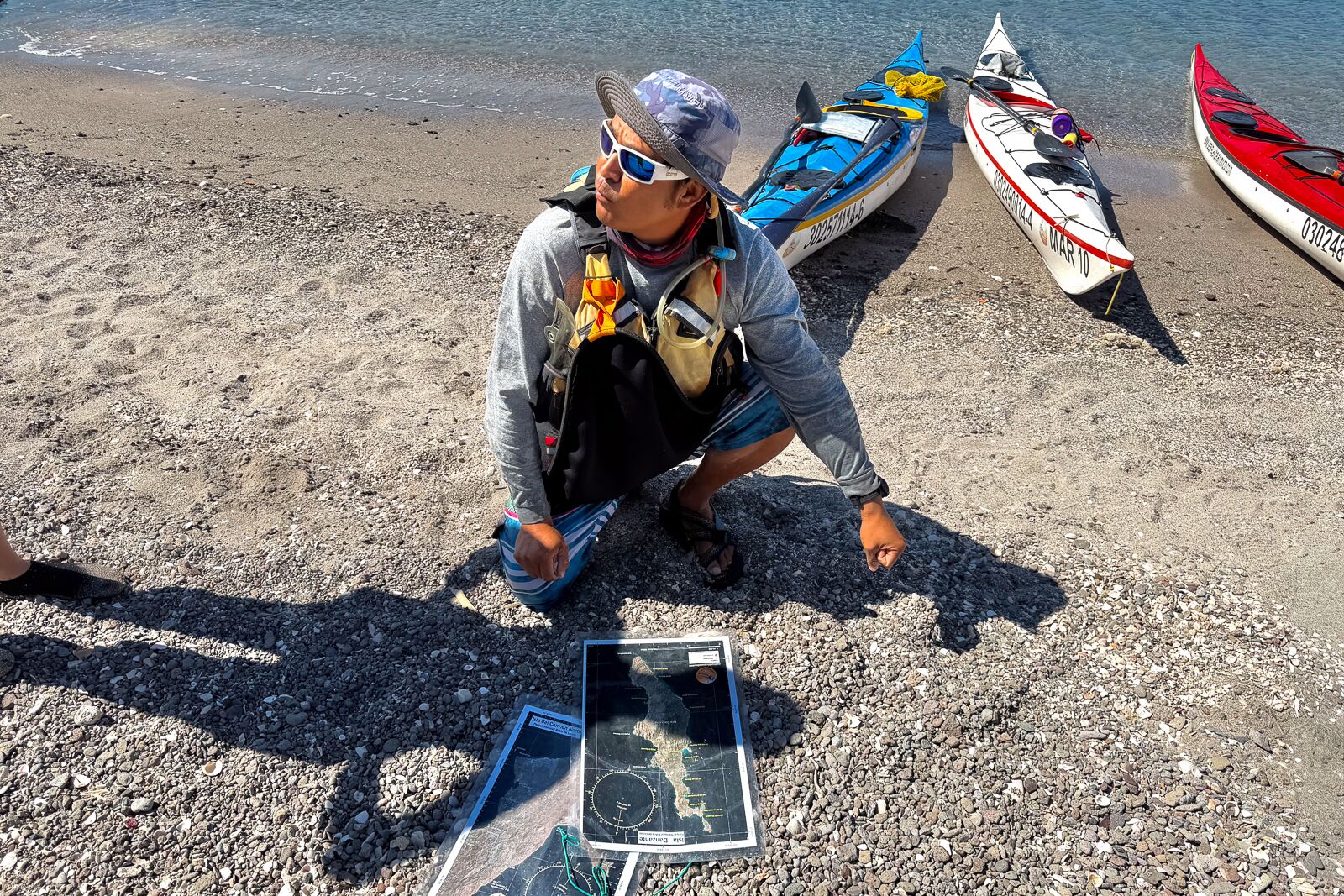 Ramón briefs us on the conditions ahead: forty minutes of headwinds and incoming waves separated us from Bahía Honda, our campsite for the night.
A quiet sense of accomplishment settled over the group as we set up camp that night. Bahía Honda felt beautiful and remote, with a rawness that set it apart from the mainland. The desert heat hit us as soon as we stepped out of the kayaks, but the ocean breeze and the shade from the towering rock walls along the beach made the place feel welcoming.
The landscape in front of us invited both reflection and curiosity — something María and Ramón, both marine biologists, along with Ivette, a trained geologist, were quick to expand with their extensive knowledge of the natural environment around Loreto.
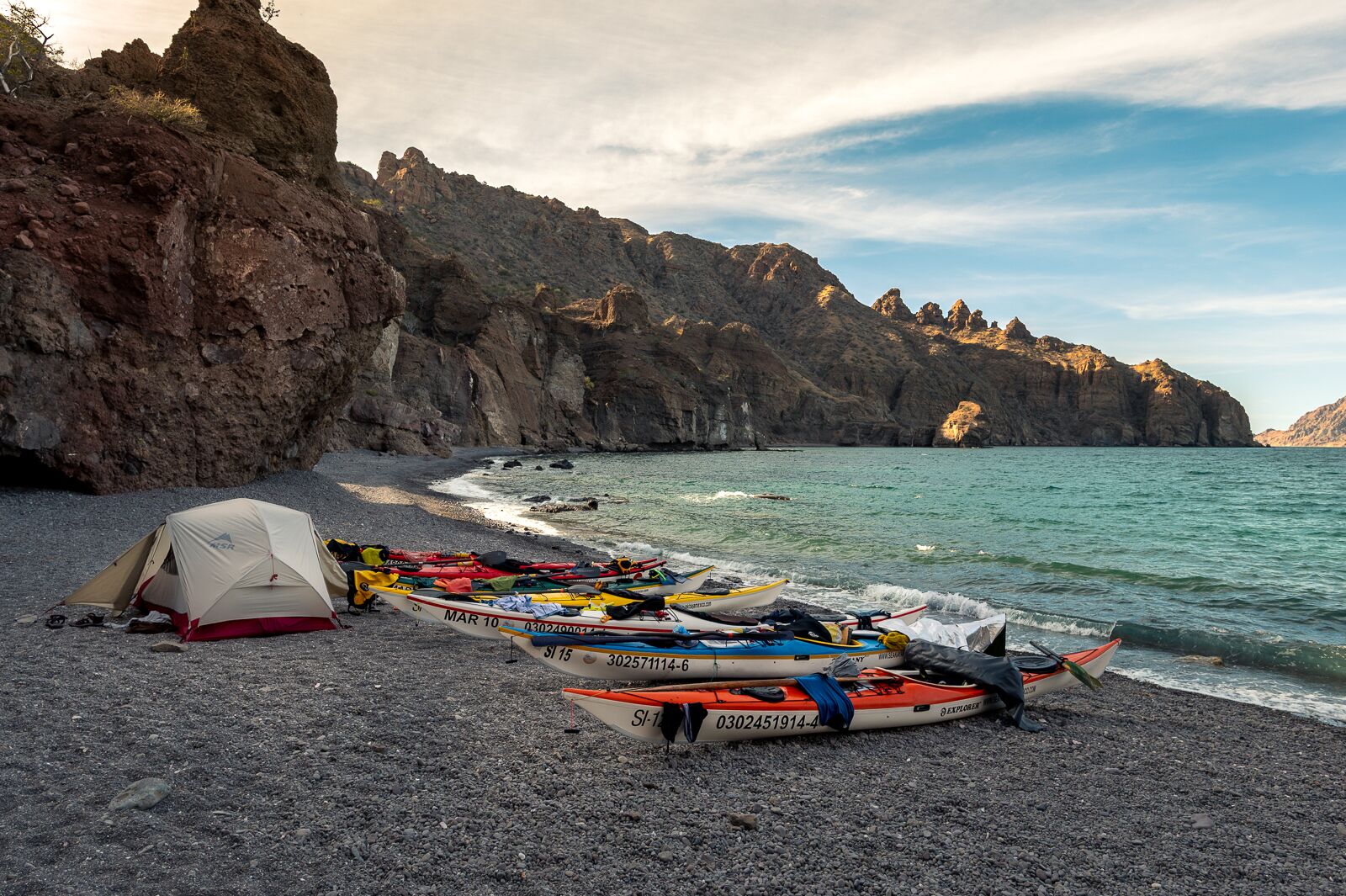 The campsite at Bahía Honda. We stayed here for two nights, exploring the surrounding bays and trails. With no plans for the rest of the day, the setting felt perfect for a relaxed afternoon.
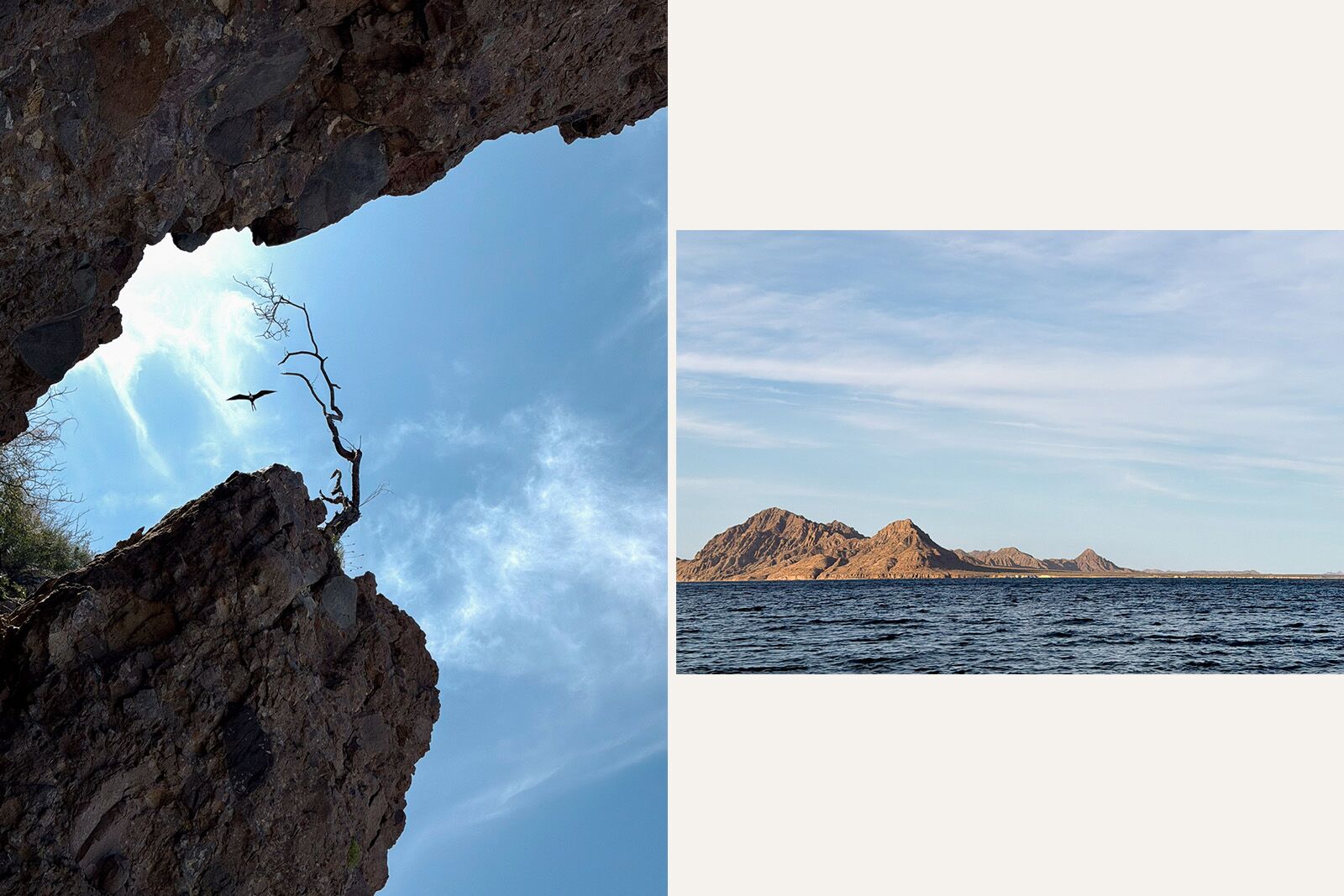 Bahía Honda sits on the island's eastern side and feels completely isolated. On our first day, we didn't see another boat. Our only company was the local wildlife: frigatebirds gliding high above us and an osprey nesting on a nearby cliff.
After setting up camp, we began to wind down — but not before a relaxed snorkeling session in the bay in front of us. After all, we were in the middle of the Sea of Cortez — the “world’s aquarium,” as Jacques Cousteau famously called it.
Not long after nightfall, I noticed the stars were even brighter than the night before. Being a few miles offshore, with no light pollution anywhere in sight, this felt like the perfect opportunity to shoot the night sky. I had been carrying a tripod in my kayak the entire time — and figured I might as well put it to good use.
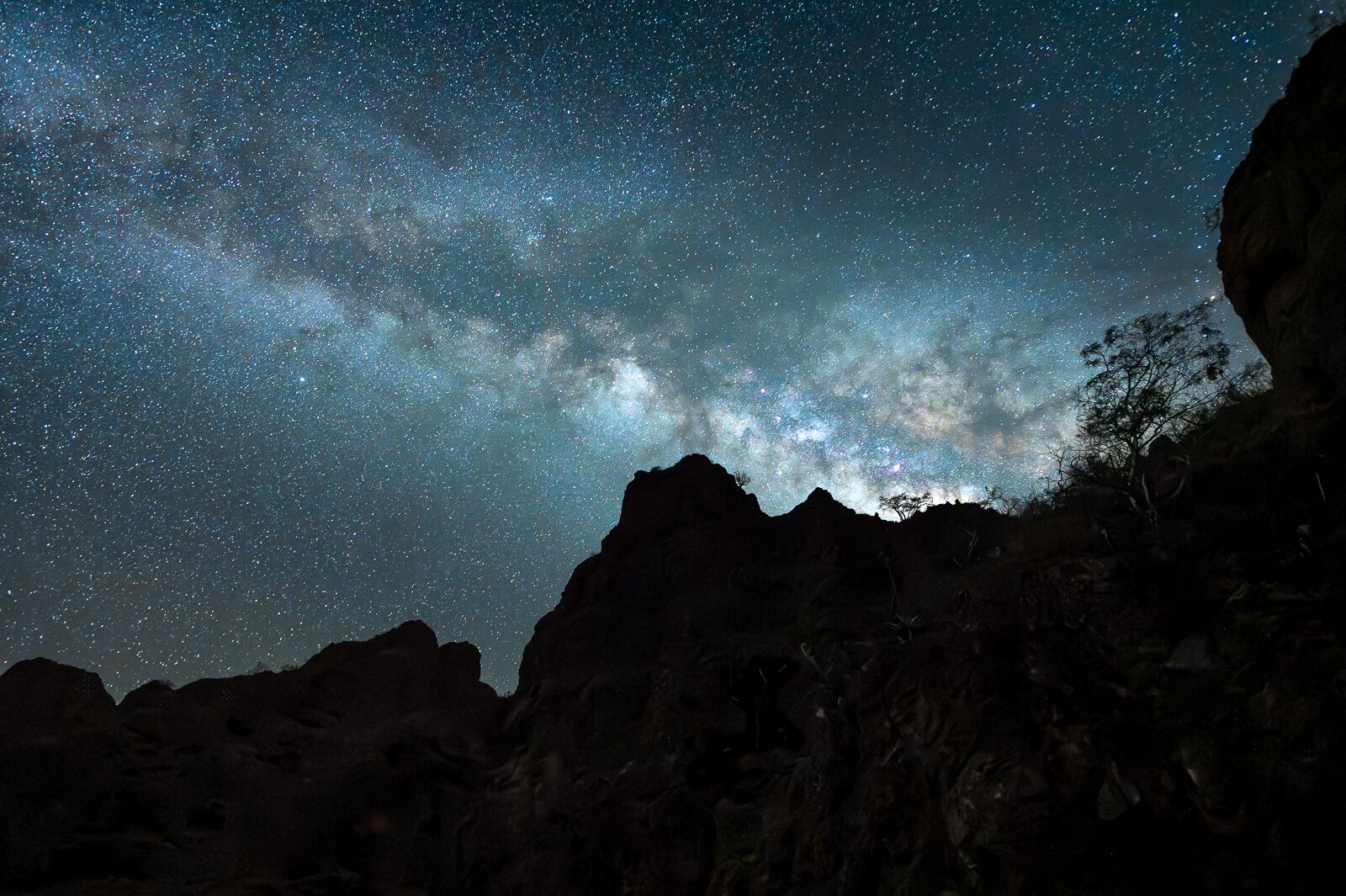 It was nearly three in the morning when I woke up to photograph the night sky. As I set up my camera, the ocean was so still that I could hear the sound of dozens of busy island mice scurrying around me.
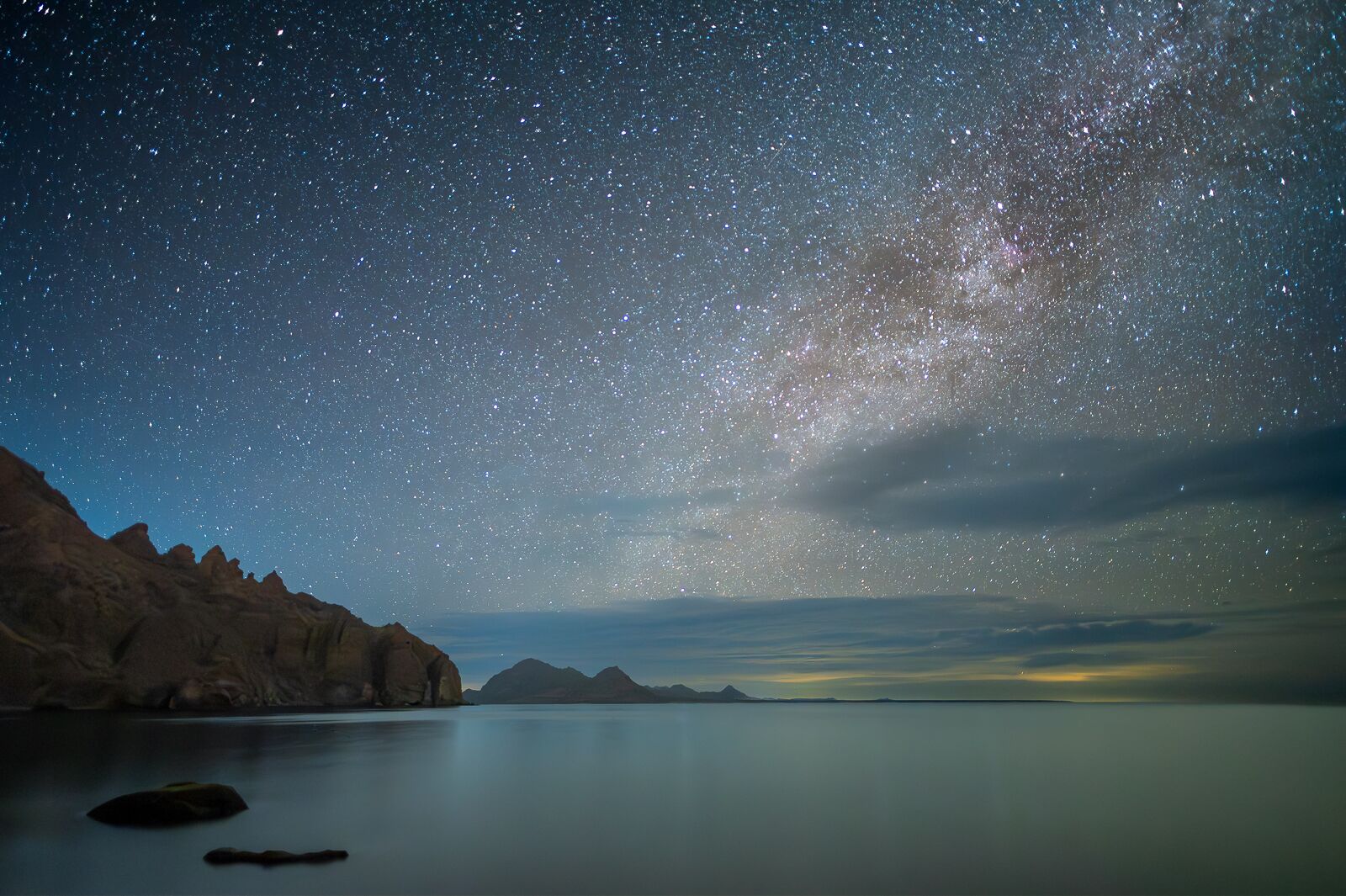 A light haze lingered near the horizon, but the sky was still clear enough to capture the Milky Way. I'm guessing the two points of light in the distance are Topolobampo and Los Mochis, some 150 miles across the Gulf of California. This image is a reminder of how difficult it is to fully escape light pollution.
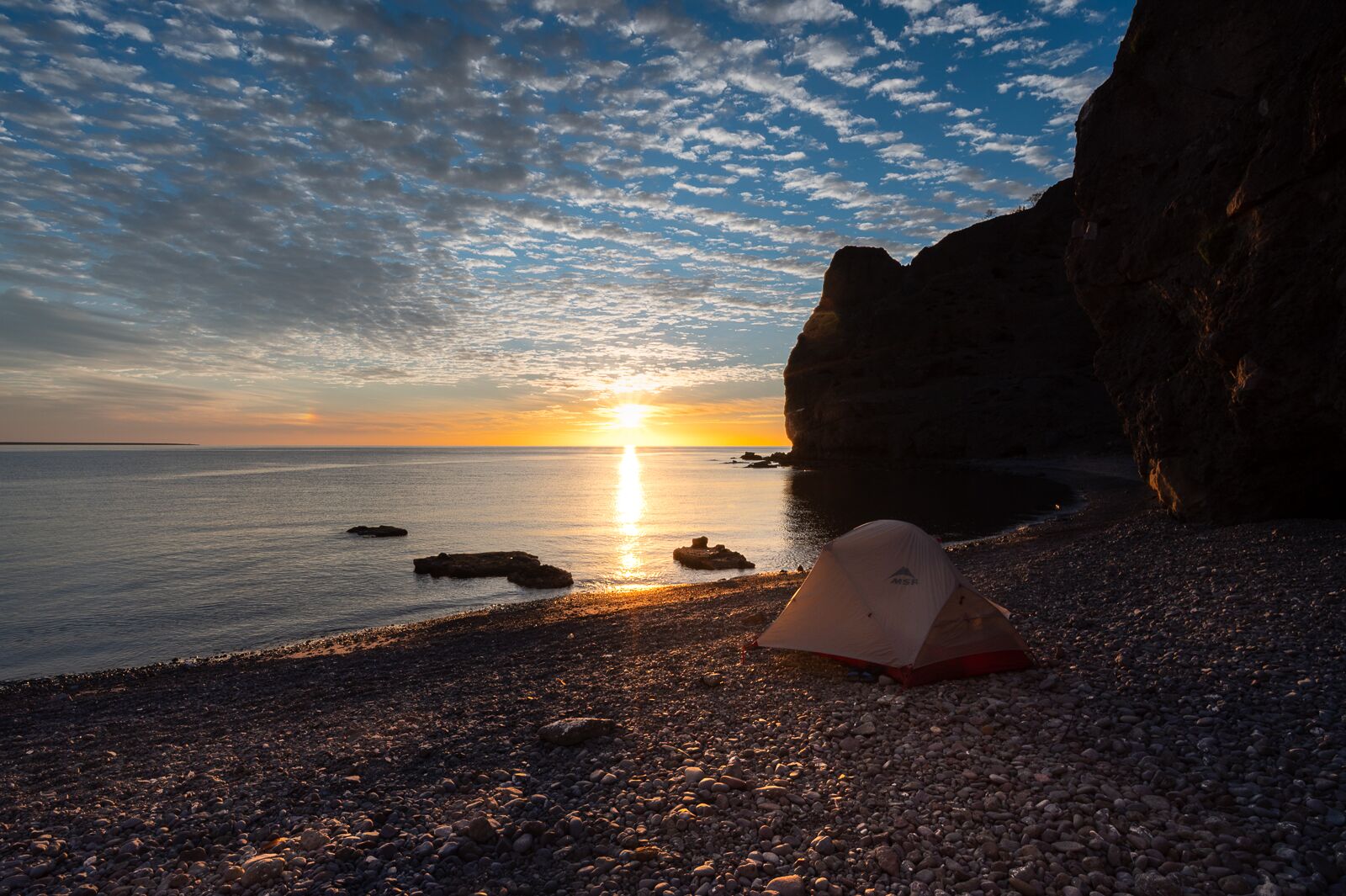 My tent a few minutes after sunrise. Morning started slow, but our final day still called for a few miles of paddling — with a little bit of hiking and snorkelling, too.
Day trips in complete isolation
The third day of the expedition was our last full day on the islands. The water was calm, but we had a full itinerary ahead. After breakfast, we paddled back around the southern tip of the island to El Arroyo, a small beach that doubles as a trailhead for a hike up the cliffs of Isla Danzante. The trail was easy to follow and offered a glimpse into the islands’ natural diversity. We passed through patches of red copal, burseras, mangroves, and palo verde, while Ramón used a stick to check the path ahead was clear of rattlesnakes. The islands might look deserted at first glance, but they hold a rich ecosystem, home to endemic species of lizards, bats, mice, and other small mammals.
After reaching the top of the cliffs and returning to our kayaks, we had our first close encounter with other people since leaving El Quemado. Another multi-day kayaking group had been drawn to El Arroyo by a pod of dolphins — likely the same one we saw the day before — and briefly joined us as we paddled back to our camp before continuing on their own route.
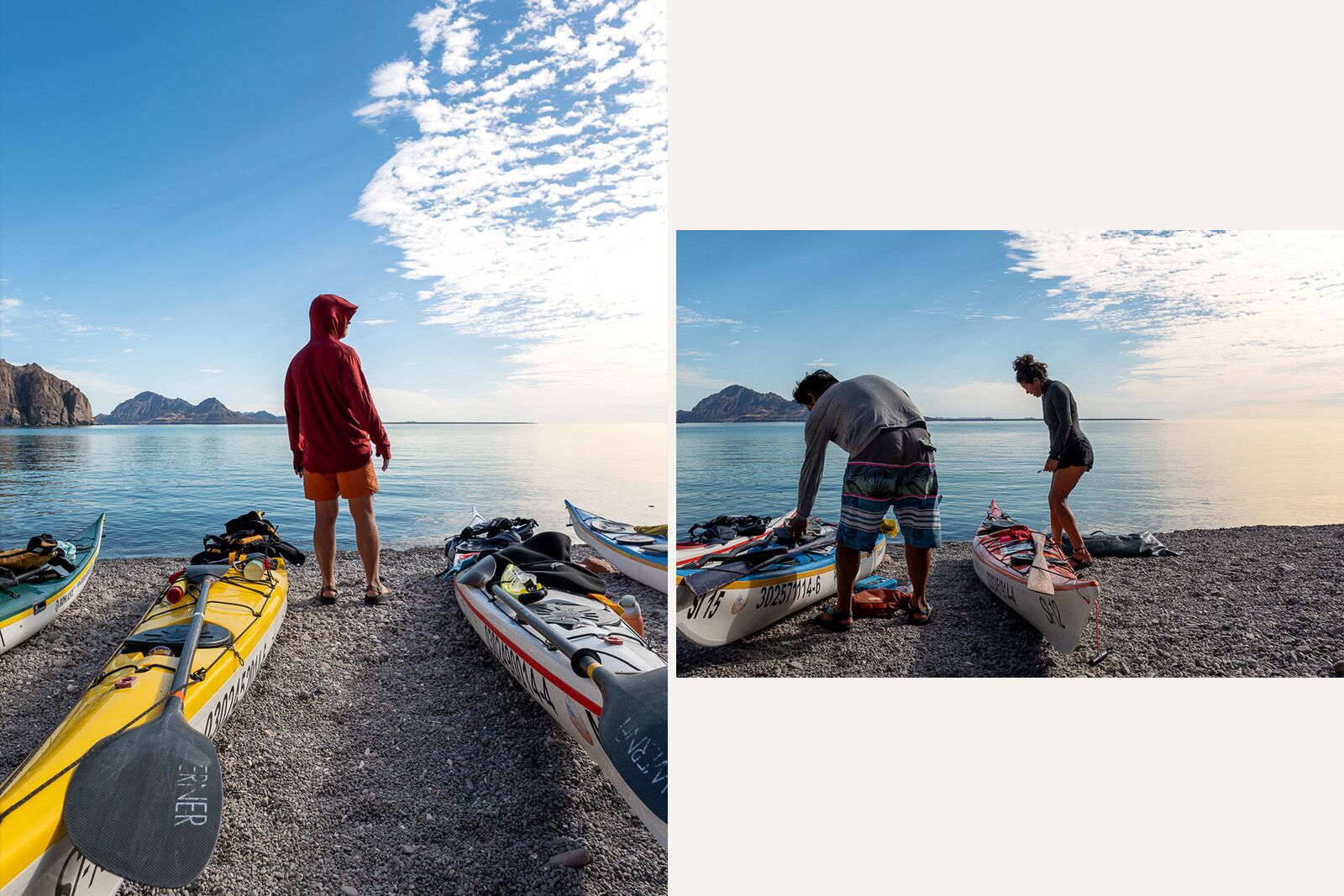 The group prepared for our final full day on the islands. Even in the early morning, the air's warm enough that getting back into the water felt nice.
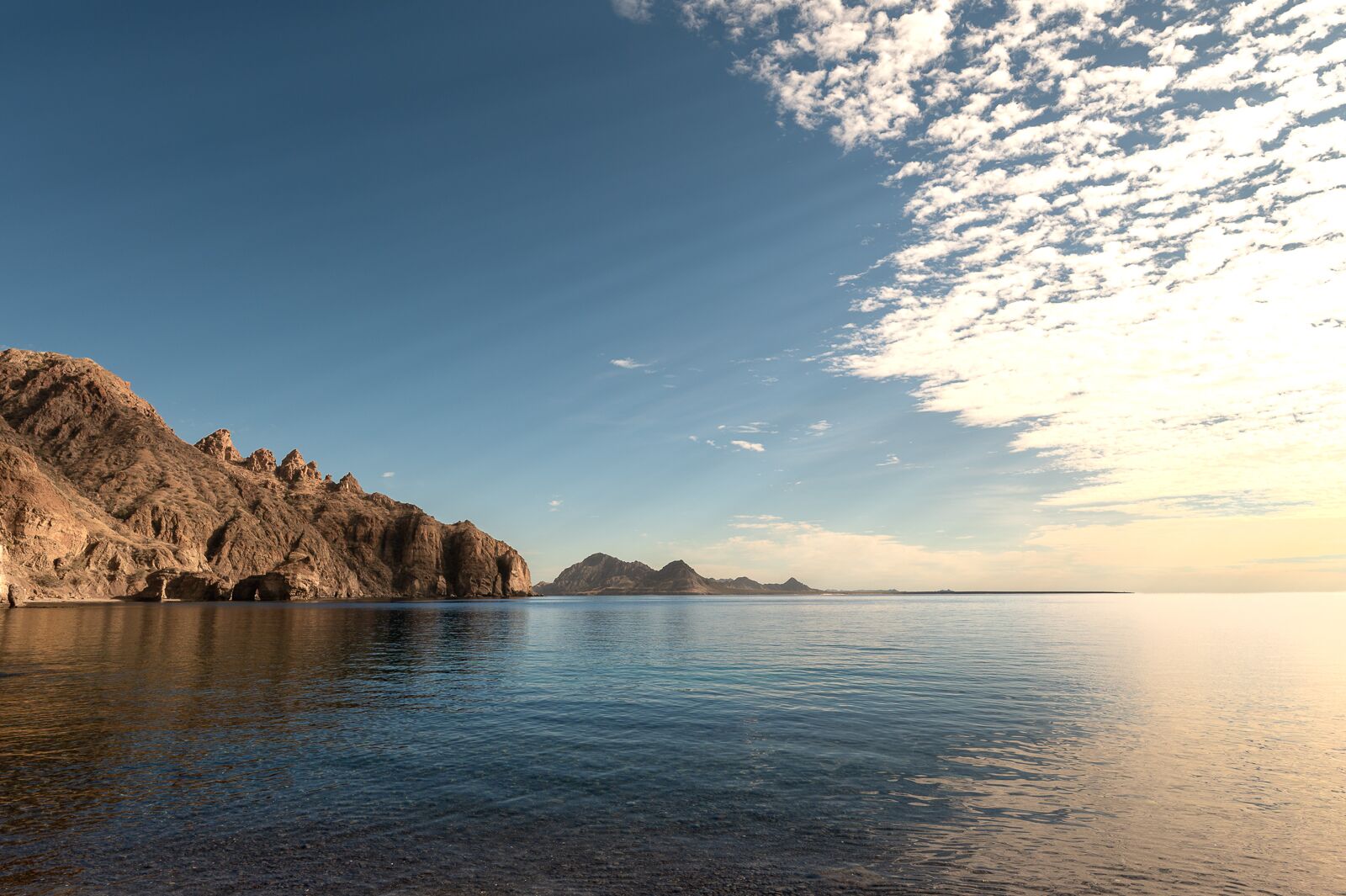 The morning light demanded one last shot before we got back into the kayaks.
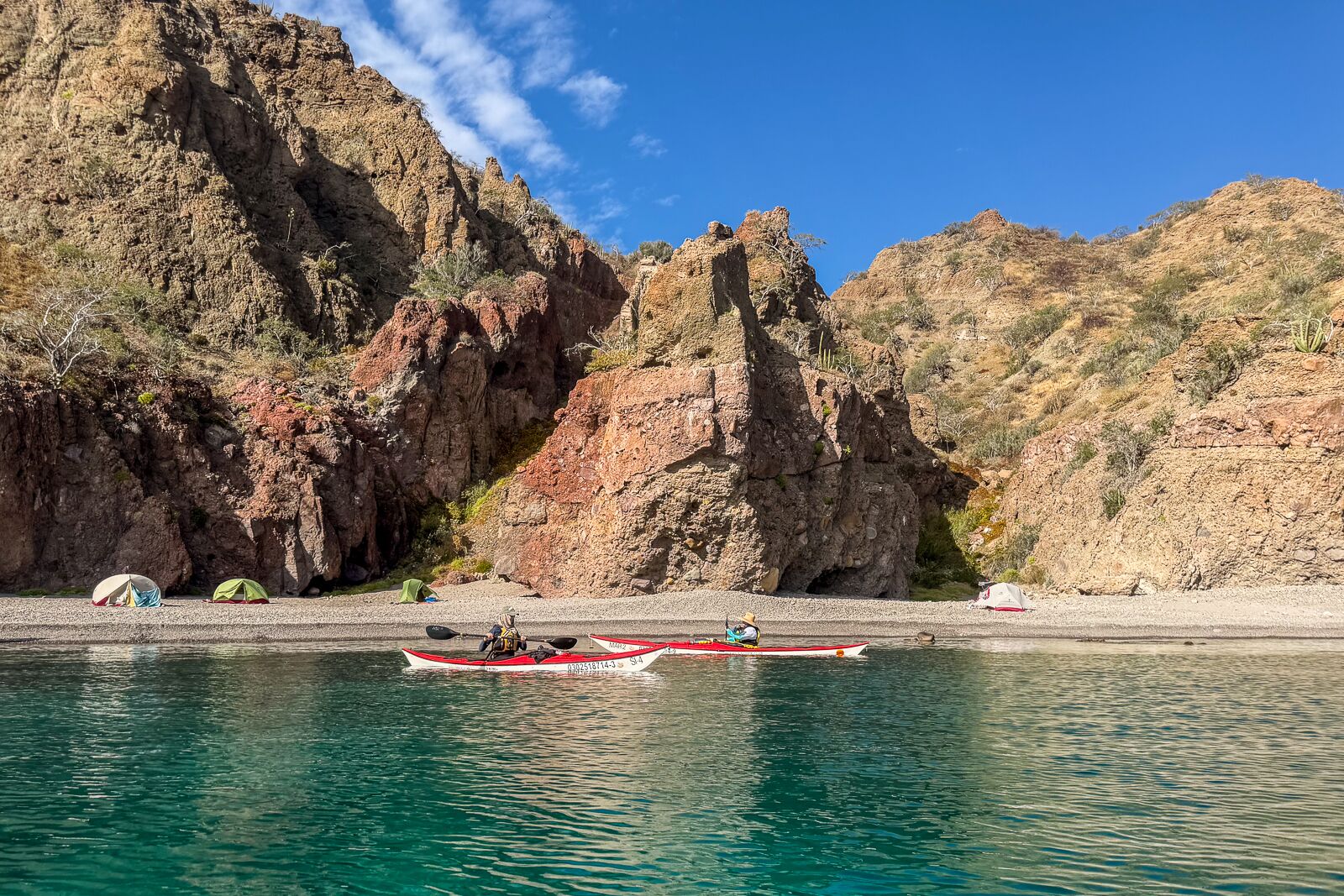 The view of the campsite from the bay.
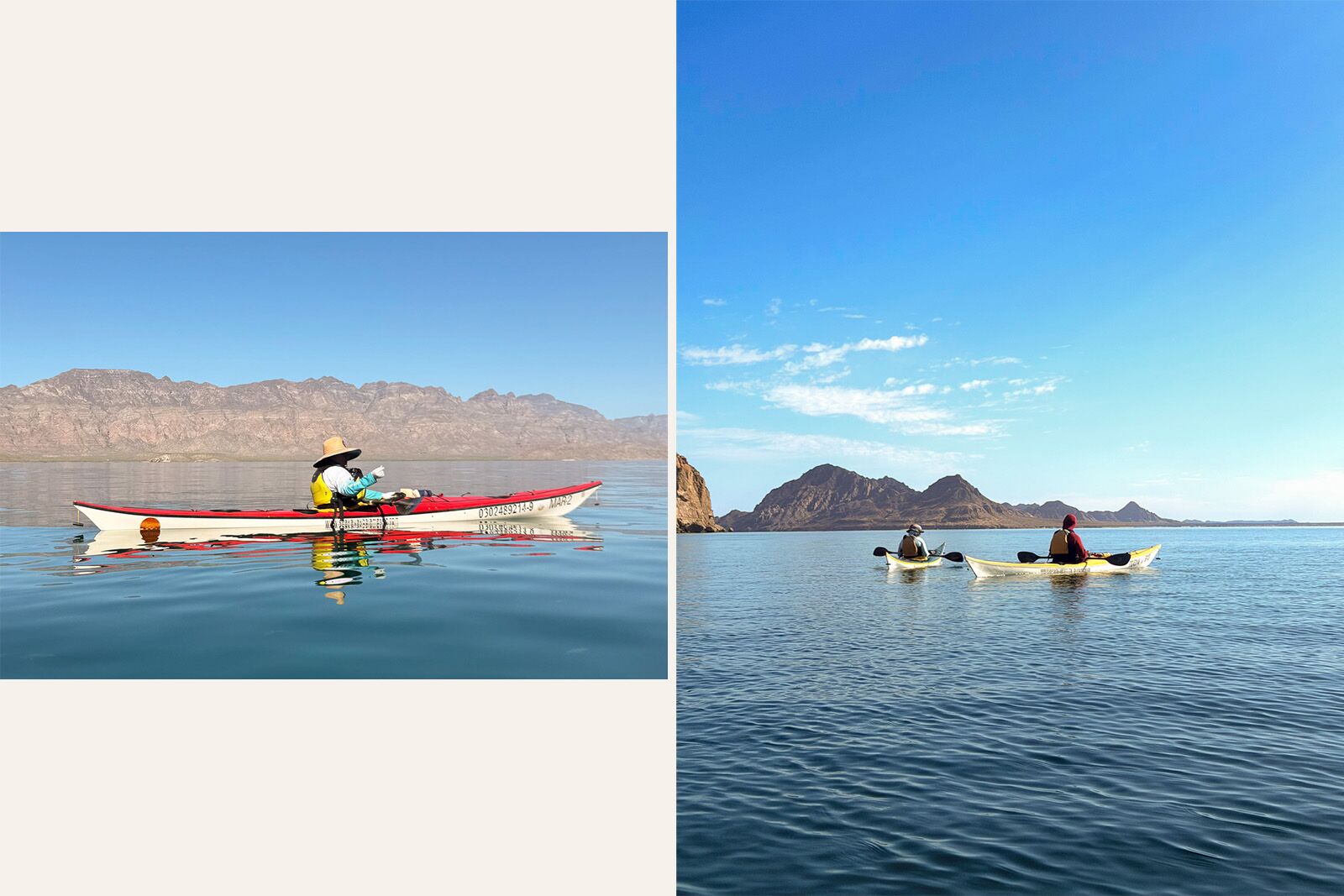 The same route we paddled the day before felt completely different without the wind. There was a better chance to take photos and enjoy the scenery from the kayak.
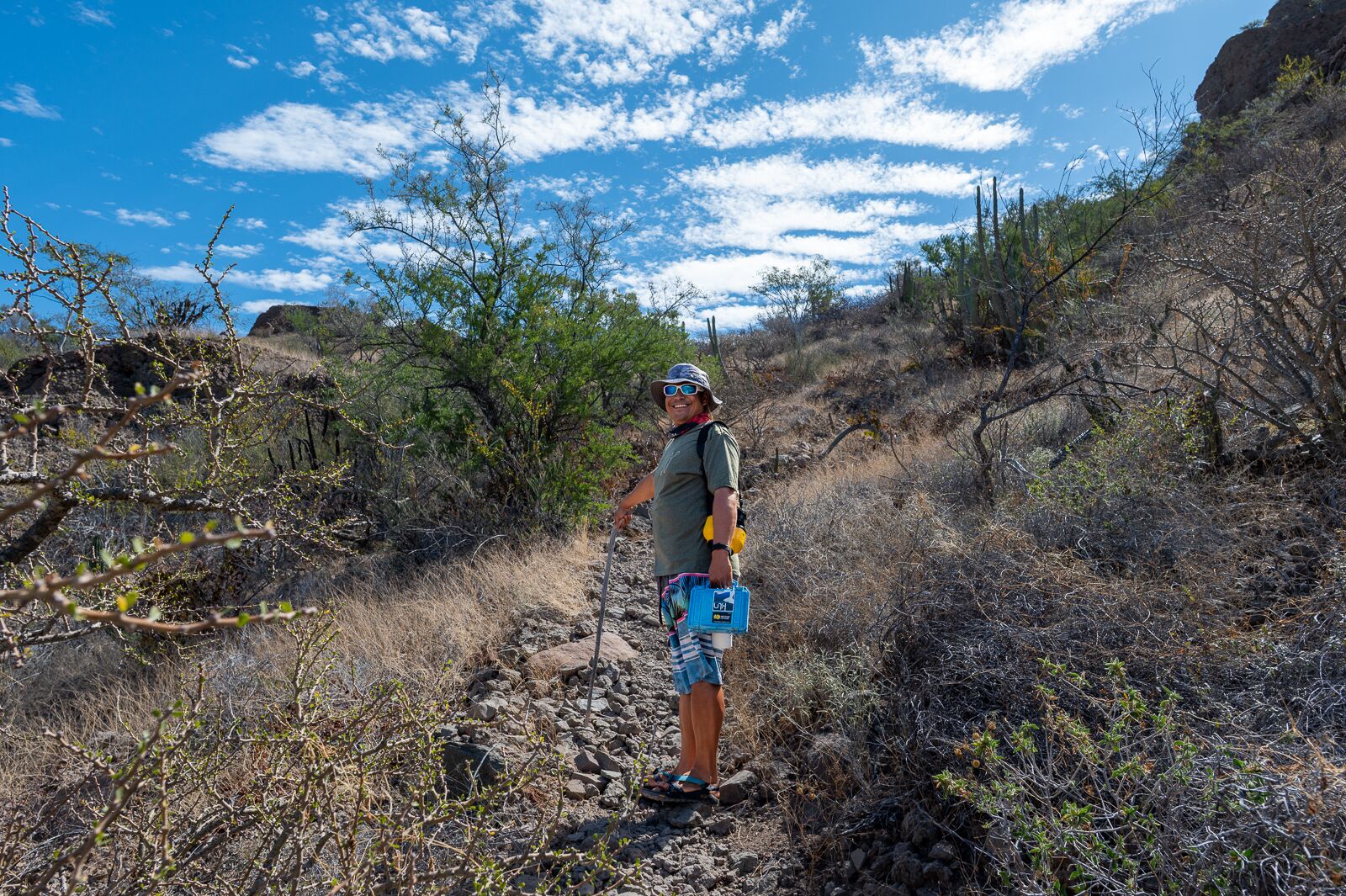 Ramón led the way up from El Arroyo. He said it's uncommon to see rattlesnakes on the trail — he's only spotted a couple in 14 years of guiding— but he still probed the ground ahead with an improvised walking stick.
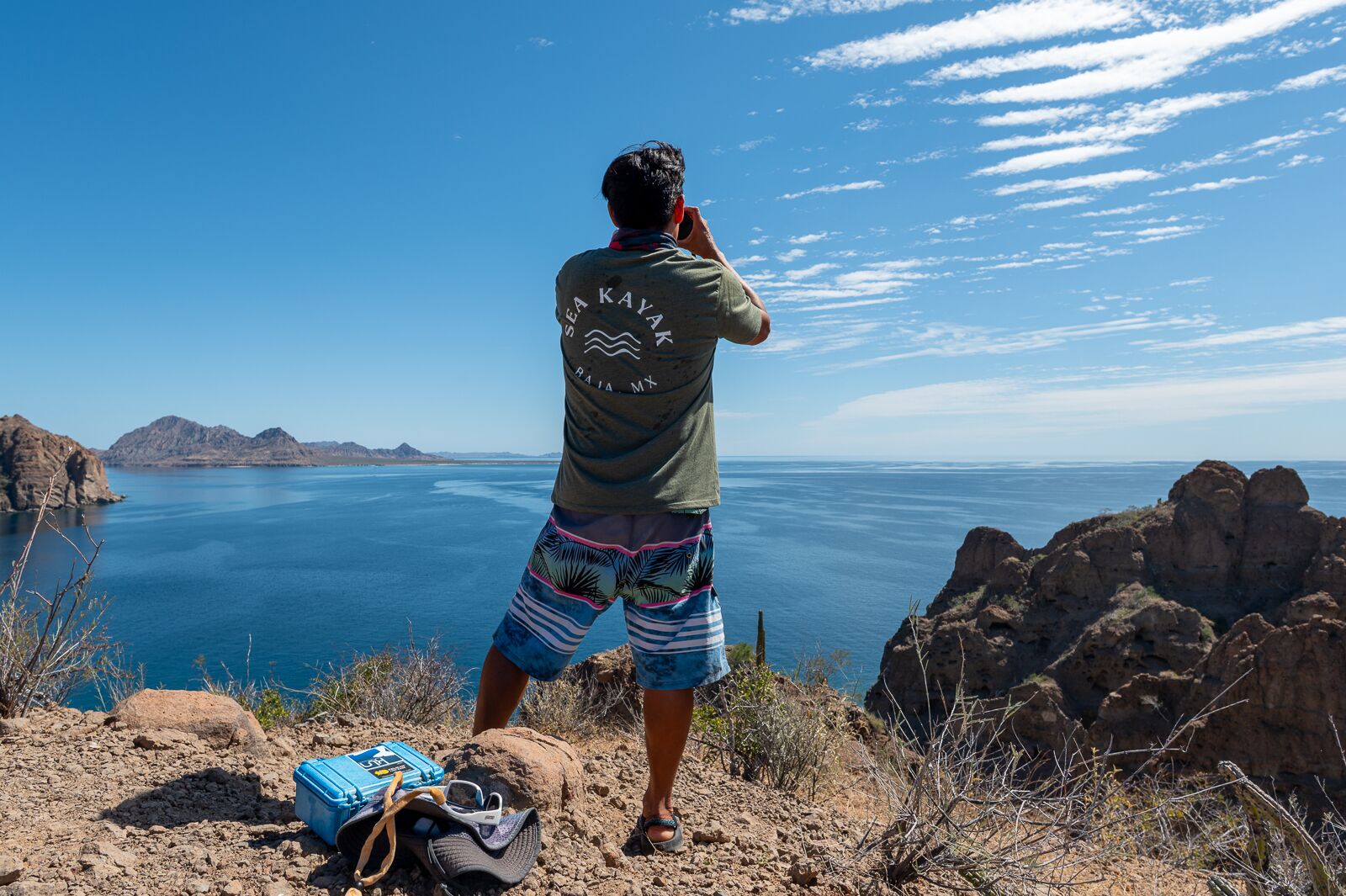 We could see our camp from the top of the hills. Ramón was trying to find our osprey friend with his brand new binoculars.
After lunch, we headed out for our second paddle of the day, this time following the island’s eastern side northward toward El Aquario. This hidden beach was my favorite spot of the entire trip — a quiet, protected cove with clear water that made it perfect for snorkeling.
The landscape felt especially vivid on our way back to camp. The golden evening light on the islands and the stillness of the ocean made it easy to surrender to the moment. I realized my paddling began to feel relaxed and instinctive, and for the first time I stopped thinking about the distance ahead. I still had to paddle back to the mainland the next morning, but I was already beginning to miss these moments of active contemplation among the islands.
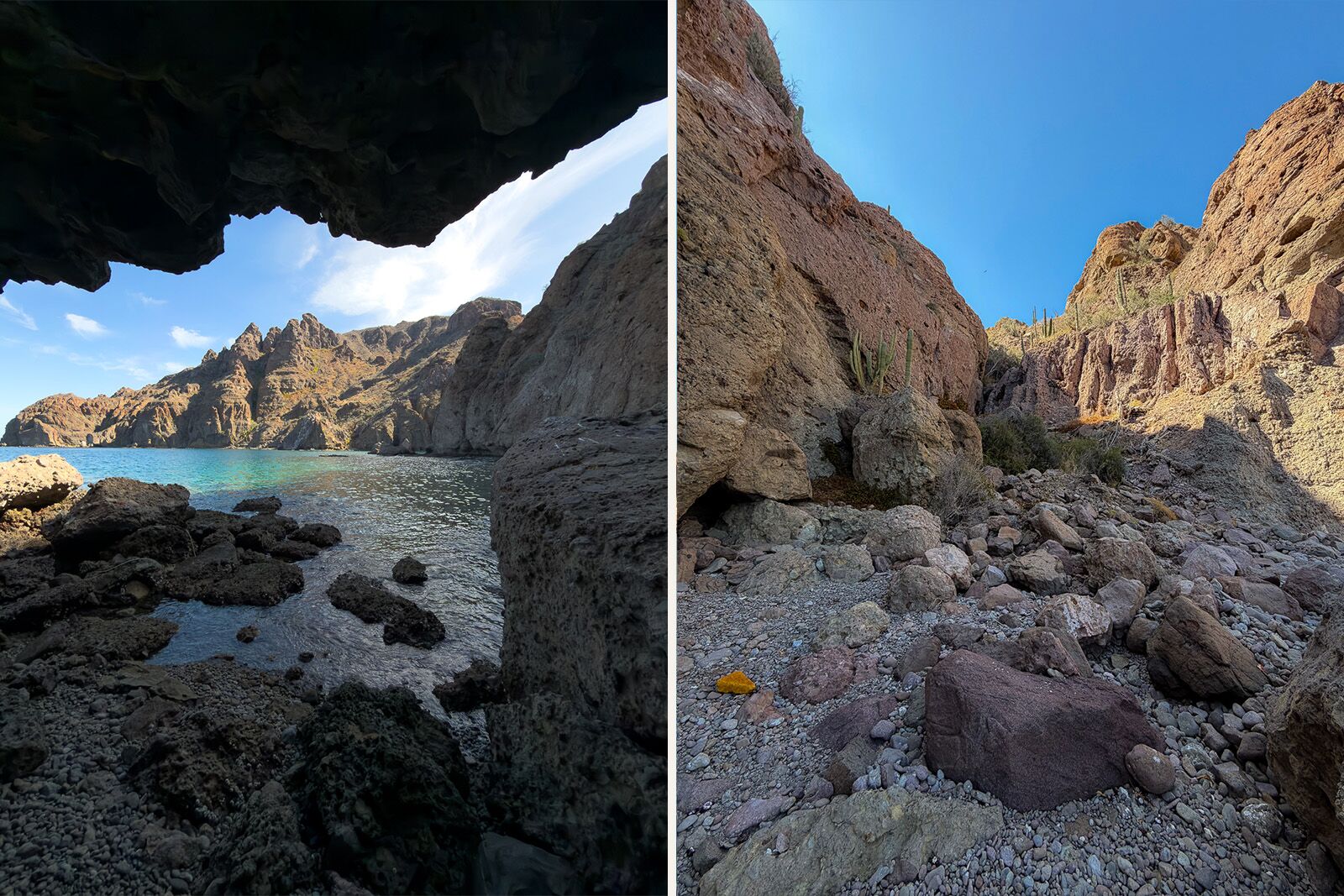 El Aquario is the most secluded bay we visited. Its quiet pebble beach and surrounding reef made it one of my favorite spots of the entire trip.
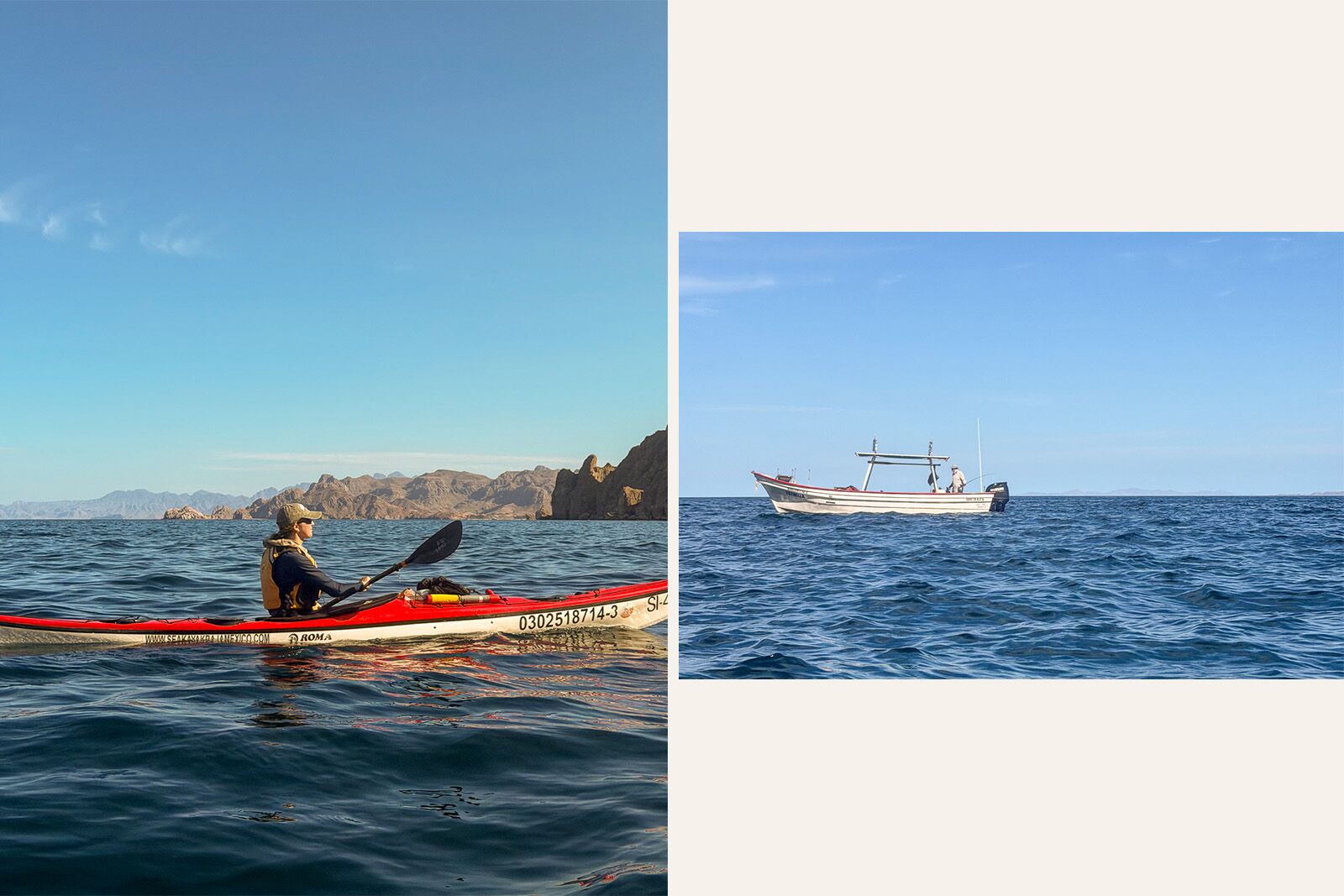 The paddle back to the camp was filled with contemplative moments. Easily the part of the trip I'll remember most.
Paddling back to civilization
Our last night camping on Isla Danzante was a windy one. Westerly winds picked up overnight, putting our tents and our patience to the test. By morning, the conditions hadn’t improved, and our guides had to keep a close watch on the water, waiting for the right moment to paddle back to the mainland. María and Ramón boiled water for coffee while we waited. Somehow, they made everything feel calm and effortless, even in uncertain conditions and with limited resources.
Finally, a moment of stillness arrived, and the window we had been waiting for was upon us.
The return paddle was smooth and easy, and the Sea Kayak Baja crew was waiting for us when we reached the mainland. We unpacked our kayaks and began setting up for a well-earned ceviche when a sudden gust of wind nearly sent everything flying. Ramón and María barely reacted — they had seen it coming all along. As the wind picked up again, I asked Ramón if he had planned for this.
“We knew we had a short window to get you back before things turned,” he said. “But we knew you could do it. You handled some challenging paddles for a first-timer.”
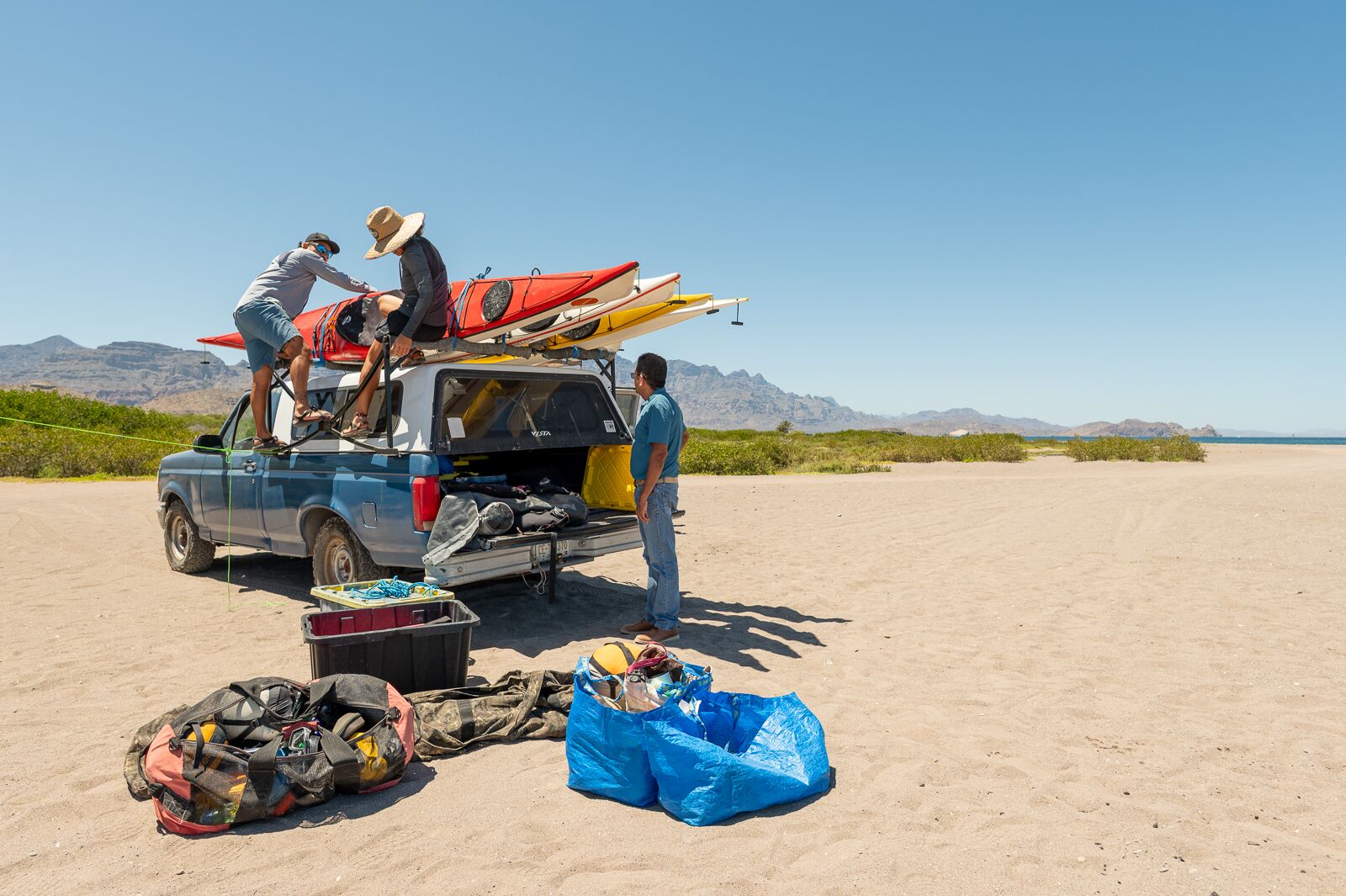 María and the rest of the crew secured the kayaks in a few minutes. This is one of the last expeditions of the spring season, before the summer heat begins to take over.
The sea kayaking season in Loreto goes from late October to mid-April. Outfitters like Sea Kayak Baja offer multi-day expeditions and guide experiences throughout Loreto Bay National Park. While it’s possible to explore these routes independently with the proper permits and experience, going with a certified guide is strongly recommended, especially if this is your first time paddling in Loreto. 
More like this
TravelCamera Roll: A 5-Day Hiking Trip to Yosemite National Park and the Top of Half DomeСхожі новини

Не потрібно платити понад 100 гривень: смачні шпроти в олії можна приготувати вдома

Євробачення-2026 стартувало: текстова трансляція першого півфіналу

Через вигуки з зали: виступ Ізраїлю на Євробаченні-2026 ледь не зірвали