Britain Imposes New Sanctions on Russian Crypto Infrastructure

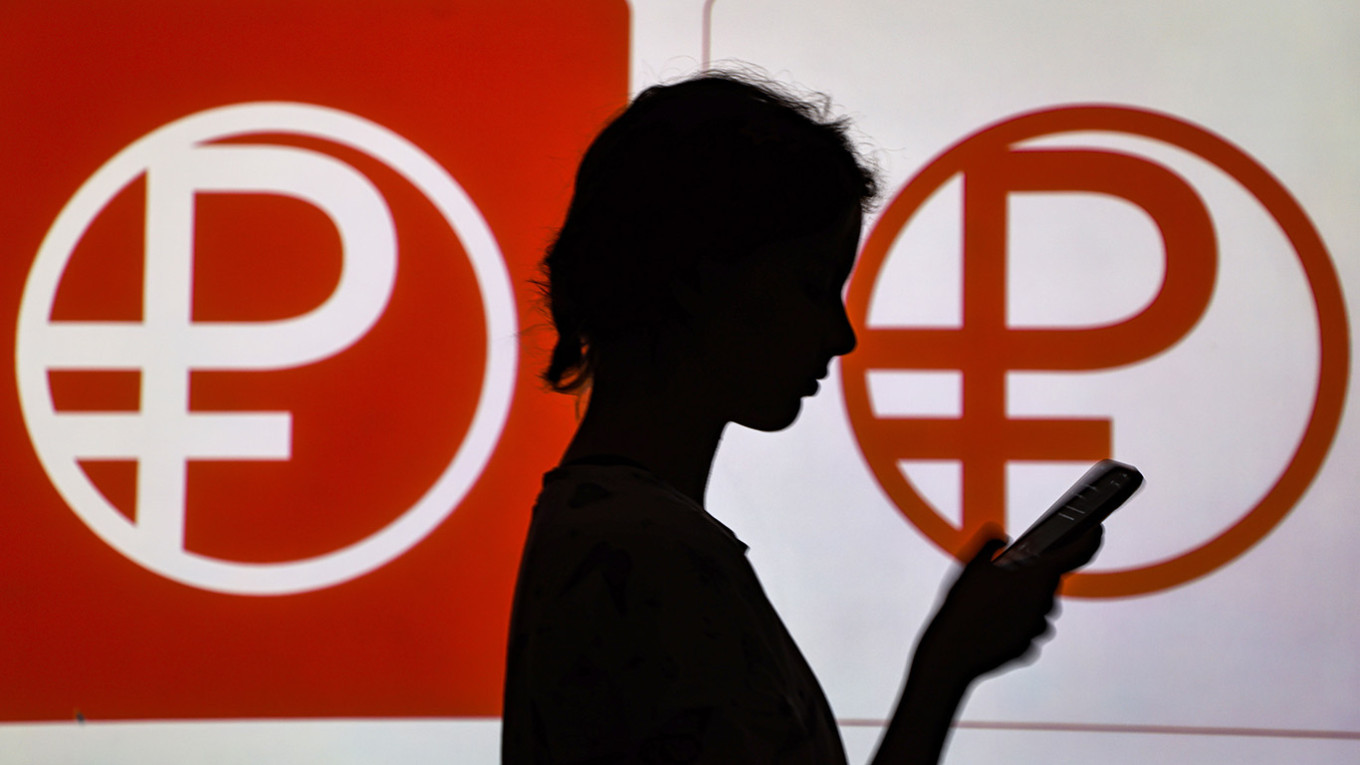
Britain imposed a new round of sanctions on Russian cryptocurrency platforms and financial infrastructure that it says are helping Moscow circumvent Western restrictions and fund its war effort in Ukraine, targeting a Kremlin-linked crypto network and several widely used digital payment services.
The measures are part of a broader effort by Western governments to close financial loopholes that Russia has increasingly relied on as sanctions pressure has tightened since the start of the war.
Regulators have paid growing attention to cryptocurrency platforms and cross-border payment systems that can facilitate international transactions outside traditional banking channels.
Britain said the sanctions targeted the A7 crypto network, which authorities described as a tool used to support Russia’s wartime economy and facilitate payments linked to Russian oil exports.
British authorities said entities connected to A7 have actively used Kyrgyzstan’s financial system to move funds through cryptocurrencies.
More than $90 billion may have passed through the network in 2025, according to the British assessment, a sum roughly equivalent to half of Russia’s annual military spending.
"We are tracking down and shutting off the financial lifelines that sustain Putin’s war machine. There will be no safe havens for those enabling Russia’s aggression," Foreign Secretary Yvette Cooper said in a statement.
In total, Britain imposed sanctions on 14 companies and four individuals.
Those targeted include EXMO, a cryptocurrency exchange popular among Russian-speaking traders, and a company associated with HTX, formerly known as Huobi.
Britain also sanctioned the Bitpapa peer-to-peer service, the Rapira payment system and several legal entities in Kyrgyzstan, including Eurasian Savings Bank.
The European Union’s 20th sanctions package adopted in April had also included restrictions targeting A7-related cryptocurrency services.
The EU additionally banned transactions involving Russian cryptocurrency platforms and imposed measures against a ruble-backed stablecoin.
Britain has imposed sanctions on more than 3,300 individuals and entities since the full-scale invasion of Ukraine.
British authorities say the measures have already inflicted $450 billion in losses on Russia’s wartime economy, an amount they say is equivalent to roughly four years of war funding.
Read this article in Russian at The Moscow Times' Russian service.
Read more about: Sanctions , United Kingdom , CryptocurrencySign up for our free weekly newsletter
Our weekly newsletter contains a hand-picked selection of news, features, analysis and more from The Moscow Times. You will receive it in your mailbox every Friday. Never miss the latest news from Russia. Preview Subscribe Subscribers agree to the Privacy Policy We sent a confirmation to your email. Please confirm your subscription.A Message from The Moscow Times:
Dear readers,
We are facing unprecedented challenges. Russia's Prosecutor General's Office has designated The Moscow Times as an "undesirable" organization, criminalizing our work and putting our staff at risk of prosecution. This follows our earlier unjust labeling as a "foreign agent."
These actions are direct attempts to silence independent journalism in Russia. The authorities claim our work "discredits the decisions of the Russian leadership." We see things differently: we strive to provide accurate, unbiased reporting on Russia.
We, the journalists of The Moscow Times, refuse to be silenced. But to continue our work, we need your help.
Your support, no matter how small, makes a world of difference. If you can, please support us monthly starting from just $2. It's quick to set up, and every contribution makes a significant impact.
By supporting The Moscow Times, you're defending open, independent journalism in the face of repression. Thank you for standing with us.
Once Monthly Annual Continue Not ready to support today?
 Remind me later. ×
Remind me next month
Схожі новини
Russia holds about 7,000 Ukrainian POWs, 95% subjected to torture - Kondratiuk
Law enforcement exposes man who worked for occupiers in Dvorichna, Kharkiv region
Turkish police fire water cannons at protesters in Izmir
