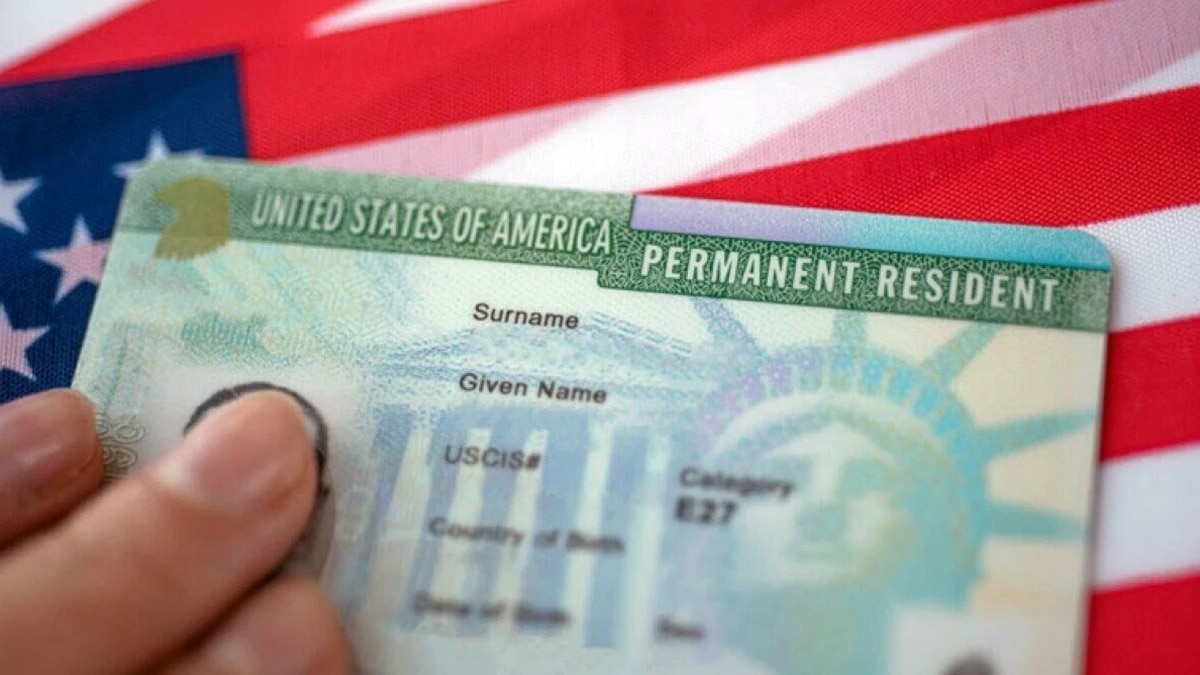
Bourbon bets big on India's growing market
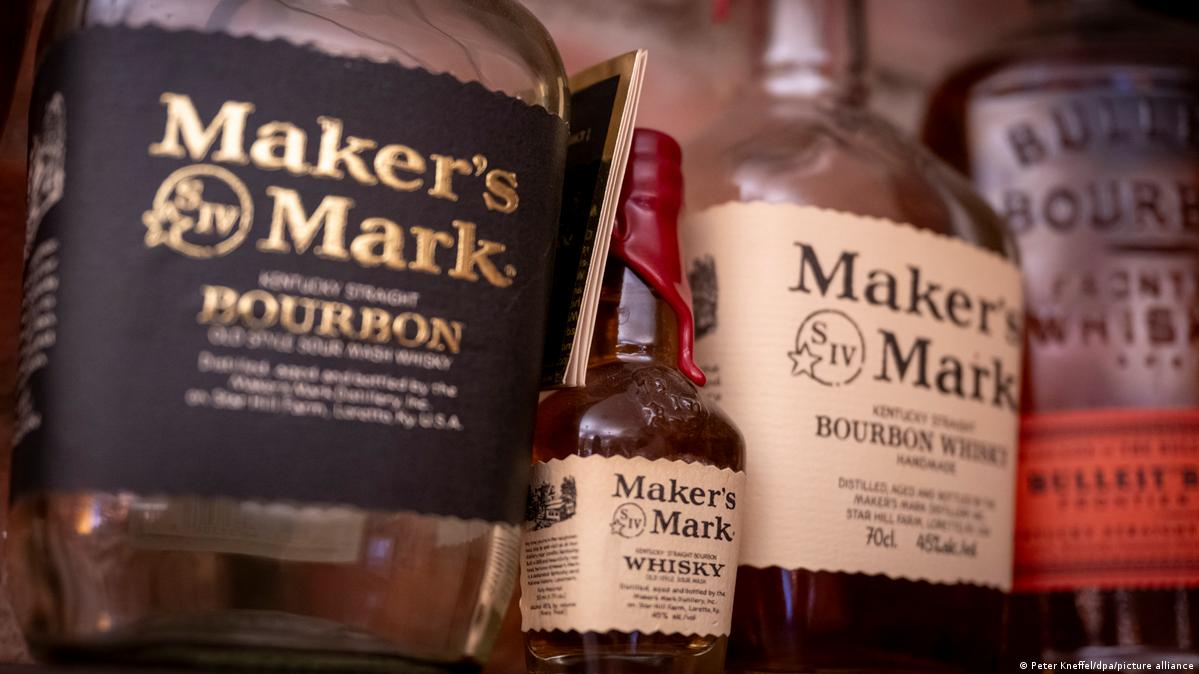
India drinks more whiskey than any other country in the world. Roughly 230 million cases are consumed here annually, accounting for nearly half of global whiskey sales, according to the International Wine and Spirits Research, the global authority on beverage alcohol data.
But American-made bourbon brands, such as Maker's Mark, have long remained a niche product in India, where whiskey drinkers have traditionally preferred Scotch and domestic brands.
In 2024, India imported just $8.8 million (€8.1 million) worth of US-produced whiskey, a relative drop in the barrel for India.
But that could finally be changing. For years, a 150% import tariff meant bourbon was prohibitively expensive in India, limiting both availability and consumer reach.
Recent US-India trade talks reduced that duty to 100%, significantly improving the economics of selling American whiskey in the world's largest whiskey market.
An industry under pressure
For distillers from Kentucky, which lays claim to being the home of bourbon, the timing couldn't be better.
After years of aggressive expansion, the industry is under growing pressure. According to the Kentucky Distillers' Association, warehouses across the state now hold a record 16.1 million barrels of ageing bourbon, more than three times the inventory seen during the whiskey glut of 1985.
The assessed value of those barrels reached $10 billion (€9.2 billion) in 2025, carrying a tax burden of roughly $75 million.
Demand, meanwhile, has dropped sharply.
Bourbon sales in the US fell nearly 8% last year, particularly among younger consumers who are increasingly shifting toward tequila, hard seltzers and non-alcoholic alternatives.
Inflation, changing drinking habits, cannabis use and even the rise of weight loss drugs have all hit consumption.
'Sober bars' on the rise as US alcohol consumption falls
To view this video please enable JavaScript, and consider upgrading to a web browser that supports HTML5 video
The Wall Street Journal recently reported that Kentucky, which produces about 95% of the world's bourbon, is now sitting on roughly a decade's supply.
"We spent years making whiskey for drinkers who never showed up" was one veteran distiller's summary of the crisis.
Against that backdrop, India's whiskey drinkers are suddenly far more relevant than they once were.
"From Kentucky, India looks like one of the few serious growth markets left," a bourbon industry representative told DW.
"If the pricing works and the story resonates, this could become much bigger than a small export play."
India's premium shift
India presents almost the opposite picture of the American market: young, expanding and increasingly focused on premium spirits.
Beverage alcohol sales in India rose by 7% in the first half of 2025, according to data from the Confederation of Indian Alcoholic Beverage Companies (CIABC), with urban consumers steadily trading up to imported and premium brands.
Industry executives say younger drinkers in cities such as Mumbai, Delhi and Bengaluru are increasingly experimenting beyond traditional blends, gravitating toward Japanese whisky, craft gin, tequila and premium Indian single malts.
Bourbon makers are now positioning to capitalize on that evolving landscape, where consumers are more willing to experiment with unfamiliar styles.
For bourbon makers, the opportunity is not about capturing India's mass whiskey market overnight. It is about establishing credibility within the country's fast-growing premium sector.
Why Japanese whisky is in high demand
To view this video please enable JavaScript, and consider upgrading to a web browser that supports HTML5 video
Cultural challenge
That challenge, however, is cultural as much as commercial.
India's whiskey market remains dominated by local blends and Scotch-style whiskey. Brands such as Officer's Choice and Imperial Blue remain mass market giants, while Scotch still occupies the aspirational end of the market.
Bourbon, with its sweeter, corn-heavy profile and strong vanilla oak notes, remains unfamiliar to many Indian drinkers raised on lighter, grain-forward profiles.
"The tariff cut helps, but price is not the main issue," Vinod Giri, director general of the Brewers Association of India, told DW. "Jim Beam is already bottled in India and often sells cheaper than imported bourbon, and even below some Indian bottled Scotch. The real drivers are marketing, visibility and execution."
For bourbon to succeed, Giri argued, it cannot present itself as simply another version of Scotch.
Giri emphasized that what works for bourbons, as well as for other American whiskies like Tennessee, is urban Indians' growing exposure to American lifestyles through TV and films, as well as a closer connection with the Indian diaspora in the US.
"Bourbon has to stand apart from Scotch, not mimic it," he said. "The category needs a clear and consistent identity and an all-American image."
Rukn Luthra, managing director of spirits consultancy Fermentras, believes American distillers have historically underestimated the Indian market.
"Bourbon's absence from India was never about lack of interest," Luthra told DW. "It was about tariffs and a failure by American brands to invest meaningfully in the market."
Now, he argues, the timing might finally be right.
"India's young drinkers are curious, globally exposed and increasingly open to American styles," Luthra said. "If bourbon comes with authenticity, competitive pricing and a willingness to build the category rather than just sell into it, the Indian consumer will respond enthusiastically."
The numbers reveal how bourbon is still only at the start of its quest to conquer the Indian market. Bourbon and Tennessee whiskey together currently sell fewer than 300,000 cases annually in India, compared with roughly 8.5 to 9 million cases for Scotch.
Meet the Germans: Prost! How Germans drink
To view this video please enable JavaScript, and consider upgrading to a web browser that supports HTML5 video
Where Bourbon can find its audience
Vijay Kauthekar, executive vice president of sales and marketing at John Distilleries in Bengaluru, said the biggest barrier until now has simply been access.
"Indians have not had the opportunity to experience the full range of bourbon due to sporadic availability and limited brands," he told DW. "With tariffs coming down, that changes."
Kauthekar expects metro cities to become the first major battleground, particularly in premium bars where cocktails such as Old Fashioneds and Manhattans are already gaining popularity.
On pricing, experts caution that bourbon cannot afford to position itself too far above Scotch.
Luthra argues that if bourbon enters India at Scotch plus pricing, it will struggle, but if it competes at similar price points, it has real potential to grow.
He also believes American brands will need to educate consumers about bourbon's distinct flavor profile.
"The average Indian whiskey drinker grew up on lighter, grain-forward styles," he said. "Bourbon's sweetness, char and vanilla oak intensity need to be explained, not assumed."
Earning its place at the table
For Kentucky distillers, experts are united on one point: the Indian market will not reward impatience.
"Any distiller serious about India needs to commit fully," Kauthekar said. "India has never rewarded half-hearted attempts."
Luthra agrees. "This is not a launch and leave market," he said. "The brands that win here show up consistently, with local teams, local partnerships and local relevance. Kentucky distillers must think in five-to-ten-year horizons, not 12-month cycles."
Bourbon is unlikely to displace the whiskies that already dominate Indian drinking culture. But for an American industry struggling with oversupply and slowing demand at home, India represents something increasingly rare: a giant market with huge potential for growth.
In Good Shape: Drugs — Legal and illegal highs
To view this video please enable JavaScript, and consider upgrading to a web browser that supports HTML5 video
Edited by: Karl Sexton
AdvertisementСхожі новини
Trump to miss son's wedding amid Iran talks, White House commitments
Dream wicket for me: Sakib Hussain relishing Virat Kohli's dismissal
Indian-origin man sentenced in UK to nearly 10 years over £8 million drugs plot