Bondi Beach victim’s daughter describes hate she has received after mass shooting
The daughter of a Bondi Beach attack victim has said she has seen a rise in antisemitism since the shooting, with hateful comments online suggesting she "should've been killed" as well.
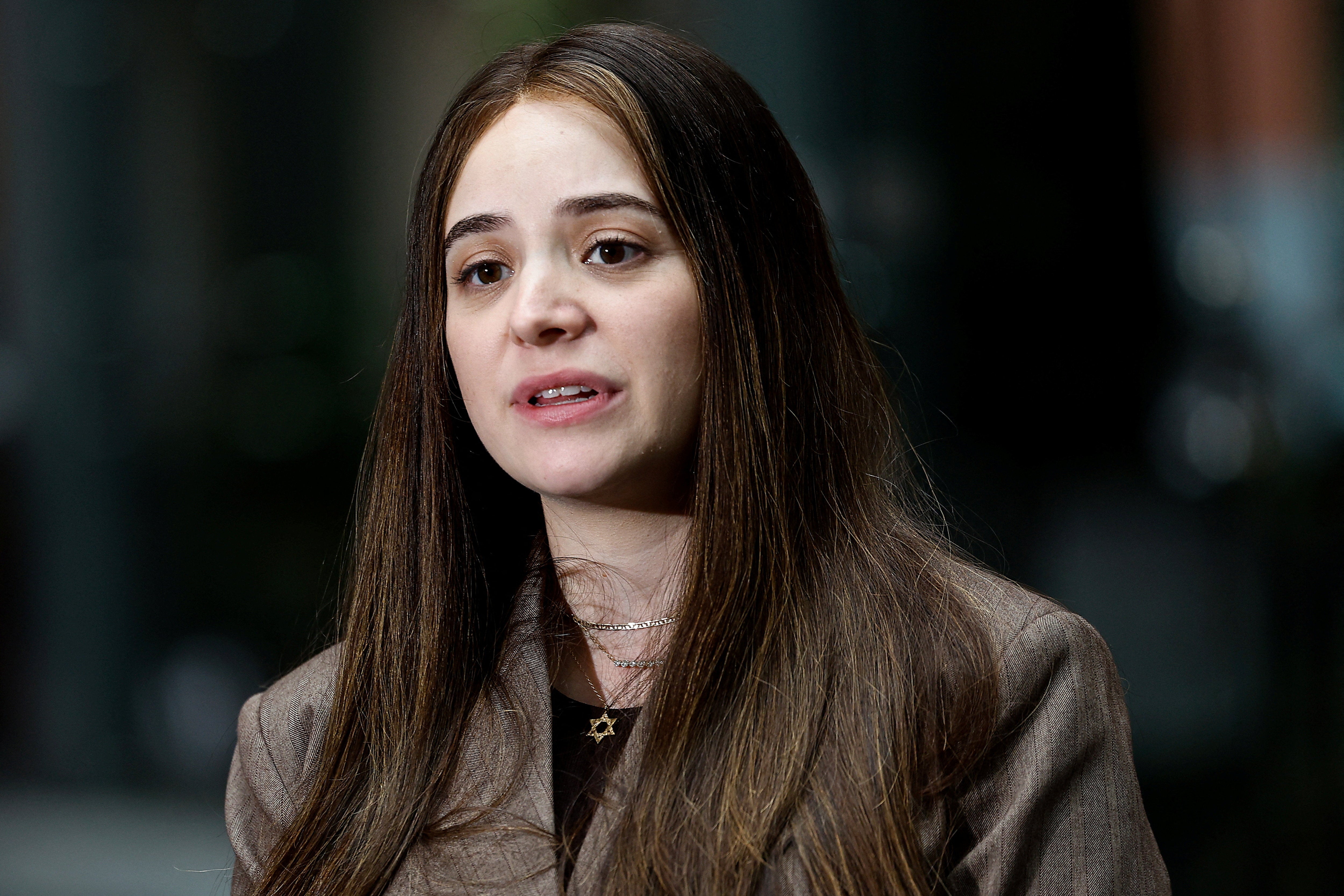
Sheina Gutnick, daughter of victim Reuven Morrison, was the first witness to appear on Monday before Australia's royal commission examining antisemitism in the country as it began public hearings into the mass shooting.
Morrison, 62, hurled a brick at one of the gunmen before being shot and killed. Ms Gutnick said she was cautious of attending events with her family in public places or traveling to certain parts of Sydney.
 open image in gallery
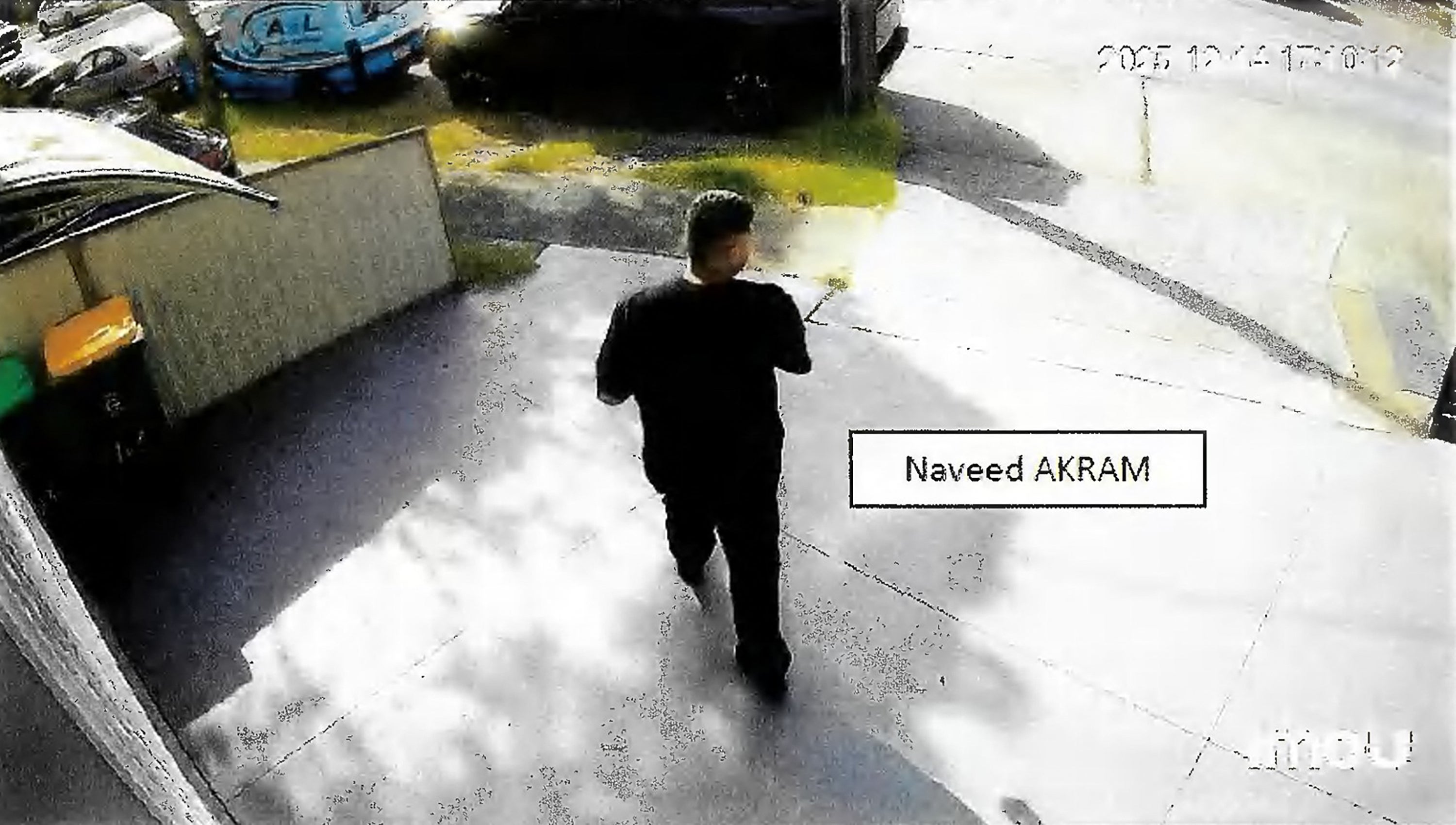
Father and son Sajid and Naveed Akram are accused of carrying out the massacre with guns they owned legally, in a country with tight controls on firearms. Ms Gutnick's father was one of the 15 people killed at the Sydney beach on 14 December last year during a Hanukkah celebration. While Sajid was shot dead by the police at the scene, his son Naveed, 24, was arrested and charged with 59 offences, including 15 counts of murder and one of committing a terrorist attack.
The attack, one of the worst the country has ever seen, fuelled calls for tougher gun control laws and more action to tackle hatred towards Jews. It followed a spate of antisemitic incidents in Australia. The Royal Commission on Antisemitism and Social Cohesion has received more than 5,700 submissions from the public.
"I saw people trying to excuse and justify the events as only anti-Zionist," Ms Gutnick said at the hearing as she listed the ways in which she was made to feel unsafe in her own country.
All witnesses called to give evidence were Jewish Australians who recounted their experiences of hatred, some speaking under pseudonyms out of fear for their safety. Ms Gutnick said that a year earlier she was verbally abused while carrying her baby in a Sydney shopping mall by a man who spotted her Star of David necklace. “I felt shocked, exposed and unsafe,” she said. “There were many people around me but no one intervened.”
 open image in gallery
She said she had seen a huge shift in antisemitism since October 2023, following Israel's war on Gaza. "I felt as though antisemitism was allowed to come into the open," she said. "All of a sudden it was socially, morally acceptable for antisemitic comments to be made in public discourse."
Ms Gutnick urged greater awareness of antisemitism, Jewish identity, and the real-world consequences of hate.
Holocaust survivor Peter Halasz OAM, who was also part of the hearing, said he had been afraid to wear his Star of David in public since Jews "have become targets" in Australia.
Mr Halasz told the commission that his mother was caught and shot by Nazis in 1944, and he only survived "because of the extraordinary courage" of those around him as a little boy. He said the last time he saw his mother was when she had come out of hiding in Hungary to wish his grandfather a happy birthday.
"I lived through what hatred can do to people … what is happening in Australia today is not a faint echo of a distant past [but] something recognised … and cause for alarm," he told the commission, according to ABC.
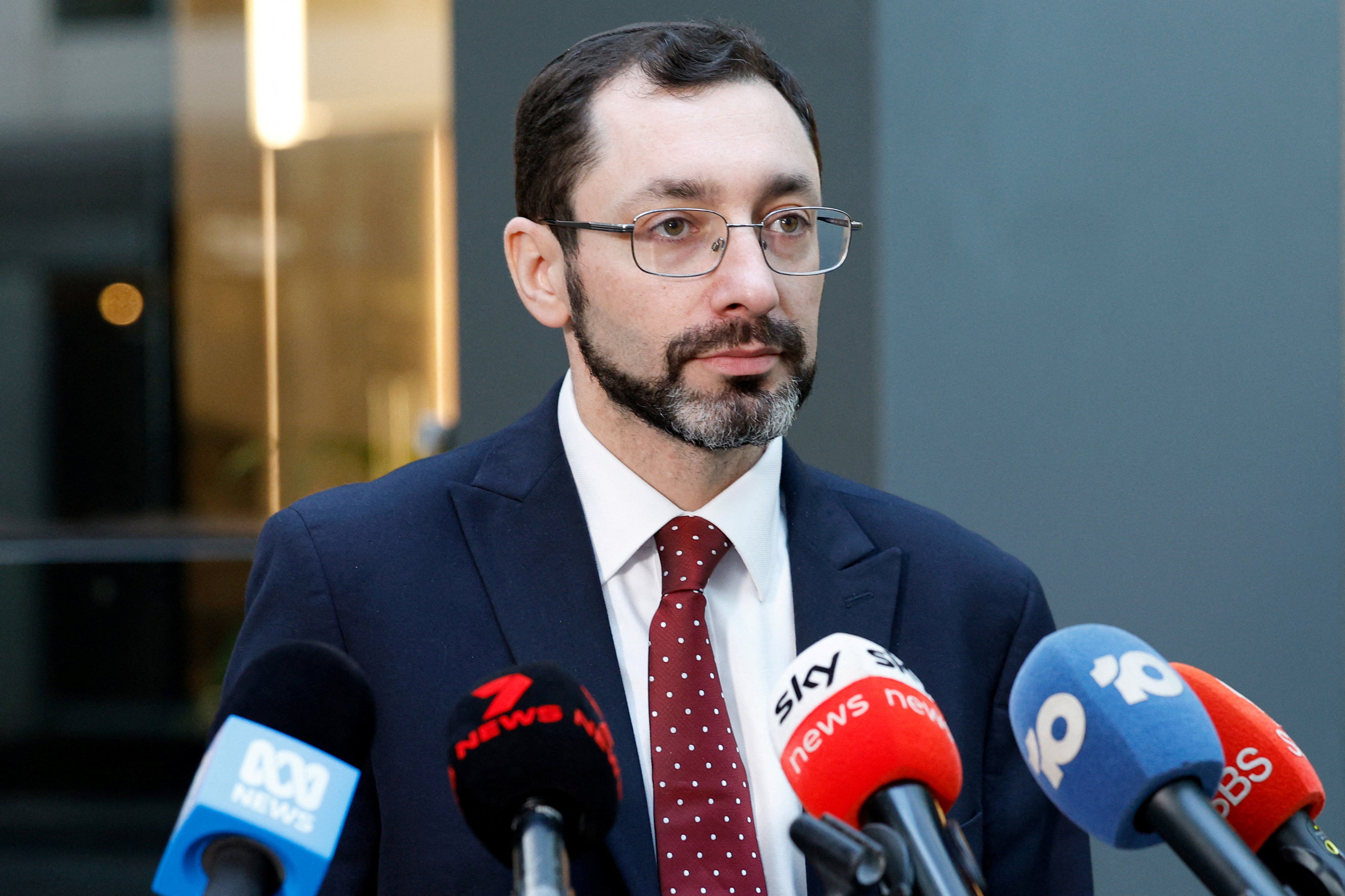
Virginia Bell, a retired judge appointed to lead the royal commission inquiry, said the first block of public hearings would investigate the nature and prevalence of antisemitism in the country. "The sharp spike in antisemitism that we've witnessed in Australia has been mirrored in other Western countries and seems clearly linked to events in the Middle East," Ms Bell said.
 open image in gallery
"It's important that people understand how quickly those events can prompt ugly displays of hostility towards Jewish Australians simply because they're Jews."
She added that it was fitting that the commission began by "taking evidence from ordinary members of the Jewish community about their lived experience of antisemitism.
"We've received numbers of submissions from Jews describing antisemitic incidents or courses of conduct."
The inquiry released its interim report last Thursday that advised increased security around Jewish public events and further counter-terrorism and gun reforms among 14 initial recommendations.
A second block of hearings later in the month will focus on the circumstances leading up to the Bondi Beach attack and issues raised in the interim report. The commission is due to deliver its final report on 14 December, exactly one year on from the attack.
Join our commenting forum
Join thought-provoking conversations, follow other Independent readers and see their replies
Comments