Blinded by the light pollution: Cities seek to restore night
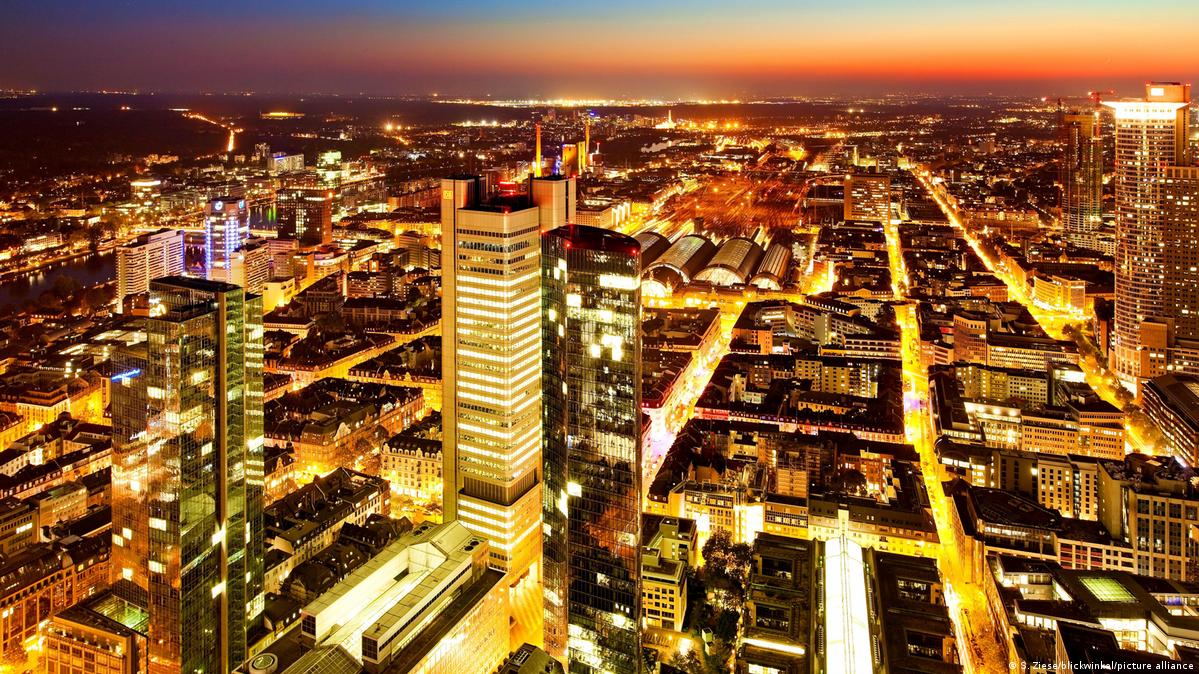
A streetlight right out in front of your house can make it easier to safely get in the door at night — but good luck trying to sleep without heavy curtains. That's just one example of how artificial light is useful in many aspects of our daily lives, as well as a major problem.
Our world is illuminated by more artificial light than ever before. A recent US study found that artificial light emissions at night increased by about 16% globally from 2014 through 2022, according to research published in Nature.
Areas experiencing increased brightening also saw the intensity of the light increase, by an average of 9%.
Too much artificial light can make us sick
We can switch off light sources such as computers, phones, TVs and lamps ourselves. But other sources are beyond our control: streetlights, headlights on cars, illuminated monuments, flashing billboards, and spotlights on construction sites, storefronts, bus stops, parking lots, sports fields and stadiums, to name just a few.
Being exposed to artificial light to such an extent can disrupt our natural sleep-wake cycle, destabilizing our hormonal balance and increasing the risk of metabolic disorders such as diabetes, depression and obesity.
The color of light also has an effect. The colder, or whiter, the light, the more it resembles daylight — and the more it suppresses the hormone melatonin, which is what makes us feel sleepy in the evening.
No other environmental condition has remained unchanged over the millennia like the natural light of the sun, moon and stars. All living things have adapted to this rhythm. More than half of all species are nocturnal — if the nights become brighter, it could have devastating consequences.
Migratory birds use the moon and stars to navigate. Artificial light can distract and divert them from their routes, leading to detours and exhaustion. Other birds can be tricked into laying their eggs too early in the season, when there aren't enough insects for newly hatched chicks to eat.
Insects such as moths and beetles use the light from the starry night sky to find food and mating partners. But artificial lights are much brighter and inevitably draw them away. They continuously circle the light source until they drop to the ground, dead with exhaustion. Billions are killed in this way each year, a devastating toll when insects are already threatened by pollution, declining biodiversity and other dangers.
Nocturnal mammals such as hedgehogs and bats generally avoid well-lit places; in our brighter world, their habitat is steadily shrinking. And light can create an artificial barrier that some fish species will not cross. Lights cast on the surface of the water from an overarching bridge, for example, can prevent eels from swimming by — a major problem during their migratory spawning period.
The world is too bright
To view this video please enable JavaScript, and consider upgrading to a web browser that supports HTML5 video
Brightest night skies in China, India
The Nature study found that the increase in nighttime light emissions since 2014 was highest in Asia, particularly in the economically growing regions of China and India.
In the United States, light pollution increased most on the West Coast because of the growing economy and population in California's cities. The East Coast, and parts of the US Midwest, by contrast, have become darker — in part because of a shrinking industrial sector, fewer residents and more energy-efficient lighting.
In Europe, overall light intensity compared to 2014 had decreased by 4%, with researchers noting a drop in light pollution across the region as a whole. That decline was most noticeable in France (33%), the United Kingdom (22%) and the Netherlands (21%).
Unlike in the United States, the darker night skies in Europe aren't always the result of economic decline.
In France, for example, new bylaws now require lighting on all commercial buildings, storefronts, parking lots, public parks and cultural heritage sties to be turned off by 1 a.m., at the latest.
Other European nations took on the issue of the brightening night sky much earlier. The Czech Republic passed the world's first law against light pollution in 2002, which stipulates, among other rules, that streetlights may only be directed toward the ground, at risk of a fine of over €3,000 ($3,500).
Slovenia has been combating light pollution since 2007, with a regulation limiting the annual electricity consumption for lighting per resident to 50 kilowatt hours. Other rules also ensure that streetlights don't shine too brightly at night in residential areas.
Germany's 'star city,' Fulda, lights the way
Germany has yet to pass any nationwide rules against light pollution. The Federal Nature Conservation Act is, however, currently being updated in an attempt to rein it in. At the state level, Baden-Württemberg has already passed a law that prohibits facade illumination from April to September — the months when wildlife is most active in Germany.
The city of Fulda, about 100 kilometers (60 miles) northeast of Frankfurt, is a forerunner when it comes to lighting. The Fulda Cathedral is illuminated with precisely targeted spotlights, instead of the standard floodlights. In new neighborhoods outside of the city center, walkways and cycle paths are only lit to 20%; when someone comes by, motion detectors briefly bring the streetlights up to maximum.
"Insect traps installed before and after these measures were put into effect have shown that the new lights kill 90% fewer insects," said Marcel Cire, environmental engineer with Fulda's city planning department. He said Fulda was starting to install the new streetlights in the city, replacing old lamps as needed to keep costs down.
Fulda has been recognized for its efforts to bring back the night. DarkSky International, a US-based nonprofit raising awareness about the harmful effects of excessive artificial light, designated the city as Germany's first "star city" in 2019. It joined 11 other certified locations in the country with "outstanding dark sky conditions and protection practices."
Bringing back the firefly
As shown in the Czech Republic, Slovenia and Fulda, lights should only illuminate where absolutely necessary — walkways, for example, and not the entire night sky. Lights regulated with motion sensors are a good alternative to always-on outdoor lighting.
The warmer the light, the less harmful it is — for humans and other creatures. Conservation organizations recommend using a light temperature of no more than 3000 Kelvin for outdoor lighting, a warm, yellow-white light commonly used in living rooms and bedrooms.
Following these recommendations could help bring fireflies back to our parks and gardens. The firefly is another insect threatened by light pollution, with artificial light keeping the male and female insects from finding each other.
Simply closing the curtains in your house at night can help not only to block out any annoying outdoor glare, but also prevent indoor light from disturbing the nightlife outdoors.
This article was originally written in German.
AdvertisementСхожі новини
Japanese tanker Idemitsu Maru arrives in Aichi after exiting Strait of Hormuz
Toshifumi Suzuki, pioneer of Japanese convenience stores, dies at age 93