Billionaire Tom Steyer’s record spending dominates California governor race
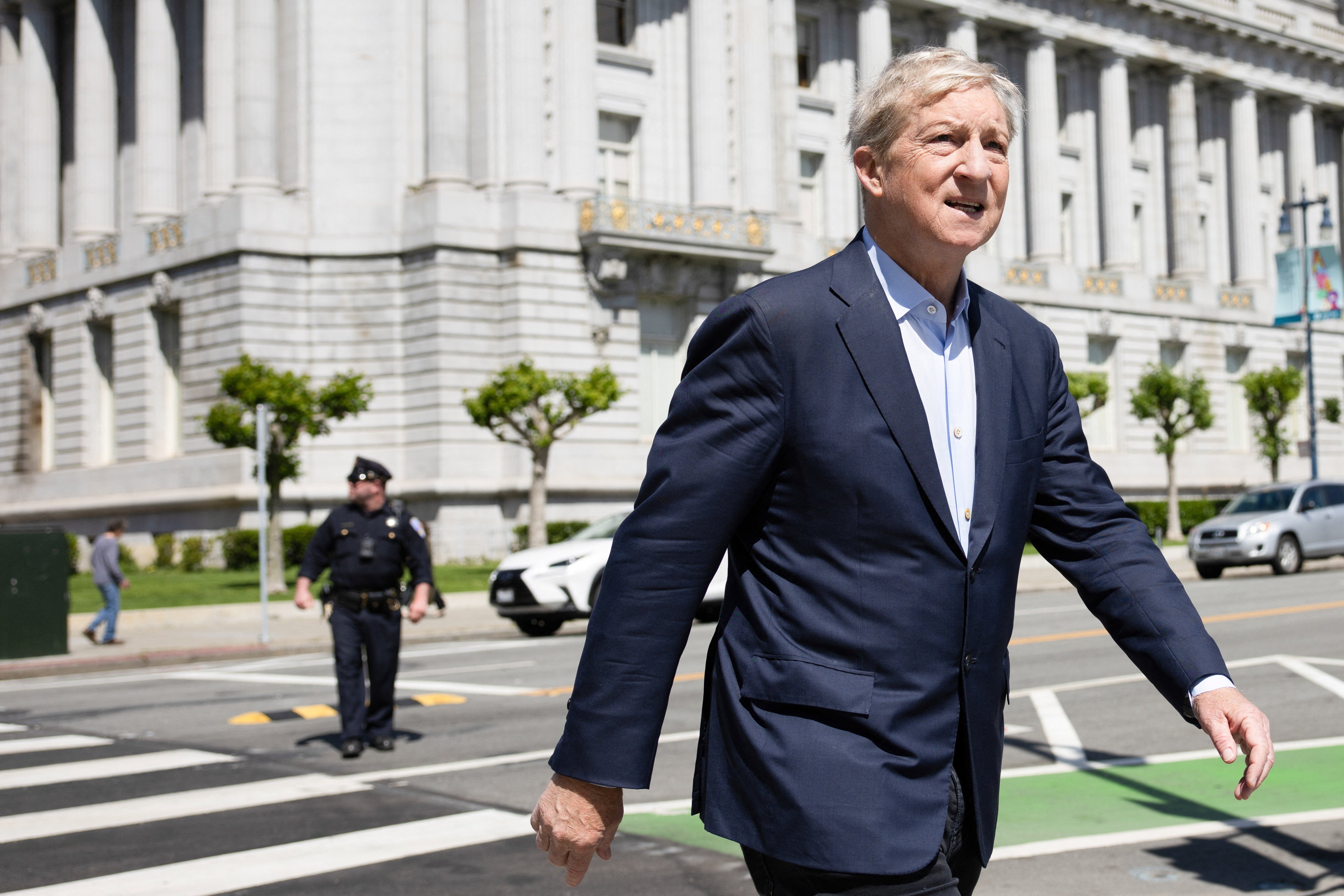
Billionaire Democrat Tom Steyer is set to leave an indelible mark on California's gubernatorial race, not least for orchestrating the most expensive political advertising campaign seen across the US this year.
The former hedge fund manager, now a prominent liberal activist, has already committed over $195 million to broadcast TV, cable, and radio advertisements, a figure that continues to climb, according to data compiled by advertising tracker AdImpact.
This torrent of spending has drawn criticism that Steyer, a one-time presidential candidate, is attempting to 'buy' the governor's office. His ad expenditure dwarfs that of his closest rival, fellow Democrat Xavier Becerra, by more than 20 times, as they vie for a spot in the November election.
 open image in gallery
Nationally, Steyer's spending is unparalleled. In Georgia, Republican healthcare executive Rick Jackson ranks second, having spent approximately $31 million on advertising.
Following Jackson is Democratic US Representative Raja Krishnamoorthi of Illinois, who spent over $28 million on advertising in an unsuccessful bid for the US Senate.
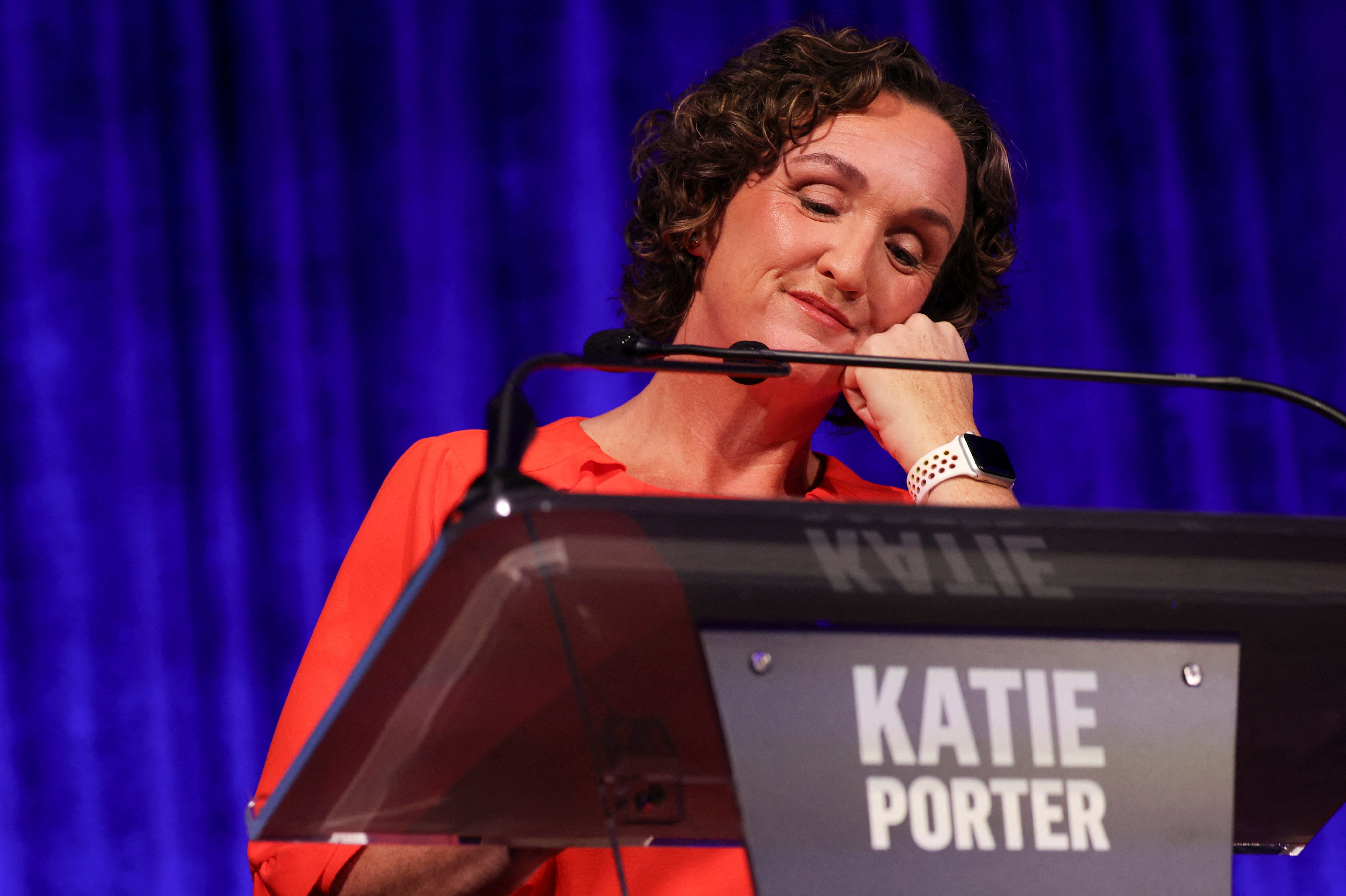
Katie Porter, a former US House member and one of seven established Democrats in the California contest, has repeatedly lambasted Steyer for leveraging his personal fortune to saturate the airwaves with ads, facing minimal competition from other candidates.
"She isn’t spending hundreds of millions of dollars of personal wealth trying to buy the governor’s office," her campaign stated in an email to supporters.
 open image in gallery
Steyer's advertising blitz has surpassed the 2010 record set by Republican Meg Whitman, who spent $178.5 million in her losing gubernatorial campaign, much of it her own money. At the time, it was the costliest statewide office campaign in US history.
When adjusted for inflation, Whitman's spending still holds the state record, though her figure represented expenditure for the entire election, not just the primary.
Despite this record-level output, Steyer's financial might has propelled him into contention within the crowded field but has not allowed him to break away.
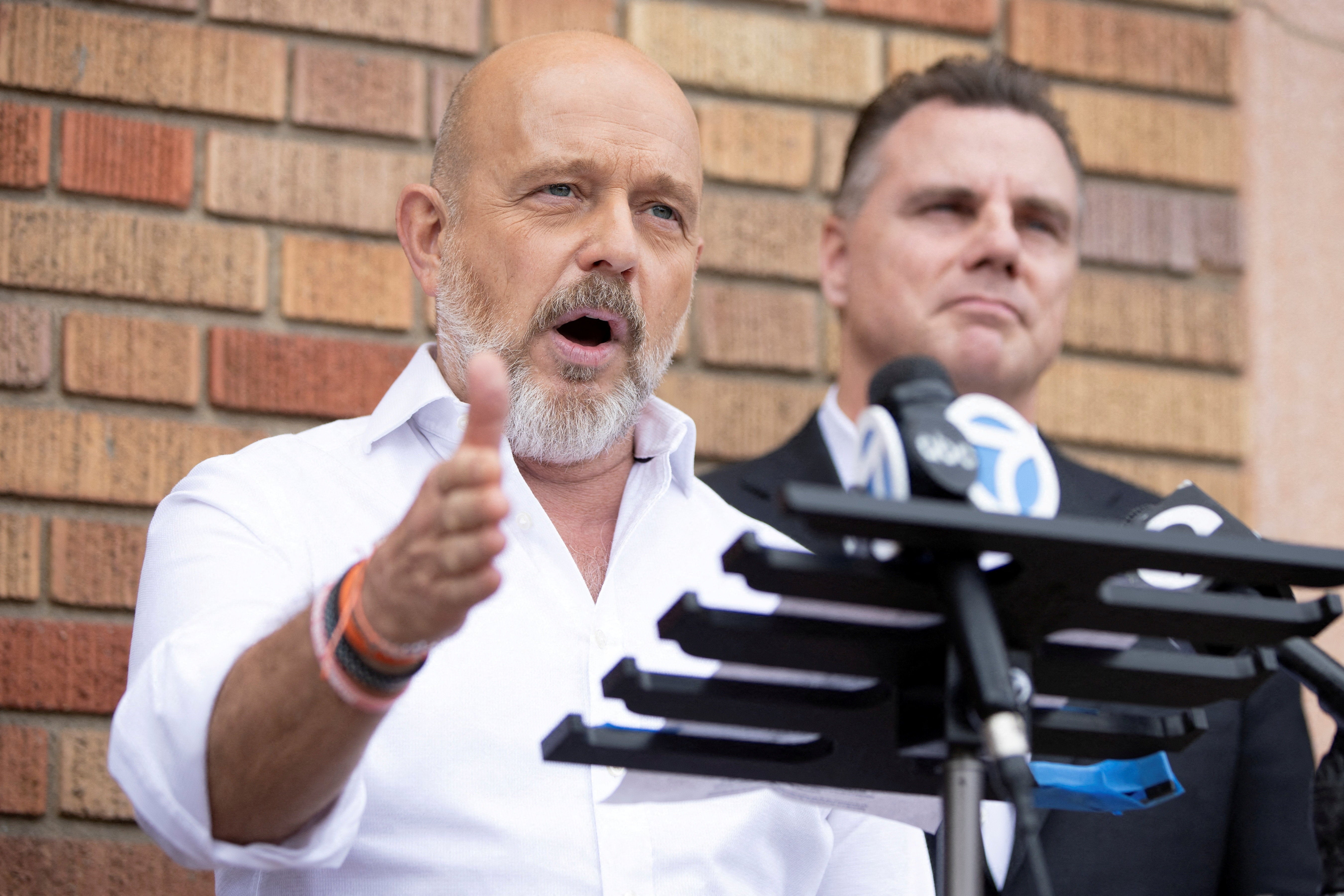
He remains part of a leading group of several candidates – including Becerra and Republican Steve Hilton – as the campaign approaches its 2 June primary, with mail voting having commenced earlier this month.
 open image in gallery
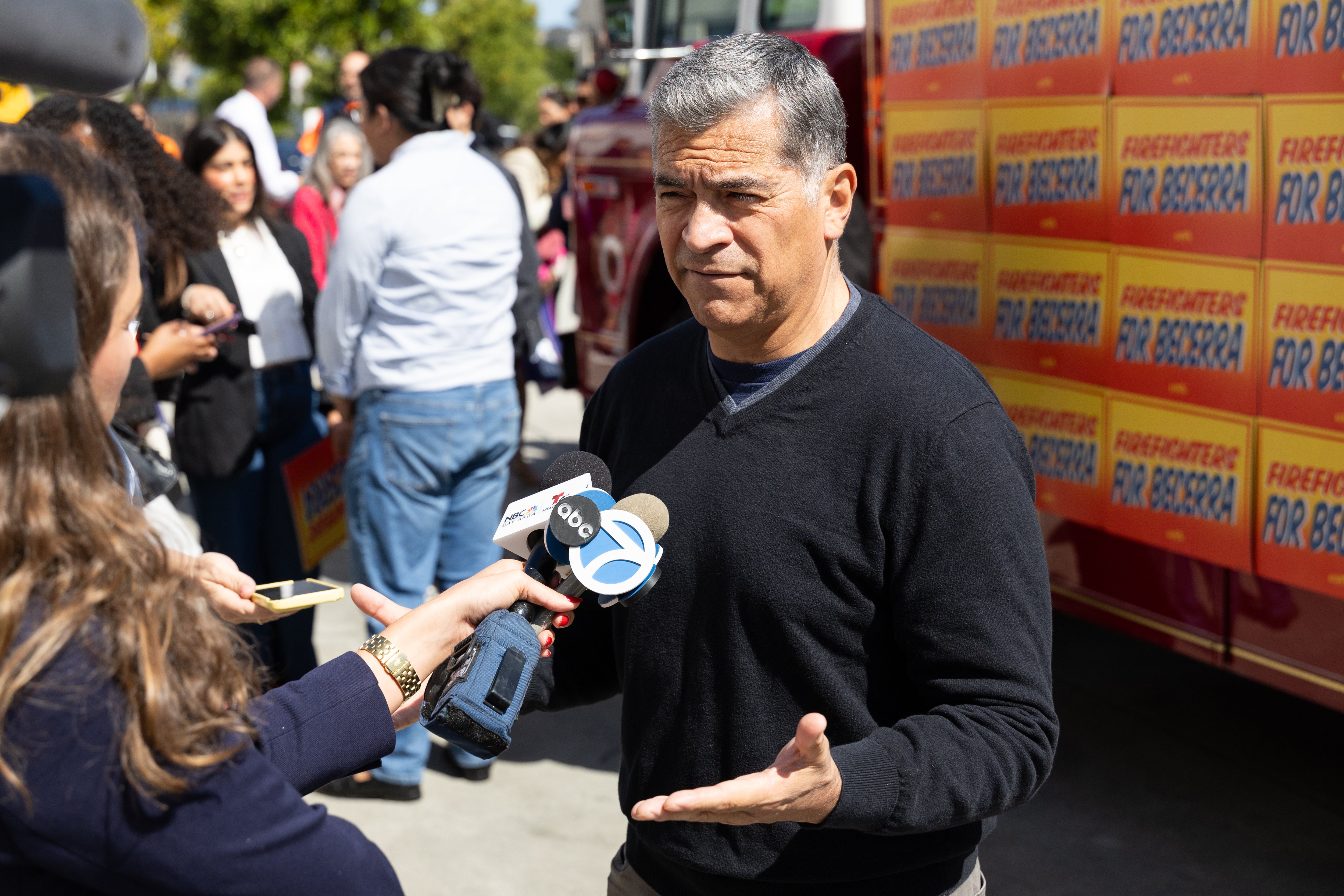
Steyer's significant cash advantage provides him with a crucial publicity edge in the final days of the contest. He has maintained a steady stream of advertising and online posts questioning Becerra's credentials and record. Becerra, a former state attorney general and Biden administration health secretary, lacks the funds to respond in kind.
One Becerra advertisement aimed to connect with voters fatigued by the constant barrage of Steyer's ads.
It featured tranquil scenes of Joshua trees, ocean waves, and soaring redwoods, accompanied by a gentle prompt: "You can stop the endless Tom Steyer ads. Vote Xavier Becerra."
Steyer's financial clout has also enabled him to extend his campaign's reach far beyond traditional TV and radio, with consistent posts on platforms like YouTube and Instagram.
 open image in gallery
The New York Times reported his campaign paid a progressive Texas influencer $100,000 to aid his election efforts, while The Sacramento Bee noted Becerra also hired an influencer.
Many voters have been slow to cast their ballots in a race lacking a clear frontrunner or a 'star' candidate, with over 50 names appearing on the ballot. California's "top two" primary system means all candidates compete on a single ballot, with only the two highest vote-getters progressing to November, irrespective of party affiliation.
"In a race this close, it all matters," commented Democratic consultant Andrew Acosta.
However, history demonstrates that financial investment does not always guarantee electoral success.
Billionaire developer Rick Caruso spent over $1 billion of his personal wealth on his 2020 presidential bid before withdrawing. Steyer's own substantial spending failed to secure him a strong position in the 2020 presidential contest, leading to his early withdrawal after a poor showing in the South Carolina primary.
Democratic San Jose Mayor Matt Mahan's gubernatorial campaign, supported by independent committees funded by millions from tech leaders and venture capitalists, also failed to gain traction. Steyer has never held elected office.
In a 2019 interview with The Associated Press, when asked about perceptions he was trying to buy the presidency, Steyer responded: "I don’t think that’s possible," adding, "I’m never going to apologize for succeeding in business. That’s America, right?"
This high-stakes contest unfolds as California grapples with a persistent homelessness crisis, shortages in wildfire insurance, projected budget shortfalls, and housing costs that remain unaffordable for many working-class families. Voters, meanwhile, face increasing everyday expenses for groceries, utilities, and fuel.
It is worth noting that the AdImpact data does not encompass advertisements on certain popular streaming services, such as Hulu and YouTube, nor does it include mail advertising.
Join our commenting forum
Join thought-provoking conversations, follow other Independent readers and see their replies
Comments