Engineers, supply chain depth and policy execution matter as much as spending for countries chasing advanced manufacturing
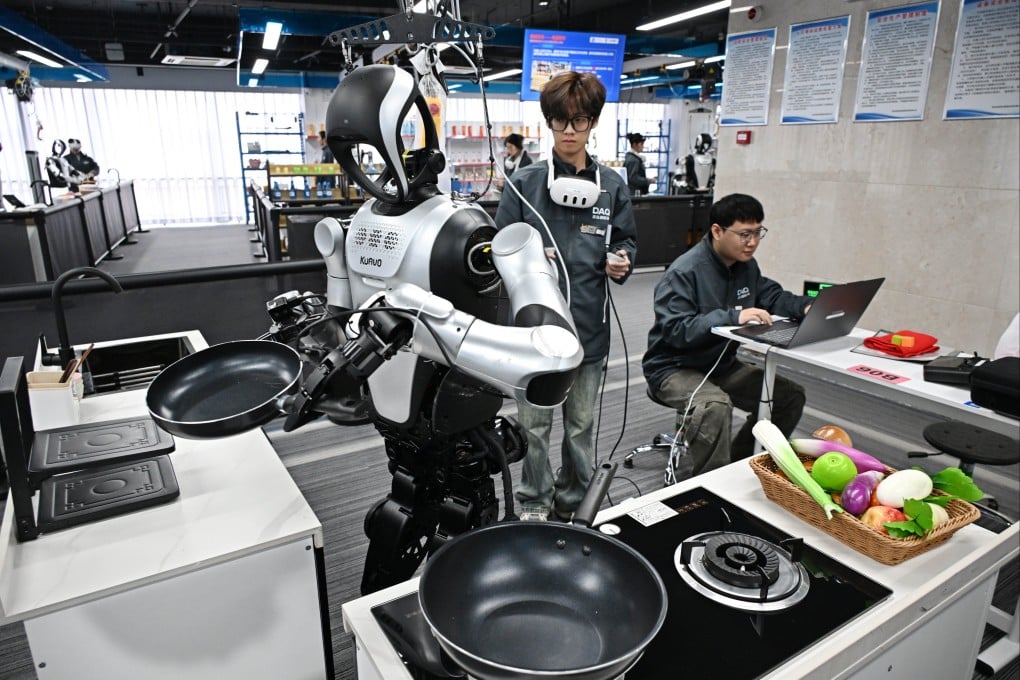
3-MIN READ3-MIN ListenZongshuai FanZongshuai Fan is a senior policy analyst at Cambridge Industrial Innovation Policy, University of Cambridge, whose expertise spans manufacturing and intellectual property. Published: 5:30am, 3 May 2026Driven by intensifying competition in advanced manufacturing, the world is waking up to “China shock 2.0”. The first “shock”, associated with China’s accession to the World Trade Organization in 2001, focused on low-tech manufacturing.Of course, this latest “shock” isn’t framed as such by Chinese policymakers. They present it as an upgrade in export strength, often described as a shift from the “old three” of textiles, furniture and home appliances to the “new three” of electric vehicles, batteries and solar panels.What many abroad call “China shock 2.0” is a marker of industrial upgrading and a reflection of long-standing national strategies.AdvertisementBeijing is also not waiting for the world to fully digest this latest wave. As of late 2025, official messaging has begun promoting artificial intelligence (AI), industrial robots and innovative medicines as the “newer three”, pointing to their rising presence in global markets. This is not just domestic cheerleading. These sectors are also drawing growing attention internationally.
It may be too early to place the “newer three” on the same footing as the previous trios, given their relatively combined smaller export base and the likelihood that the composition will change. Still, the trajectory is striking. It took roughly two decades for China to climb from the “old three” to the “new three”. Just years after the “new three” entered the spotlight, Beijing is already signalling what’s next.
Advertisement
Industrial subsidies are the explanation many reach for. Public funding is indeed part of the story, especially in frontier sectors such as AI. Compared with the United States, China has relied more heavily on state-backed channels than private capital. Government funds invested an estimated US$184 billion in AI firms between 2000 and 2023.
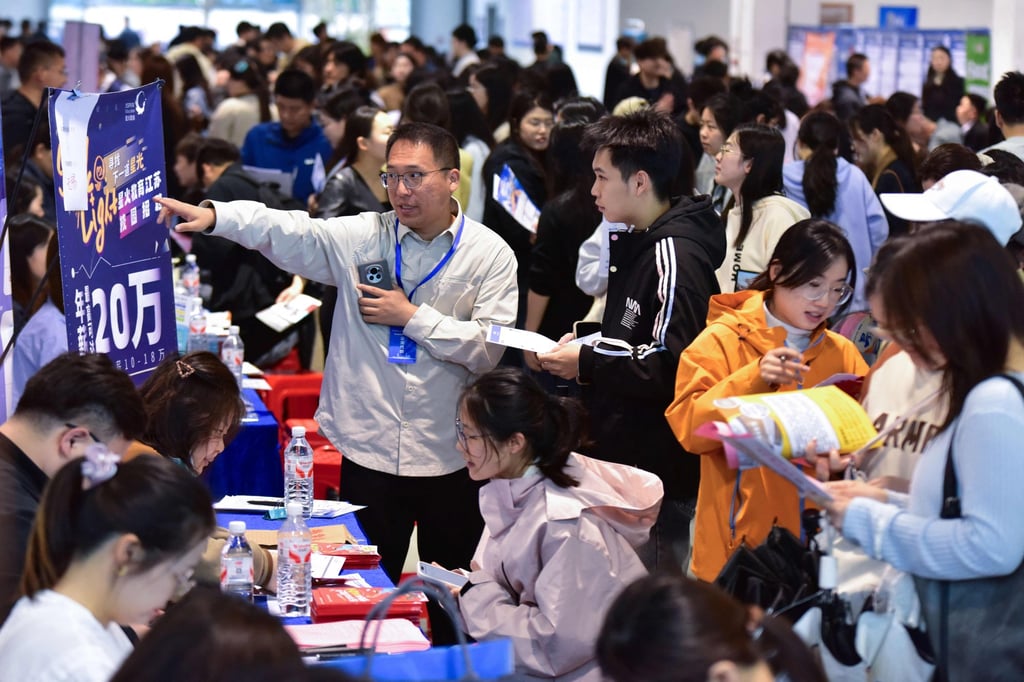
University students attend a job fair in Fuyang, Anhui province, on April 28. Photo: CN-STR / AFPAdvertisementSelect VoiceSelect Speed0.8x0.9x1.0x1.1x1.2x1.5x1.75x00:0000:001.00x
.png?itok=o7KKrNHM&v=1762507330)