Baby clothes, razor blades and water buckets: Exposing the reality of global inequalities in maternal care
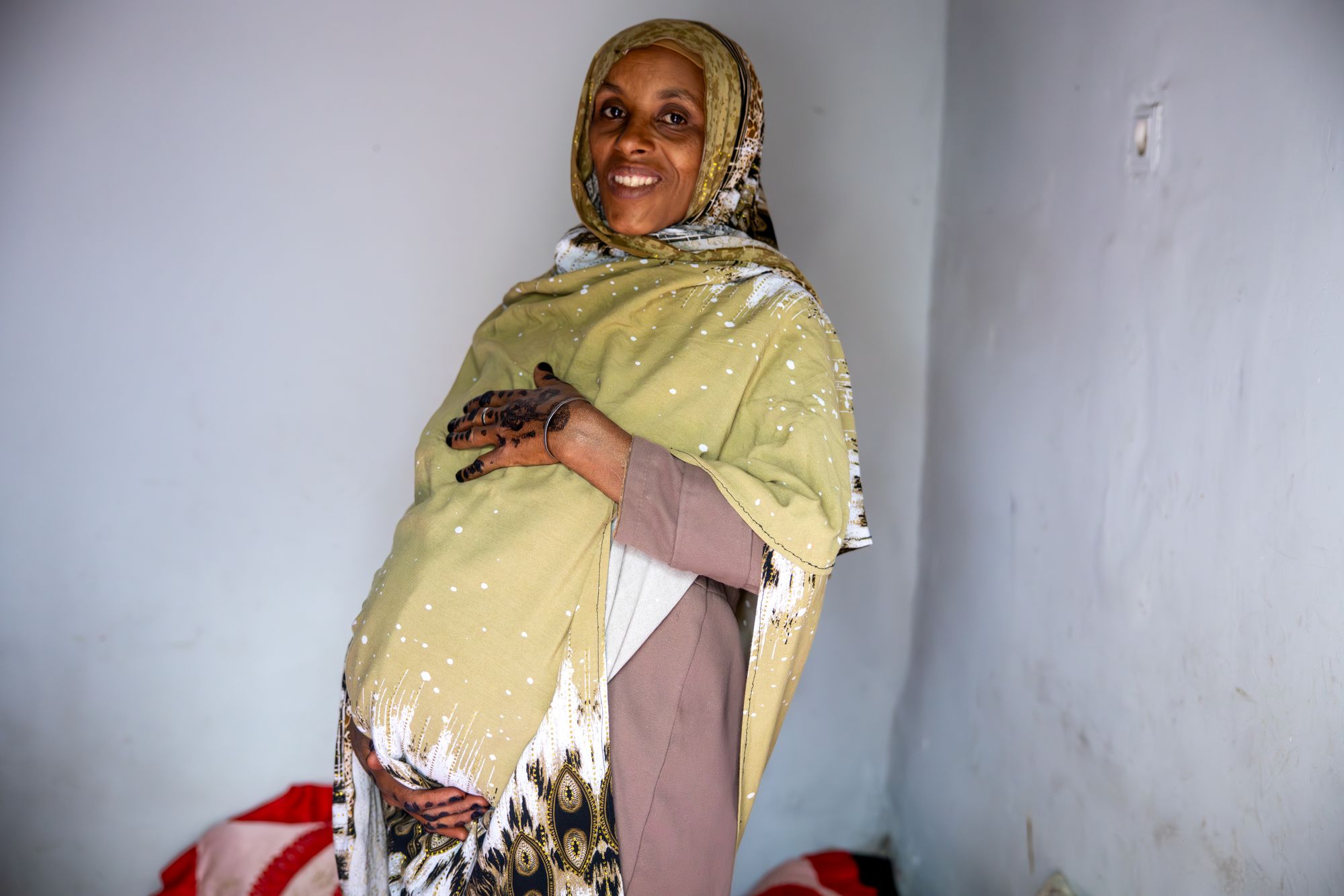
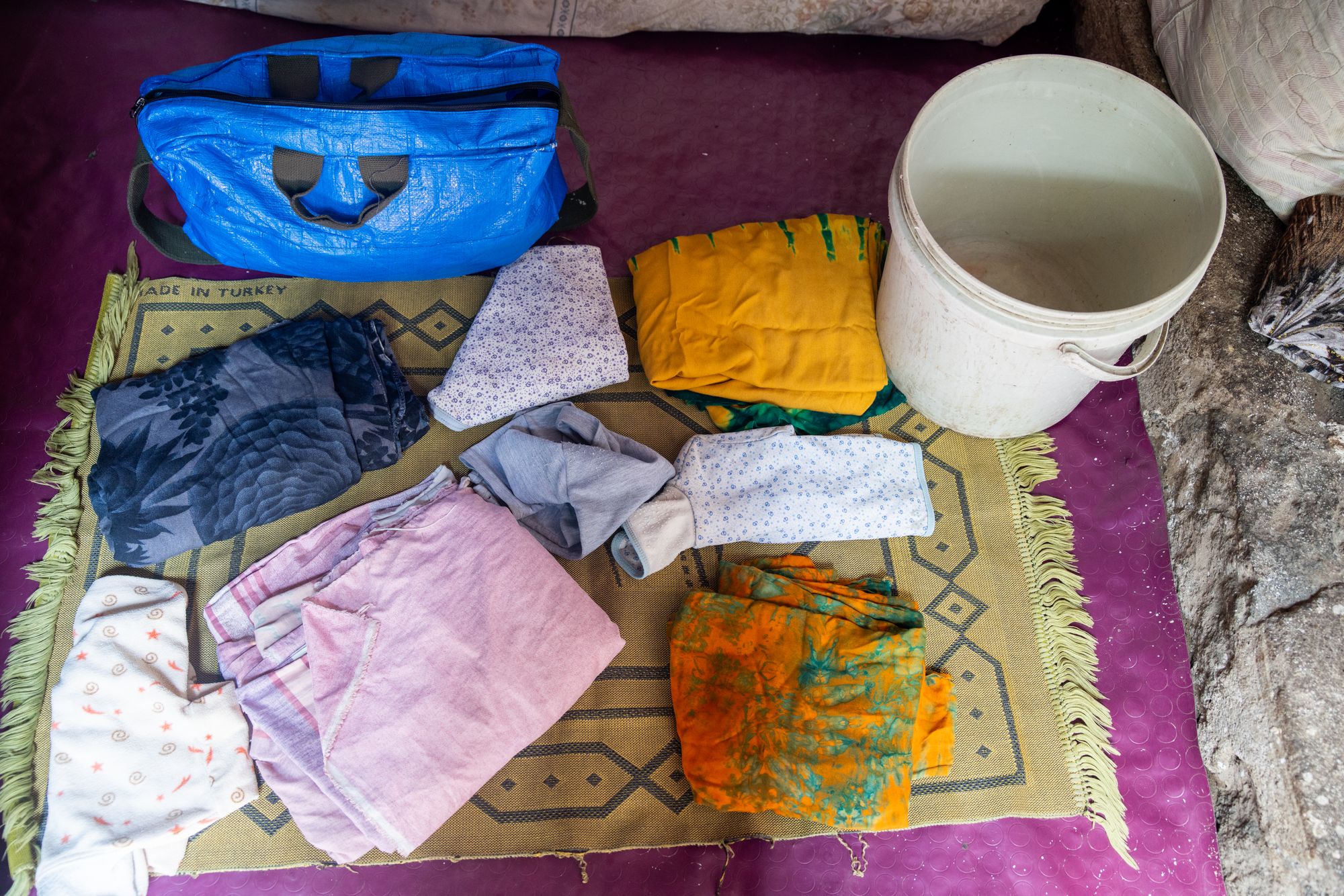
When 28-year-old Anshiya prepared for the birth of her sixth child at a health centre in rural Ethiopia, she did not pack the usual hospital bag, but instead a bucket. Her community in Gada Tokuma Kebele, in the south of the country, has chronic water shortages.
She is used to carrying water, but what's different this time is that – at eight months pregnant – Anshiya is packing the bucket alongside baby clothes.
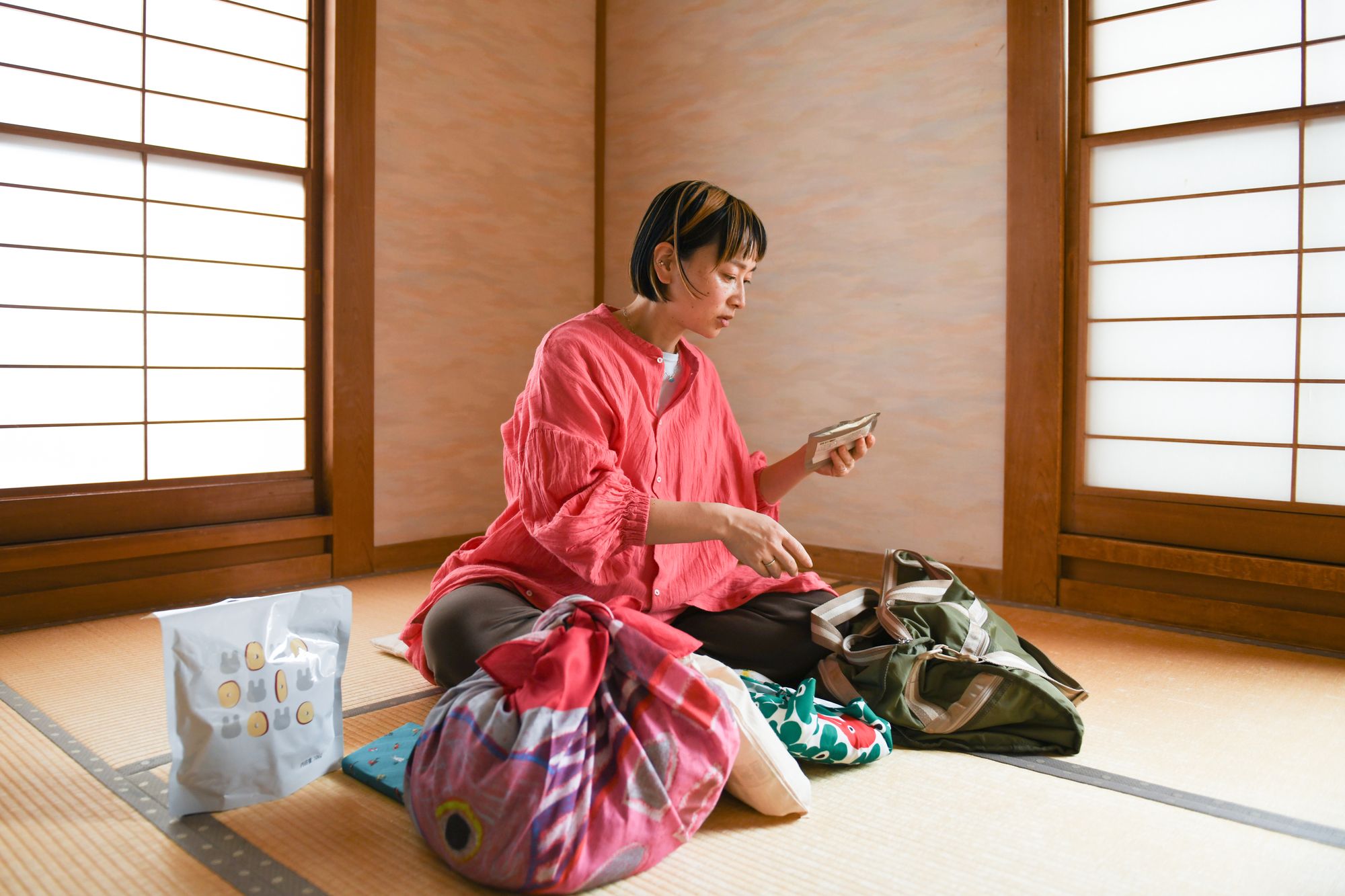
Today, on International Day of the Midwife, WaterAid, is showing what expectant mothers pack before going into labour. It forms part of its “Time to Deliver” campaign, which The Independent has worked on.
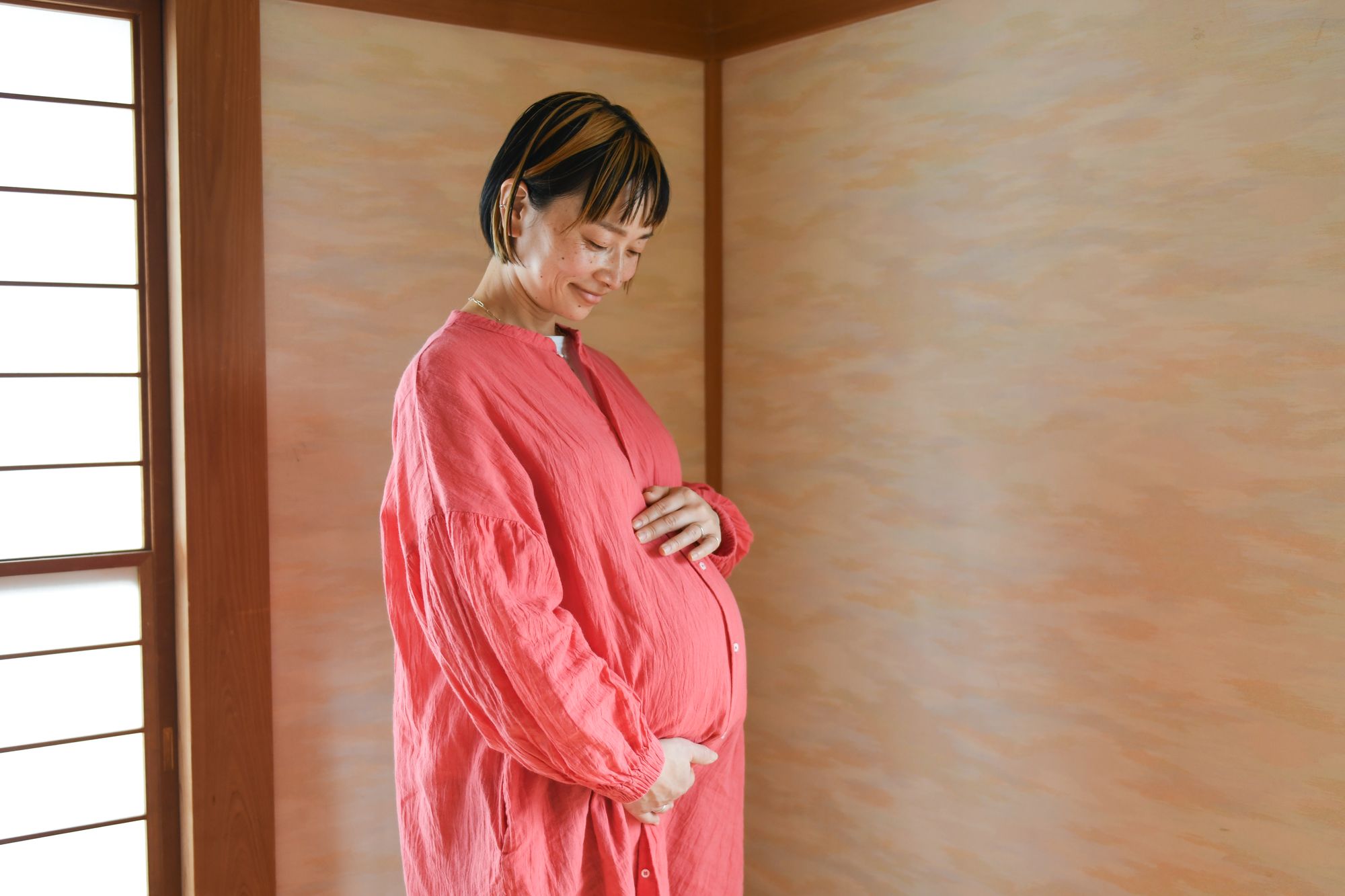
The contrast is stark, from Japan, where 43-year-old Ayako is bringing water from a concert by an artist she loves for comfort, to British 34-year-old Amira who is packing her mother's bracelet. “It reminds me of her, and of home”, she said.
 open image in gallery
 open image in gallery
Yet, in Malawi, Rose, 20, has brought a razor blade, thread, a basin and a bucket, items she was instructed to bring by midwives at Nankumba health centre because the facility cannot guarantee them. The razor blade is to cut the umbilical cord, the thread is to tie it and the bucket is in case there's no water.
Globally, a woman gives birth every two seconds without access to clean water, functional toilets, or basic hygiene. That's more than 16 million women a year exposed to preventabe infections during one of the most physically vulnerable moments of their lives. One in five helth facilities still lacks clean water and basic hygiene, meaning midwives can't wash their hands properly between patients or sterilise equipment.
![Rose says her maternity bag includes: "A bucket, a baby bath, chitenje cloth, a black sheet of paper, a razor blade and a thread. I also brought a Nyanda [a locally made female diaper], a baby hat. The other clothing and boots she will buy later"](https://static.independent.co.uk/2026/05/05/11/03/CVMLW122-58.jpg) open image in gallery
open image in galleryHindiya, a midwife at the health centre where Anshiya is due to give birth, described going without water for more than a week at a time. She said: “Although electricity is also a challenge, the lack of water is the most serious issue. Water is essential for everything we do.”
Rose, at Nankumba health centre in Malawi, said the facility now has water taps, an improvement on what came before, but soap remains scarce. She said: “The number one thing I would like to be available here is soap, because we need to wash our hands. Washing your hands without soap is not enough.”
 open image in gallery
 open image in gallery
In Ghana's upper east Region, 29-year-old Alahire was told by her midwife to bring six yards of cloth, disinfectant, snaitary pads and a head covering for the baby. She plans to deliver at Namoo hospital which she can reach in two hours by cycling. She said: “It’s a hospital which can ensure a safe delivery for me. But when I arrive there are always issues. We have to go behind the facility to urinate and I would like them to be able to provide a toilet for us. It's really not nice to have to go out into the open where people will see you to urinate. But I still think women should go to the hospital to give birth and not stay at home.”
A new survey of British mothers by WaterAid found that 95 per cent agree clean water and good hygiene are fundamental to safe healthcare. Nearly three in ten said hygienic facilities were among the most important essentials for childbirth. Amira, expecting her first child in the UK, said she had no idea that every two seconds a woman gives birth without them “I think that's terrifying”, she said.
WaterAid is calling on the UK government to commit investment in water, sanitation and hygiene in healthcare facilities ahead of the UN Water Conference in December.
To sign WaterAid’s Time to Deliver petition click here. This article has been produced as part of The Independent’s Rethinking Global Aid project
Join our commenting forum
Join thought-provoking conversations, follow other Independent readers and see their replies
CommentsСхожі новини
Suspect arrested over Leipzig crash that killed two ‘had recently been released from psychiatric hospital’

Чи буде 2-й сезон блискучого українського серіалу "Підміна", який підкорив серця глядачів
Чи буде 2-й сезон блискучого українського серіалу "Підміна", який підкорив серця глядачів