Deadly Weekend: 16+ Killed in Ukraine-Russia Strikes as Chernobyl Marks 40 Years Since Disaster
A fresh round of cross-border military strikes claimed the lives of at least 16 people over the weekend, as both Ukrainian and Russian authorities reported casualties from attacks on their respective territories. The violence coincided with commemorations of the 40th anniversary of the Chernobyl nuclear catastrophe, reigniting concerns about the safety of the damaged facility amid ongoing hostilities.
According to regional officials, Russian drone and missile attacks on Dnipro resulted in at least nine deaths, regional administrator Oleksandr Hanzha confirmed on Sunday. In Russian-controlled areas, Moscow reported one fatality from a Ukrainian drone strike targeting the port city of Sevastopol in occupied Crimea.
Leonid Pasechnik, Russia's appointed governor in the Luhansk region of Ukraine, disclosed that after initial reports of two casualties early Saturday, an additional three people were killed in a Ukrainian drone attack on a village overnight. A separate drone strike on Russia's Belgorod border region claimed one female victim, local authorities stated.
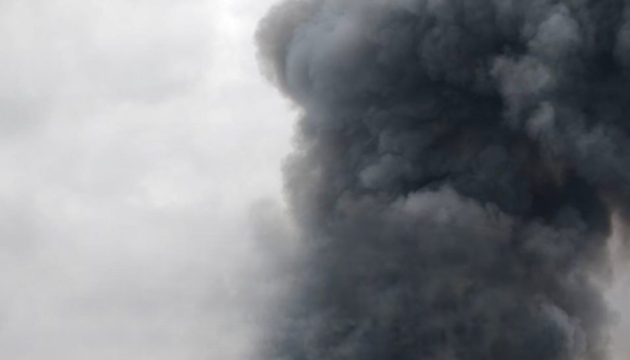
Kyiv remained silent on the attacks attributed to it, and immediate responsibility for certain strikes remained unclear. However, Ukraine's General Staff announced that its forces had successfully struck an oil refinery in Yaroslavl deep within Russian territory on Sunday. The facility, which processes 15 million tons of crude annually and supplies gasoline, diesel, and military jet fuel, caught fire following the assault. Moscow had not yet issued a response.
Nuclear Safety Fears Revived on Somber Milestone
The weekend's military exchanges drew fresh attention to the vulnerabilities of the Chernobyl nuclear plant as Ukraine observed four decades since the 1986 disaster. President Volodymyr Zelenskyy used the occasion to warn of the existential risks posed by continued Russian military operations near the facility.
"Russia is once again bringing the world to the brink of a man-made disaster — Russian-Iranian Shaheds regularly fly over the plant, and one of them struck the confinement last year," Zelenskyy wrote on Facebook, referencing the Iranian-designed unmanned aircraft that have been deployed extensively since Russia's full-scale invasion began in February 2022.
"The world must not allow this nuclear terrorism to continue, and the best way is to force Russia to stop its reckless attacks," the Ukrainian leader added.
Rafael Grossi, head of the International Atomic Energy Agency, reinforced these concerns during a visit to Kyiv on Sunday. Grossi underscored the urgency of commencing immediate repairs to the plant's damaged outer protective shell. IAEA investigations have determined that structural damage sustained from an attack in 2025 has already undermined a critical safety function, with prolonged delays potentially intensifying risks to the original containment structure beneath.
The European Bank for Reconstruction and Development estimated that restoring the facility would require a minimum investment of €500 million. Ukraine's Energy Minister Denys Smyhal announced Sunday that committed funding from partner nations had reached €100 million, supplementing a previously pledged €30 million.
Ukrainian officials attributed a February 2025 drone strike on the New Safe Confinement structure—a €1.79 billion arch-shaped enclosure erected in 2019 over reactor No. 4's remains—to Russian forces. Moscow denied responsibility, claiming instead that Kyiv was responsible for the strike and that it was not directed at the nuclear facility.
Схожі новини
Генштаб уточнив результати ударів по російських НПЗ: у Туапсе знищені 24 нафтові резервуари
How the Iran war is bringing back 'citizenship as a weapon'

Склад, РСЗО и пункты управления БпЛА. Силы обороны поразили ряд российских объектов на оккупированных территориях — Генштаб ВСУ