Asia must unite to avert an Iran war food crisis
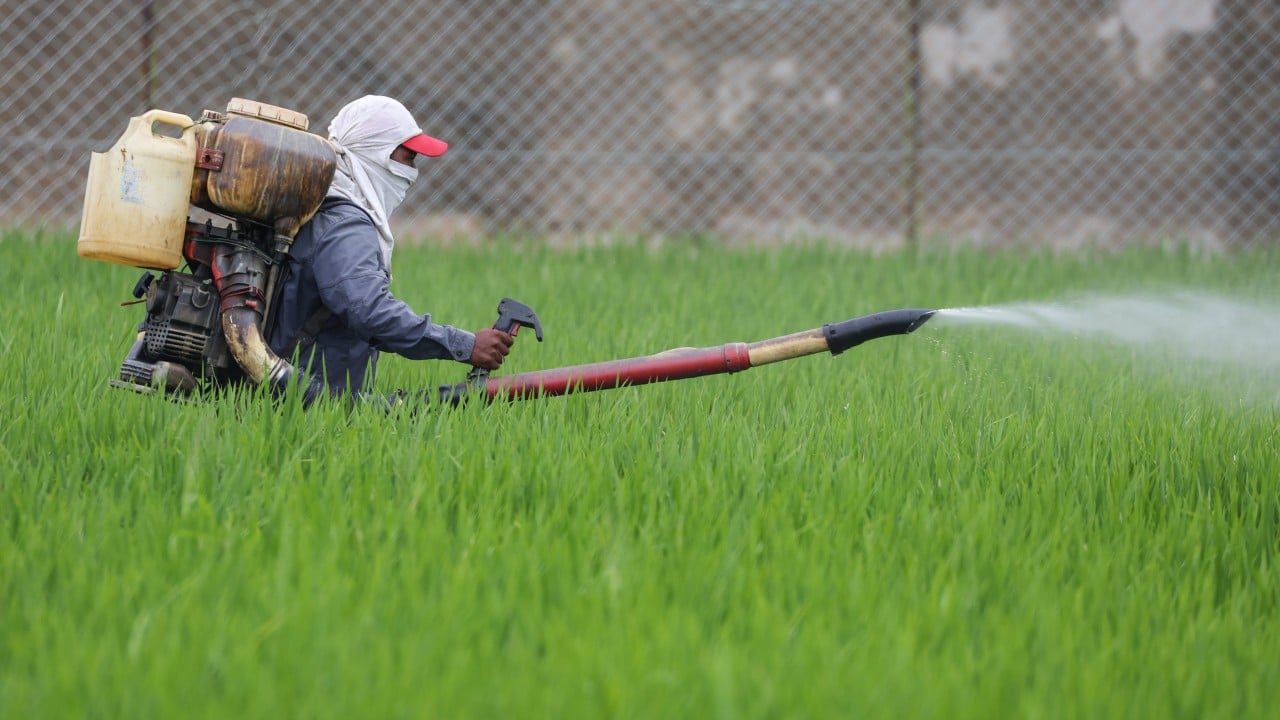

The energy and fertiliser shocks come amid crucial planting windows for Asia’s farmers, exposing the region’s dire dependencies
3-MIN READ3-MIN Listen
Asia’s next food crisis is under way. After the US-Israeli strikes on Iran, shipping through the Strait of Hormuz collapsed, sending shock waves across energy, fertiliser and food systems. Fuel, freight and fertiliser costs are rising sharply, amplified by skyrocketing insurance premiums – feeding directly into the price of every tonne of fertiliser that still reaches the market.
The scale of disruption reflects the strait’s outsize role in global trade. It carries around one-third of globally traded fertiliser, one-quarter of seaborne oil and a major share of liquefied natural gas (LNG) – the primary feedstock for nitrogen fertiliser production.
Asia is heavily exposed. It normally takes 35 per cent of the Gulf’s urea exports, 53 per cent of its sulphur and 64 per cent of its ammonia, with import reliance ranging from 36 per cent of fertiliser in Sri Lanka to 53 per cent in Bangladesh. Equally alarming is Asia’s energy dependence. Last year, about 80 per cent of oil and oil products transiting the strait went to Asia, alongside almost 90 per cent of the LNG, accounting for over a quarter of Asia’s LNG imports.AdvertisementWith energy accounting for roughly half of food production costs and underpinning every stage of the supply chain from farm to table, rising energy prices are pushing up food prices even before fertiliser shortages are realised. The projections are grim. Prolonged disruption could push 45 million more people into food insecurity, with Asia seeing a 24 per cent increase, the largest of any region.A ceasefire would only offer limited immediate relief: disrupted contracts, supply chains and insurance markets cannot be restored quickly, and there are no international strategic fertiliser reserves to cushion the shock.
AdvertisementBoosting regional fertiliser production is the most immediate response. However, amid surging energy costs and tightening supplies, production plants are scaling back or shutting down, as seen in Pakistan, Bangladesh and India. Turning to other major producers offers only limited relief. China and Russia, two of the world’s largest fertiliser exporters, are restricting exports to prioritise domestic demand.AdvertisementSelect VoiceSelect Speed0.8x0.9x1.0x1.1x1.2x1.5x1.75x00:0000:001.00xСхожі новини
Myanmar: What's behind Suu Kyi's transfer to house arrest?
Japan’s SDF fires anti-ship missiles for first time in Philippine military drills

На фронті від початку доби - 63 зіткнення, Покровський і Гуляйпільський напрямки найгарячіші