Antarctic Sea Ice Collapse Decoded: Deep-Sea Robots Uncover the Hidden Mechanism Behind a Decade of Decline
Mysterious shift in Southern Ocean reveals ocean's critical role in ice dynamics
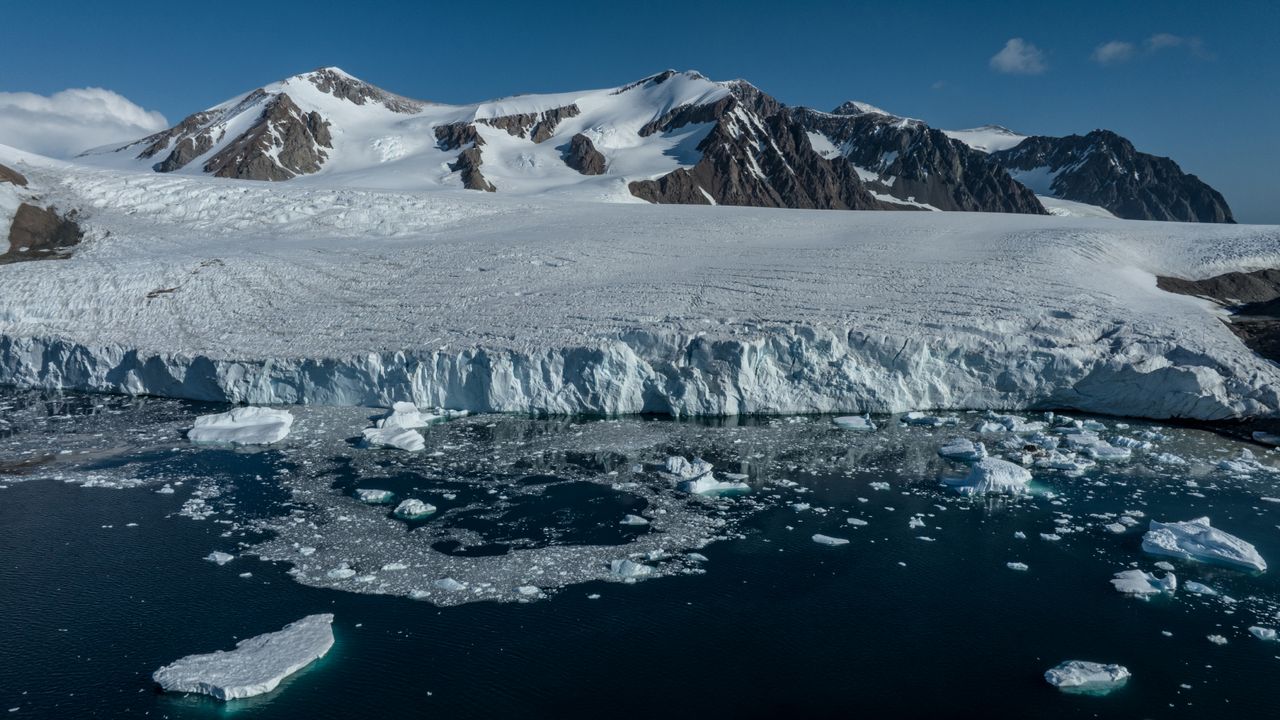
A puzzling reversal in Antarctic sea ice patterns has finally been explained by international scientists using data from specialized underwater robots. After steadily expanding from the 1970s through 2015, the sea ice surrounding Antarctica abruptly contracted in 2016 and has not recovered, revealing the complex interplay between ocean temperature, salinity, and atmospheric conditions.
The Paradox That Stumped Researchers
For decades, Antarctic sea ice defied expectations. Despite accelerating global warming, the floating ice radiating outward from the continent continued to grow throughout the late 20th and early 21st centuries. Then, without warning, this trend reversed dramatically. "One of the key takeaways from the study is that the ocean plays a huge role in sort of modulating how sea ice can vary from year to year, decade to decade," explained Earle Wilson, a polar oceanographer at Stanford University and lead author of the research.
How Argo Floats Solved the Mystery
Scientists deployed a network of torpedo-shaped autonomous instruments called Argo floats to investigate. Roughly human-sized, these robots descend thousands of feet into the ocean to measure temperature and salinity before resurfacing and transmitting their findings via satellite. Their observations revealed a critical phenomenon operating beneath the Antarctic surface.
The Layering Effect: Warmth Trapped Below
Unlike temperate oceans where sun-warmed surface waters sit atop colder depths, Antarctic waters function in reverse. The frigid air cools surface waters while warmer currents flow beneath. As sea ice expanded between the 1970s and 2016, increased snowfall freshened the surface layer, creating a density barrier that trapped the deeper warmth. "This stratification essentially locked away heat from below, allowing it to accumulate," the research indicates.
The Atmospheric Trigger
Around 2016, atmospheric conditions shifted dramatically. Intensifying winds, likely driven by climate change-induced temperature gradients in the atmosphere, pushed surface waters away from Antarctica and stirred up the accumulated warmth from below. "What we witnessed was basically this very violent release of all that pent up heat from below that we linked to the sea ice decline," Wilson stated. These stronger winds not only brought warm water to the surface but also mechanically fractured the ice itself, both by compressing floes and generating waves.
Broader Implications for Global Sea Levels
The consequences extend far beyond the Southern Ocean. The Antarctic ice sheet anchors itself to floating ice shelves along the coastline. These critical structures already face erosion from warming waters and subsurface disturbances. Should surrounding sea ice continue declining, these shelves lose crucial protection—sea ice absorbs wave energy and its reflective surface bounces solar heat back into space. The ice sheet's collapse would catastrophically raise global sea levels by approximately 190 feet.
Permanent Change or Temporary Fluctuation?
Scientists remain uncertain whether the current low sea ice represents a new permanent state or a temporary phase within natural variability. However, the long-term outlook appears grim. "The long-term, multidecade trend will be negative," Wilson predicted. "That would be my guess, but we don't know for sure." Zachary Labe from Climate Central noted that recent research increasingly demonstrates that both atmospheric and oceanic warming are driving the sea ice decline, with deeper ocean heat playing a significant role.
The Need for Enhanced Monitoring
To refine predictive models and understand the region's future trajectory, researchers emphasize the urgency of expanded observational networks. "We need more international support to continue building observing networks across the Antarctic polar region, both for oceanic and atmospheric monitoring," Labe stressed. "This is critical given the rapid changes we are beginning to observe in this part of the world in a warming climate, with potentially significant consequences for global sea level rise."
Схожі новини

Контроль над гнівом продовжує життя на 15%: що відкрили вчені
Трамп звільнив весь склад консультативної ради Національного наукового фонду США

Chernobyl Genetic Study: DNA scan finds no extra mutations in children; solid data might ease worries