A year after corporal punishment ban, Thailand needs to curb resurgence

Two school incidents show corporal punishment remains prevalent, and Thai authorities must strengthen accountability to prevent a recurrence
4-MIN READ4-MIN Listen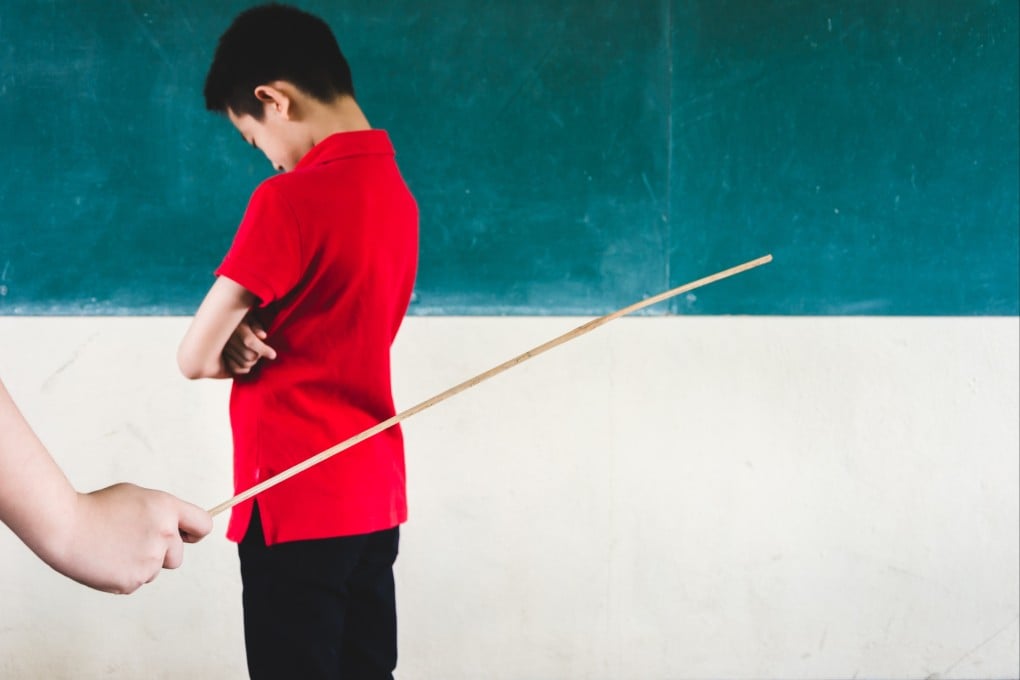
An old Thai proverb says, “If you love your cow, tie it up; if you love your child, beat them”. It is meant to convey that a loving and responsible guardian should discipline their child and that corporal punishment is an act of care as sensible as tethering one’s cattle so that it does not wander off. For many generations, this proverb and traditional practices have normalised corporal punishment. This attitude is also displayed by teachers in schools.
One year after Thailand legally banned corporal punishment, the law is still undermined by weak enforcement, lack of accountability and entrenched cultural beliefs.Today, corporal punishment is considered harmful to the physical and mental health of children. The World Health Organization asserts that such punishment increases behavioural problems, impairs socio-emotional development and, crucially, violates children’s rights to good health and physical integrity.
AdvertisementSince 2005, the Thai Ministry of Education (MOE) has permitted four forms of punishment in schools: verbal warning, formal written warning, grade deduction and remedial activities to correct behaviour. Punishing students by “violent means” is strictly prohibited. In March 2025, Thailand amended Section 1567 of its Civil and Commercial Code to ban all types of violent or corporal punishment in homes, schools and other facilities. This amendment elevates the ban from a ministerial regulation to the legal code, which fully enshrines the protection of children’s bodily autonomy.
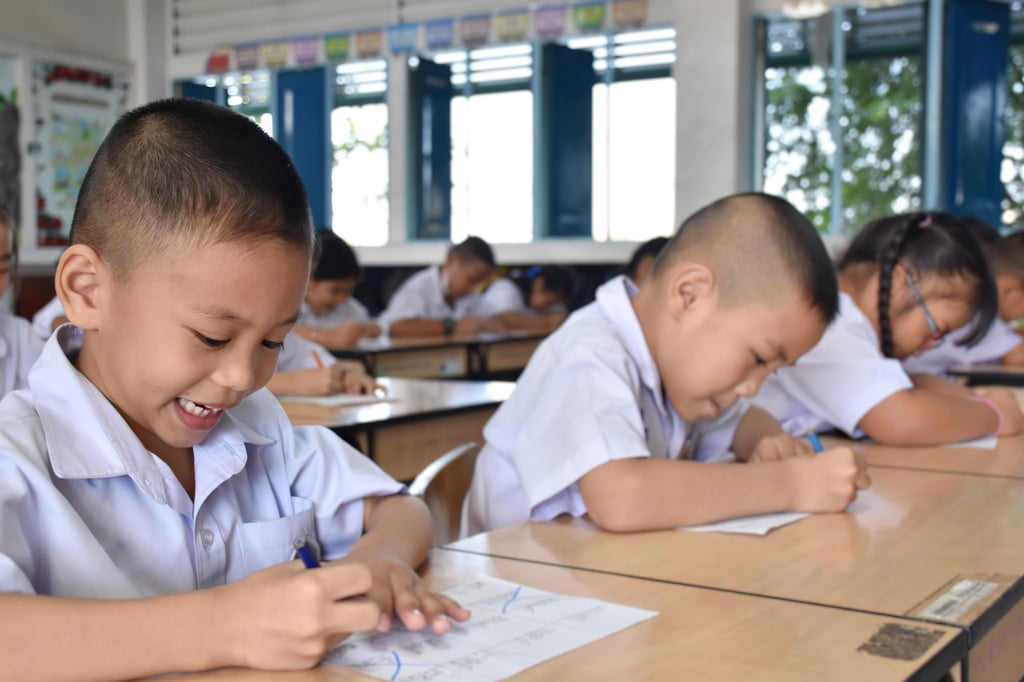
Regardless of these recommendations and the ban, corporal punishment has been and continues to be prevalent in Thailand. In 2020, the Thailand Development Research Institute found that 60 per cent of Thai students had been physically punished in schools. In June 2025 – three months after the ban – Unicef found that 54 per cent of children in Thailand had been subjected to violent discipline. While the two surveys were conducted by organisations with different methodologies, a negligible decline is arguably an insufficient rate of progress for something as serious and well-studied as corporal punishment.
AdvertisementAdvertisementSelect VoiceSelect Speed0.8x0.9x1.0x1.1x1.2x1.5x1.75x00:0000:001.00x