A killswitch has been pitched for the Linux kernel that could shut down vulnerable functions while users wait for patches
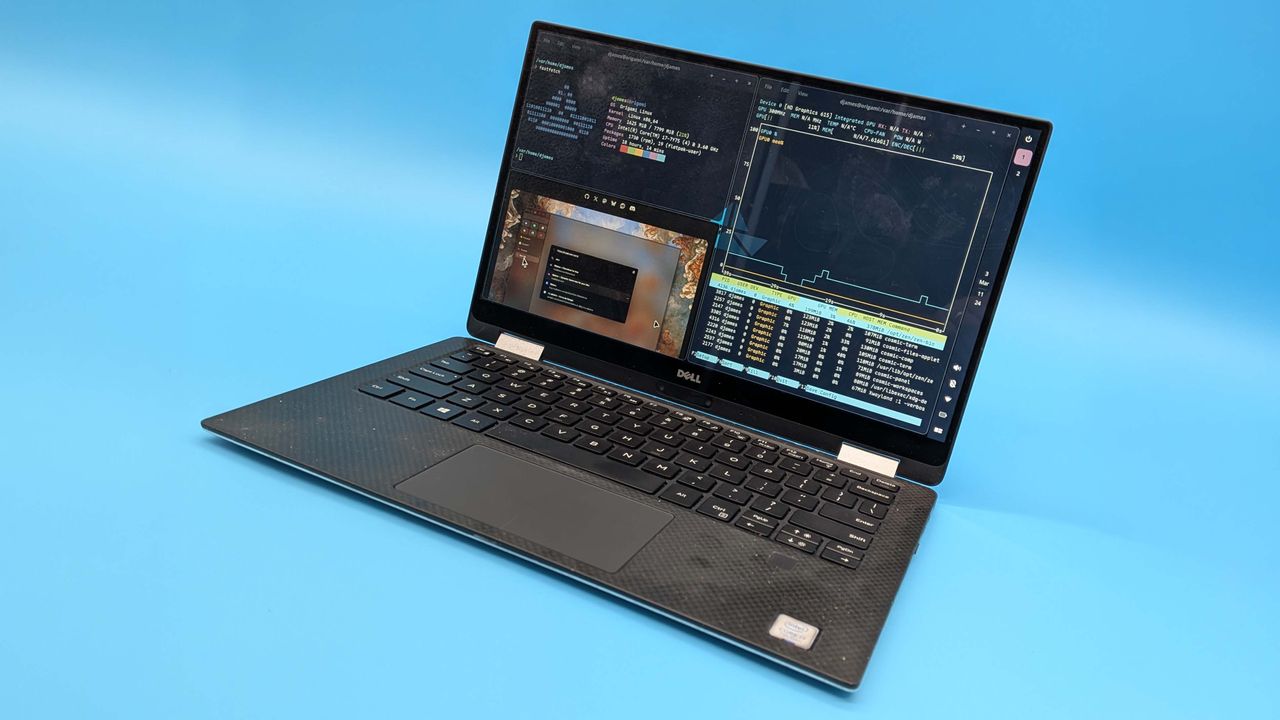
If you've ever felt anxious about the security of your machine while you wait for a solution to some vulnerability, a proposed change to the Linux kernel may interest you. Pitched by Nvidia staff Sasha Levin, it's effectively a killswitch that could shut down some functions while waiting for a more official solution.
As spotted by The Information, Levin writes, "Killswitch lets a privileged operator make a chosen kernel function return a fixed value without executing its body, as a temporary mitigation for a security bug while a real fix is being prepared"
Levin notes that when a security issue becomes public, many users of Linux are technically made more vulnerable until the patch is sent out into the world. You would naturally have to stay more vigilant and use the killswitch manually when issues are made known, but it gives some extra agency over your rig. Though the main focus are the commercial users that are most vulnerable, not your everyday Linux user.
Levine continues, "For most users, the cost of 'this socket family stops working for the day' is
much smaller than the cost of running a known vulnerable kernel until the fix lands."
This killswitch was suggested just a week after researchers caught a root exploit called "Copyfail". Effectively, this exploit can escalate user privileges by replacing code, and that user can exploit escalated user privileges to attack machines. Over on the Cybersecurity Reddit, one user says, "That script is stupidly easy to run and gain root."
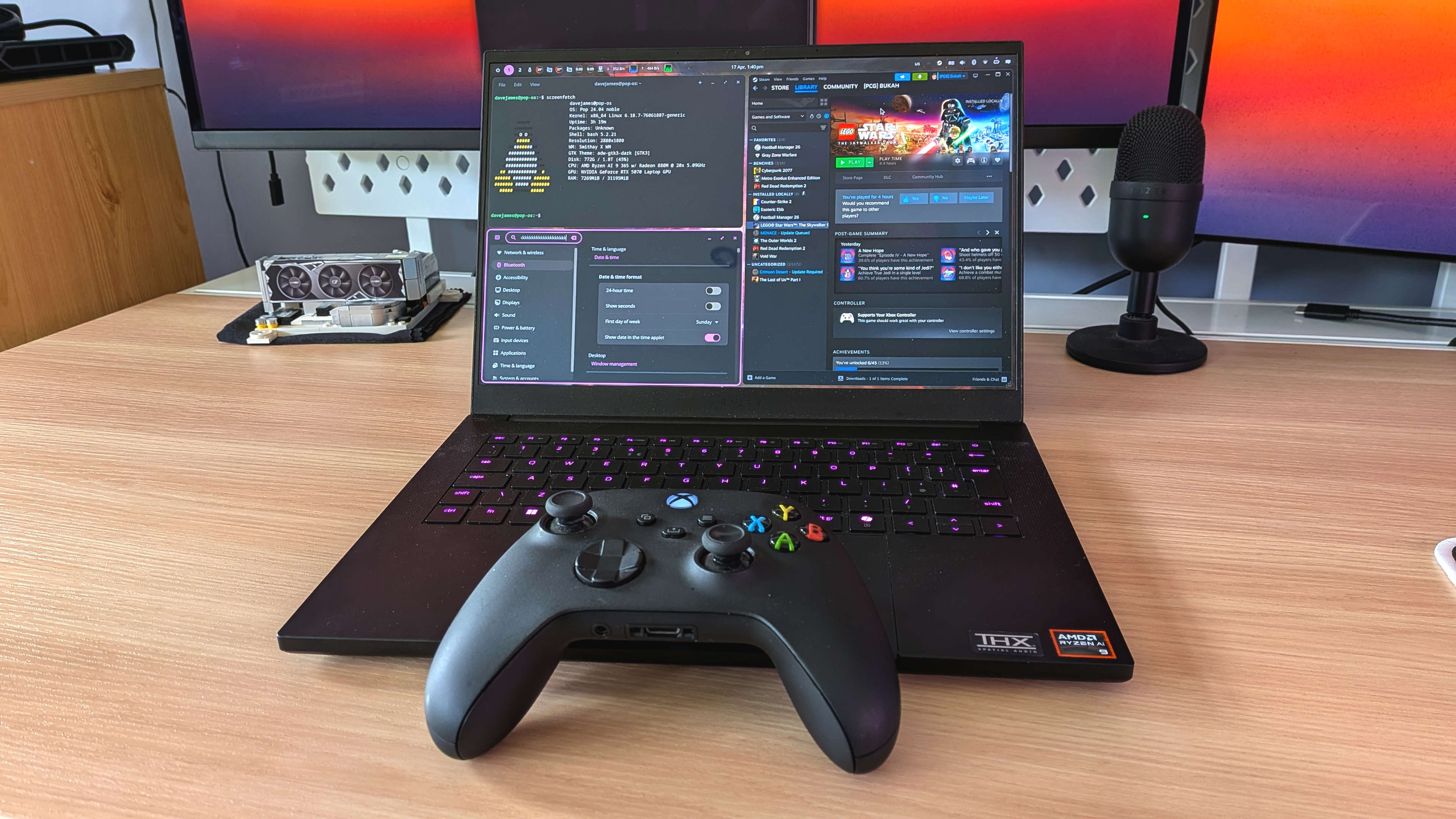
There was a period of time in between Copyfail being spotted and patches rolling out where users were left more vulnerable than before, and this is the perfect use case for the likes of this killswitch.
It's naturally not the most elegant solution to problems, given it simply shuts down parts of the machine, but that level of granular control could be a good thing, especially in the hands of the already rather granular Linux community.
Not everyone is fully on board with it, though, and understandably so. One Reddit user, with over 100 upvotes, argues it is "Useful as a last-resort mitigation, but scary if people treat it like a patch. Easy to imagine this breaking production in creative ways."
Even more negatively, another argues it's a "security feature that may be worse than the vulnerability."
Some believe the 'nuclear option' is far too extreme, and even when it works, it could incentivise some to simply lock down functions rather than actually patching their machine. And that's before mentioning users could shut down processes they probably shouldn't with it. It seems like the nuclear option could be good or bad, depending on who has the button.
Схожі новини

Mortal Kombat 2 star Max Huang wants a Shaolin Monks spin-off after that standout Blue Portal fight

Ordering Burger King’s New Star Wars Meal Was A Shameful, Embarrassing, But Surprisingly Tasty Experience

Will you like Outbound if you like crafting games?