A guide to observing deep-sky objects with binoculars, telescopes and more
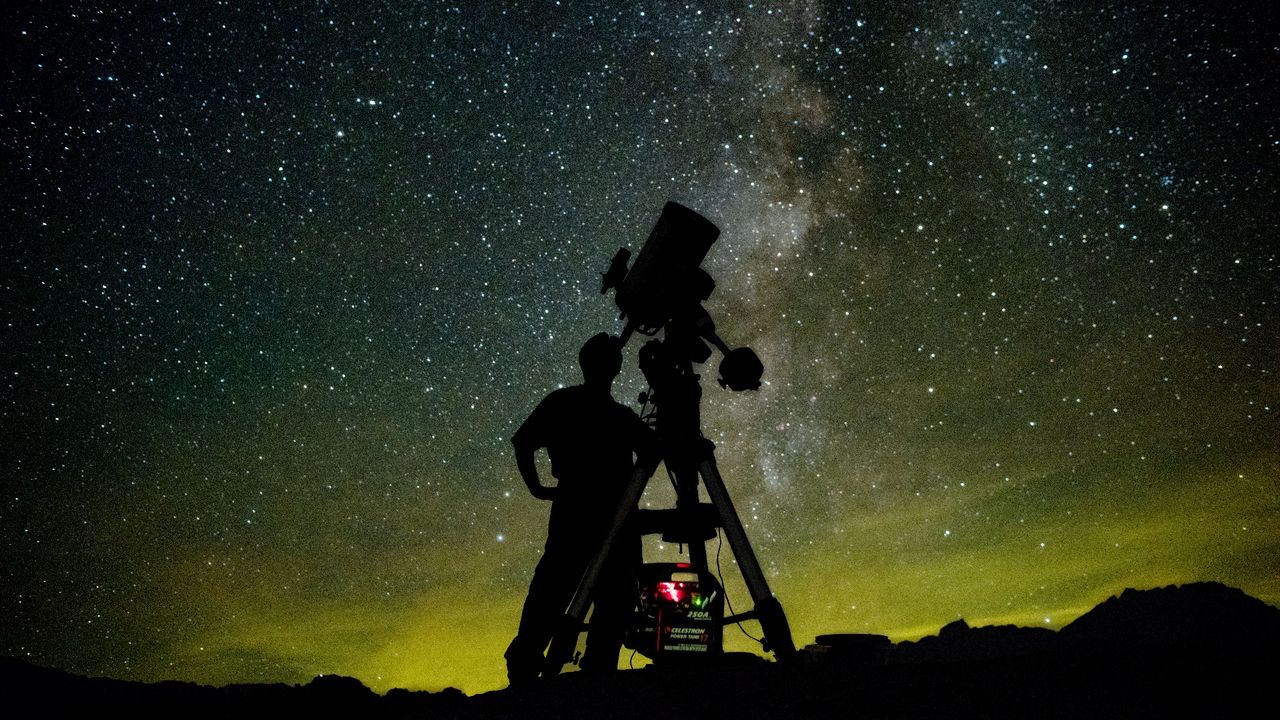

You’ve studied Saturn, watched the Big Dipper wind its way around the North Star and you can find Orion’s Belt with your eyes closed. Now what? Once you’ve learned how to navigate the night sky, it’s time for some magnification, not to get stars in close up, but to glimpse galaxies, nebulas and distant clusters of stars. These are the so-called deep-space objects, or DSOs, which are not points of light like single planets or stars, but vast structures far beyond the solar system. We’re talking objects with subtle shapes, a faint and diffuse glow spread over a large area and hard-to-discern details. Each will be difficult to spot at first, but will reveal not only the reward for patience but also a unique story about the universe’s formation and evolution.
For objects like the Orion Nebula, Bode’s Galaxy and the Great Globular Cluster in Hercules, optics such as telescopes, smart telescopes and binoculars are essential — and so is patience and, for the best views, dark skies. Here’s everything a Northern Hemisphere observer needs to know about deep-sky objects — what they are, how to see them and how to plan your observing.
What is a deep-sky object?
For now, forget about telescopes and targets, and consider what a deep-sky object is. These celestial targets beyond the solar system fall into three main categories:
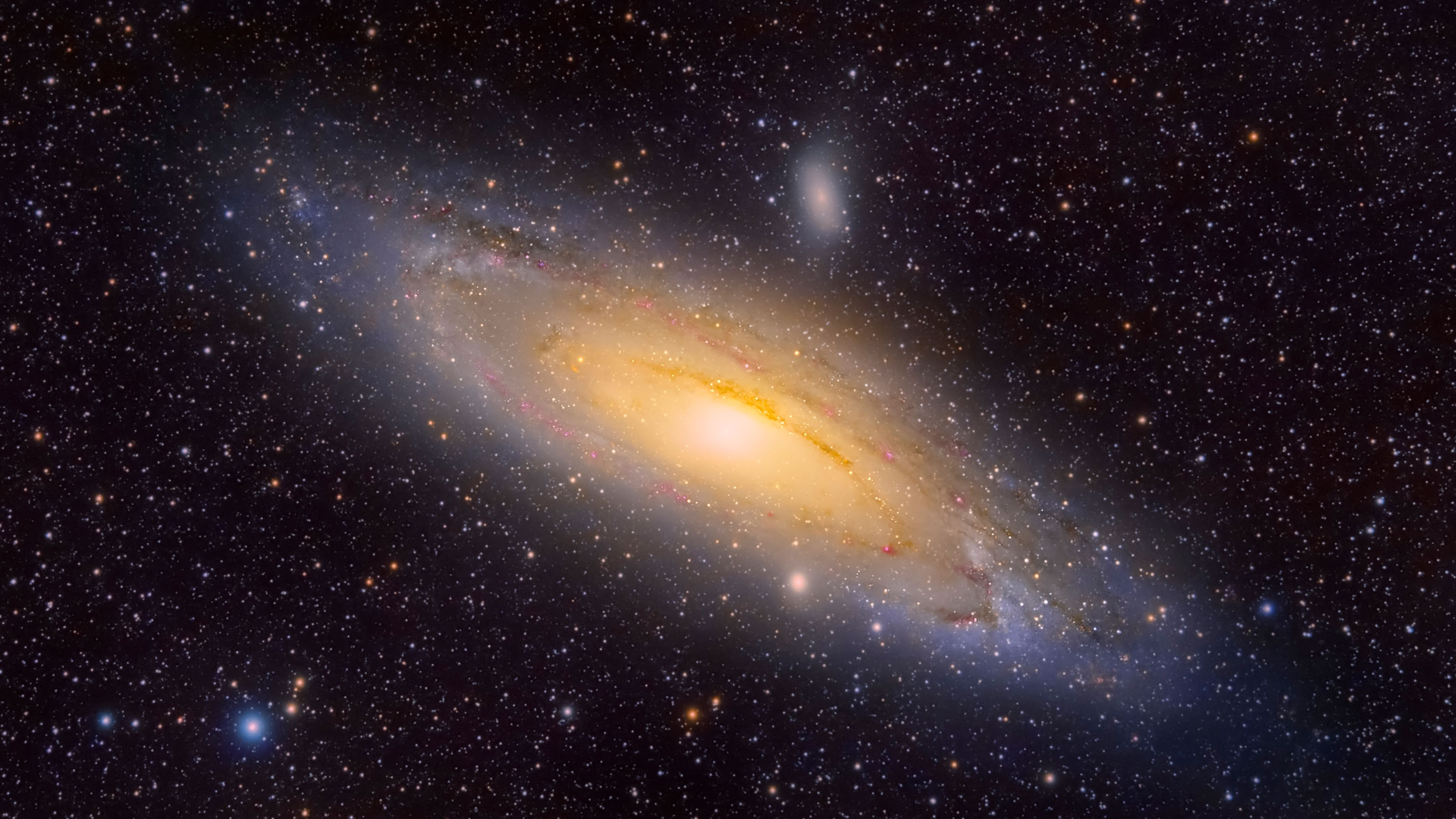
Galaxies: Vast systems containing billions of stars, like our own Milky Way, are sometimes seen face-on and sometimes side-on.
Nebulas: These mighty interstellar clouds of dust and gas come in various flavors according to their origin and how they interact with light, from emission, reflection and dark nebulas to planetary nebulas and supernova remnants.
Star clusters: Groups of stars bound by gravity, either young, loose and close to the solar system (open clusters) or ancient, compact and in the halo of the Milky Way (globular clusters).
You will have seen colorful images of galaxies, nebulas and star clusters from the likes of the Hubble and James Webb space telescopes, but now is the time to lower your expectations. The price for seeing these distant objects with your own eyes is sacrificing color and detail for shades of grey and subtle shapes that require careful observation.
Optics for observing deep-sky objects
There are three kinds of optics for observing galaxies, nebulas and star clusters, from affordable binoculars to the latest and greatest telescopes.
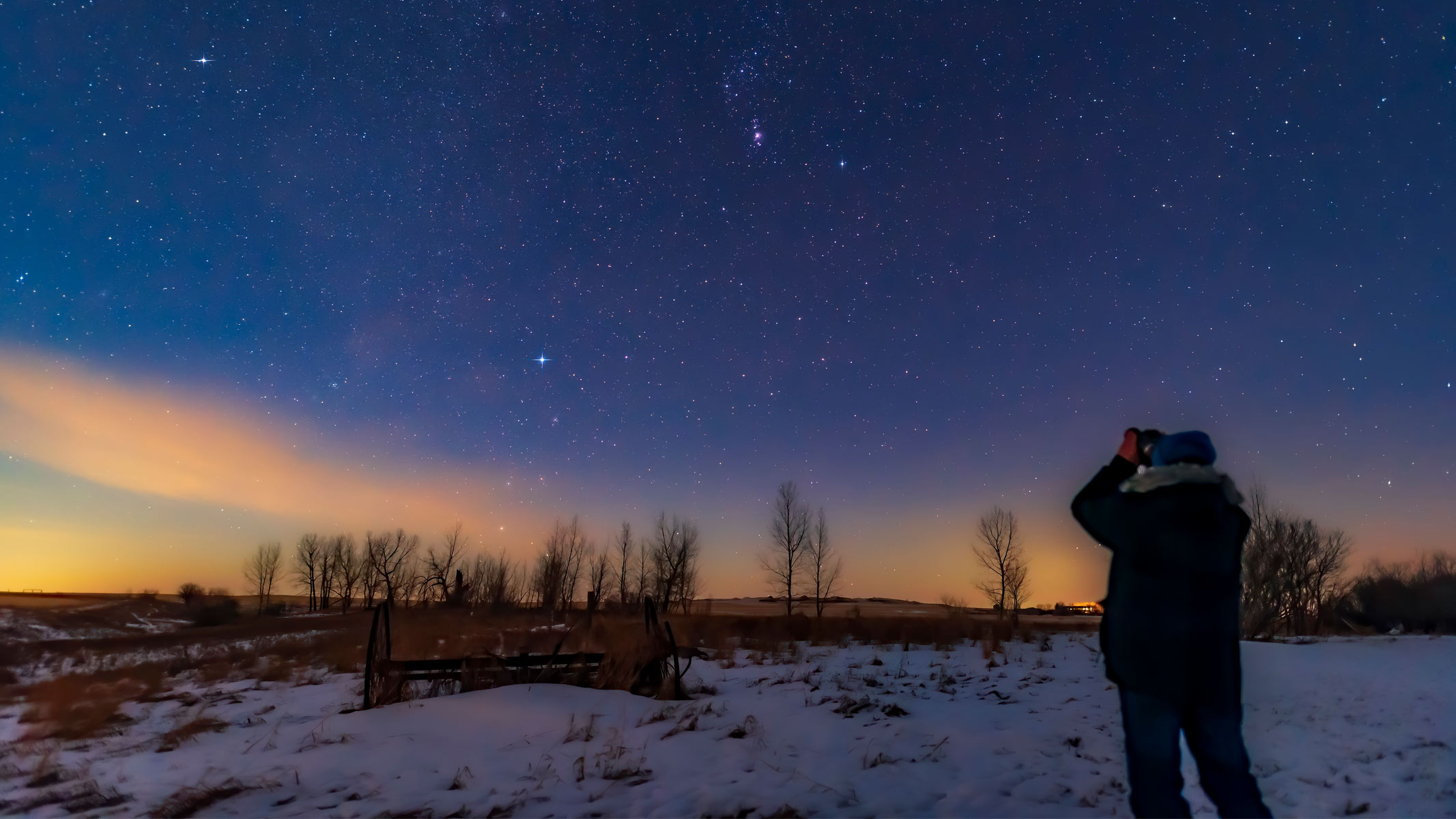
Binoculars: There’s a reason why all astronomers advise moving from naked-eye stargazing to a pair of binoculars, not a telescope. Blessed with wide fields of view, binoculars reveal the night sky beyond the reach of the naked eye, able to give excellent views of large and bright deep-sky objects — including star clusters and nebulas and the occasional galaxy (as well as the star-fields in the arc of the Milky Way). However, forget pocket-sized binoculars; you’ll need about 10x magnification and 42mm or 50mm objective lenses for decent views, making 10x42 and 10x50 models the most popular for amateur astronomers. Although binoculars offer terrific value, they can also be costly, with image-stabilized models the top choice for detailed views.
Smart telescopes: A relatively new phenomenon, smart telescopes eschew an eyepiece for an image processing chip — much as Hubble and Webb do — so instead of dealing in photons, they deal in images. Combining telescope optics with cameras and image processing, smart telescopes take short exposures and layer them, which produces a cleaner signal. They’re ideally suited to urban skies, where they’re able to filter out light pollution and reveal deep-sky objects in color straight to a smartphone or tablet.
Traditional telescopes: Alt-azimuth or equatorial? Refractor or reflector? The world of telescopes can be baffling to a beginner, so here is a rule of thumb for observing deep-sky objects — you want a reflector telescope with as large an aperture (the diameter of the primary mirror or lens) as you can afford. They come in all shapes and sizes, with compact, portable Newtonians being the most popular. However, large, good-value Dobsonians offer the best value for large apertures at a lower cost.
How to observe star clusters
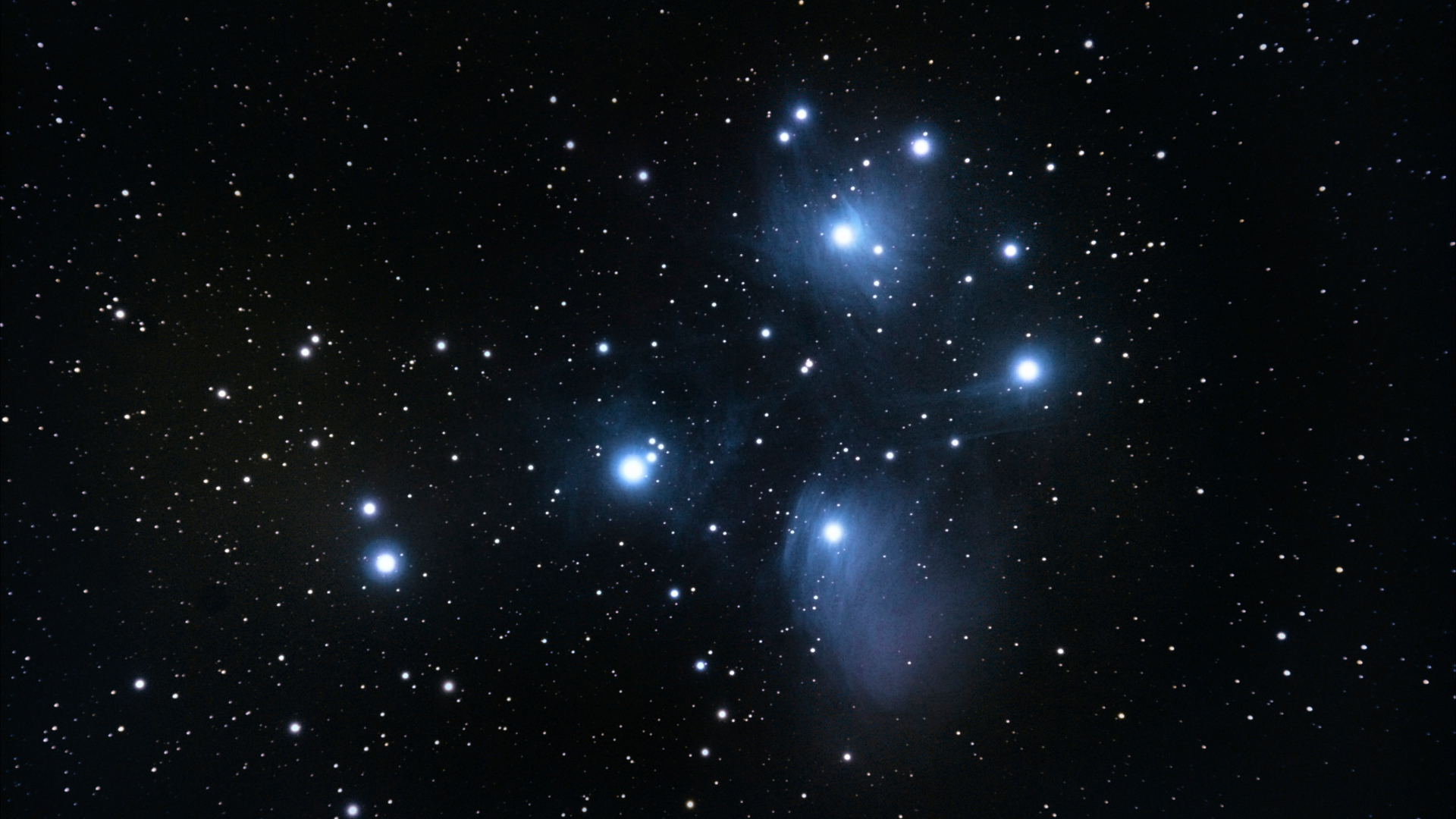
No image can match the view of a distant open star cluster (open meaning loose) through binoculars or an optical telescope. Yet, these collections of gravitationally bound stars are surprisingly easy to observe — and there are hundreds to choose from. What you see depends on how bright and how distant they are, but there are plenty of open clusters that are best seen with binoculars (such as the Pleiades) or a small telescope (the Double Cluster in Perseus). More distant open clusters — and all of the 150+ globular clusters in the Milky Way — will require at least a small telescope. Some star clusters will fill the field of view, while others will be small and faint, but most can be glimpsed from light-polluted urban skies.
Here are some of the most popular star clusters in the Northern Hemisphere, with their colloquial name and catalogue designation:
- The Pleiades (M45) open cluster in Taurus
- The Double Cluster (NGC 869 and NGC 884) open clusters in Perseus
- Beehive Cluster (M44) is an open cluster in Cancer
- M35 open cluster in Gemini
- Great Globular Cluster (M13) in Hercules
- M22 globular cluster in Sagittarius
How to observe galaxies
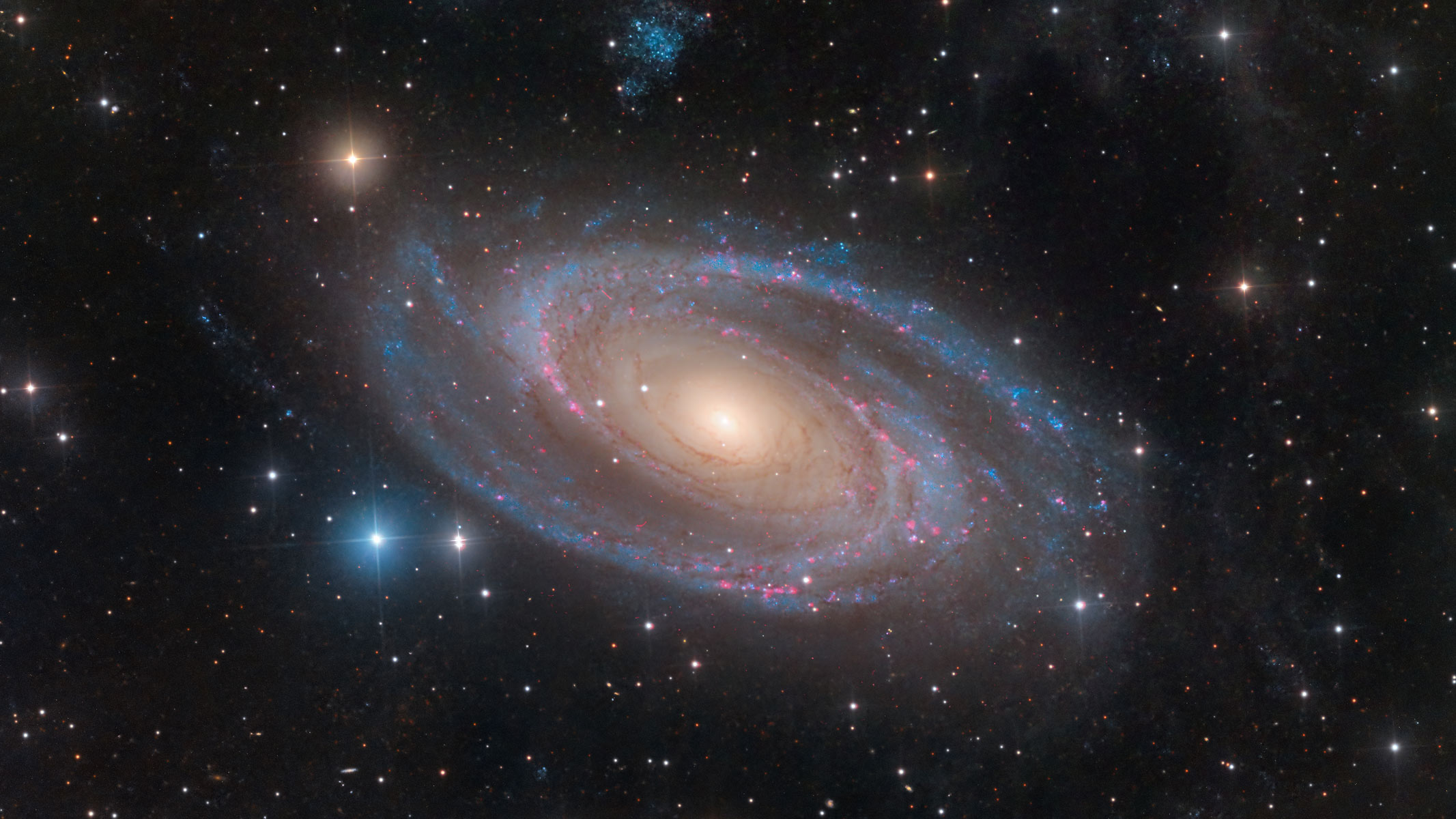
Seeing distant galaxies with your own eyes can be a challenge, particularly from urban areas. Since galaxies are many millions of light-years away, their surface brightness is such that inky black night skies, moonless nights and a large aperture are required (i.e., a large telescope) for most. There are some exceptions, with the most obvious being the Andromeda Galaxy, which is technically visible to the naked eye under dark skies. The Whirlpool Galaxy, Bode’s Galaxy and the Cigar Galaxy are also relatively easy to spot with moderate equipment and medium magnification (a Dobsonian telescope is an excellent choice for galaxies). There are, however, two skills to remember: let your eyes adapt to the dark before you go galaxy-hunting and, when you have a galaxy in the telescope’s crosshairs, look slightly to the side of it, allowing your more light-sensitive peripheral vision to kick in.
Here are some of the most popular galaxies in the Northern Hemisphere:
- Bode’s Galaxy (M81) and the Cigar Galaxy (M82).
- Whirlpool Galaxy (M51).
- Andromeda Galaxy (M31).
- Pinwheel Galaxy (M101).
- Leo Triplet (M65, M66 and NGC 3628).
How to observe nebulas
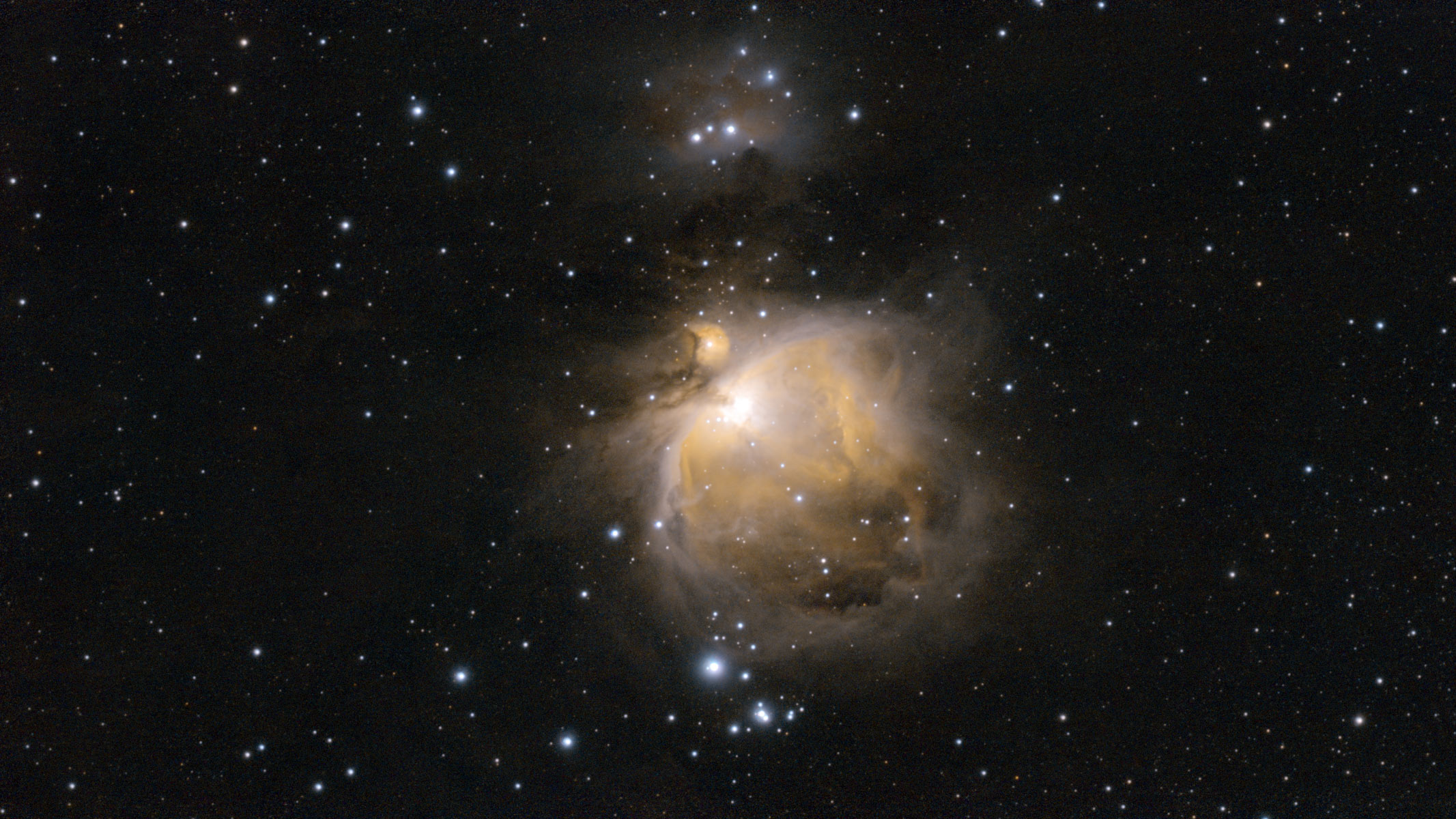
There are many types of nebulas, and most disappoint the beginner. The Orion Nebula, a showpiece easily visible in small scopes or binoculars below Orion’s Belt, is a bright eyepiece-filling gem. So too is the Carina Nebula seen from the Southern Hemisphere. However, most others require a lowering of expectations and full use of something almost all humans lack — patience. For a glimpse of the spectacular structure and texture of nebula — albeit in black and white — requires a dark sky (though filters like UHC and O-III can help block light pollution and enhance contrast) and repeated observations. However, even modest equipment can produce stunning results under dark skies — and for those in urban areas, smart telescopes work wonders with nebulas.
Here are some of the most popular nebulas in the Northern Hemisphere:
- Orion Nebula (M42) is a diffuse nebula in Orion.
- Horsehead Nebula (Barnard 33 and IC 434) is a dark nebula in Orion.
- Cat’s Eye Nebula (NGC 6543) is a planetary nebula in Draco.
- Ring Nebula (M57) is a planetary nebula in Lyra.
- Dumbbell Nebula (M27) is a planetary nebula in Vulpecula.
- Lagoon Nebula (M8) is an emission nebula in Sagittarius.
Observing on a budget
You don’t need to dive into expensive astronomy gear to come face to face with deep-sky objects. Modest gear is fine; 10x50 binoculars and a 4-inch-aperture reflector telescope are enough to keep you entertained. However, after you’ve gobbled up the globulars, galaxies and clusters visible in small optics, there may be a temptation to go large. One way to go straight into awe-inspiring views without spending big is a budget smart telescope, which you can leave imaging a faint nebula for many hours, and will give you great results, albeit only as an image. Wherever your journey into amateur astronomy takes you, remember that a dark sky site can offer more improvement than an expensive telescope — and that a second-hand Dobsonian telescope (if you can stand the size) will always be good value.
Planning when to observe
Knowing the best time to view a particular deep-sky object takes time to learn. Everything in the night sky is seasonal, so there will be a particular time of year when a specific object is at its highest in the night sky, in the middle of the night, where you are located. This is an object’s culmination, when it is as close to the zenith — the region of the night sky directly above you, where it’s darkest — as it ever gets. This is where Earth’s atmosphere interferes least.
If you have a GoTo or a smart telescope, the associated software or apps will tell you what objects are best for the time and place you’re observing, with stargazing apps and software like Stellarium, Starry Night and SkySafari doing something similar. Choose one, get to know it and use it to create a short observing list to work through when you’re outside at night. That way, you’ll stay focused and make the most of your time under the stars.
View MoreYou must confirm your public display name before commenting
Please logout and then login again, you will then be prompted to enter your display name.
Logout
Jamie is an experienced science and travel journalist, stargazer and eclipse chaser who writes about exploring the night sky, solar and lunar eclipses, the Northern Lights, moon-gazing, astro-travel, astronomy and space exploration. He is the editor of WhenIsTheNextEclipse.com, author of A Stargazing Program For Beginners, co-author of The Eclipse Effect, and a senior contributor at Forbes.
Схожі новини
First detailed ‘smell maps’ reveal how noses track odours
Data centres are controversial: will launching them into space help?